
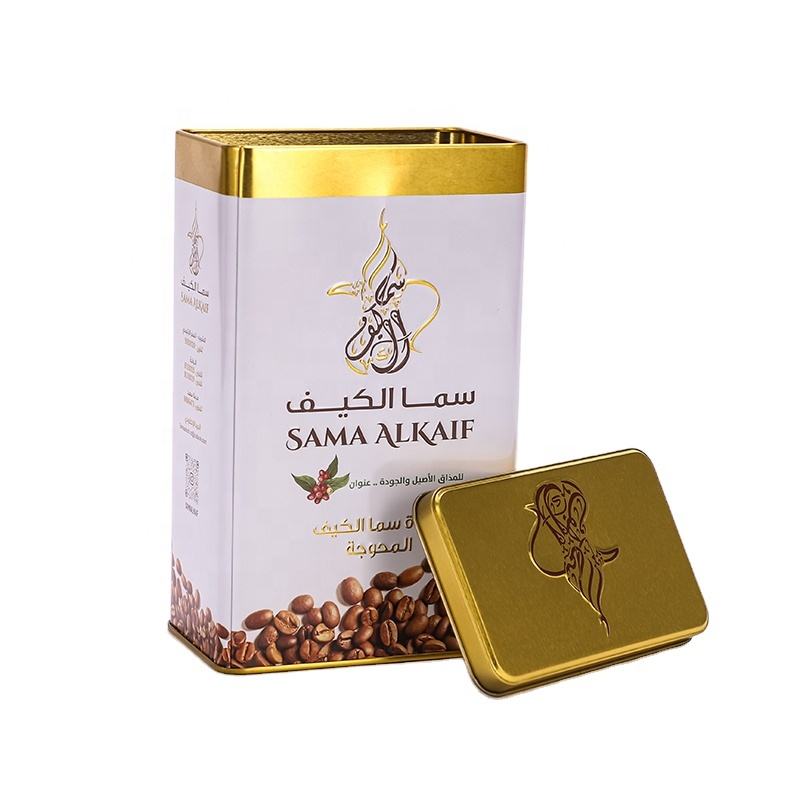
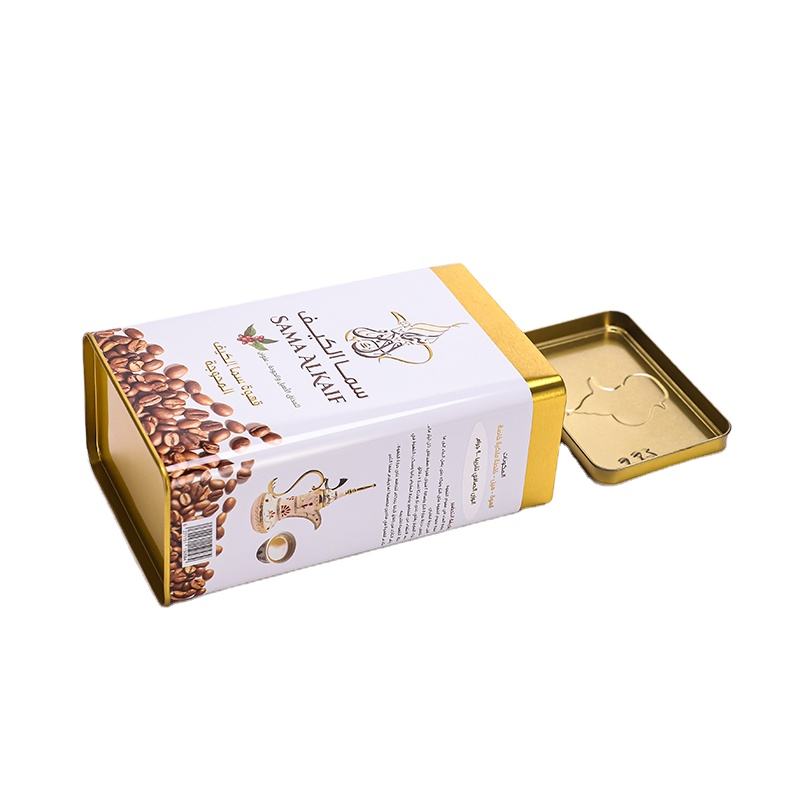
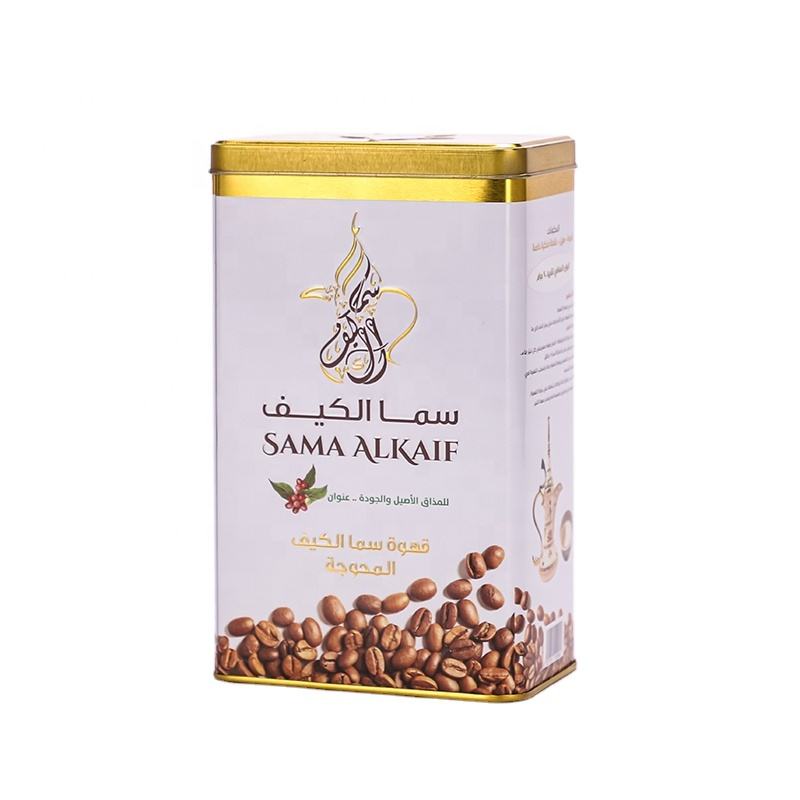
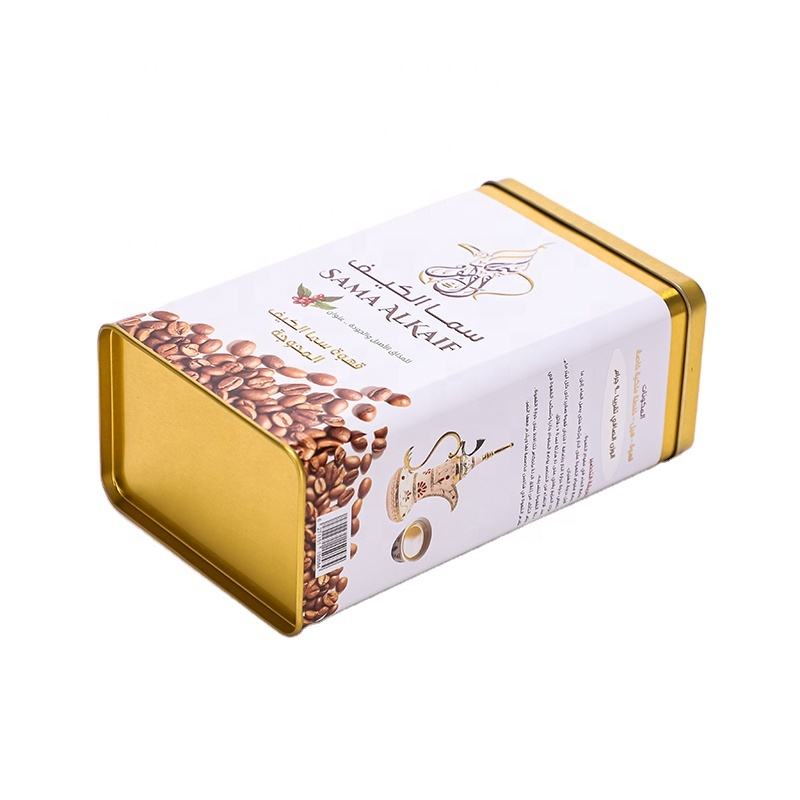
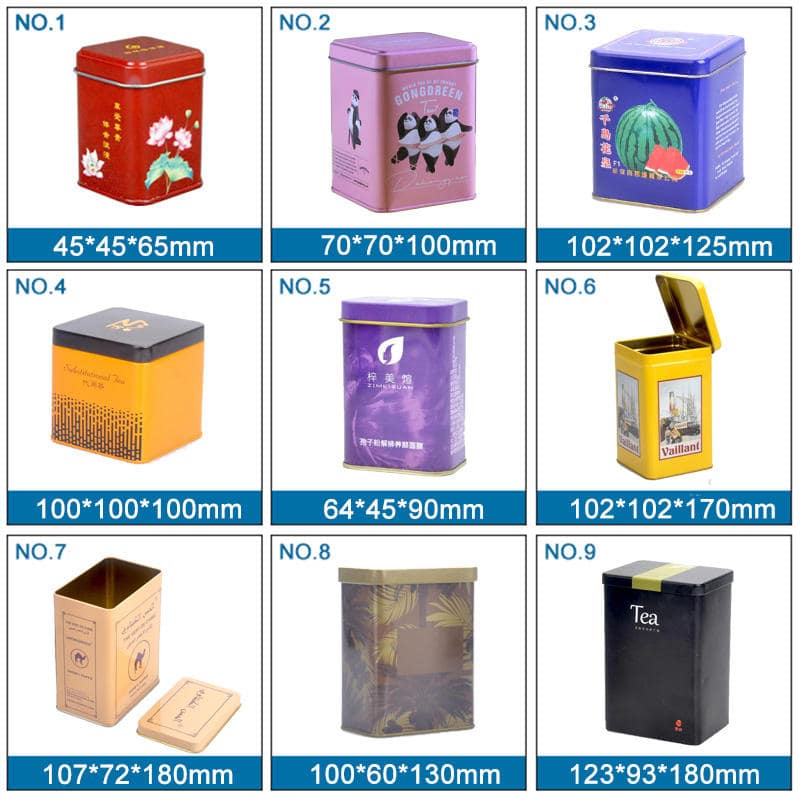
A custom rectangular double lid tea tin box combines a space-efficient metal body with a two-stage closure for premium loose leaf tea, tea bags and private label tea collections. Unlike a round canister, the rectangular format provides four defined side panels, making it easier to organise branding, product information, brewing instructions and origin stories around the package. For tea brands working with several flavours or retail SKUs, rectangular tins also make practical use of shelf, gift-box and export-carton space. The structure can be developed around an existing mould or adapted to suit the dimensions of an inner tea pouch, individual sachets or a required filling volume.
Product Name :
Rectangular Double Lids Tea Tin BoxDimensions :
L121*W78*H200mmShape :
Rectangular, CustomizableDesign :
Customizable, ODM / OEMPrinting :
CMYK offset printing and Pantone colour matchingSurface Finish :
Gloss, matte, metallic effects and selected decorative finishesMaterial :
0.23 mm Food-Grade TinplateMOQ :
5,000 pcsLead Time :
35 DaysPackaging :
Opp Bag + Master Carton
The main difference is not appearance alone. A rectangular tea tin changes how the package uses space.
The straight sides allow multiple tins to sit closely together on a retail shelf, inside a gift box or within a master carton. This can be useful for brands developing several tea varieties that need to appear as one coordinated range.
Four flat side panels also create clearly defined artwork zones. Instead of wrapping all information around one continuous cylindrical surface, the designer can assign a specific role to each panel.
This panel-based layout is one reason rectangular tins are often selected for speciality tea collections where packaging needs to communicate more than a single logo.
A rectangular tea tin with double lids normally uses an outer decorative cover together with a second fitted inner lid beneath it.
The consumer removes the outer lid first and then opens the inner closure to access the tea. This creates a more deliberate opening experience than a basic single-lid tea box.
The outer lid can carry the main decorative design, while the inner lid provides a second closure point closer to the product cavity. The exact inner-lid structure depends on the selected mould and may use a fitted or plug-style design.
A double lid can help reduce direct environmental exposure compared with a loose single-cover structure, but it should not automatically be described as hermetically airtight. Where a project has a defined moisture or oxygen barrier requirement, the complete package should be evaluated together with the actual tea and inner packaging.
For many commercial tea projects, the most useful starting point is not the external tin dimension. It is the package that will actually sit inside the tin.
If the tea is already packed in a sealed foil or high-barrier pouch, send us the filled pouch dimensions before selecting the metal box.
A pouch that technically fits by width and height may still require additional clearance around the folded seal, corners and top closure. If the tin is too tight, filling becomes slow and the pouch may crease excessively. If the tin is unnecessarily large, the finished pack may look under-filled and shipping volume increases.
This is particularly important for:
For these projects, providing the physical inner pouch or sachet dimensions normally gives us a better starting point than simply requesting a “100 g tea tin”.
Two teas with the same net weight can require very different packaging volumes.
Dense rolled oolong occupies less space than many loose flower blends. Large whole leaves may require a taller or wider cavity, while small tea bags are governed more by arrangement and count than by product weight.
For this reason, we normally confirm four details before recommending a rectangular mould:
Where possible, a physical filling test using the actual product or inner pouch is preferable to estimating capacity from nominal gram weight alone.
A rectangular tin is particularly useful when the packaging has a large amount of structured information.
The front can remain visually simple while the secondary panels carry functional details. This prevents the main branding area from becoming crowded.
Custom decoration options can include:
For a coordinated tea collection, the structure can remain unchanged while the front-panel colour and tea name vary between blends. This gives the range a consistent physical identity without making every SKU look identical.
Rectangular tins are especially useful when several units need to be presented together.
For example, four tea varieties can be arranged side by side in an outer gift carton. Because the tins have straight edges, less empty space is created between neighbouring containers than with many round formats.
The same principle applies to retail shelves and shipping cartons.
However, rectangular does not automatically mean stackable. If vertical stacking is an important part of your retail concept, tell us before the mould is selected so the lid profile, base structure and expected stacking arrangement can be reviewed.
This double lid tea tin box can be developed for several types of tea packaging, but the internal arrangement should match the product.
For loose leaf tea, we normally recommend considering a sealed inner pouch where moisture and aroma protection are important.
For individually wrapped tea bags, the metal tin can function mainly as the rigid retail and storage container. Internal dividers may also be considered where several flavours need to share one larger tin.
For gift assortments, inserts or partitions can help prevent individual sachets or smaller packs from moving excessively inside the container.
Not by structure name alone.
The phrase airtight tea tin is commonly used in the market, but a fitted inner lid should not automatically be treated as proof of hermetic performance.
The actual result depends on the lid fit, forming tolerances, closure design, inner packaging and the barrier level required by the tea.
If your product requires verified moisture, aroma or oxygen protection, tell us the target shelf life and packaging configuration before production. A suitable high-barrier inner pouch may still be required even when a double-lid tin is selected.
A completely new metal package does not always require a new mould.
We maintain existing tooling in multiple rectangular formats. For many projects, the first step is to compare the required internal dimensions with available moulds.
Using an existing structure can simplify sampling and reduce development work, particularly when the buyer has some flexibility in height or width.
A new mould becomes more relevant when:
For new mould development, additional tooling and trial time should be considered before the final production schedule is confirmed.
The metal tin should be considered as part of the complete tea packaging system.
If the tea is packed in a sealed inner pouch, the pouch normally acts as the direct product-contact layer while the tin provides rigidity, light protection, presentation and repeated-use value.
If loose tea is intended to contact the metal interior directly, the suitability of the tinplate coating and complete food-contact system should be confirmed according to the intended product and destination market.
Do not rely only on a general description such as “food-grade tin”. The actual contact materials, coating system and intended use should be reviewed for the specific project.
Rectangular tins pack efficiently only when the master carton is planned around their actual finished dimensions.
For export projects, we can review the carton arrangement after the final tin size is confirmed. Depending on the printed finish and customer requirements, individual protection may be added to reduce rubbing or scratching during transport.
For multi-SKU projects, carton labels can also identify artwork version, tea variety, quantity and production batch to simplify warehouse handling.
If your supply programme involves scheduled repeat orders, maintaining one core rectangular structure across several designs can also simplify future packing and inventory planning.
The format is particularly useful where a buyer wants a premium metal container but also needs efficient rectangular dimensions for shelves, gift cartons or grouped product ranges.
A useful quotation request does not need to be complicated. The following information is normally enough for us to begin matching your project with suitable existing structures:
If the final dimensions are not yet decided, send us the product or inner pouch information first. We can review available rectangular moulds and suggest a practical starting point.
Yes. The same structure can support different artwork versions for different tea blends. Each printed design should be confirmed separately when calculating MOQ and production setup.
Yes, depending on the selected structure and decoration plan. Contrasting inner and outer lid finishes can be used to create a more distinctive opening experience.
The structure can also be considered for coffee beans, coffee sachets and other dry products, but coffee may have different gas and oxygen-barrier requirements. The packaging system should therefore be reviewed for the actual product rather than assuming tea and coffee have identical requirements.
Yes. We normally check existing moulds first. If no suitable structure is available, new tooling can be discussed based on the required dimensions and annual volume.
A fitted inner lid can improve closure performance, but the structure should not automatically be described as hermetically airtight. Where verified barrier performance is required, the finished package should be tested under the intended filling and storage conditions.
Our standard MOQ for custom printed rectangular double lid tea tins is 5,000 pieces per design.
Robust und anpassungsfähig für verschiedene Anwendungen.Sorgt für eine luftdichte Versiegelung und bewahrt den Geschmack und das Aroma des Tees.Bietet eine Vielzahl von Größen und Stilen, sodass Sie ganz einfach diejenige auswählen können, die Ihren Anforderungen entspricht.Wird zur Aufbewahrung einer Reihe von Artikeln verwendet, darunter Gewürze, Kräuter und lose Teeblätter.Extrem stark und schützt Ihren Tee vor Feuchtigkeit, Licht und Luft.
WEITERLESEN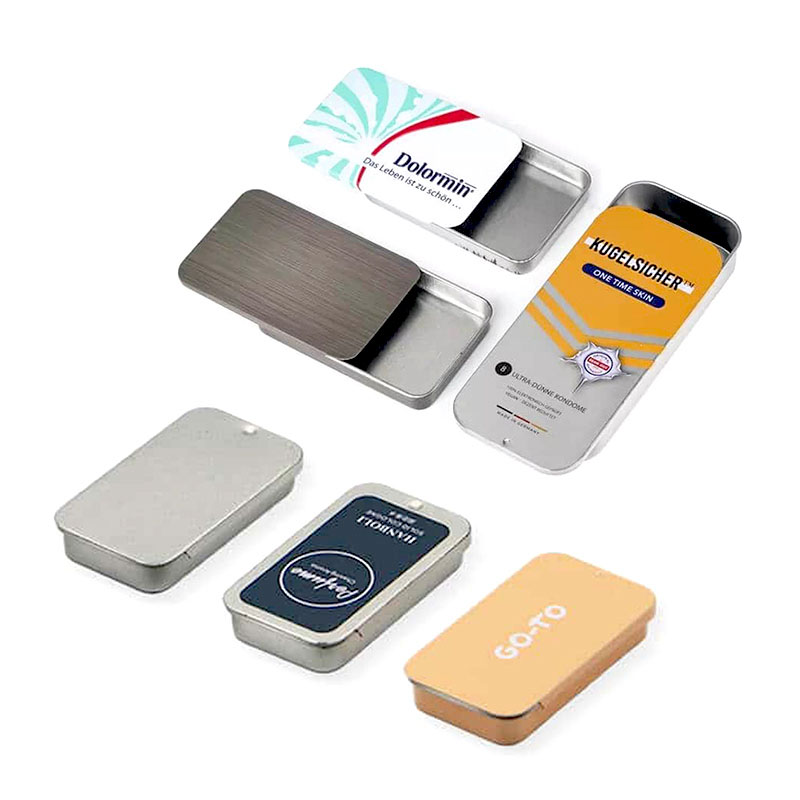
Robust und langlebig, bietet hervorragenden Schutz für Ihre Produkte.Sie können mit Ihrem Branding individuell gestaltet werden und sind somit ein ideales Werbemittel.Optisch ansprechend, was sie für Kunden attraktiv macht.Leicht zu etikettieren und daher ideal zur Produktidentifizierung geeignet.Recycelbar, was sie zu einer umweltfreundlichen Verpackungsoption macht.
WEITERLESEN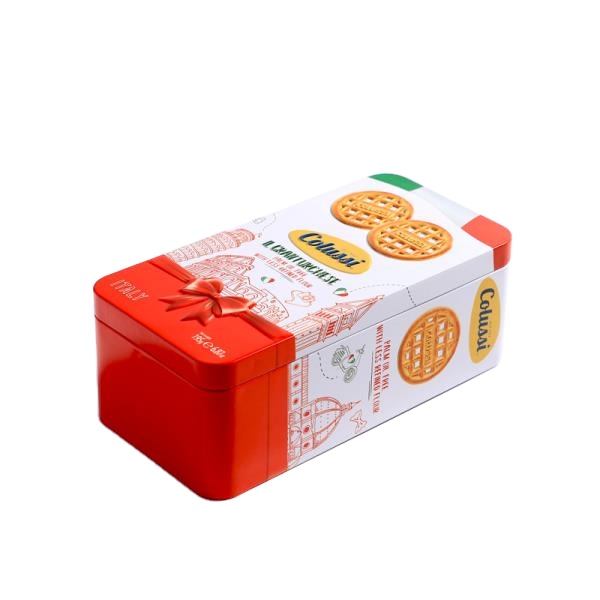
Unabhängig von der Art der Verpackung bieten wir die passende Option für Ihre Anforderungen an die Verpackung von Keksen. Ausgeklügelte Techniken können für eine wirksame Versiegelung sorgen und eine längere Speicherung Ihrer Cookies ermöglichen. Zu unseren treuen Kunden zählen renommierte Keksmarken wie Oreo, Keebler, Chips Ahoy und Pepperidge Farm. Erstklassiges Weißblech, das direkt mit Lebensmitteln in Berührung kommt. Die Verpackung Ihrer Kekse kann garantiert absolut sicher sein. Der Einsatz professioneller Pantone- und 4-Farben-Druckmaschinen gewährleistet erstklassige Präsentationen in Blechdosen.
WEITERLESEN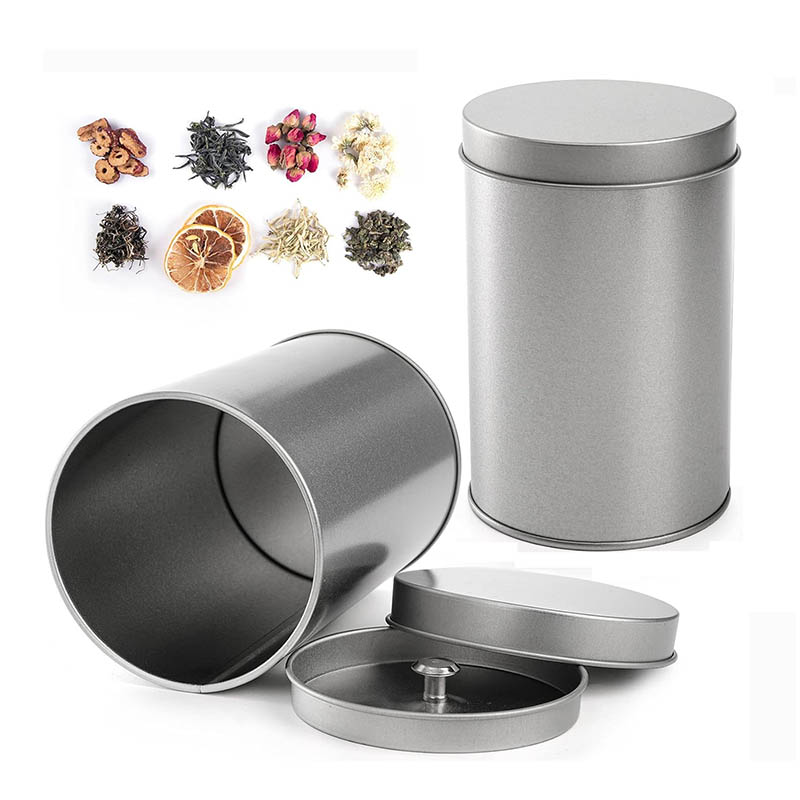
Vielseitig und belastbar für eine Vielzahl von Anwendungen. Bewahrt die Essenz und den Duft des Tees mit sicherer Versiegelung. Bietet eine Reihe von Abmessungen und Designs und erleichtert so die Auswahl des Modells, das Ihren Anforderungen entspricht. Wird zur Aufbewahrung einer Reihe von Gegenständen wie Gewürzen, Kräutern und losen Teeblättern verwendet. Außergewöhnlich robust und garantiert den Schutz Ihres Tees vor Feuchtigkeit, Licht und Luft.
WEITERLESEN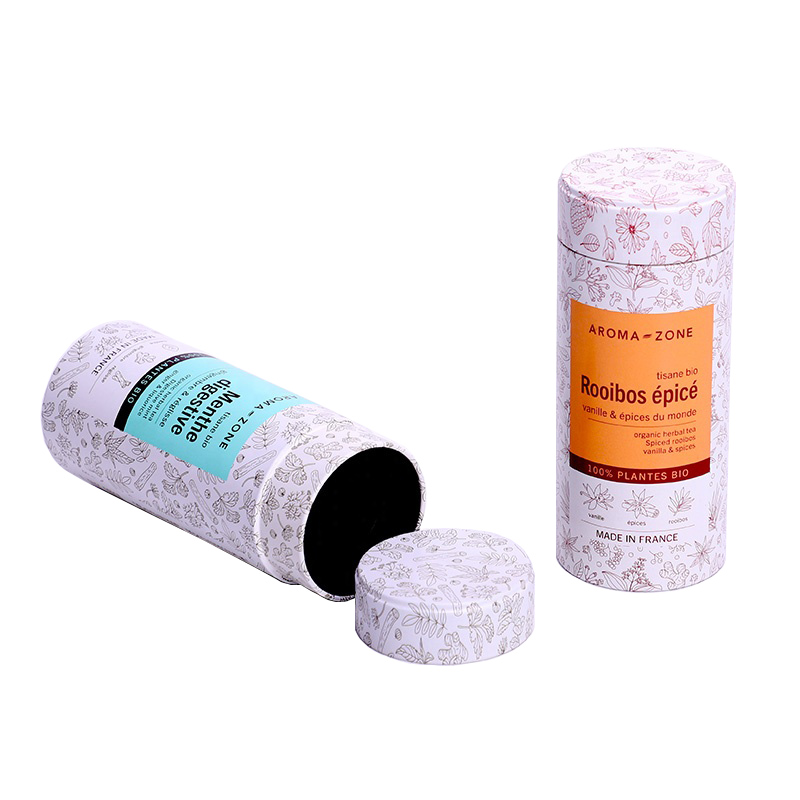
Wählen Sie aus unserem umfangreichen Sortiment an Teedosen-Verpackungsoptionen die passende für Ihre Bedürfnisse aus. Fortschrittliche Prozesse können garantieren, dass Ihr Tee über einen längeren Zeitraum versiegelt und ordnungsgemäß gelagert wird. Entworfen mit einem luftdichten Verschluss, um die Frische und den Geschmack Ihres Tees zu bewahren. Erhältlich in verschiedenen Größen für jede Menge Tee. Ein dicht schließender Deckel sorgt dafür, dass Ihr Tee frisch und aromatisch bleibt.
WEITERLESEN
Unsere Keksverpackungsoptionen sind so konzipiert, dass sie mit jeder Art von Verpackung funktionieren, die Sie benötigen.Ausgeklügelte Versiegelungstechniken können die Frische Ihrer Kekse bewahren und eine längere Lagerung ermöglichen.Über die Aufbewahrung von Keksen hinaus können Keksdosen für verschiedene Zwecke verwendet werden, z. B. für die Aufbewahrung von Trockenfrüchten und Nüssen.Die Verpackung von Keksdosen ist eine hygienische Wahl für Lebensmittelverpackungen, da sie leicht gereinigt und desinfiziert werden kann.Keksdosen sind in einer Vielzahl von Größen und Formen erhältlich, um Ihren Vorlieben gerecht zu werden.
WEITERLESEN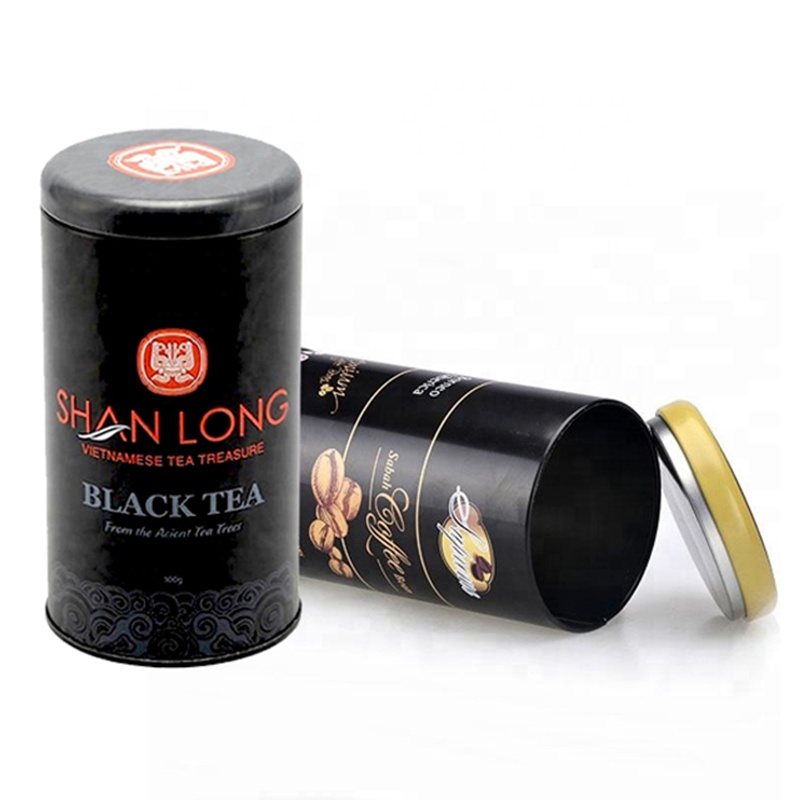
Kaffee-Metalldose, Größe: 85 * 155 mm, Es besteht aus Weißblechmaterial mit einer Dicke von 0,23 mm, CMYK-4-Farben- und Panton-Druck. Wir unterstützen jede Anpassung.
WEITERLESEN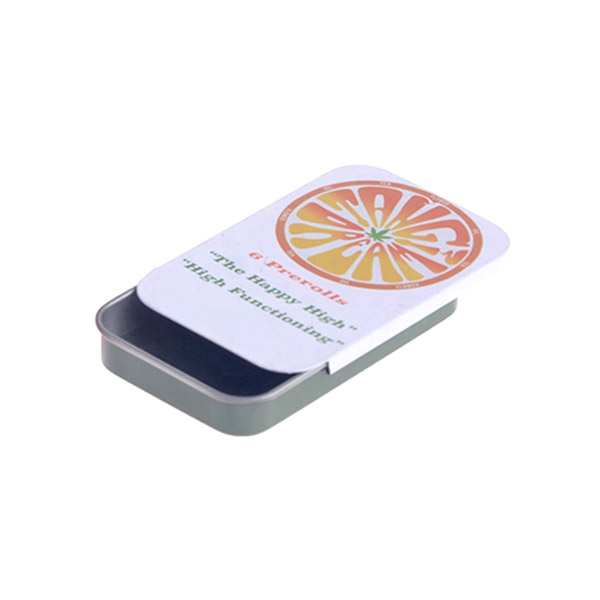
Schiebeblechdose, Größe: 80 * 50 * 20 mm, hergestellt aus 0,23 mm dickem Weißblech, CMYK-4-Farben- oder Panton-Druck, wir unterstützen jede Anpassung.
WEITERLESEN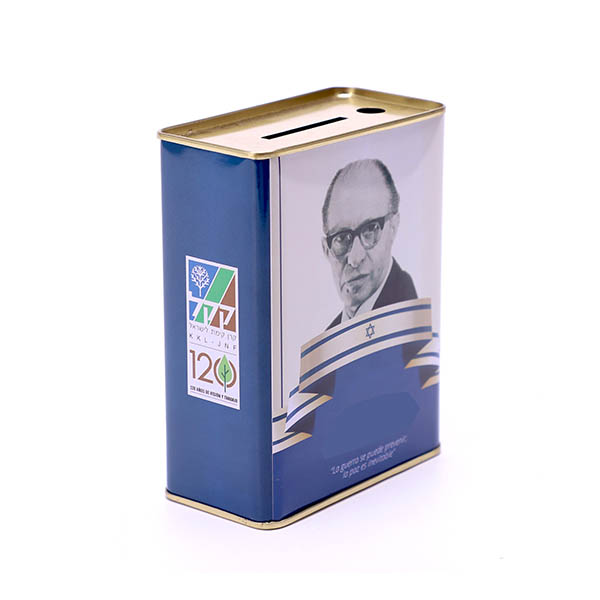
Langlebige Qualität und mehrfach verwendbar.Sichern Sie Ersparnisse und schützen Sie Ihr Geld vor Diebstahl.Dank der großen Auswahl an Größen und Stilen können Sie eines finden, das Ihren Anforderungen entspricht.Wird als Geschenk für Kinder und Freunde verwendet und eignet sich hervorragend zur kommerziellen Markenwerbung.Zuverlässiger Direktlieferant ab Werk, hohe Qualität zu wettbewerbsfähigen Preisen.
WEITERLESEN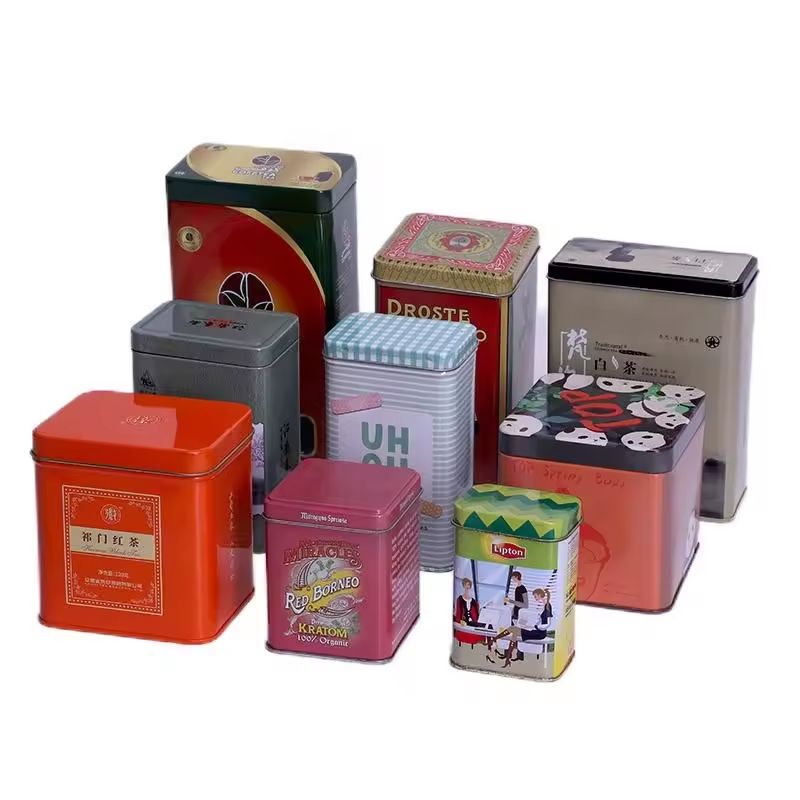
Entdecken Sie unsere Premium-Teedosen, die Ihren Tee frisch und aromatisch halten. Mit anpassbaren Größen und Designs vereinen diese hochwertigen Dosen Funktionalität mit Eleganz und sind ideal sowohl für Teeliebhaber als auch für Marken.
WEITERLESEN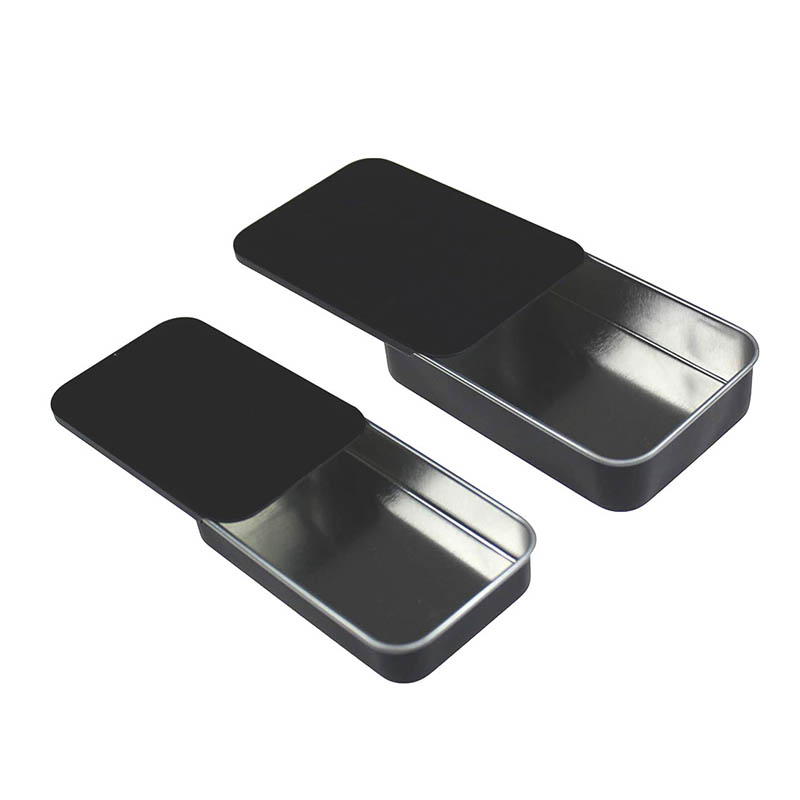
Optisch ansprechend, was sie für Kunden attraktiv macht.Einfach zu stapeln und dadurch platzsparend.Feuchtigkeitsbeständig und daher ideal für die Lagerung von Lebensmitteln.Ungiftig und daher sicher für Lebensmittel.Korrosionsbeständig und daher für die Lagerung von Produkten in feuchten Umgebungen geeignet.
WEITERLESEN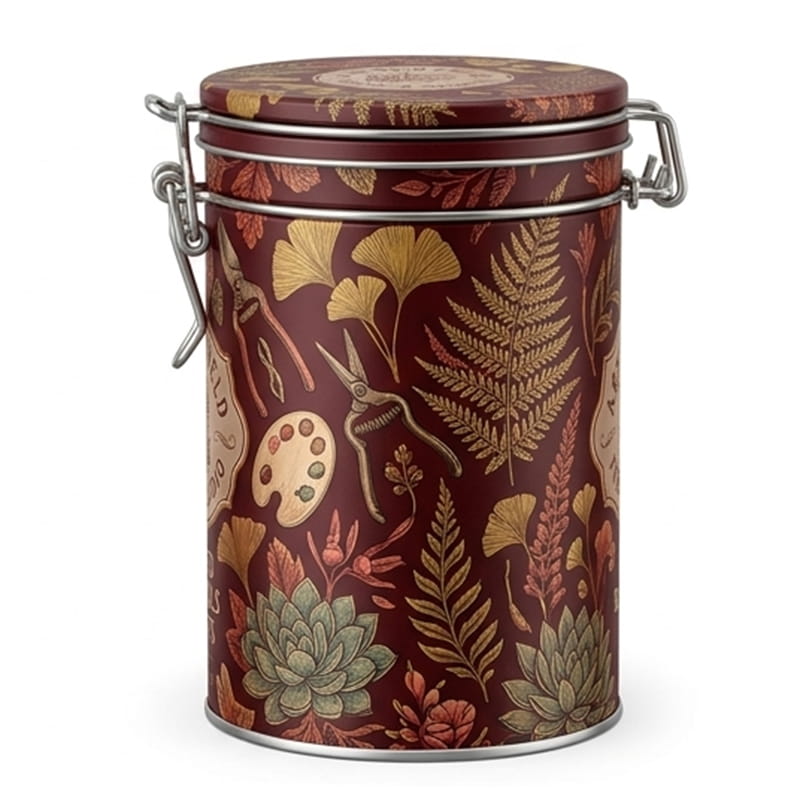
Luftdichte Tee-Kaffee-Metalldose mit Riegelverschluss, Größe: 100 * 160 mm, Es besteht aus Weißblechmaterial mit einer Dicke von 0,23 mm, CMYK-4-Farben- oder Panton-Druck. Wir unterstützen jede Anpassung.
WEITERLESEN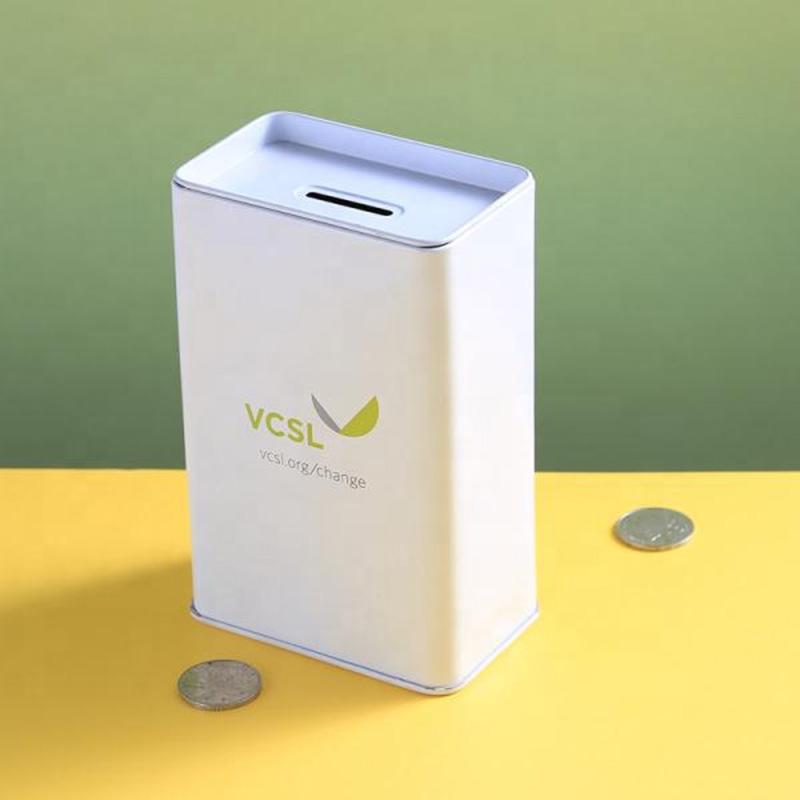
Langlebige Qualität und mehrfach verwendbar.Sichern Sie Ersparnisse und schützen Sie Ihr Geld vor Diebstahl.Dank der großen Auswahl an Größen und Stilen können Sie eines finden, das Ihren Anforderungen entspricht.Wird als Geschenk für Kinder und Freunde verwendet und eignet sich hervorragend zur kommerziellen Markenwerbung.Zuverlässiger Direktlieferant ab Werk, hohe Qualität zu wettbewerbsfähigen Preisen.
WEITERLESEN
Langlebig und mehrfach wiederverwendbar.Luftdicht, wodurch der Geschmack und das Aroma des Tees erhalten bleiben.Eine Vielzahl von Größen und Stilen macht es einfach, das Modell zu finden, das Ihren Anforderungen entspricht.Wird zur Aufbewahrung anderer Gegenstände wie Gewürze, Kräuter und anderer loser Teeblätter verwendet.Äußerst langlebig und kann Ihren Tee vor Feuchtigkeit, Licht und Luft schützen.
WEITERLESEN
Entdecken Sie eine vielfältige Auswahl an Blechverpackungslösungen, die ein umfassendes Produktsortiment umfassen.Der Einsatz moderner Verfahren sorgt für eine sichere Versiegelung und eine verlängerte Lagerdauer.Zu den geschätzten Partnern gehören bekannte Marken wie Mentos, Tic Tac und Altoids.Die Verwendung von hochwertigem Weißblechmaterial garantiert eine einwandfreie Versiegelung der Dose.Profitieren Sie von einem professionellen Designteam, modernster Druckausrüstung und einer makellosen Präsentation.
WEITERLESEN
Blechdose mit Doppeldeckel, Größe: D125 * 165 mm, Es besteht aus Weißblechmaterial mit einer Dicke von 0,23 mm, CMYK-4-Farben- und Panton-Druck. Wir unterstützen jede Anpassung.
WEITERLESEN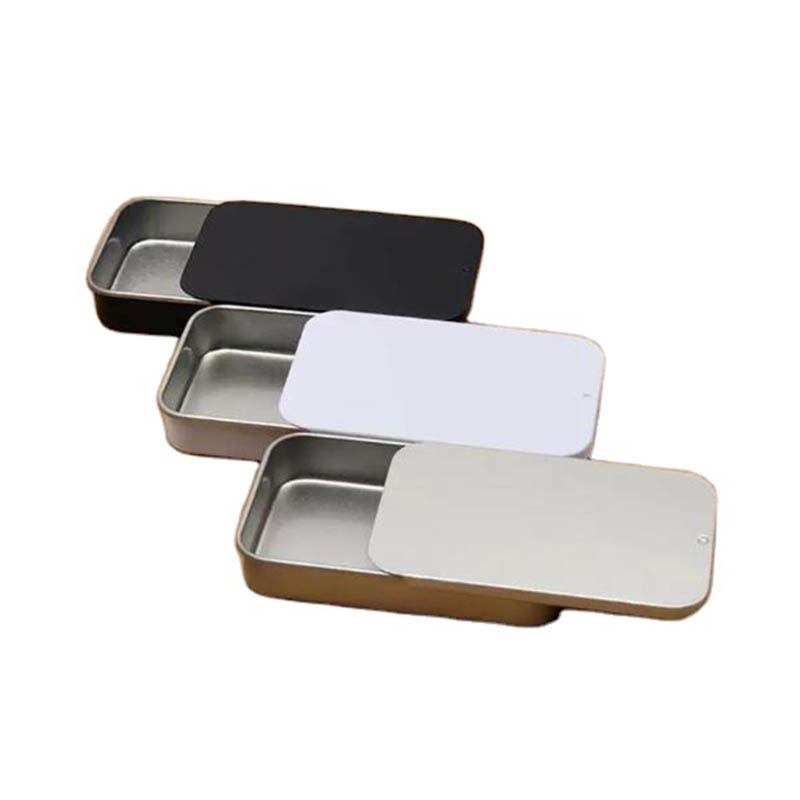
Eine großartige Möglichkeit, Ihr Produkt zu präsentieren und es von der Konkurrenz abzuheben.Robust und langlebig, bietet hervorragenden Schutz für Ihre Produkte.Verschiedene Größen und Formen, wodurch sie für ein breites Produktspektrum geeignet sind.Kostengünstig, was sie zu einer erschwinglichen Verpackungslösung macht.Recycelbar, was sie zu einer umweltfreundlichen Verpackungsoption macht.
WEITERLESEN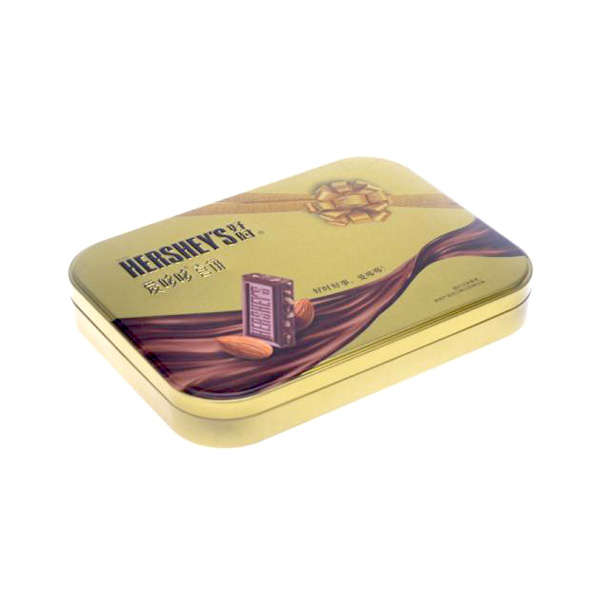
Unsere Optionen für Blechverpackungen decken alle Arten von Verpackungen ab und stellen sicher, dass Sie die beste Lösung erhalten.Durch die ausgefeilten Techniken kann eine effektive Versiegelung und längere Lagerung Ihrer Schokolade erreicht werden.Unser treuer Kundenstamm besteht aus bekannten Marken wie Oreo, Keebler, Chips Ahoy und Pepperidge Farm.Durch die Verwendung von erstklassigem Weißblech ist die Lebensmittelsicherheit Ihrer Verpackung garantiert.Professionelle Pantone- und 4-Farben-Druckmaschinen gewährleisten die hervorragende Präsentation von Blechdosen.
WEITERLESEN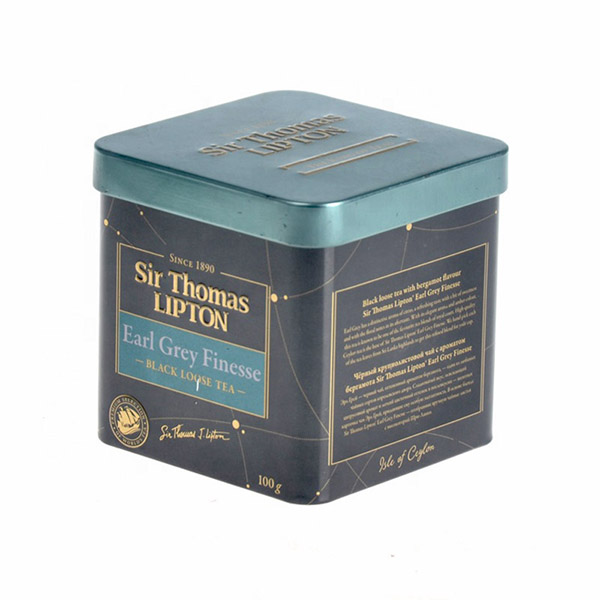
Geprägte Logo-Tee-Kaffee-Metalldose, Größe: 90 * 90 * 90 mm, Es besteht aus Weißblechmaterial mit einer Dicke von 0,23 mm, CMYK-4-Farben- oder Panton-Druck. Wir unterstützen jede Anpassung.
WEITERLESEN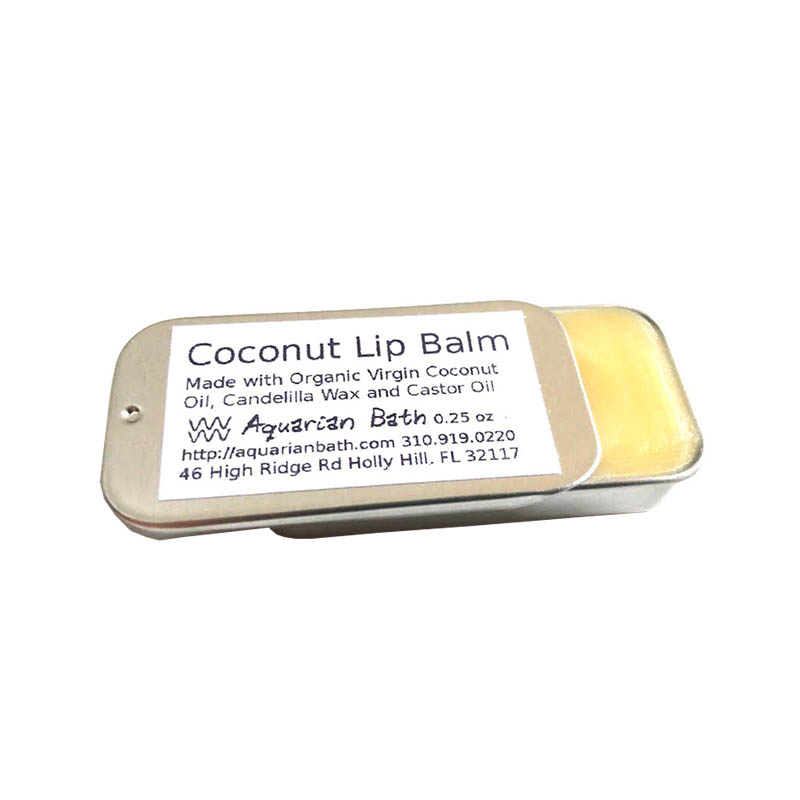
Umweltfreundlich, da sie aus recycelten Materialien hergestellt werden.Anpassbar, sodass Sie Ihrem Produkt ein einzigartiges Aussehen verleihen können.Vielseitig, da sie für verschiedene Zwecke eingesetzt werden können.Ideal für Werbezwecke, da sie mit Logos oder Slogans bedruckt werden können.Kostengünstige Verpackungslösung für Unternehmen.
WEITERLESEN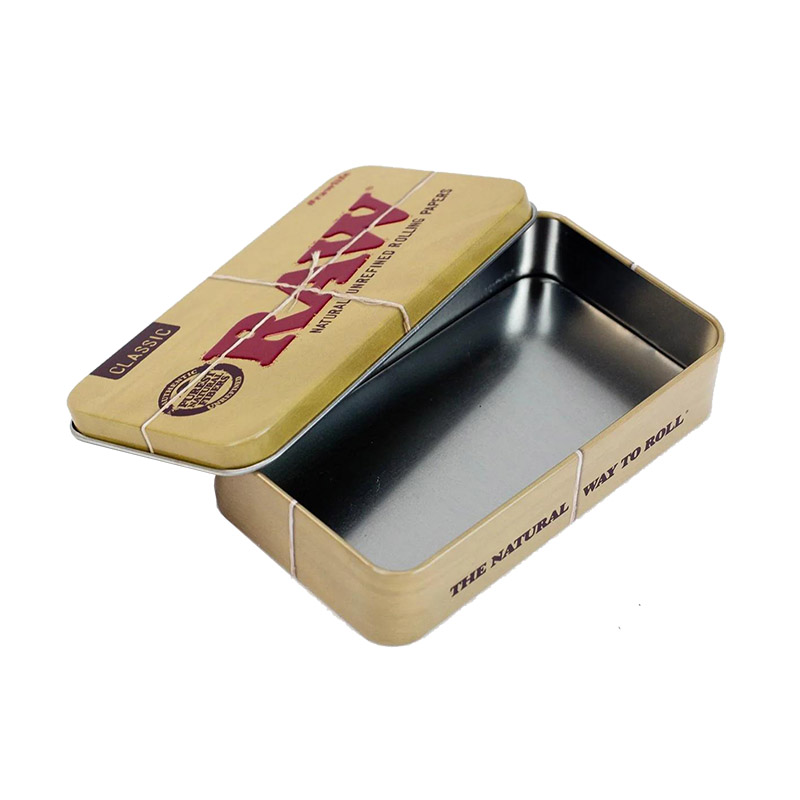
Große Auswahl an Blechverpackungslösungen, die die gesamte Produktpalette abdecken.Modernes Verfahren sorgt für eine gute Versiegelung und lange Lagerzeit.Zu den bekannten Partnern zählen führende Marken wie Mentos, Tic Tac, Altoids.Hochwertiges Weißblechmaterial sorgt dafür, dass die Dose perfekt versiegelt ist.Professionelles Designteam, fortschrittliche Druckausrüstung, perfekte Präsentation.
WEITERLESEN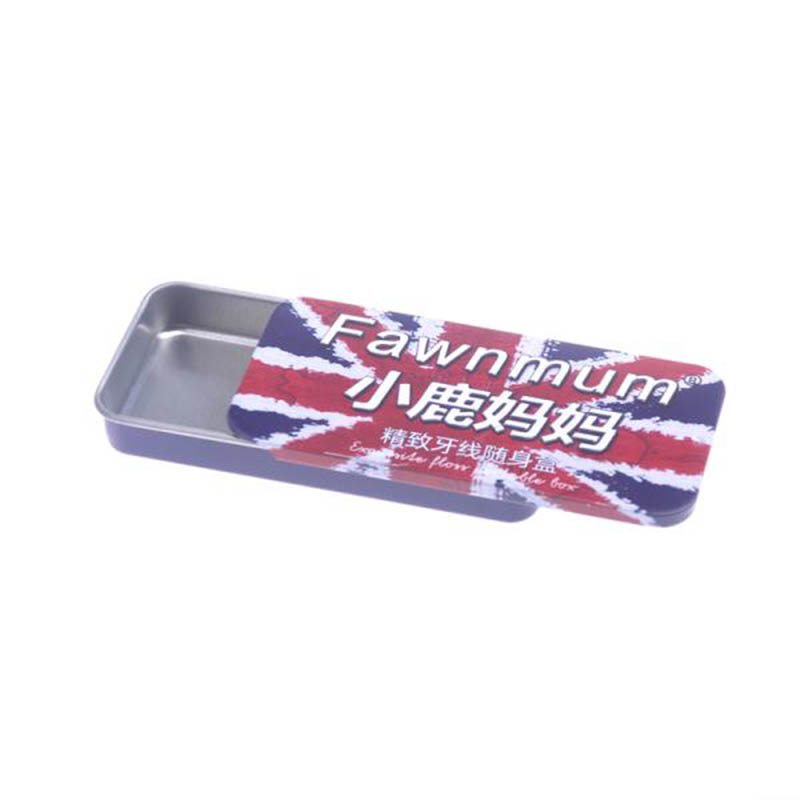
Sorgen Sie für einen luftdichten Verschluss, damit die Minze länger frisch bleibt.Eine Vielzahl von Größen und Stilen macht es einfach, das Modell zu finden, das Ihren Anforderungen entspricht.Hergestellt aus langlebigen Materialien, wodurch sie langlebig und resistent gegen Rost und Korrosion sind.Helfen Sie dabei, den wahrgenommenen Wert Ihrer Minzprodukte zu steigern.Attraktive und auffällige Möglichkeit, Ihre Minzbonbonprodukte in Szene zu setzen.
WEITERLESEN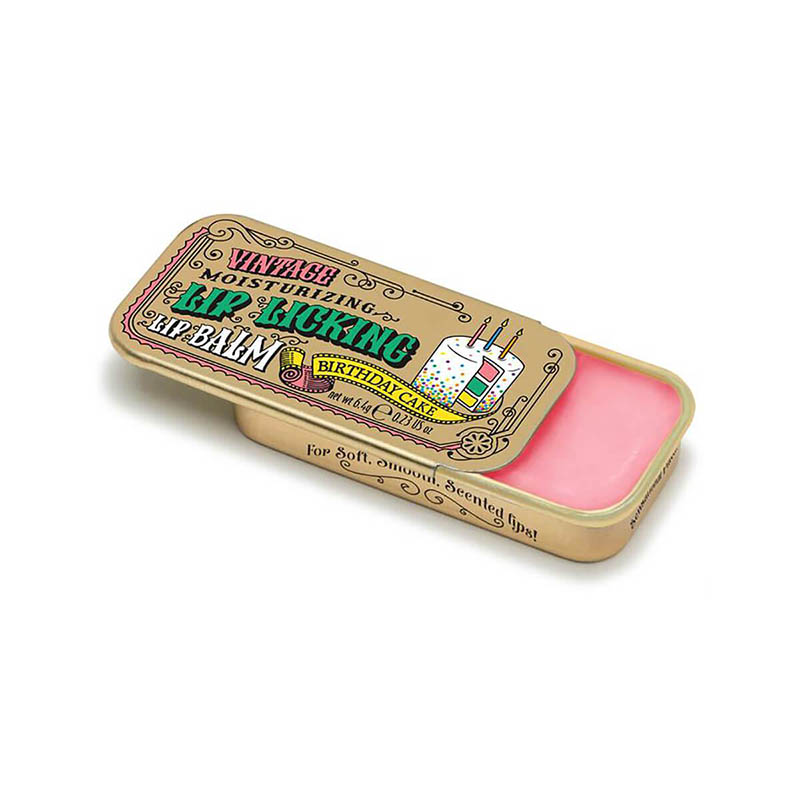
Kann mit Logos, Farben und anderen Branding-Elementen individuell angepasst werden.Kann zur Lagerung von Produkten über einen längeren Zeitraum verwendet werden.Relativ günstig im Vergleich zu anderen Verpackungsarten.Feuchtigkeitsbeständig und daher ideal für die Lagerung von Lebensmitteln.Tolle Möglichkeit, Produkten einen Mehrwert zu verleihen und ein einzigartiges Kundenerlebnis zu schaffen.
WEITERLESEN
Unsere Auswahl an Verpackungsoptionen für Kekse ist so konzipiert, dass sie allen Arten von Verpackungsanforderungen gerecht wird.Mit unseren erfolgreichen Versiegelungstechniken stellen Sie sicher, dass Ihre Geschenke länger frisch und konserviert bleiben.Oreo, Keebler, Chips Ahoy und Pepperidge Farm sind berühmte Keksmarken, die uns die Treue halten.Seien Sie versichert, dass wir der Sicherheit Ihrer Geschenkverpackungen höchste Priorität einräumen, indem wir erstklassiges Weißblech in Lebensmittelqualität verwenden und so ein Höchstmaß an Qualität gewährleisten.Um erstklassige Qualität bei der Präsentation von Blechdosen zu gewährleisten, verwenden wir professionelle Pantone- und 4-Farben-Druckmaschinen.
WEITERLESEN
Robust und vielseitig einsetzbar. Sorgt für einen luftdichten Verschluss und bewahrt den Geschmack und das Aroma des Tees. Vielfältige Auswahl an Größen und Stilen, die die Auswahl eines Modells vereinfachen, das Ihren Anforderungen entspricht. Wird zur Aufbewahrung verschiedener Gegenstände wie Gewürze, Kräuter und lose Teeblätter verwendet. Außergewöhnlich robust und schützt Ihren Tee vor Feuchtigkeit, Licht und Luft.
WEITERLESEN
Luftdichter Verschluss, damit Ihre Minze frisch und aromatisch bleibt.Verschiedene Größen für jede Menge Minze.Personalisiert mit Ihrem eigenen Design oder Logo, was sie zu einer tollen Geschenkoption macht.Hergestellt aus robusten Materialien, die auf Langlebigkeit ausgelegt sind.Entwickelt, um stapelbar und einfach in jedem Schrank oder jeder Speisekammer zu verstauen.
WEITERLESEN
Hergestellt aus robusten, lebensmittelechten Materialien, die auf eine jahrelange Lebensdauer ausgelegt sind.Minzdosen verfügen über einen dicht schließenden Deckel, der dafür sorgt, dass Ihre Minze frisch und aromatisch bleibt.Eine Vielzahl von Stilareh-Designs, die mit Sicherheit beeindrucken werden.Machen Sie tolle Geschenke für jeden Anlass, vom Geburtstag bis zum Feiertag.Dank der großen Auswahl an Größen finden Sie ganz einfach die perfekte Größe für Ihre Bedürfnisse.
WEITERLESEN
Große Auswahl an Blechverpackungslösungen, die die gesamte Produktpalette abdecken.Modernes Verfahren sorgt für eine gute Versiegelung und lange Lagerzeit.Zu den bekannten Partnern zählen führende Marken wie Mentos, Tic Tac, Altoids.Hochwertiges Weißblechmaterial sorgt dafür, dass die Dose perfekt versiegelt ist.Professionelles Designteam, fortschrittliche Druckausrüstung, perfekte Präsentation.
WEITERLESEN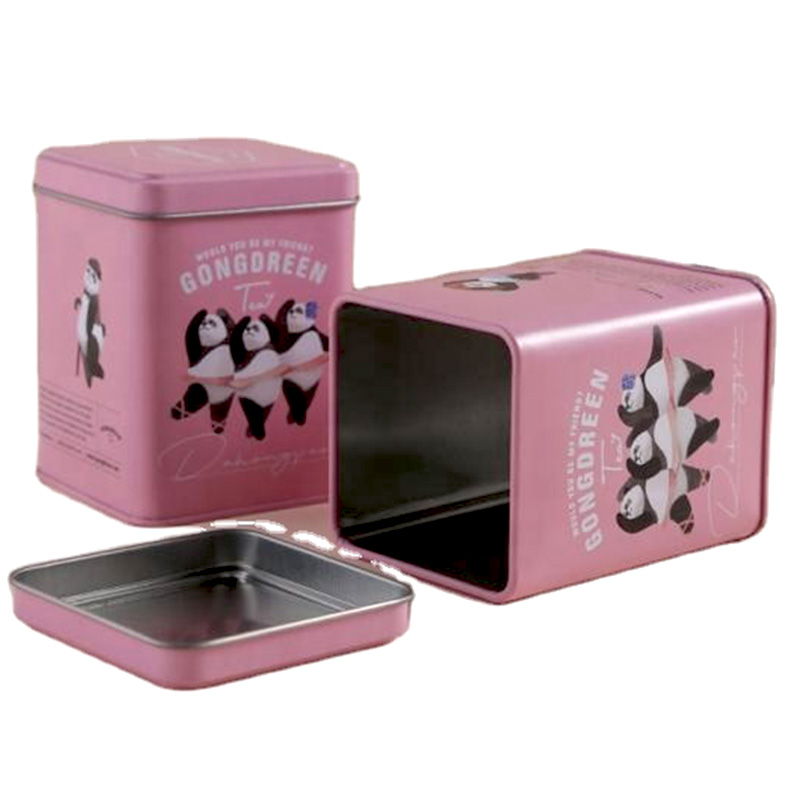
Luftdichter Verschluss, damit der Tee länger frisch bleibt. Bieten Sie umfassende Teeverpackungsdienstleistungen an, vom Design über die Produktion bis hin zur Verpackung und zum Vertrieb. Namhafte Marken, die weltweit Tee verkaufen, sind unsere langjährigen Kunden, wie Twinings, Tetley, Bigelow. Attraktive und auffällige Möglichkeit, Ihre Teeprodukte in Szene zu setzen. Professionelle Pantone- und 4-Farben-Druckgeräte, die satte, lebendige Druckfarben mit einzigartigen Designs erzeugen.
WEITERLESEN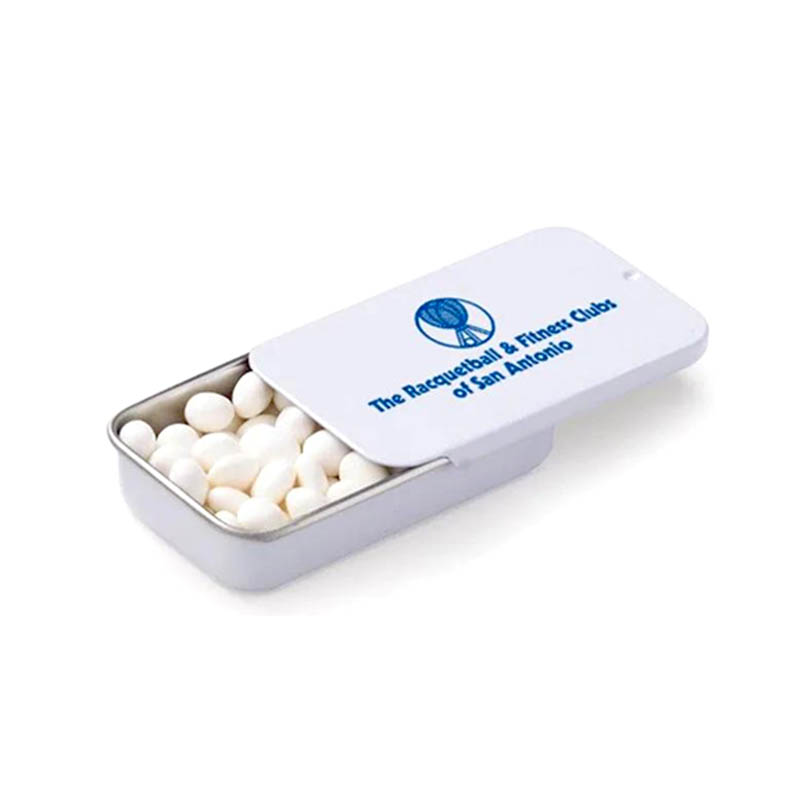
Sie lassen sich leicht auf- und abbauen und eignen sich daher hervorragend für temporäre Aufbewahrungslösungen.Stapelbar, wodurch sie sich hervorragend zur Maximierung des Stauraums eignen.Ideal für die Präsentation von Artikeln in Einzelhandelsgeschäften, da sie leicht geöffnet und geschlossen werden können.Ideal zum Aufbewahren und Organisieren von Dokumenten, da sie sicher und leicht zu beschriften sind.Perfekt zum Verschenken, da sie mit einem Design oder Logo personalisiert werden können.
WEITERLESEN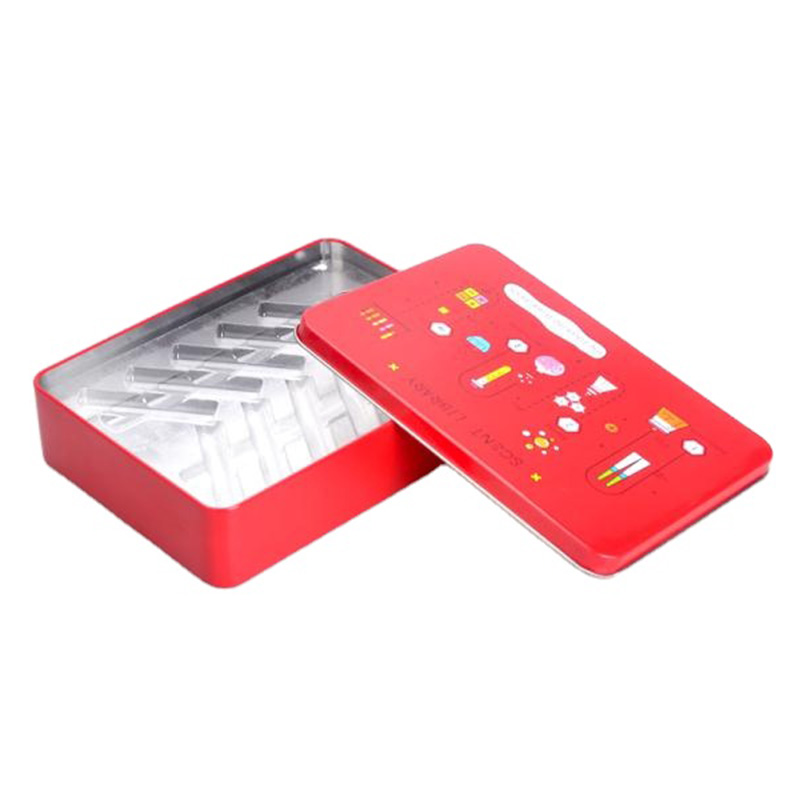
Ganz gleich, welche Art von Verpackung Sie benötigen, wir haben die passenden Verpackungsmöglichkeiten für Kekse.Mit erfolgreichen Versiegelungstechniken können Ihre Cookies über einen längeren Zeitraum gespeichert werden.Oreo, Keebler, Chips Ahoy und Pepperidge Farm sind berühmte Keksmarken, die uns die Treue halten.Die Verwendung von erstklassigem Weißblech in Lebensmittelqualität garantiert die Sicherheit Ihrer Keksverpackung.Professionelle Pantone- und 4-Farben-Druckmaschinen werden verwendet, um die hervorragende Qualität der Präsentationen in Blechdosen zu gewährleisten.
WEITERLESEN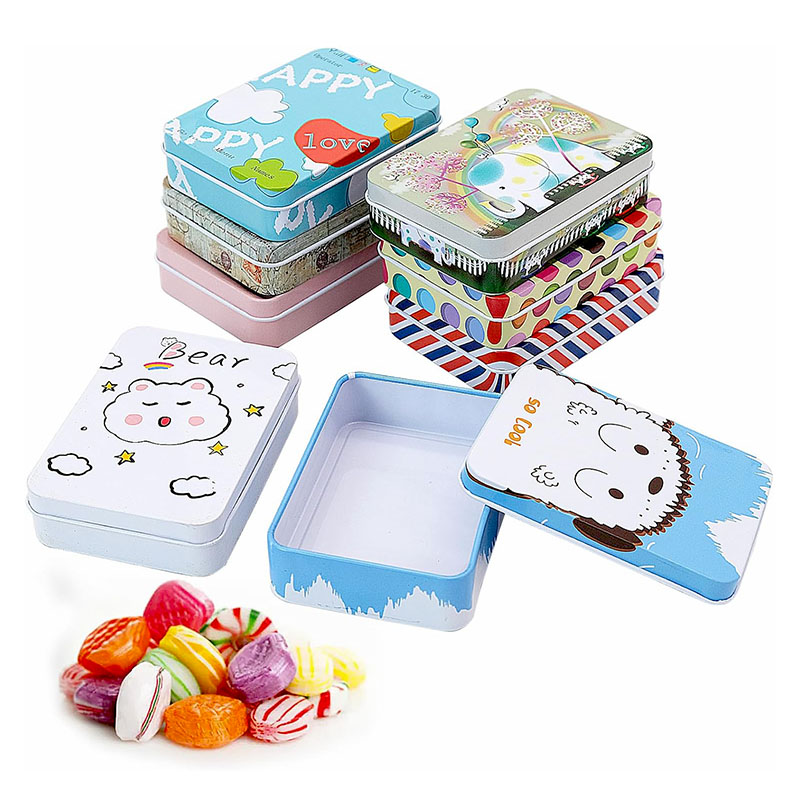
Diese Behälter sind für müheloses Stapeln konzipiert und vereinfachen die Lagerung und Organisation.Diese Behälter sind nicht nur wiederverwendbar, sondern auch vielseitig einsetzbar und dienen sowohl zur Aufbewahrung als auch zur Dekoration.Mit einer Vielzahl von Größen, Farben und Designs können Sie die ideale Lösung für Ihre Anforderungen finden.Das unkomplizierte Flip-Deckel-Design ermöglicht ein einfaches Öffnen und Schließen.Diese aus robustem Weißblech gefertigten Behälter sind so konstruiert, dass sie dem täglichen Gebrauch standhalten.
WEITERLESEN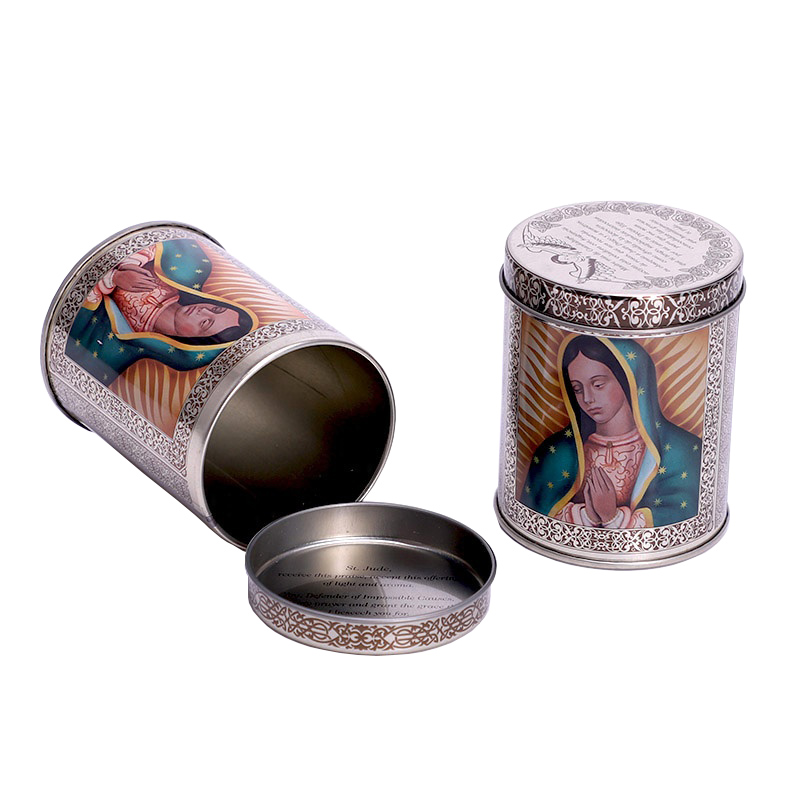
Langlebig und vielseitig für verschiedene Anwendungen.Garantiert einen luftdichten Verschluss und bewahrt den Geschmack und das Aroma des Tees.Erhältlich in einer großen Auswahl an Größen und Stilen, sodass Sie ganz einfach eines finden, das Ihren Anforderungen entspricht.Wird zur Aufbewahrung einer Vielzahl von Artikeln verwendet, darunter Gewürze, Kräuter und lose Teeblätter.Extrem robust und bietet Schutz für Ihren Tee vor Feuchtigkeit, Licht und Luft.
WEITERLESEN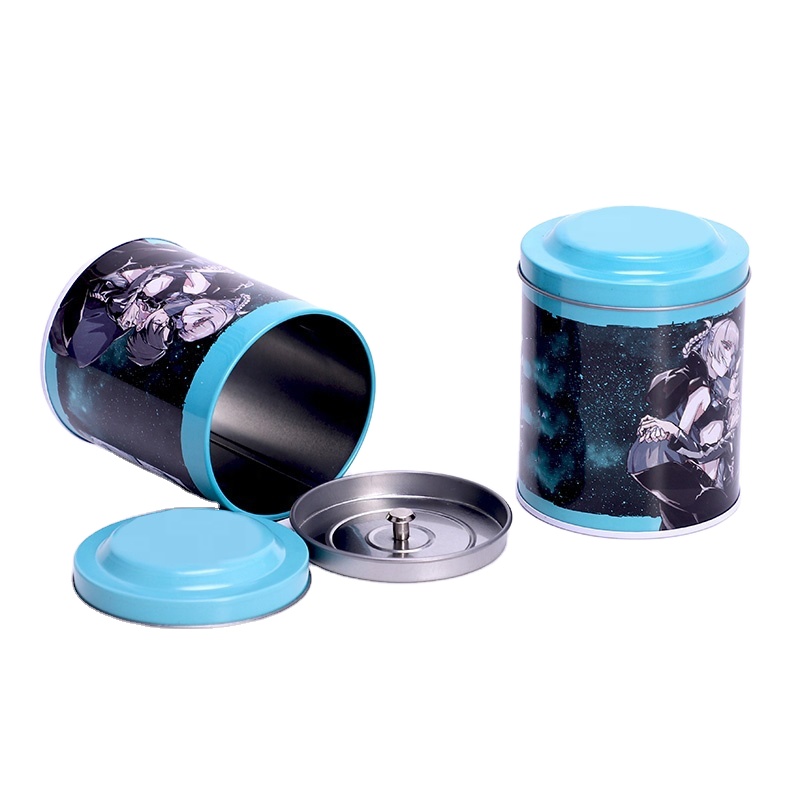
Langlebig und vielseitig für verschiedene Anwendungen.Garantiert einen luftdichten Verschluss und bewahrt den Geschmack und das Aroma des Tees.Erhältlich in einer großen Auswahl an Größen und Stilen, sodass Sie ganz einfach eines finden, das Ihren Anforderungen entspricht.Wird zur Aufbewahrung einer Vielzahl von Artikeln verwendet, darunter Gewürze, Kräuter und lose Teeblätter.Extrem robust und bietet Schutz für Ihren Tee vor Feuchtigkeit, Licht und Luft.
WEITERLESEN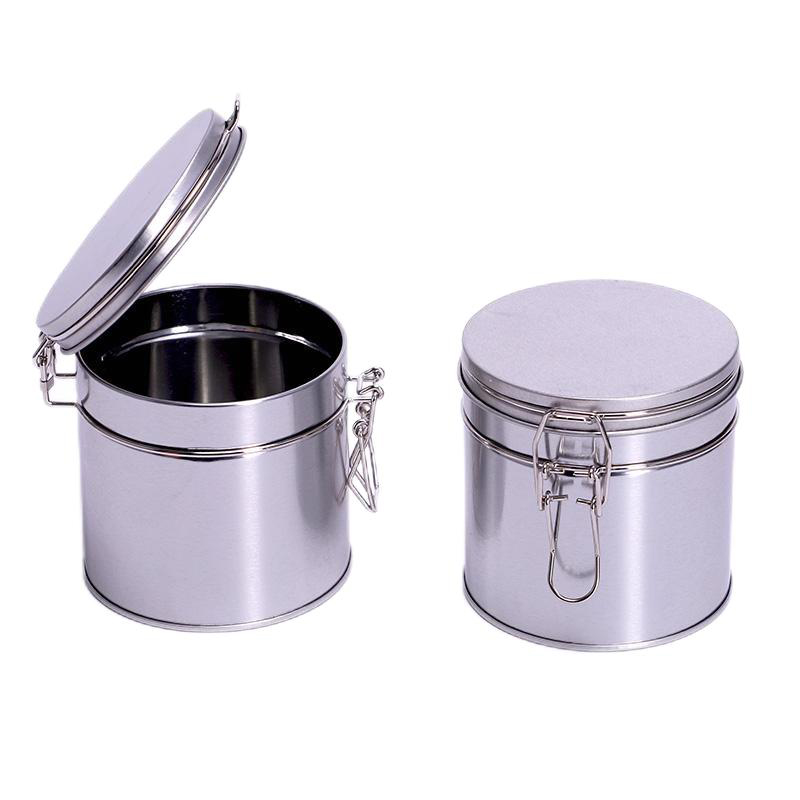
Wählen Sie aus einer Reihe von Verpackungslösungen für Kaffeedosen.Fortschrittliche Prozesse sorgen für eine gute Versiegelung und langfristige Lagerung Ihrer Kaffeebohnen.Lipton, Twinings und Tetley gehören zu den berühmten Teemarken, die unsere treuen Kunden sind.Von der FDA zugelassenes Weißblech in Lebensmittelqualität gewährleistet die absolute Sicherheit Ihrer Kaffeeverpackung.Professionelle Panton- und 4-Farben-Druckanlagen sorgen für eine hochwertige Präsentation der Blechdosen.
WEITERLESEN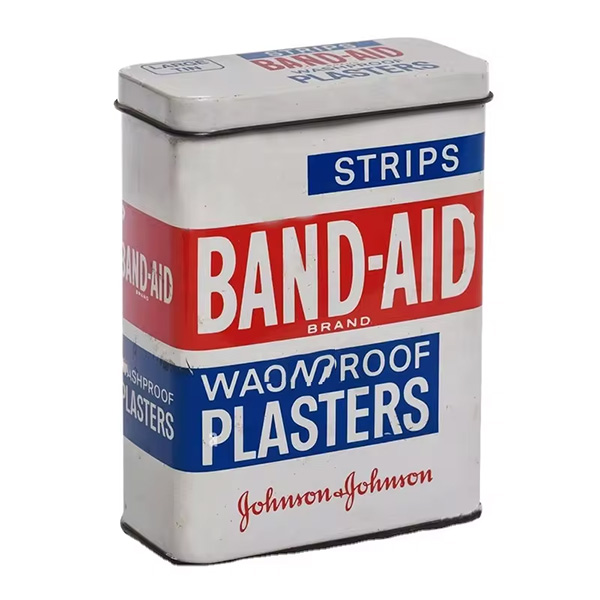
Bieten Sie verschiedene Größen an, um jede Menge Minze und Süßigkeiten aufzubewahren.Luftdichte und versiegelte Struktur, damit Ihre Minze frisch und aromatisch bleibt.Erschwinglich und mit hervorragendem Preis-Leistungs-Verhältnis.Wiederverwertbares Weißblechmaterial, das sie zu einer großartigen umweltfreundlichen Wahl macht.Fortschrittliche Panton-Farbdruckgeräte sorgen für modischere und wertvollere Designs.
WEITERLESEN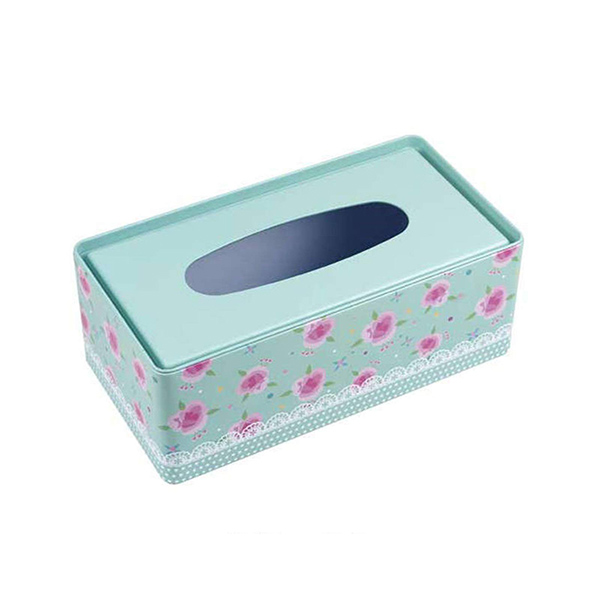
Unsere Auswahl an Verpackungsoptionen für Kekse ist so konzipiert, dass sie allen Arten von Verpackungsanforderungen gerecht wird.Mit unseren erfolgreichen Versiegelungstechniken stellen Sie sicher, dass Ihre Geschenke länger frisch und konserviert bleiben.Oreo, Keebler, Chips Ahoy und Pepperidge Farm sind berühmte Keksmarken, die uns die Treue halten.Seien Sie versichert, dass wir der Sicherheit Ihrer Geschenkverpackungen höchste Priorität einräumen, indem wir erstklassiges Weißblech in Lebensmittelqualität verwenden und so ein Höchstmaß an Qualität gewährleisten.Um erstklassige Qualität bei der Präsentation von Blechdosen zu gewährleisten, verwenden wir professionelle Pantone- und 4-Farben-Druckmaschinen.
WEITERLESEN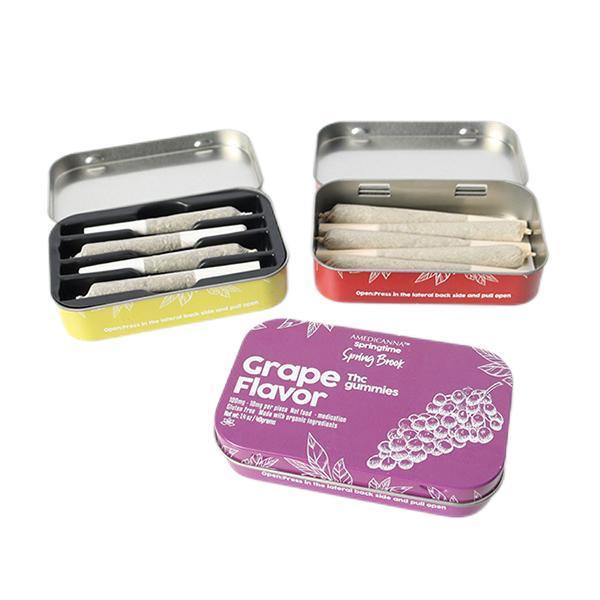
Um die Qualität zu steigern, bieten wir verschiedene Verpackungsmöglichkeiten für Zigaretten an.Zigarettendosen sind eine tolle Möglichkeit, Zigaretten aufzubewahren und länger frisch zu halten.Marlboro, Camel, Winston, diese globalen Marken sind unsere langfristigen Unternehmenspartner.Das lebensmittelechte Weißblechmaterial ist korrosionsbeständig und sorgt dafür, dass die Zigarette frisch bleibt.Druckgeräte von höchster Qualität, um Ihr Dosenverpackungsdesign perfekt zur Geltung zu bringen.
WEITERLESEN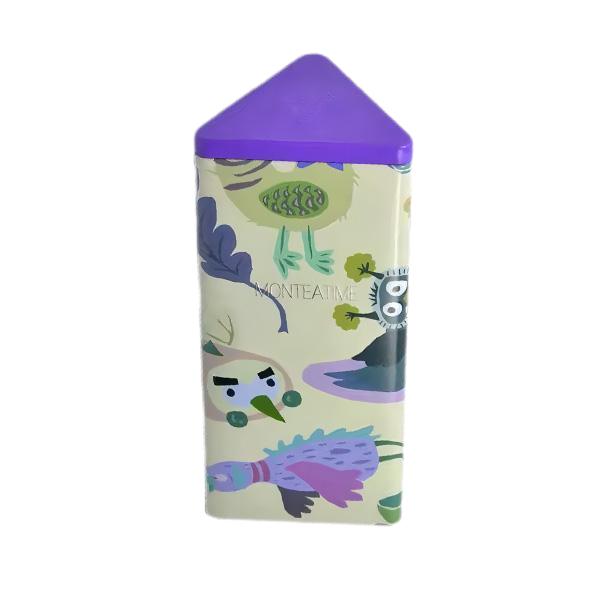
Robust und vielseitig einsetzbar.Sorgt für einen luftdichten Verschluss und bewahrt den Geschmack und das Aroma des Tees.Vielfältige Auswahl an Größen und Stilen, die die Auswahl eines Modells vereinfachen, das Ihren Anforderungen entspricht.Wird zur Aufbewahrung verschiedener Gegenstände wie Gewürze, Kräuter und lose Teeblätter verwendet.Außergewöhnlich robust und schützt Ihren Tee vor Feuchtigkeit, Licht und Luft.
WEITERLESEN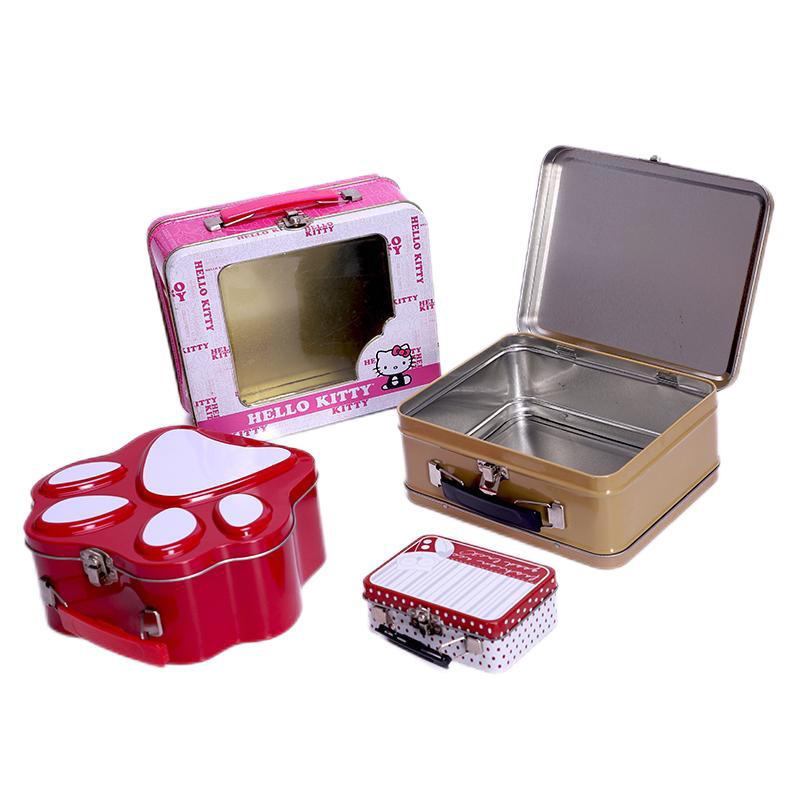
Metallblechdose mit Kunststoffgriff, Größe: 196 * 170 * 80 mm, Es besteht aus Weißblechmaterial mit einer Dicke von 0,23 mm, CMYK-4-Farben- oder Panton-Druck. Wir unterstützen jede Anpassung.
WEITERLESEN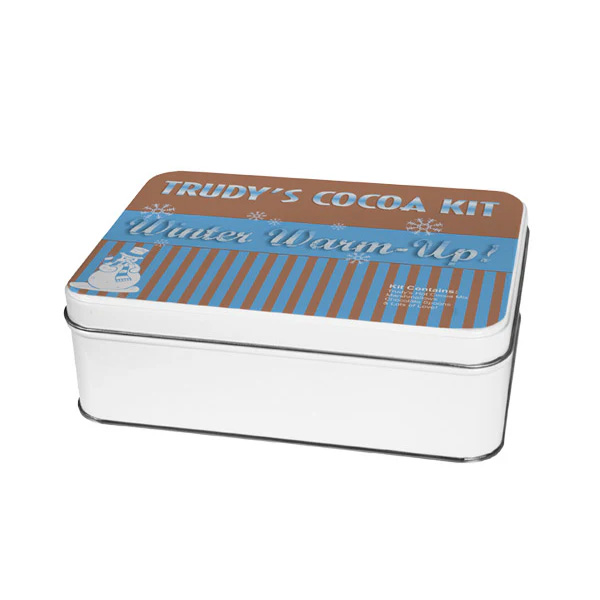
Egal welche Art von Verpackung Sie benötigen, wir haben die perfekte Lösung für Sie.Fortschrittliche Techniken sorgen für eine effektive Versiegelung Ihrer Produkte und ermöglichen so erweiterte Lagermöglichkeiten.Renommierte Lebensmittelmarken wie Oreo, Keebler, Chips Ahoy und Pepperidge Farm gehören zu unseren treuen Kunden.Seien Sie versichert, dass Ihre Produkte in erstklassigem Weißblech verpackt werden, das für den direkten Kontakt mit Lebensmitteln geeignet ist.Professionelle Pantone- und 4-Farben-Druckmaschinen garantieren eine erstklassige Präsentation Ihrer Produkte in Blechdosen.
WEITERLESEN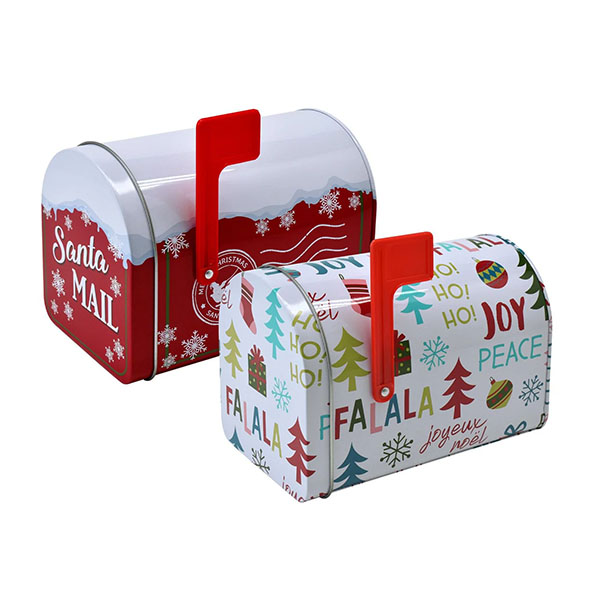
Wir haben genau die richtige Verpackungslösung für Sie, maßgeschneidert auf Ihre Bedürfnisse.Unsere hochmodernen Methoden stellen sicher, dass Ihre Produkte sicher versiegelt sind und eine längere Lagerung ermöglichen.Einige der größten Namen im Lebensmittelbereich, darunter Oreo, Keebler, Chips Ahoy und Pepperidge Farm, vertrauen uns ihr Geschäft an.Sie können sicher sein, dass Ihre Produkte in erstklassigem Weißblech verpackt werden, das sicher für den Kontakt mit Lebensmitteln ist.Modernste Pantone- und 4-Farben-Drucktechnologie sorgen dafür, dass Ihre Blechdosen bei Ihrer Produktpräsentation durch unübertroffene Qualität hervorstechen.
WEITERLESEN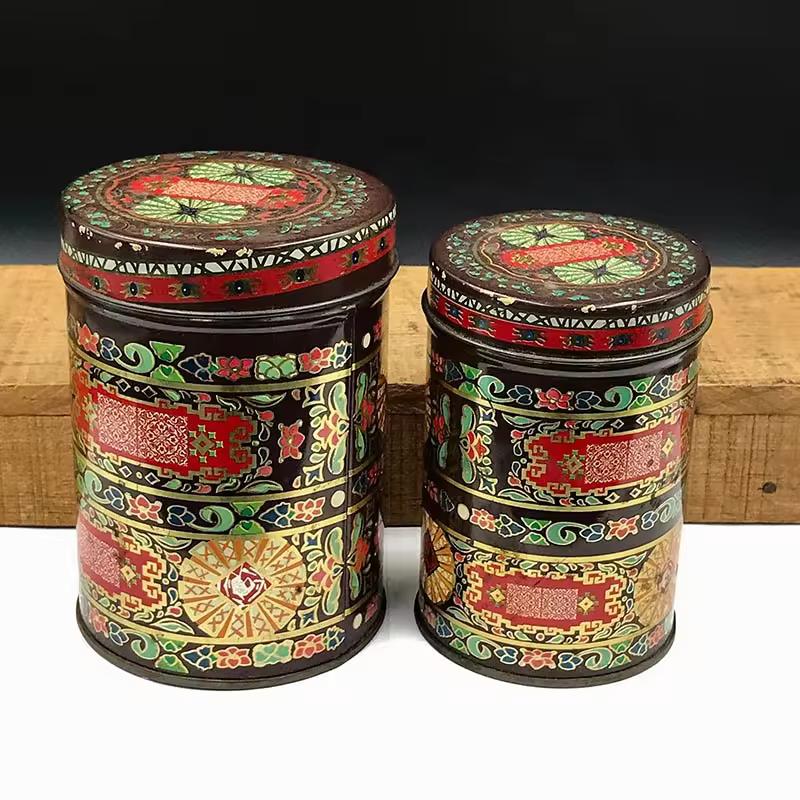
Welche Art von Verpackungslösung für Teedosen Sie auch benötigen, wir bieten die richtige Option für Sie.Durch einen professionelleren Prozess erreicht Ihre Teedose eine hervorragende Versiegelung und eine längere Haltbarkeit.Zu den bekannten Partnern zählen führende Marken wie Lipton, Twinings & Tetley.Die Teebehälter werden aus von der FDA zugelassenem Weißblech in Lebensmittelqualität hergestellt und verfügen über einen geriffelten Deckel, um sicherzustellen, dass der Tee frisch bleibt.Mit einem Team hochqualifizierter Designer und modernster Drucktechnologie sorgen wir für die beste Präsentation von Teeverpackungen in Weißblechdosen.
WEITERLESEN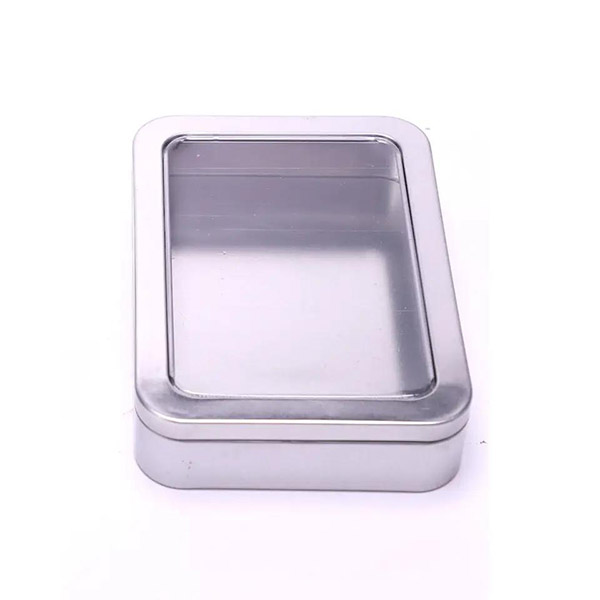
Metalldose mit Fenster, Größe: 127 * 93 * 30 mm, hergestellt aus 0,23 mm dickem Weißblech, CMYK-4-Farben- oder Panton-Druck, wir unterstützen jede Anpassung.
WEITERLESEN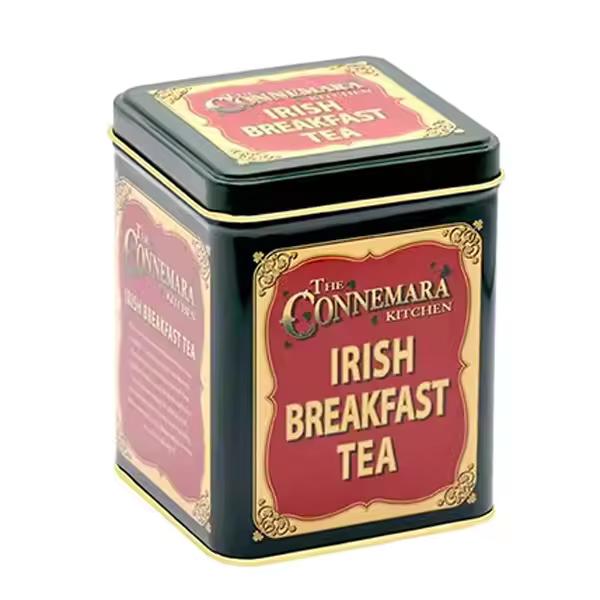
Luftdichter Verschluss, damit der Kaffee länger frisch bleibt.Bieten Sie umfassende Kaffeeverpackungsdienstleistungen an, vom Design über die Produktion bis hin zur Verpackung und zum Vertrieb.Namhafte Marken, die weltweit Kaffee verkaufen, sind unsere langjährigen Kunden, wie Twinings, Tetley, Bigelow.Attraktive und auffällige Möglichkeit, Ihre Kaffeeprodukte in Szene zu setzen.Professionelle Pantone- und 4-Farben-Druckgeräte, die satte, lebendige Druckfarben mit einzigartigen Designs erzeugen.
WEITERLESEN
Große Auswahl an Blechverpackungslösungen, die die gesamte Produktpalette abdecken.Modernes Verfahren sorgt für eine gute Versiegelung und lange Lagerzeit.Zu den bekannten Partnern zählen führende Marken wie Mentos, Tic Tac, Altoids.Hochwertiges Weißblechmaterial sorgt dafür, dass die Dose perfekt versiegelt ist.Professionelles Designteam, fortschrittliche Druckausrüstung, perfekte Präsentation.
WEITERLESEN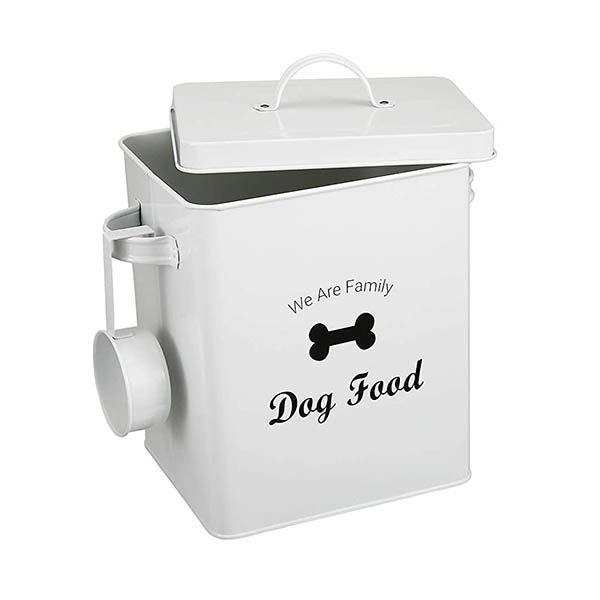
Aufbewahrungsbehälter für Tiernahrung, Größe: 180 * 155 * 230 mm, hergestellt aus 0,35 mm dicker verzinkter Platte, CMYK-4-Farben- oder Panton-Druck, wir unterstützen jede Anpassung.
WEITERLESEN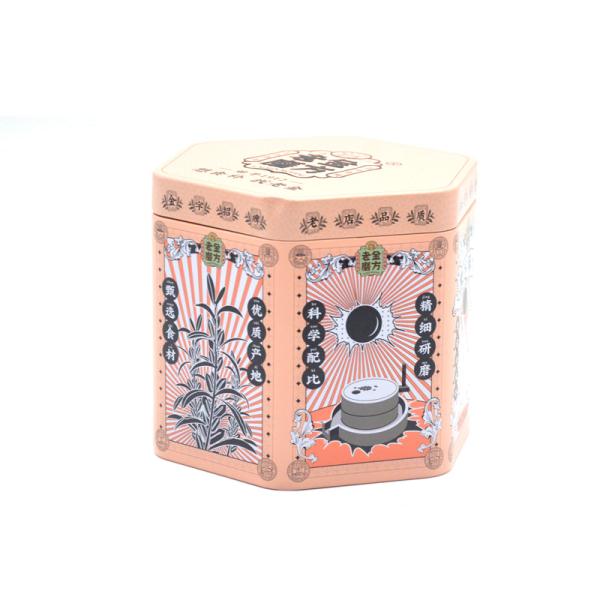
Sechseckige Metalldose, Größe: 110 * 98 * 94 mm, hergestellt aus Weißblech mit einer Dicke von 0,23 mm. CMYK-4-Farben- oder Panton-Druck, wir unterstützen jede Anpassung.
WEITERLESEN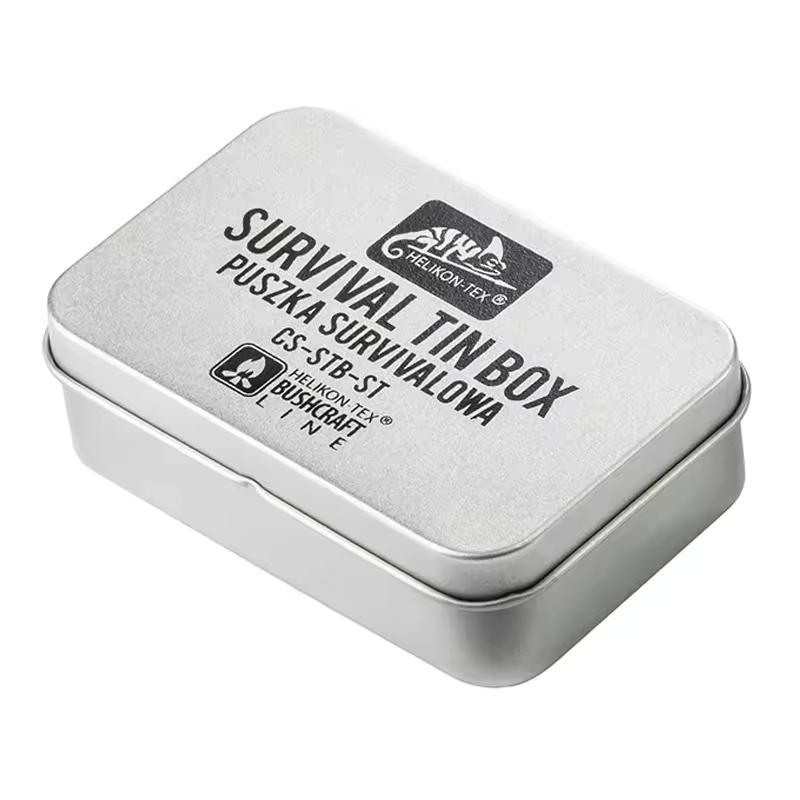
Diese Behälter lassen sich leicht stapeln und machen die Aufbewahrung und Organisation zum Kinderspiel.Diese Behälter sind nicht nur wiederverwendbar, sondern auch vielseitig einsetzbar und dienen sowohl zur Aufbewahrung als auch zur Dekoration.Mit einer Vielzahl von Größen, Farben und Designs finden Sie die perfekte Lösung für Ihre Bedürfnisse.Das einfache Flip-Deckel-Design ermöglicht ein einfaches Öffnen und Schließen.Diese aus robustem Weißblech gefertigten Behälter sind auf Langlebigkeit ausgelegt und halten dem täglichen Gebrauch stand.
WEITERLESEN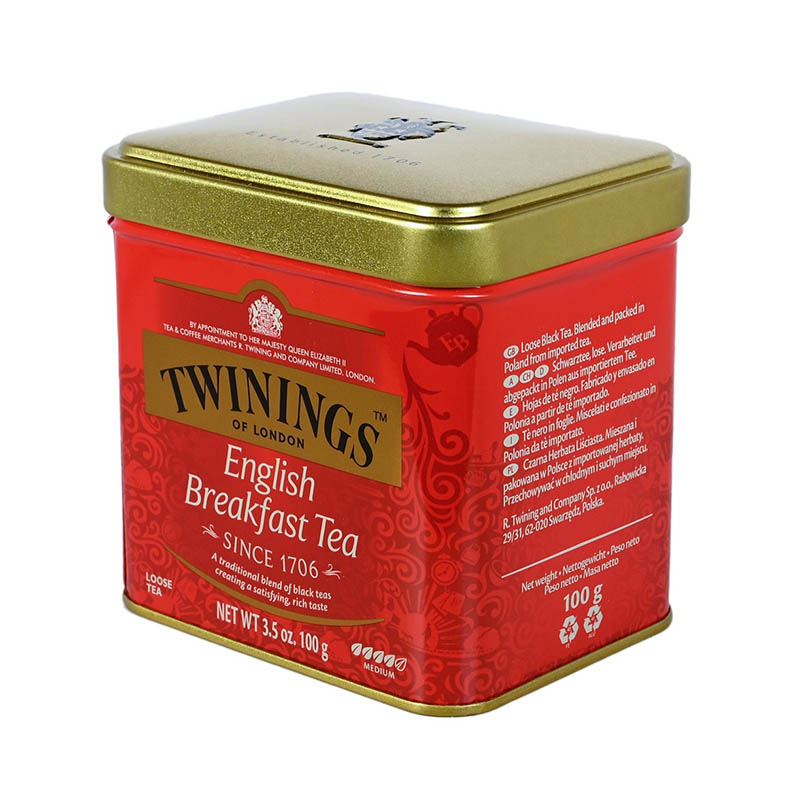
Luftdichter Verschluss, damit der Kaffee länger frisch bleibt.Bieten Sie umfassende Kaffeeverpackungsdienstleistungen an, vom Design über die Produktion bis hin zur Verpackung und zum Vertrieb.Namhafte Marken, die weltweit Kaffee verkaufen, sind unsere langjährigen Kunden, wie Twinings, Tetley, Bigelow.Attraktive und auffällige Möglichkeit, Ihre Kaffeeprodukte in Szene zu setzen.Professionelle Pantone- und 4-Farben-Druckgeräte, die satte, lebendige Druckfarben mit einzigartigen Designs erzeugen.
WEITERLESEN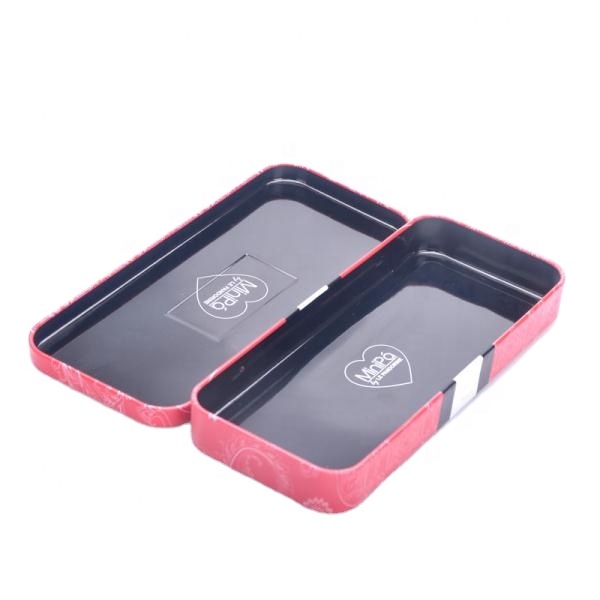
Bleistifthalter aus Metallblech, Größe: 195 * 85 * 25 mm, hergestellt aus 0,23 mm dickem Weißblech, CMYK-4-Farben- oder Panton-Druck, wir unterstützen jede Anpassung.
WEITERLESEN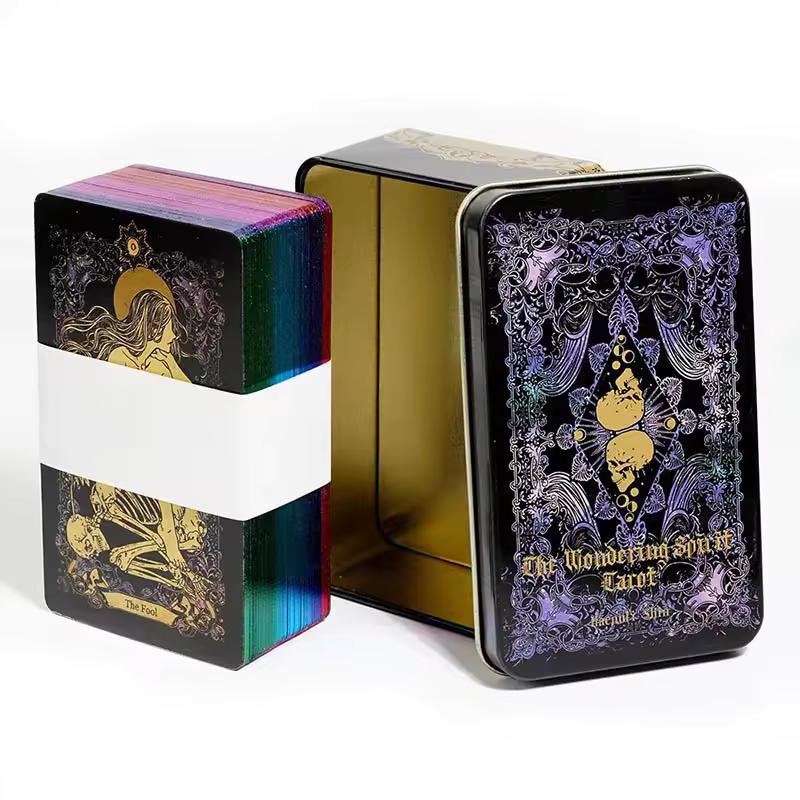
Entdecken Sie eine vielfältige Auswahl an Blechverpackungslösungen, die für eine breite Produktpalette geeignet sind.Unsere modernen Prozesse garantieren eine sichere Versiegelung und lange Lagerzeit.Arbeiten Sie mit bekannten Marken wie Mentos, Tic Tac und Altoids zusammen.Die Verwendung von hochwertigem Weißblechmaterial sorgt für eine einwandfreie Versiegelung Ihrer Weißblechverpackung.Profitieren Sie von einem professionellen Designteam, modernster Druckausrüstung und tadellosen Präsentationsstandards.
WEITERLESEN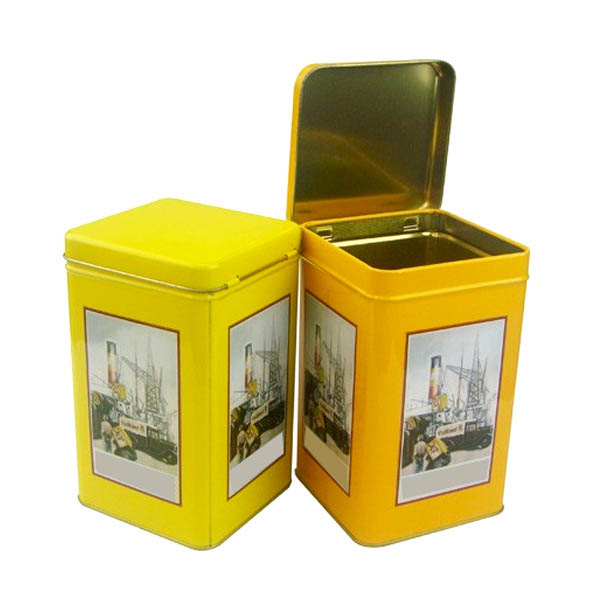
Blechdose aus Metall mit Klappdeckel, Größe: 102*102*170mm, Es besteht aus Weißblechmaterial mit einer Dicke von 0,23 mm, CMYK-4-Farben- und Panton-Druck. Wir unterstützen jede Anpassung.
WEITERLESEN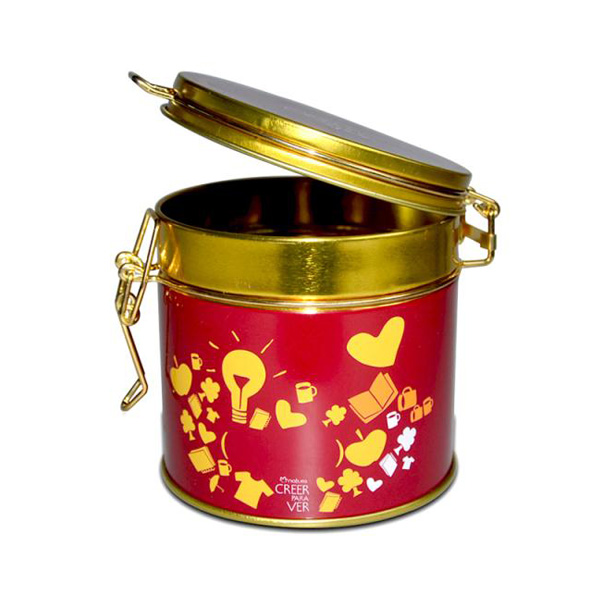
Wählen Sie aus einer Reihe von Verpackungslösungen für Kaffeedosen.Fortschrittliche Prozesse sorgen für eine gute Versiegelung und langfristige Lagerung Ihrer Kaffeebohnen.Lipton, Twinings und Tetley gehören zu den berühmten Teemarken, die unsere treuen Kunden sind.Von der FDA zugelassenes Weißblech in Lebensmittelqualität gewährleistet die absolute Sicherheit Ihrer Kaffeeverpackung.Professionelle Panton- und 4-Farben-Druckanlagen sorgen für eine hochwertige Präsentation der Blechdosen.
WEITERLESEN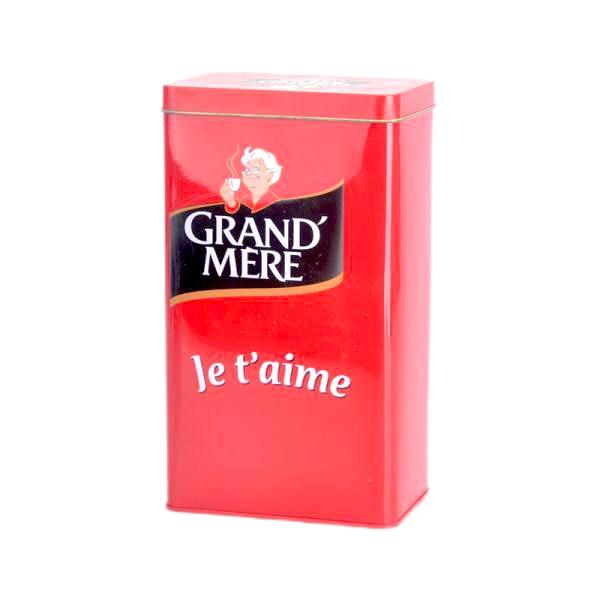
Wir führen eine Reihe von Verpackungslösungen für Teedosen, aus denen Sie wählen können.Ein verbesserter Prozess sorgt für eine wirksame Versiegelung und langfristige Lagerung Ihres Tees.Top-Teemarken wie Lipton, Twinings und Tetley sind unsere treuen Kunden.Die Teeverpackung besteht aus von der FDA zugelassenem Weißblech in Lebensmittelqualität, um maximale Sicherheit zu gewährleisten.Professionelle Druckausrüstung zur perfekten Präsentation Ihres Verpackungsdesigns für Teedosen.
WEITERLESEN
Rechteckige Kaffee-Tee-Blechdose, Größe: 85 * 85 * 150 mm, Es besteht aus Weißblechmaterial mit einer Dicke von 0,23 mm, CMYK-4-Farben- und Panton-Druck. Wir unterstützen jede Anpassung.
WEITERLESEN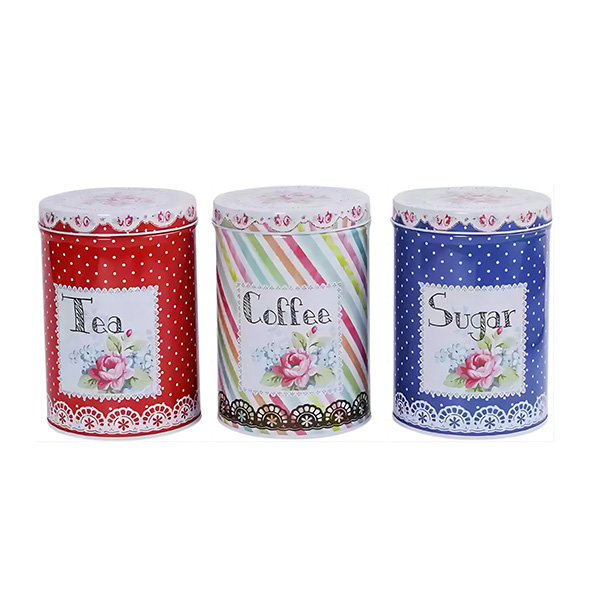
Hergestellt aus Weißblech in Lebensmittelqualität, anpassbar für verschiedene Anwendungen.Robust und vor Feuchtigkeit und Licht geschützt, lange Haltbarkeit des Inhalts.Bietet mehrere Größen und Stile, um Ihren vielfältigen Anforderungen gerecht zu werden.Anpassbar mit Logos und Designs, um Marken- oder individuelle Verpackungsanforderungen zu erfüllen.Wiederverwendbar zur Aufbewahrung oder als Dekorationsartikel, recycelbar und umweltfreundlich.
WEITERLESEN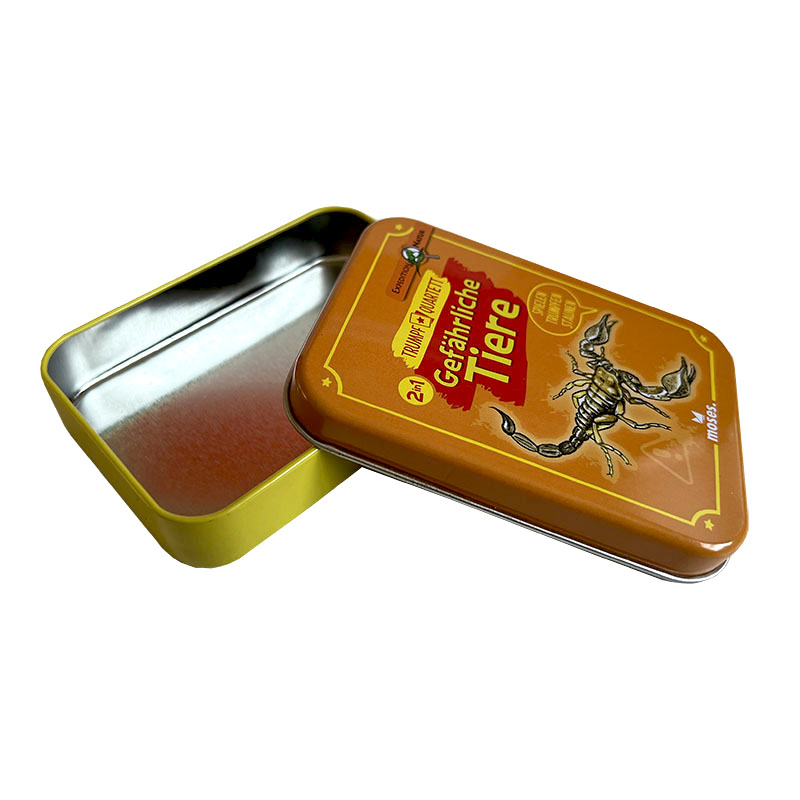
Kleine Blechdose aus Metall, Größe: 95 x 65 x 19 mm, Es besteht aus Weißblechmaterial mit einer Dicke von 0,23 mm, CMYK-4-Farben- und Panton-Druck. Wir unterstützen jede Anpassung.
WEITERLESEN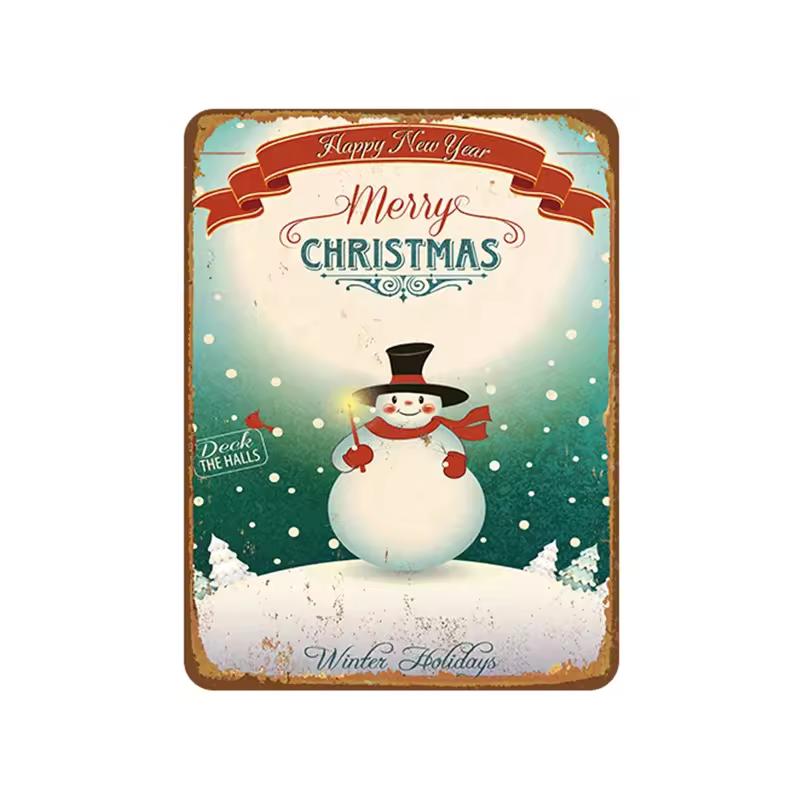
Hergestellt aus Weißblech in Lebensmittelqualität, anpassbar für verschiedene Anwendungen.Robust und vor Feuchtigkeit und Licht geschützt, lange Haltbarkeit des Inhalts.Bietet mehrere Größen und Stile, um Ihren vielfältigen Anforderungen gerecht zu werden.Anpassbar mit Logos und Designs, um Marken- oder individuelle Verpackungsanforderungen zu erfüllen.Wiederverwendbar zur Aufbewahrung oder als Dekorationsartikel, recycelbar und umweltfreundlich.
WEITERLESEN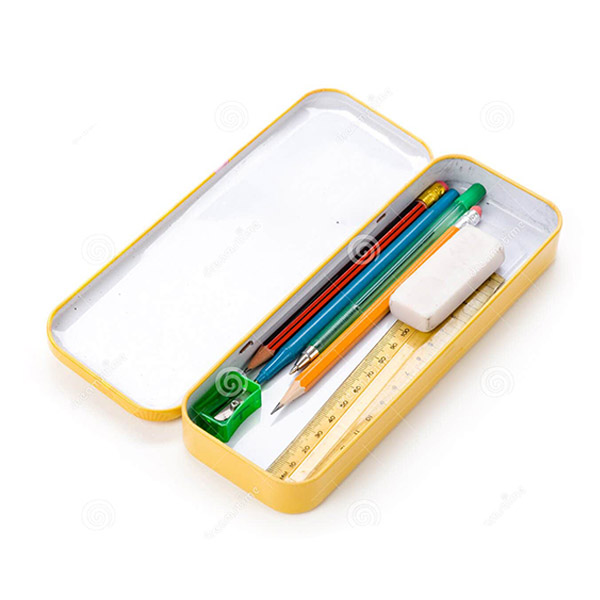
Hergestellt aus robusten Weißblechmaterialien, die ihre Haltbarkeit und Langlebigkeit gewährleisten.Schützen Sie Ihr Briefpapier mit einer sicheren Barriere und bewahren Sie es so vor Beschädigung oder Verlust.Eine große Auswahl an Größen und Stilen, einschließlich Halterungen und Koffern, erfüllt alle Ihre spezifischen Bedürfnisse und Vorlieben.Mit modernster Farbdruckmaschine, die jedem einzelnen Stück eine persönliche und faszinierende Note verleiht.Wir garantieren, dass Sie erstklassige Produkte von außergewöhnlicher Qualität zu einem äußerst wettbewerbsfähigen Preis erhalten.
WEITERLESEN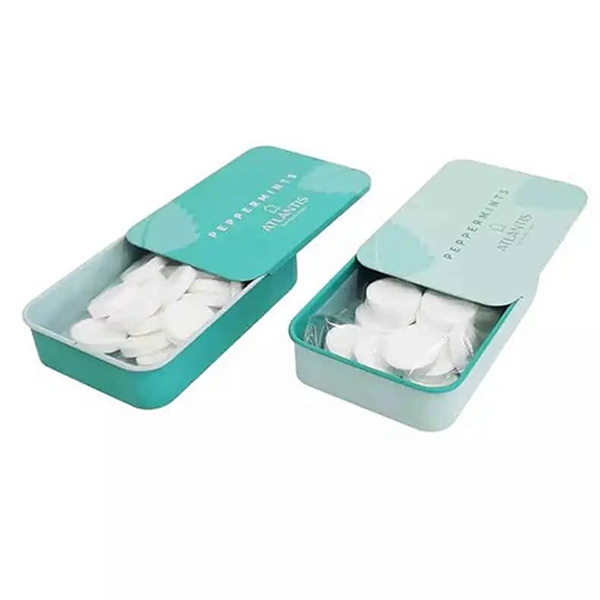
Sie lassen sich leicht auf- und abbauen und eignen sich daher hervorragend für temporäre Aufbewahrungslösungen.Stapelbar, wodurch sie sich hervorragend zur Maximierung des Stauraums eignen.Ideal für die Präsentation von Artikeln in Einzelhandelsgeschäften, da sie leicht geöffnet und geschlossen werden können.Ideal zum Aufbewahren und Organisieren von Dokumenten, da sie sicher und leicht zu beschriften sind.Perfekt zum Verschenken, da sie mit einem Design oder Logo personalisiert werden können.
WEITERLESEN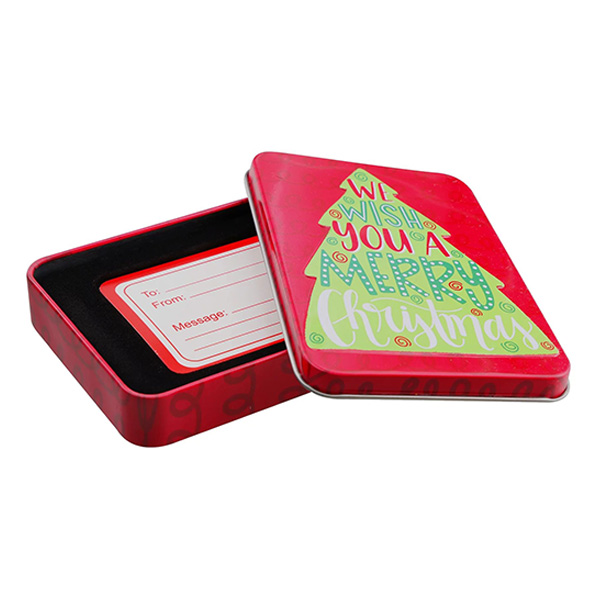
Diese Behälter lassen sich leicht stapeln und machen die Aufbewahrung und Organisation zum Kinderspiel.Diese Behälter sind nicht nur wiederverwendbar, sondern auch vielseitig einsetzbar und dienen sowohl zur Aufbewahrung als auch zur Dekoration.Mit einer Vielzahl von Größen, Farben und Designs finden Sie die perfekte Lösung für Ihre Bedürfnisse.Das einfache Flip-Deckel-Design ermöglicht ein einfaches Öffnen und Schließen.Diese aus robustem Weißblech gefertigten Behälter sind auf Langlebigkeit ausgelegt und halten dem täglichen Gebrauch stand.
WEITERLESEN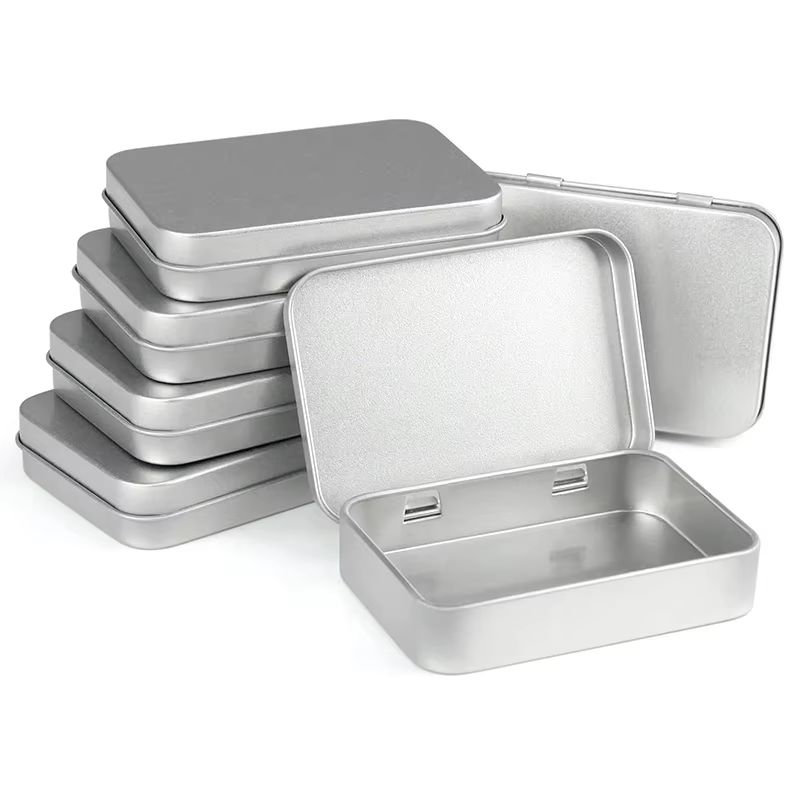
Eine Seifendose bietet eine langlebige, umweltfreundliche Verpackungslösung zur Aufbewahrung und zum Schutz von Seife. Seine robuste Metallkonstruktion sorgt dafür, dass die Seife trocken und intakt bleibt, während sein kompaktes Design ihn perfekt für unterwegs macht. Mit anpassbaren Optionen und verschiedenen Stilen verleiht es Ihrer Körperpflegeroutine eine elegante Note.
WEITERLESEN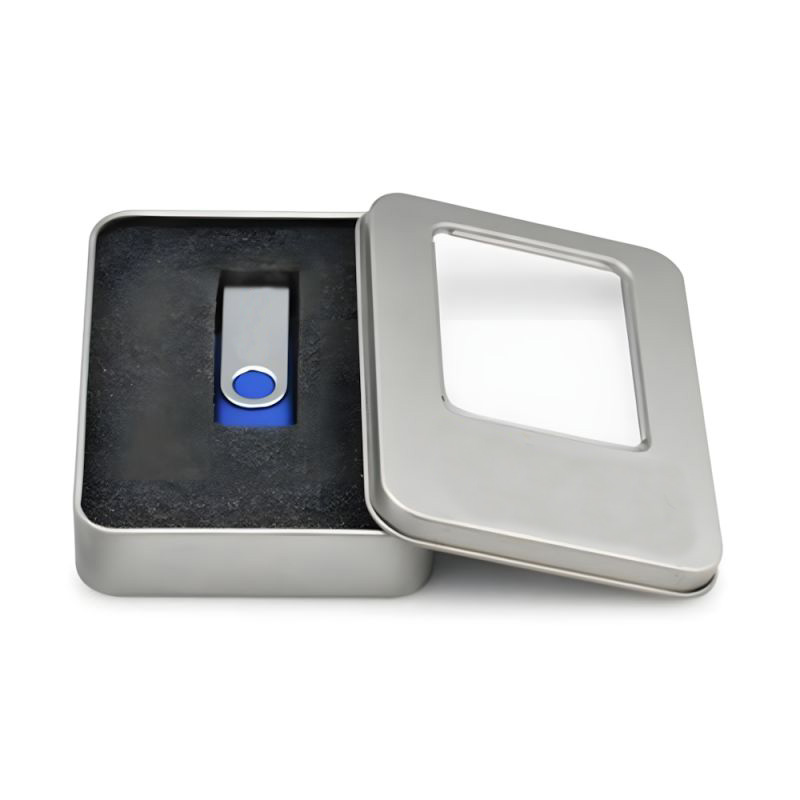
Eine USB-Metalldose ist eine langlebige und elegante Verpackungslösung, die sich perfekt zum Aufbewahren und Schützen Ihrer USB-Laufwerke eignet. Seine robuste Metallkonstruktion schützt den USB vor Beschädigungen und gewährleistet so seine Langlebigkeit und Zuverlässigkeit. Das kompakte Design erleichtert das Tragen und Aufbewahren, egal ob zu Hause oder unterwegs. Die in verschiedenen Stilen und anpassbaren Optionen erhältliche USB-Metalldose verleiht Ihrem technischen Zubehör eine professionelle und stilvolle Note und ist somit eine ausgezeichnete Wahl für den persönlichen und geschäftlichen Gebrauch
WEITERLESEN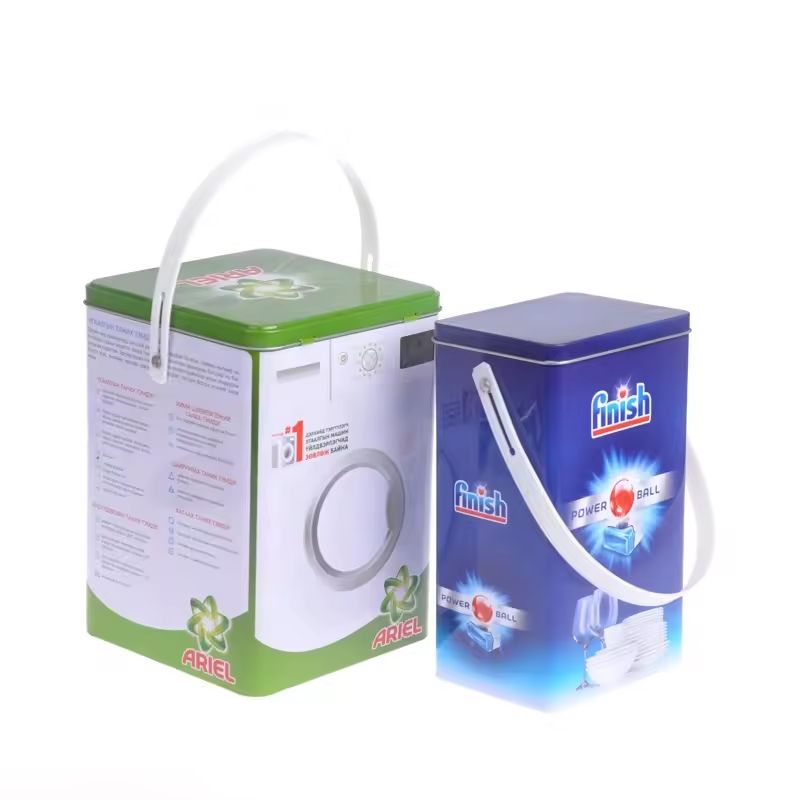
Eine Waschmittel-Dose ist eine langlebige und umweltfreundliche Verpackung, die sich perfekt für die Aufbewahrung und Konservierung von Waschmitteln eignet. Seine robuste Metallkonstruktion hält das Waschmittel trocken und sicher vor Feuchtigkeit und sorgt so für langanhaltende Frische. Das kompakte Design erleichtert die Aufbewahrung und das Reisen. Er ist in verschiedenen Designs mit anpassbaren Optionen erhältlich und verleiht Ihrer Wäscheroutine einen Hauch von Raffinesse.
WEITERLESEN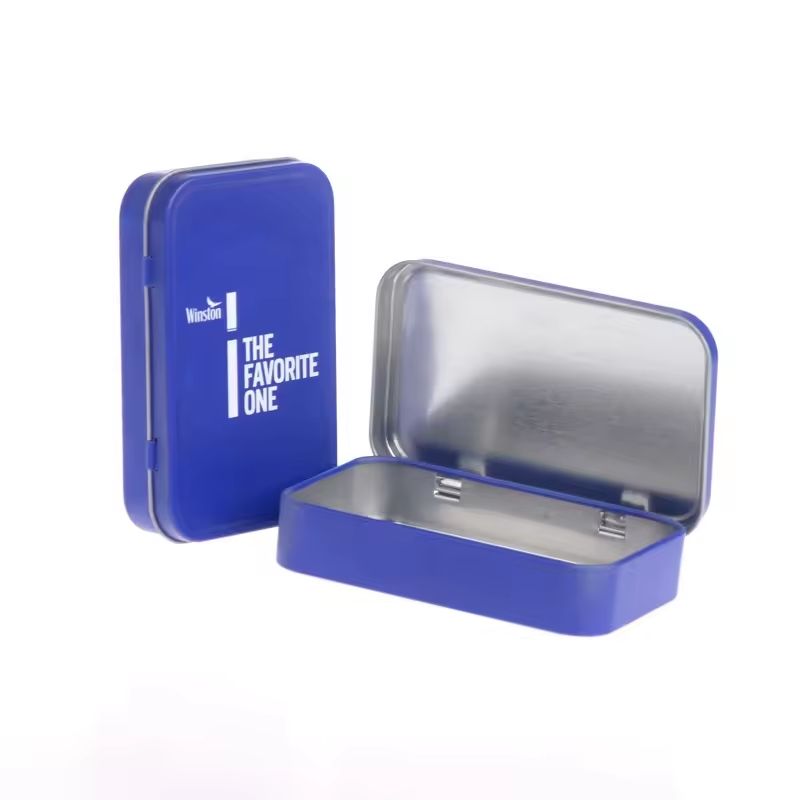
Eine Metalldose für Kondome ist eine diskrete und langlebige Verpackungslösung, ideal für die sichere und unversehrte Aufbewahrung von Kondomen. Seine robuste Metallkonstruktion schützt den Inhalt vor Beschädigungen, während das kompakte Design den Transport erleichtert. Es ist in verschiedenen Stilen und anpassbaren Optionen erhältlich und verleiht Ihren persönlichen Pflegeutensilien einen Hauch von Raffinesse.
WEITERLESEN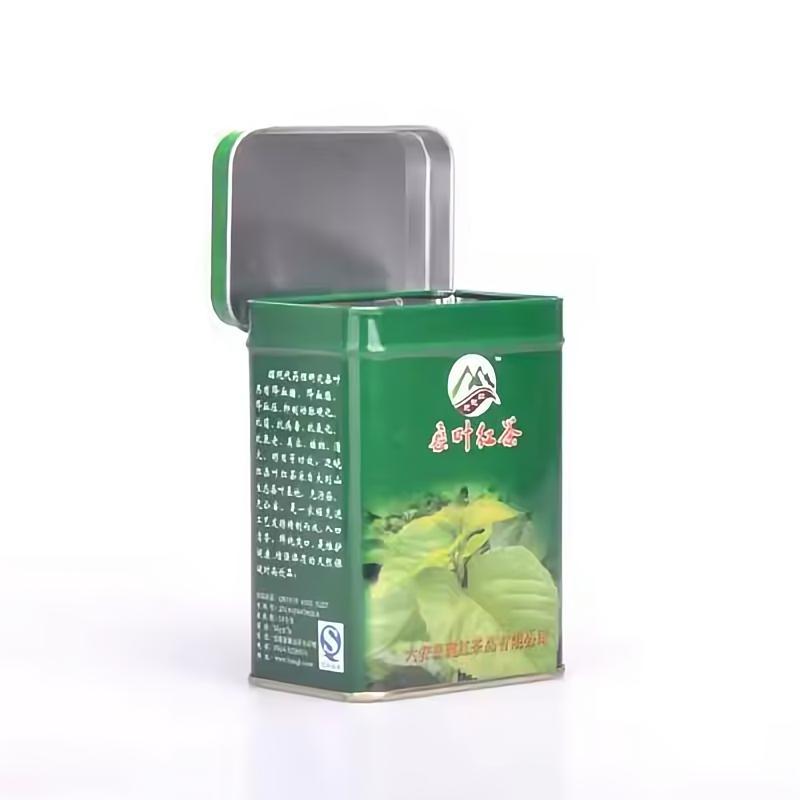
Entdecken Sie unsere Premium-Teedosen, die darauf ausgelegt sind, die Frische und den Geschmack Ihres Tees zu bewahren. Diese hochwertigen Dosen sind in anpassbaren Größen und Designs erhältlich und vereinen Funktionalität mit Eleganz, was sie zur idealen Wahl für Teeliebhaber und Marken macht.
WEITERLESEN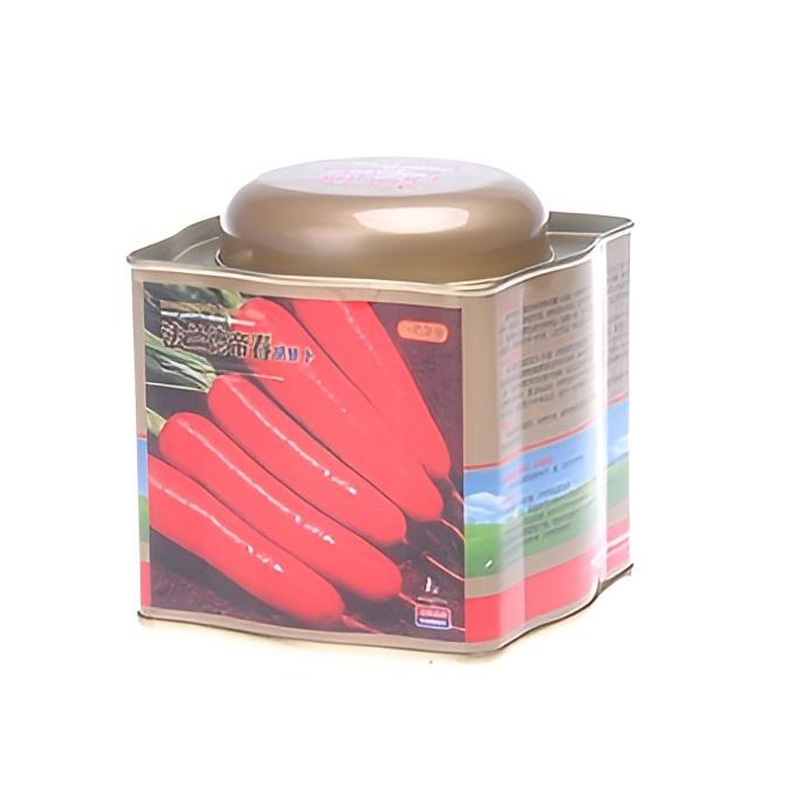
Entdecken Sie unsere Teedose mit Doppeldeckel, die für zusätzlichen Schutz und Frische sorgt. Das Doppeldeckelsystem sorgt für einen luftdichten Verschluss, sodass Ihre Teeblätter optimal aufbewahrt werden. Mit anpassbaren Designs bietet es sowohl erstklassige Qualität als auch einen einzigartigen, stilvollen Look für Teeliebhaber und Marken.
WEITERLESEN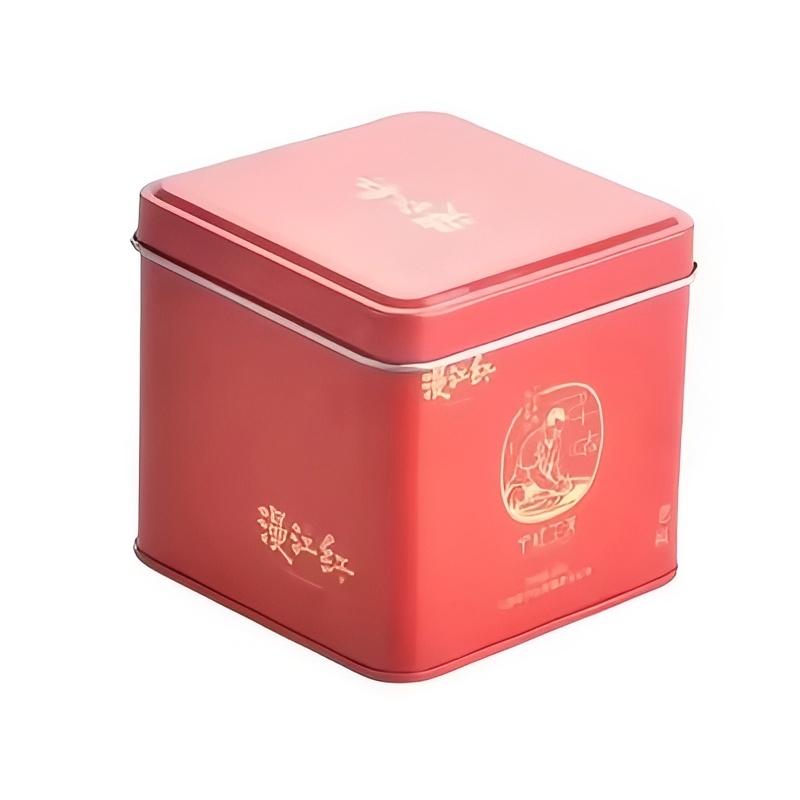
Entdecken Sie unsere Premium-Teedosen, die darauf ausgelegt sind, Frische und Geschmack zu bewahren. Mit anpassbaren Größen und Designs bieten unsere hochwertigen Dosen sowohl Funktionalität als auch Eleganz und sind somit perfekt für Teeliebhaber und Marken gleichermaßen.
WEITERLESEN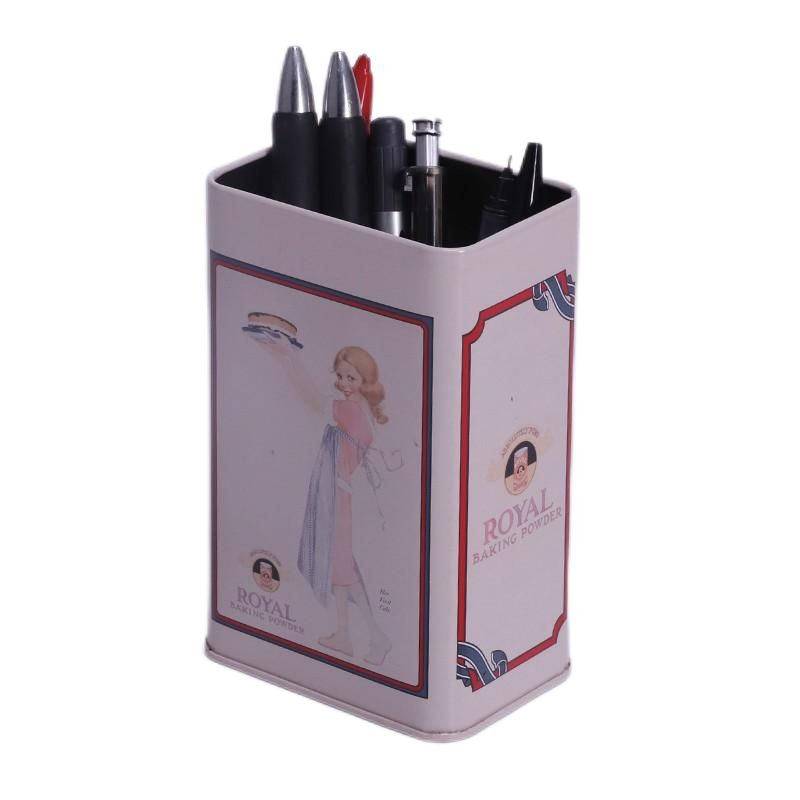
Sorgen Sie mit unserem langlebigen Bleistifthalter aus Blech für Ordnung auf Ihrem Schreibtisch. Dieser sowohl funktional als auch modisch gestaltete Halter eignet sich perfekt zum Organisieren von Stiften, Bleistiften und mehr. Seine robuste Blechkonstruktion sorgt für Langlebigkeit, während seine anpassbaren Optionen es ihm ermöglichen, zu jeder Einrichtung zu passen.
WEITERLESEN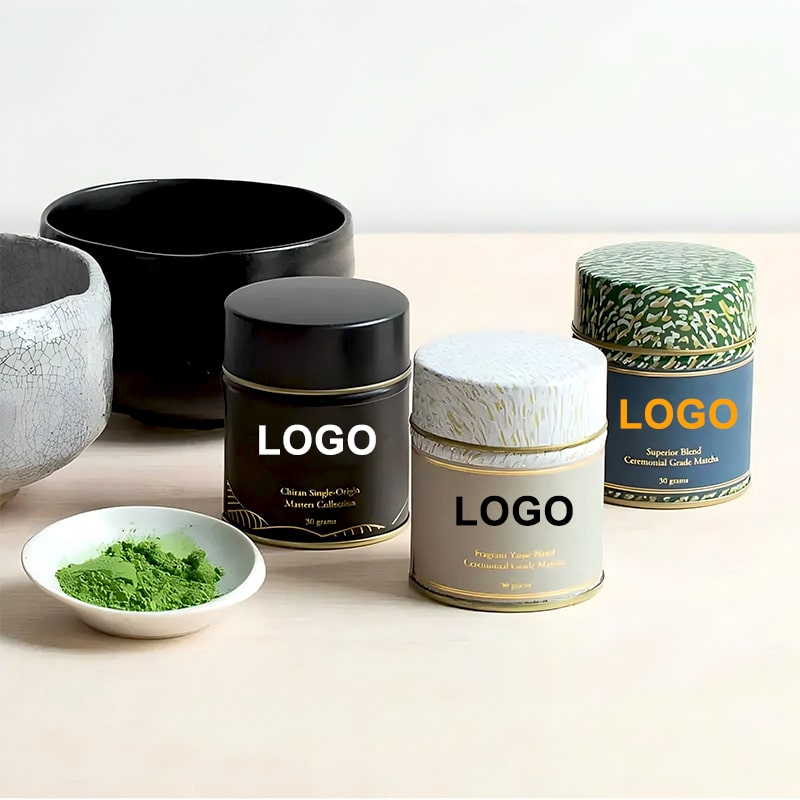
Leicht zu verstauen und stapelbar, was es zu einer großartigen Wahl für Unternehmen mit begrenztem Lagerraum macht.Kostengünstig und daher eine gute Wahl für Unternehmen mit kleinem Budget.Viele langfristige Partnerschaften, darunter Lipton, Twinings und Tetley.Recycelbar, was es zu einer umweltfreundlichen Wahl für Unternehmen macht.Leicht und einfach zu transportieren, daher ideal für den kommerziellen Versand.
WEITERLESEN
Langlebig und hält den Strapazen des Transports und der Handhabung stand.Sicherer, luftdichter Verschluss, der dazu beiträgt, die Frische und den Geschmack des Tees zu bewahren.Verschiedene Größen für jede Menge Tee.Attraktiv und auffällig, was es zu einer großartigen Wahl zum Verschenken macht.Schlanker und moderner Look, der auf jeder Arbeitsplatte großartig aussieht.
WEITERLESEN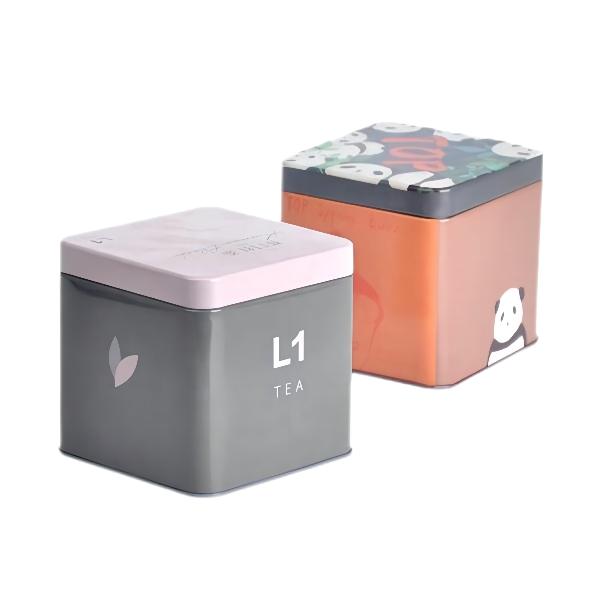
Attraktiv und kann jeder Küche eine dekorative Note verleihen.Eine große Auswahl an Farben und Designs ermöglicht es Ihnen, das Modell auszuwählen, das am besten zu Ihrem Stil passt.Leicht und einfach zu transportieren, daher ideal für Versand und Einzelhandel.Umweltfreundliche Option, da sie recycelt oder einer anderen Verwendung zugeführt werden können.Professionelle Druckgeräte unterstützen Sie individuell mit Ihrem Markenlogo oder Design.
WEITERLESEN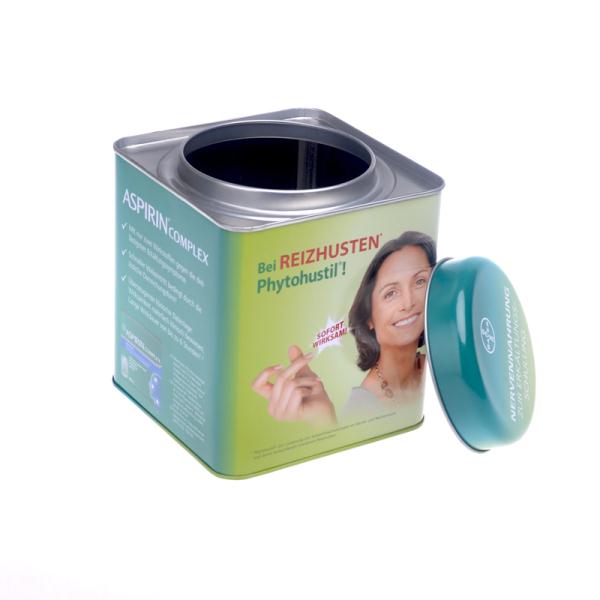
Luftdichter Verschluss, damit Ihr Tee frisch und aromatisch bleibt. Verschiedene Größen für jede Menge Tee. und Kaffee. Wiederverwendet, damit Sie Ihren Lieblingstee immer wieder genießen können. Ideal zum Verschenken, da sie mit Etiketten oder Aufklebern personalisiert werden können. Halten Sie Teebeutel organisiert und leicht zugänglich.
WEITERLESEN
Wir bieten Ihnen eine Vielzahl an Verpackungslösungen für Teedosen zur Auswahl.Fortschrittliche Prozesse können Ihrem Tee eine gute Versiegelung und eine lange Lagerung ermöglichen.Lipton, Twinings und Tetley, diese berühmten Teemarken sind unsere treuen Kunden.Von der FDA zugelassenes Weißblech in Lebensmittelqualität kann die absolute Sicherheit Ihrer Teeverpackung gewährleisten.Professionelle Panton- und 4-Farben-Druckanlagen sorgen für eine hochwertige Präsentation der Blechdosen.
WEITERLESEN
Recycelbares Weißblech macht sie zu einer großartigen umweltfreundlichen Wahl.Ideal zum Verschenken, da sie mit Etiketten oder Aufklebern personalisiert werden können.Eine Vielzahl von Farben und Designs, die sie attraktiv und dekorativ machen.Die hochgradig luftdichte und versiegelte Struktur unterstützt die Lagerung von losem Tee und schützt ihn vor Feuchtigkeit und Luft.Anpassbare Logos und Designs, die eine attraktive Möglichkeit bieten, Tee aufzubewahren und zu genießen.
WEITERLESEN
Mit Ihrem eigenen Design oder Logo individuell gestaltete Stützen, damit Sie sie einzigartig machen können.Verschiedene Größen, sodass Sie ganz einfach die passende Größe für Ihre Anforderungen finden.Langfristige Zusammenarbeit mit bekannten Marken wie Lipton, Twinings und Tetley.Weißblech mit Lebensmittelqualität, das die Sicherheit Ihres Tees und Kaffees gewährleistet.Präziser technischer Drucksupport, angepasst an Ihr eigenes Design oder Logo, was sie einzigartig machen kann.
WEITERLESEN
Langlebig und hält den Strapazen des Transports und der Handhabung stand.Attraktiv und auffällig, was es zu einer großartigen Wahl zum Verschenken macht.Kostengünstig und kann Ihnen helfen, Kosten zu sparen.Hergestellt aus robusten, lebensmittelechten Materialien, die auf eine jahrelange Lebensdauer ausgelegt sind.Zahlreiche Stilareh-Designs, die mit Sicherheit beeindrucken werden.
WEITERLESEN
Hergestellt aus umweltfreundlichen Materialien, die besser für die Umwelt sind.Personalisiert mit Ihrem eigenen Design oder Logo, was sie einzigartig machen kann.Hergestellt aus robusten, lebensmittelechten Materialien, die auf eine jahrelange Lebensdauer ausgelegt sind.Der dicht schließende Deckel sorgt dafür, dass Ihr Tee frisch und aromatisch bleibt.Verschiedene Größen, sodass Sie die perfekte Größe für Ihre Bedürfnisse finden.
WEITERLESEN
Langlebige Materialien, die Ihren Tee länger frisch und aromatisch halten.Bieten Sie umfassende Teeverpackungsdienstleistungen an, vom Design über die Produktion bis hin zur Verpackung und zum Vertrieb.Namhafte Marken, die weltweit Tee verkaufen, sind unsere langjährigen Kunden, wie Twinings, Tetley, Bigelow.Der dicht schließende Deckel hält die Luft draußen und sorgt dafür, dass Ihr Tee großartig schmeckt.Verschiedene Größen für jede Menge Tee.
WEITERLESEN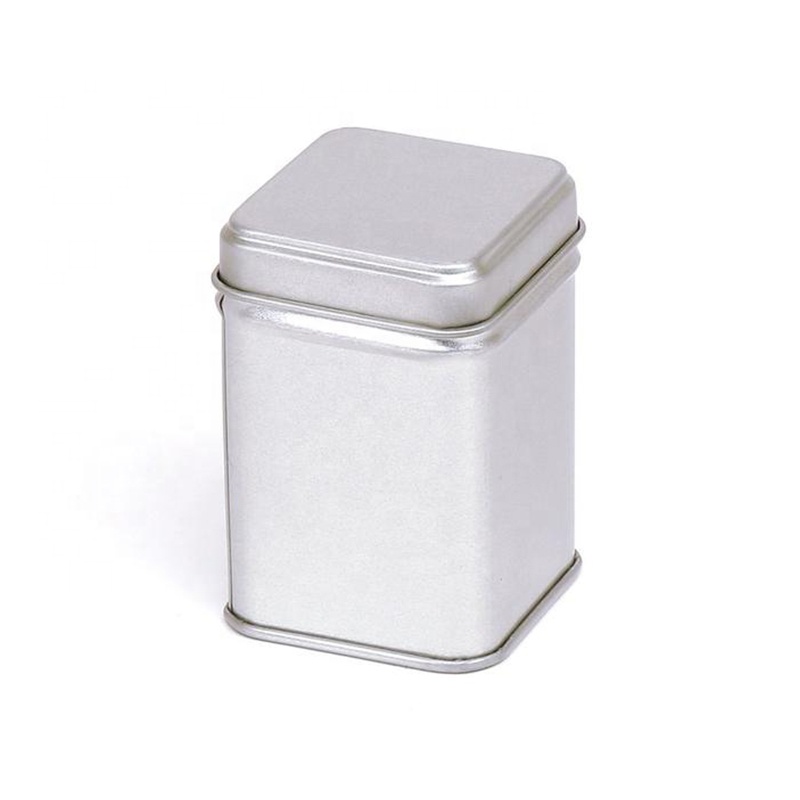
Das Unternehmen verfügt über mehr als 1.000 Sätze Teedosenformen in verschiedenen Größen und Formen und bietet eine Reihe von VerpackungslösungenHelfen Sie dabei, den Umsatz zu steigern und Ihren Teeprodukten ein professionelleres Aussehen zu verleihen.Lipton, Twinings und Tetley, bekannte Teemarken, bleiben unsere treuen Kunden.Teedosen bestehen aus von der FDA zugelassenem Weißblech in Lebensmittelqualität mit geriffelten Deckeln, um sicherzustellen, dass der Tee frisch bleibt.Mit professioneller Pantone- und 4-Farben-Druckausrüstung bleibt das Design der Teedose lange leuchtend und farbecht.
WEITERLESEN
Wir sind seit über 15 Jahren auf die Herstellung von Blechdosen spezialisiert und bieten eine Vielzahl von Blechdosen-Verpackungslösungen für Ihren Tee an.Der Einsatz einer professionellen Teeverpackungslösung kann dazu beitragen, den Umsatz anzukurbeln und Ihren Teeprodukten ein eleganteres Aussehen zu verleihen.Wir arbeiten langfristige Beziehungen mit führenden Marken wie Lipton, Twinings und Tetley.Von der FDA zugelassenes Weißblech in Lebensmittelqualität ist ungiftig, geruchlos und feuchtigkeitsbeständig und somit die ideale Wahl für die Aufbewahrung von Teeblättern.Entwickelt für die Wiederverwendung, damit Sie Ihren Lieblingstee immer wieder genießen können.
WEITERLESEN
Teedosen sind in verschiedenen Größen erhältlich, sodass Sie die perfekte Größe für Ihre Bedürfnisse finden können.Die Bereitstellung einer Teeverpackungslösung trägt dazu bei, den Umsatz zu steigern und Ihren Teeprodukten ein professionelleres Aussehen zu verleihen.Dauerhafte Partnerschaften mit renommierten Teeunternehmen auf der ganzen Welt, wie Lipton, Twinings und Tetley.Von der FDA zugelassenes Weißblech in Lebensmittelqualität, ungiftig, geruchlos und feuchtigkeitsbeständig, die beste Wahl für die Aufbewahrung von Teeblättern.Verwenden Sie professionellen Pantone- und 4-Farben-Druck, um eine klare Druckqualität Ihrer Teedosen zu gewährleisten.
WEITERLESEN
Dank der großen Auswahl an Größen finden Sie ganz einfach die perfekte Größe für Ihre Bedürfnisse.Wir bieten Teeverpackungsservice aus einer Hand: vom Design über die Produktion bis hin zur Verpackung und Lieferung.Wir bauen langjährige Beziehungen zu weltbekannten Teemarken wie Lipton, Twinings und Tetley auf.Verwenden Sie hochwertiges Weißblech, um eine starke Versiegelung zu gewährleisten, die die Teeblätter lange frisch hält.Teedosen mit originellem Design mit professioneller Pantone- und 4-Farben-Druckausrüstung.
WEITERLESEN
Wir bieten verschiedene Verpackungsoptionen für Teedosen an, um die Qualität Ihres Tees zu verbessern.Verwenden Sie ein Doppelversiegelungsverfahren, um sicherzustellen, dass der Tee vollständig versiegelt ist.Wir arbeiten seit vielen Jahren mit namhaften Marken wie Lipton, Twinings und Tetley zusammen.Stellen Sie erstklassiges Weißblech mit hervorragender Duktilität bereit, sodass Sie jede erdenkliche Form von Teedosen herstellen können.Entworfen mit einem luftdichten Verschluss, um Ihren Tee frisch und aromatisch zu halten.
WEITERLESEN
Egal welche Art von Teeverpackungslösung Sie benötigen, wir bieten die perfekte Lösung für Sie.Teedosen aus Blech sind eine tolle Möglichkeit, Ihren Lieblingstee aufzubewahren und ihn länger frisch zu halten.Führende Marken wie Lipton, Twinings und Tetley sind unsere langfristigen Partner.Die innere Zinnschicht besteht aus hochwertigem, von der FDA zugelassenem Weißblech und trägt dazu bei, den Tee vor Verunreinigungen zu schützen.Mit unserer fortschrittlichen Pantone- und Vierfarben-Druckausrüstung wird Ihre Teedose die Aufmerksamkeit Ihrer Kunden auf sich ziehen.
WEITERLESEN
Welche Art von Verpackungslösung für Teedosen Sie auch benötigen, wir bieten die richtige Option für Sie.Durch einen professionelleren Prozess kann Ihr Tee eine hervorragende Versiegelung und eine längere Haltbarkeit erreichen.Zu den bekannten Partnern zählen führende Marken wie Lipton, Twinings & Tetley.Die Teebehälter werden aus von der FDA zugelassenem Weißblech in Lebensmittelqualität hergestellt und verfügen über einen geriffelten Deckel, um sicherzustellen, dass der Tee frisch bleibt.Mit einem Team hochqualifizierter Designer und modernster Drucktechnologie sorgen wir für die beste Präsentation von Teeverpackungen in Weißblechdosen.
WEITERLESEN
Wählen Sie Ihre gewünschte Verpackungslösung für Teedosen. Wir bieten eine große Auswahl an Stilen.Durch die Anwendung eines fortschrittlichen Prozesses kann Ihr Tee eine hervorragende Versiegelung und eine lange Haltbarkeit erhalten.Unsere langfristigen Partner sind die bekannten Marken Lipton, Twinings und Tetley.Das lebensmittelechte Weißblechmaterial ist korrosionsbeständig und bewahrt die Frische der Teeblätter.Wir verfügen über ein professionelles Designteam und fortschrittliche Druckausrüstung, um die perfekte Präsentation von Teeverpackungen zu gewährleisten.
WEITERLESEN
Sie können aus unserem breiten Sortiment an Verpackungsmöglichkeiten für Teedosen die passende für Ihren Bedarf auswählen.Fortschrittliche Prozesse können sicherstellen, dass Ihr Tee ordnungsgemäß versiegelt und über einen längeren Zeitraum gelagert wird.Entworfen mit einem luftdichten Verschluss, um Ihren Tee frisch und aromatisch zu halten.Verschiedene Größen für jede Menge Tee.Der dicht schließende Deckel sorgt dafür, dass Ihr Tee frisch und aromatisch bleibt.
WEITERLESEN
Wir bieten Ihnen eine Reihe von Verpackungslösungen für Teedosen zur Auswahl.Ein fortschrittlicher Prozess verleiht Ihrem Tee eine gute Versiegelung und eine langfristige Lagerung.Lipton, Twinings und Tetley, diese prestigeträchtigen Teemarken sind unsere treuen Kunden.Von der FDA zugelassenes Weißblech in Lebensmittelqualität garantiert höchste Sicherheit Ihrer Teeverpackung.Professionelle Panton- und 4-Farben-Drucktechnik garantieren eine hochwertige Präsentation der Blechdosen.
WEITERLESEN
Wir führen eine Reihe von Verpackungslösungen für Teedosen, aus denen Sie wählen können.Ein verbesserter Prozess sorgt für eine wirksame Versiegelung und langfristige Lagerung Ihres Tees.Top-Teemarken wie Lipton, Twinings und Tetley sind unsere treuen Kunden.Die Teeverpackung besteht aus von der FDA zugelassenem Weißblech in Lebensmittelqualität, um maximale Sicherheit zu gewährleisten.Professionelle Druckausrüstung zur perfekten Präsentation Ihres Verpackungsdesigns für Teedosen.
WEITERLESEN
Wir führen eine ganze Reihe von Verpackungsoptionen für Teedosen, aus denen Sie auswählen können.Das fortschrittliche Verfahren sorgt für eine sichere Versiegelung und eine längere Haltbarkeit Ihres Tees.Zu unseren treuen Kunden zählen Lipton, Twinings und Tetley, renommierte Teemarken.Verwenden Sie für die Teeverpackung FDA-zugelassenes Weißblech in Lebensmittelqualität, um maximale Sicherheit zu gewährleisten.Entworfen mit einem dicht schließenden Deckel, der die Luft fernhält und Ihren Tee großartig schmeckt.
WEITERLESEN
Wirtschaftliche Möglichkeit, für Ihr Unternehmen oder Ihre Marke zu werben.Erschwingliche Verpackungsoption für Unternehmen und Privatpersonen.Hergestellt aus recycelbaren Materialien, was sie zu einer umweltfreundlichen Verpackungsoption macht.Eine Vielzahl von Farben und Designs machen sie zu einer attraktiven Verpackungsoption.Entworfen mit einem sicheren Deckel, um sicherzustellen, dass die Gegenstände sicher und geschützt bleiben.
WEITERLESEN
Der dicht schließende Deckel hält die Luft draußen und sorgt dafür, dass Ihre Minze großartig schmeckt.Verschiedene Größen, sodass Sie die perfekte Größe für Ihre Bedürfnisse finden können.Schlanker und moderner Look, der auf jeder Arbeitsplatte großartig aussieht.Hergestellt aus umweltfreundlichen Materialien, die besser für die Umwelt sind.Personalisiert mit Ihrem eigenen Design oder Logo, damit Sie sie einzigartig machen können.
WEITERLESEN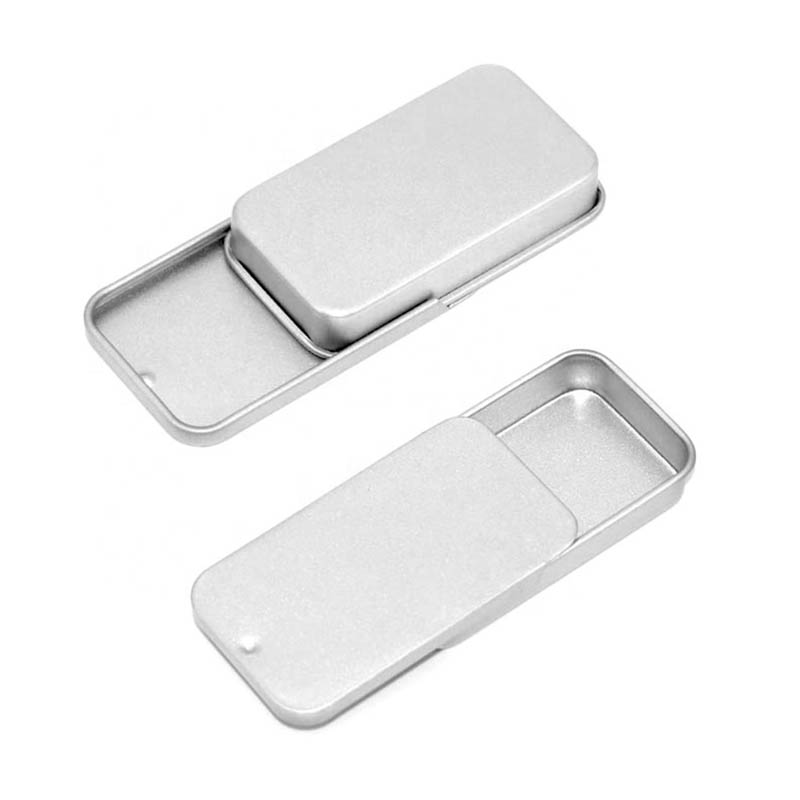
Perfekt zum Aufbewahren und Schützen von Gegenständen vor Staub, Schmutz und Feuchtigkeit.Leicht und langlebig, wodurch sie sich ideal für den Versand und Transport von Gegenständen eignen.Verschiedene Größen und Formen, sodass Sie Ihre Speicheranforderungen individuell anpassen können.Zahlreiche Farben und Designs, sodass Sie Ihre Speicheranforderungen individuell anpassen können.Erschwingliche Verpackungsoption für Unternehmen.
WEITERLESEN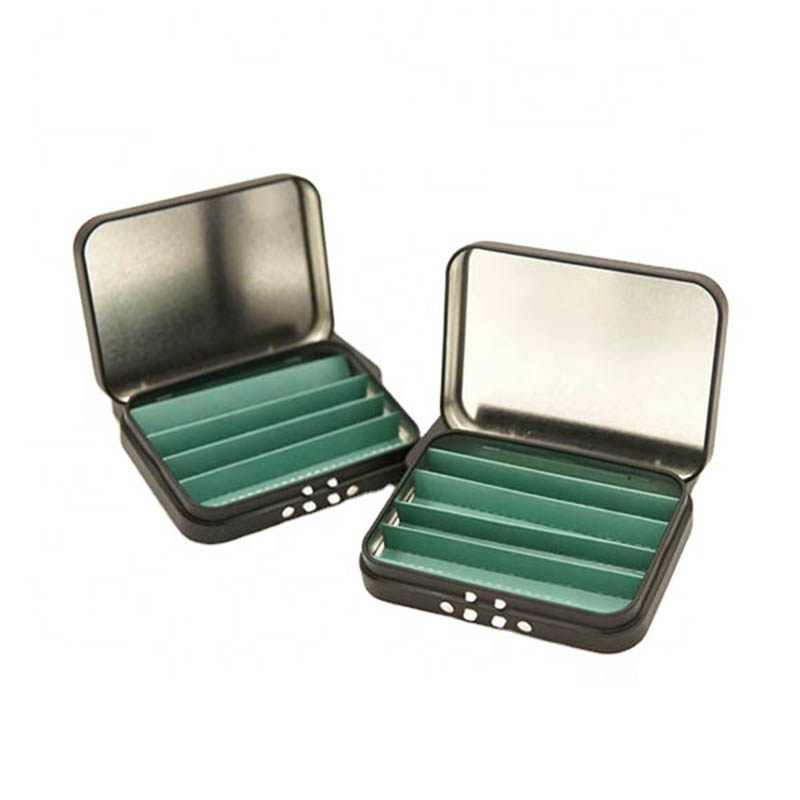
Es gibt mehr als 100 Formen, die Ihren unterschiedlichen Anforderungen gerecht werden können.Dank ihrer Luftdichtheit und Versiegelung eignen sie sich ideal für die Aufbewahrung von Gegenständen wie Gewürzen und Kräutern.Langfristige Zusammenarbeit mit Mentos, Tic Tac, Altoids.Umweltfreundliche Verpackungsoption, da sie wiederverwendbar und recycelbar sind.Tolle Möglichkeit, eine einzigartige und attraktive Präsentation zu erstellen.
WEITERLESEN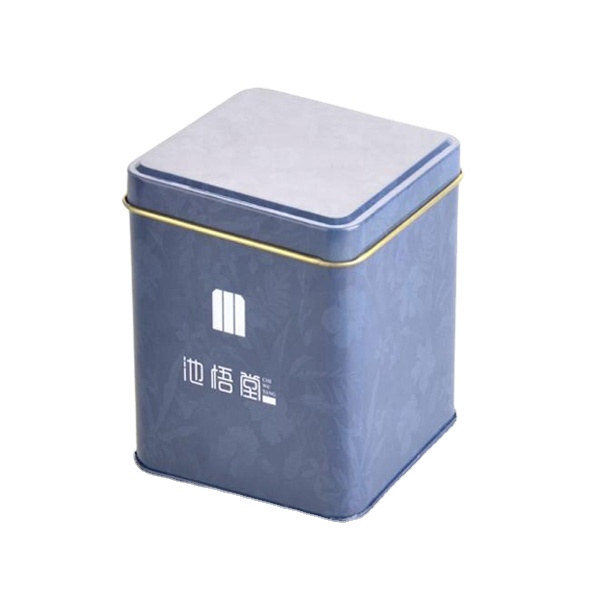
Luftdichter Verschluss, damit der Kaffee länger frisch bleibt.Bieten Sie umfassende Kaffeeverpackungsdienstleistungen an, vom Design über die Produktion bis hin zur Verpackung und zum Vertrieb.Namhafte Marken, die weltweit Kaffee verkaufen, sind unsere langjährigen Kunden, wie Twinings, Tetley, Bigelow.Attraktive und auffällige Möglichkeit, Ihre Kaffeeprodukte in Szene zu setzen.Professionelle Pantone- und 4-Farben-Druckgeräte, die satte, lebendige Druckfarben mit einzigartigen Designs erzeugen.
WEITERLESEN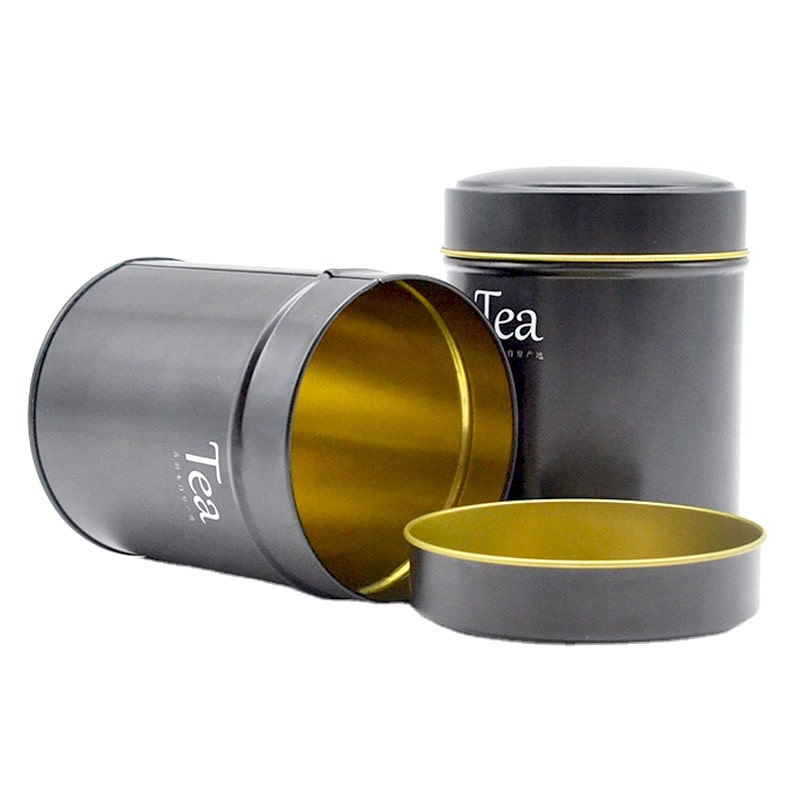
Leicht zu verstauen und stapelbar, was es zu einer großartigen Wahl für Unternehmen mit begrenztem Lagerraum macht.Kostengünstig und daher eine gute Wahl für Unternehmen mit kleinem Budget.Viele langfristige Partnerschaften, darunter Lipton, Twinings und Tetley.Recycelbar, was es zu einer umweltfreundlichen Wahl für Unternehmen macht.Leicht und einfach zu transportieren, daher ideal für den kommerziellen Versand.
WEITERLESEN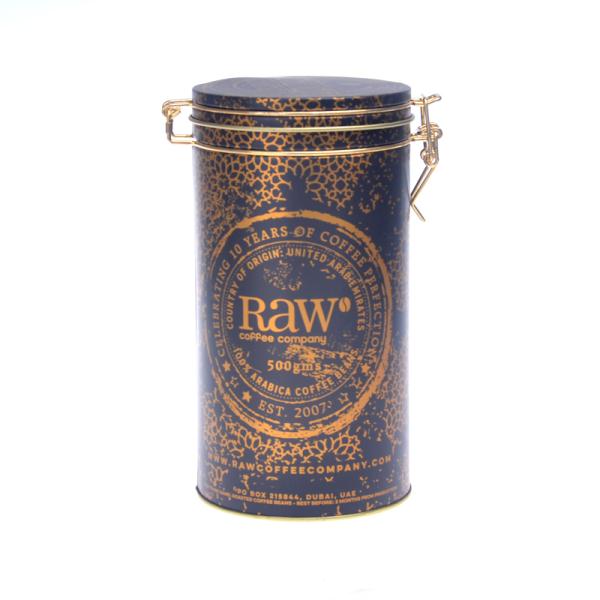
Wir bieten Ihnen eine Vielzahl an Verpackungslösungen für Kaffeedosen zur Auswahl.Fortschrittliche Prozesse können für eine gute Versiegelung Ihrer Kaffeebohnen und eine lange Lagerung sorgen.Lipton, Twinings und Tetley, diese berühmten Teemarken sind unsere treuen Kunden.Von der FDA zugelassenes Weißblech in Lebensmittelqualität kann die absolute Sicherheit Ihrer Kaffeeverpackung gewährleisten.Professionelle Panton- und 4-Farben-Druckanlagen sorgen für eine hochwertige Präsentation der Blechdosen.
WEITERLESEN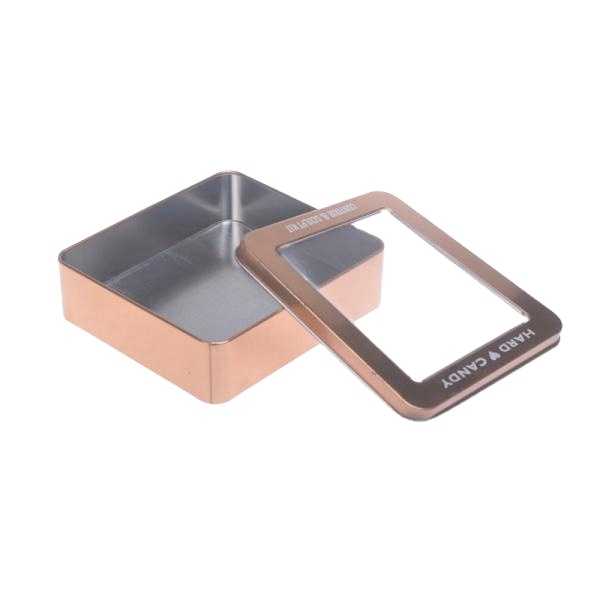
Unabhängig von der Art der Verpackung, die Sie benötigen, haben wir Optionen für die Verpackung von Keksen, die funktionieren.Durch fortschrittliche Techniken können eine längere Speicherung von Cookies und eine wirksame Versiegelung erreicht werden.Bekannte Keksmarken wie Oreo, Keebler, Chips Ahoy und Pepperidge Farm gehören zu unseren treuen Kunden.Die Sicherheit der Keksverpackung ist gewährleistet, da sie aus erstklassigem Weißblech besteht, das für den Kontakt mit Lebensmitteln unbedenklich ist.Professionelle Pantone- und 4-Farben-Druckmaschinen werden verwendet, um hochwertige Blechdosen-Präsentationen zu erzielen.
WEITERLESEN
Wir bieten Optionen für die Verpackung von Süßigkeiten an, die an jede Art von Verpackung angepasst werden können.Fortschrittliche Versiegelungstechniken können die effektive Speicherung Ihrer Cookies über einen längeren Zeitraum ermöglichen.Keksdosen haben neben der Aufbewahrung von Keksen auch vielseitige Einsatzmöglichkeiten, darunter auch die Aufbewahrung von Nüssen und Süßigkeiten.Die Verwendung von erstklassigem Weißblech, das für den Kontakt mit Lebensmitteln unbedenklich ist, gewährleistet die Sicherheit der Keksverpackung.Der Einsatz professioneller Pantone-Farbdruckmaschinen garantiert die hervorragende Präsentation von Blechdosen.
WEITERLESEN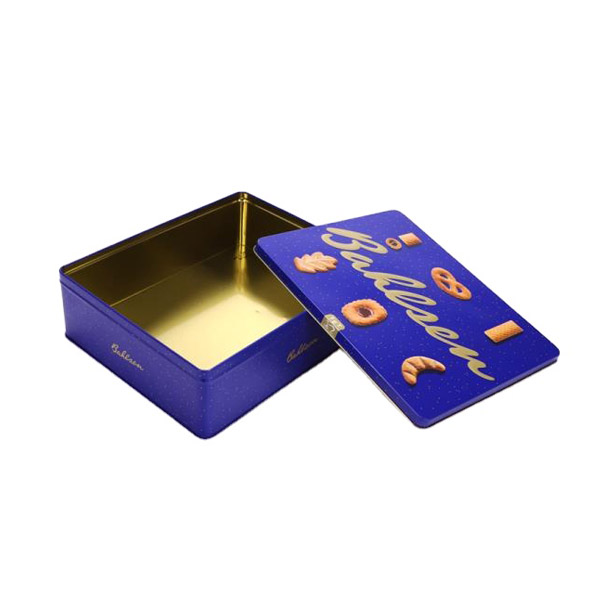
Wir bieten Optionen für die Verpackung von Süßigkeiten an, die für alle Arten von Verpackungsmaterialien geeignet sind.Die Implementierung ausgefeilter Techniken ermöglicht eine effektive Versiegelung und längere Speicherung von Cookies.Neben der Aufbewahrung von Keksen können Keksdosen auch zur Aufbewahrung von Trockenfrüchten, Nüssen und Süßigkeiten verwendet werden.Die einfache Reinigung und Desinfektion von Keksdosen macht sie zu einer sicheren und hygienischen Option für Lebensmittelverpackungen.Keksdosen gibt es in verschiedenen Formen und Größen, ganz nach Ihrem Geschmack.
WEITERLESEN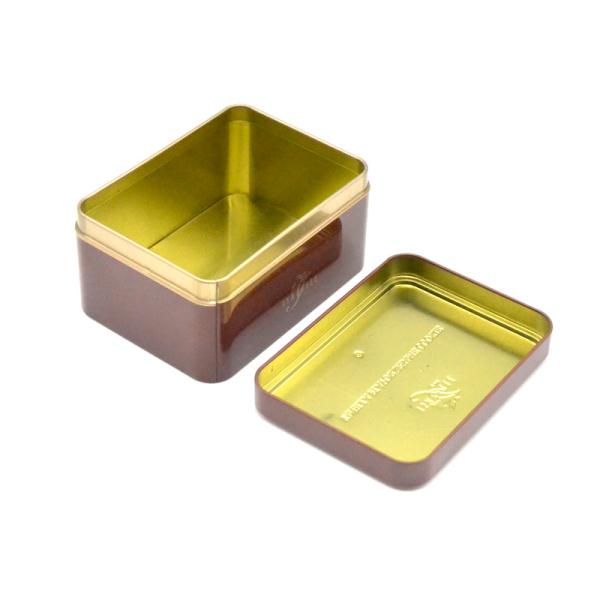
Wir bieten Schokoladenverpackungen an, die für eine Vielzahl von Verpackungsmaterialien geeignet sind.Schokoladendosen sind mit einem luftdichten Verschluss ausgestattet, der die Frische über einen längeren Zeitraum gewährleistet.Schokoladendosen sind eine umweltfreundliche Wahl, da sie mehrmals verwendet werden können, bevor sie entsorgt werden.Aufgrund ihrer Langlebigkeit und Haltbarkeit ist die Schokoladendose eine kostengünstige Wahl für die Verpackung.Das robuste Material von Schokoladendosen sorgt dafür, dass sie vor dem Zerbrechen oder Quetschen geschützt sind.
WEITERLESEN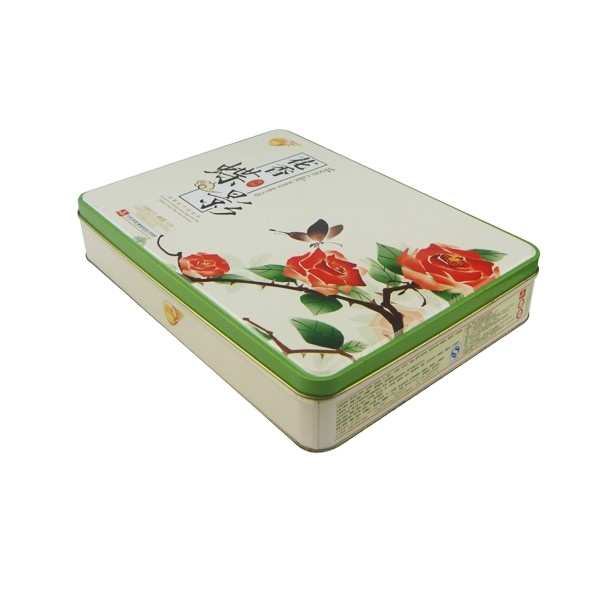
Unsere Kuchenverpackungsmöglichkeiten sind vielseitig und können an jede Art von Verpackung angepasst werden.Mithilfe ausgefeilter Versiegelungstechniken können Ihre Cookies über einen längeren Zeitraum gespeichert werden.Durch die luft- und feuchtigkeitsblockierende Funktion bleibt die Frische der Kekse über einen längeren Zeitraum erhalten.Die Leichtigkeit, mit der Keksdosenverpackungen gereinigt und desinfiziert werden können, macht sie zu einer hygienischen Option.Verschiedene Formen und Größen von Keksdosen sorgen dafür, dass Sie eine finden, die Ihren Wünschen entspricht.
WEITERLESEN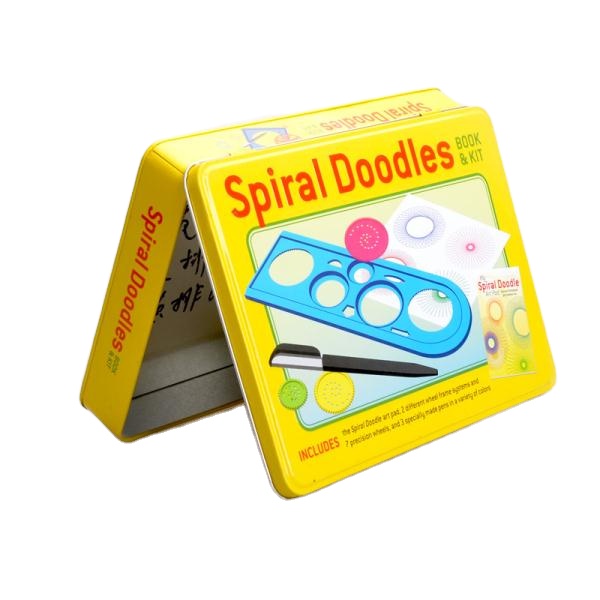
Wir bieten Verpackungsoptionen für Cookies an, die an jede Art von Cookie-Verpackungsanforderungen angepasst werden können.Ein luftdichter Verschluss von Keksdosen sorgt dafür, dass Ihre Kekse lange frisch bleiben.Keksdosen sind eine umweltfreundliche Alternative, da sie mehrmals wiederverwendet werden können.Die Robustheit und Langlebigkeit der Keksdose machen sie zu einer kostengünstigen Verpackungslösung.Keksdosen bieten durch ihr robustes Material einen hervorragenden Schutz vor Zerbrechen oder Quetschen.
WEITERLESEN
Unsere Verpackungsoptionen für Kekse können an Ihre spezifischen Verpackungsanforderungen angepasst werden.Für eine längere Speicherung Ihrer Cookies können fortschrittliche Versiegelungstechniken eingesetzt werden.Das Privileg, bekannte Keksmarken wie Oreo, Keebler, Chips Ahoy und Pepperidge Farm zu bedienen.Die Verpackung Ihrer Kekse ist für den Kontakt mit Lebensmitteln absolut sicher, da sie aus erstklassigem Weißblech besteht.Um die erstklassige Präsentation von Blechdosen zu gewährleisten, werden professionelle Pantone- und 4-Farben-Druckmaschinen eingesetzt.
WEITERLESEN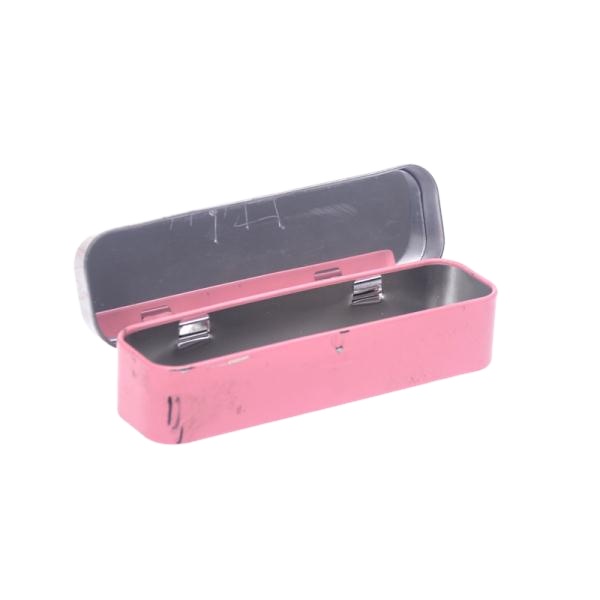
Hergestellt aus robusten und widerstandsfähigen Weißblechmaterialien, halten sie über einen längeren Zeitraum stand und bleiben robust.Schützen Sie Ihr Briefpapier mit einer zuverlässigen Barriere vor Beschädigung oder Verlust und halten Sie es sicher und intakt.Erleben Sie die Vielseitigkeit unserer Kollektion, die eine Reihe von Größen und Stilen bietet, um alle Ihre Bedürfnisse zu erfüllen, von Haltern bis hin zu Etuis.Entfesseln Sie das volle Potenzial Ihrer Stifte mit einer hochmodernen Farbdruckmaschine, mit personalisierten Designs und machen Sie sie unwiderstehlich verführerisch.Direkte Beschaffung ab Werk stellt sicher, dass Sie Produkte von höchster Qualität zu einem wettbewerbsfähigen und kostengünstigen Preis erhalten.
WEITERLESEN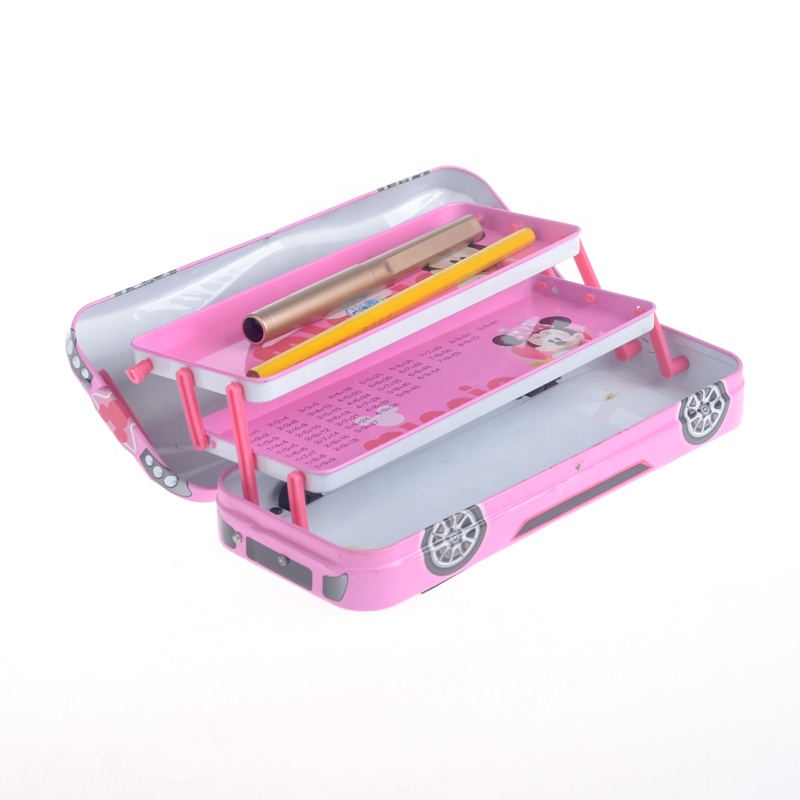
Hergestellt aus robusten Weißblechmaterialien, die ihre Haltbarkeit und Langlebigkeit gewährleisten.Schützen Sie Ihr Briefpapier mit einer sicheren Barriere und bewahren Sie es so vor Beschädigung oder Verlust.Eine große Auswahl an Größen und Stilen, einschließlich Halterungen und Koffern, erfüllt alle Ihre spezifischen Bedürfnisse und Vorlieben.Mit modernster Farbdruckmaschine, die jedem einzelnen Stück eine persönliche und faszinierende Note verleiht.Wir garantieren, dass Sie erstklassige Produkte von außergewöhnlicher Qualität zu einem äußerst wettbewerbsfähigen Preis erhalten.
WEITERLESEN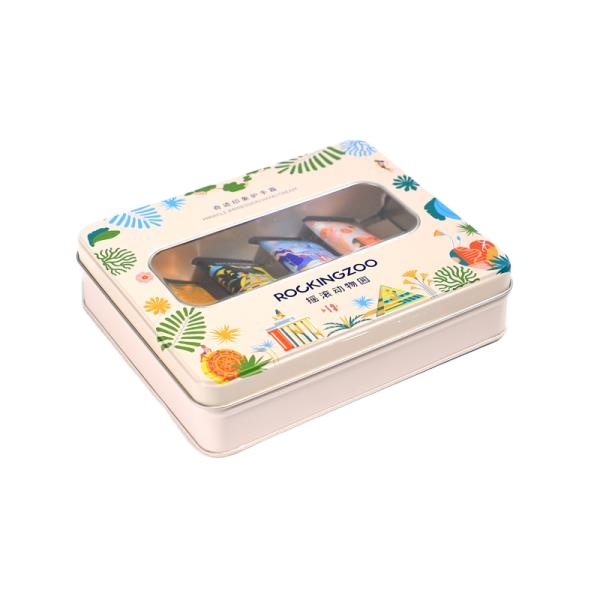
Hergestellt aus widerstandsfähigen Weißblechmaterialien, die so konzipiert sind, dass sie dem Test der Zeit standhalten und über einen längeren Zeitraum haltbar bleiben.Sorgen Sie für die Sicherheit Ihres Briefpapiers, indem Sie eine zuverlässige Barriere verwenden und mögliche Schäden oder Verluste wirksam verhindern.Perfekte Lösung für Ihre vielfältigen Anforderungen mit einer großen Auswahl an Größen und Stilen, einschließlich Halterungen und Koffern.Verstärken Sie den Reiz Ihrer Stifte mit unserer fortschrittlichen Farbdruckmaschine und schaffen Sie so eine personalisierte und auffällige Ästhetik.Profitieren Sie von unserer direkten Werksversorgung und stellen Sie sicher, dass Sie qualitativ hochwertige Produkte zu äußerst wettbewerbsfähigen Kosten erhalten.
WEITERLESEN
Egal welche Art von Verpackung Sie benötigen, wir haben die perfekte Lösung für Sie. Fortschrittliche Techniken sorgen für eine effektive Versiegelung Ihrer Produkte und ermöglichen so erweiterte Lagermöglichkeiten. Renommierte Lebensmittelmarken wie Oreo, Keebler, Chips Ahoy und Pepperidge Farm gehören zu unseren treuen Kunden. Seien Sie versichert, dass Ihre Produkte in erstklassigem Weißblech verpackt werden, das für den direkten Kontakt mit Lebensmitteln unbedenklich ist. Professionelle Pantone- und 4-Farben-Druckmaschinen garantieren eine erstklassige Präsentation Ihrer Produkte in Blechdosen.
WEITERLESEN
Wir bieten eine vielfältige Auswahl an Süßigkeitenverpackungsoptionen, die den unterschiedlichen Verpackungsanforderungen gerecht werden.Der luftdichte Verschluss von Bonbondosen spielt eine entscheidende Rolle bei der Erhaltung der Frische über einen längeren Zeitraum.Die lebendigen und auffälligen Designs auf Bonbondosen sorgen für eine einfache Erkennung und Identifizierung.Die Verpackung von Bonbondosen ist eine perfekte Option für die Hygiene bei Lebensmittelverpackungen, da sie leicht gereinigt und desinfiziert werden kann.Bonbondosen sind aus langlebigen Materialien gefertigt, die einen hervorragenden Schutz vor Bruch oder Quetschung bieten.
WEITERLESEN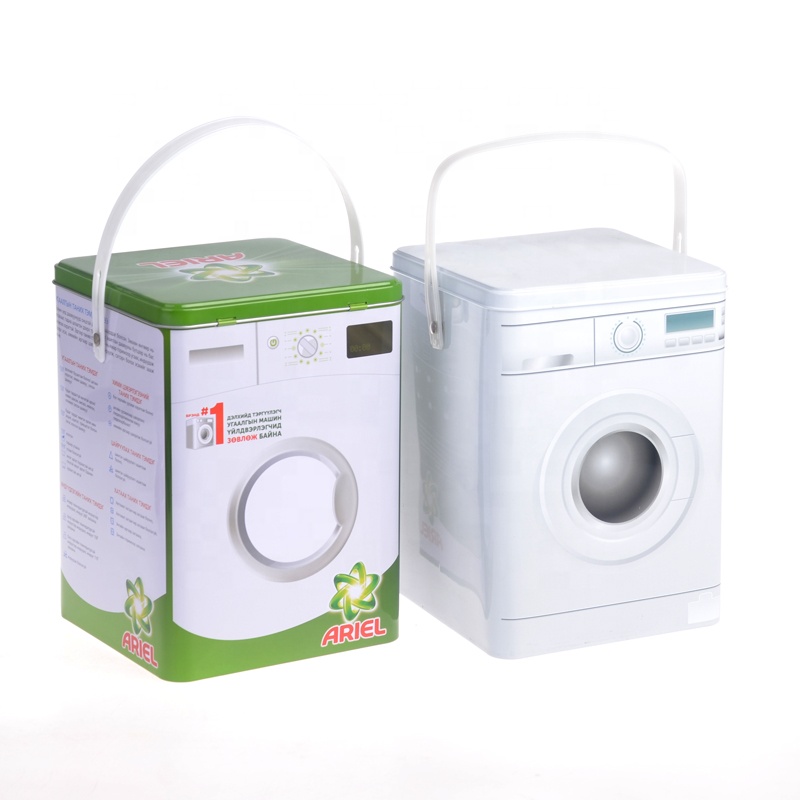
Unsere Keksverpackungsoptionen können individuell an Ihre individuellen Verpackungsbedürfnisse und -vorlieben angepasst werden.Um eine lang anhaltende Frische Ihrer Kekse zu gewährleisten, verwenden wir fortschrittliche Versiegelungstechniken, die ihre Qualität während der Lagerung effektiv bewahren.Das Privileg, renommierte Keksmarken wie Oreo, Keebler, Chips Ahoy und Pepperidge Farm anzubieten, garantiert einen köstlichen und sättigenden Genuss.Unsere Keksverpackungen sind absolut sicher für den Kontakt mit Lebensmitteln, da sie aus hochwertigem Weißblech gefertigt sind, das den höchsten Sicherheits- und Hygienestandards entspricht.Nutzen Sie professionelle Pantone- und 4-Farben-Druckmaschinen, um die erstklassige Qualität unserer Blechdosen-Präsentationen zu gewährleisten und unseren geschätzten Kunden lebendige und optisch ansprechende Designs zu garantieren.
WEITERLESEN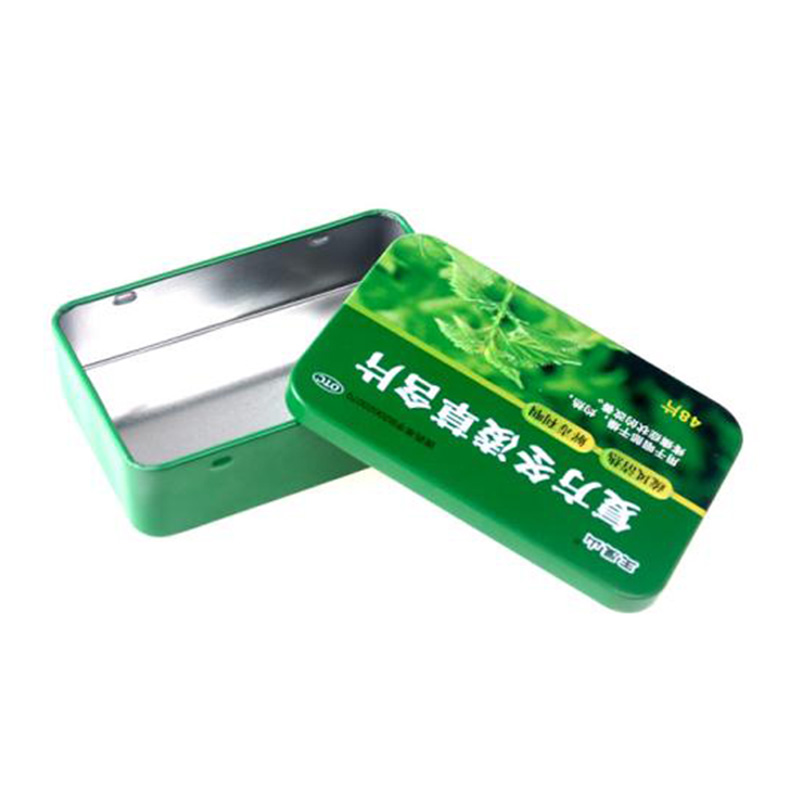
Stapelbar, platzsparend, bequem zu lagern und zu organisieren.Vielfältige Einsatzmöglichkeiten, sei es zur Aufbewahrung von Gegenständen oder als Dekorationselement.Ideal zum Verschenken von Kleinigkeiten wie Pralinen, Bonbons und anderen süßen Leckereien.Weißblech in Lebensmittelqualität trägt dazu bei, die Frische und den Geschmack der Süßigkeiten zu bewahren und sicherzustellen, dass sie köstlich bleiben.Blechdosen können mit Ihren einzigartigen Designs und Mustern personalisiert werden, was ihnen einen Hauch von Exklusivität verleiht und ihren Gesamtwert erhöht.
WEITERLESEN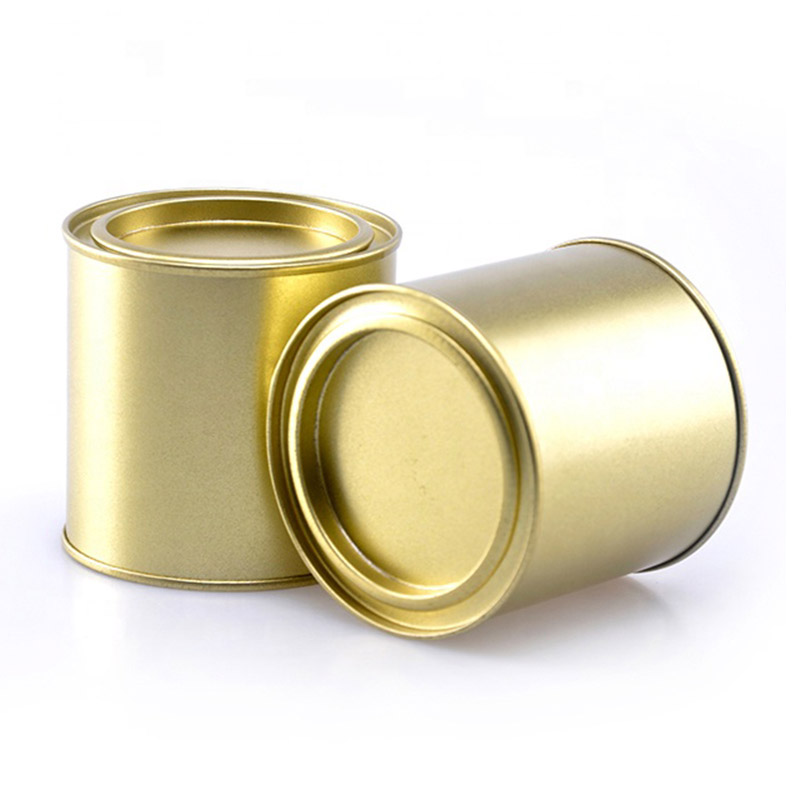
Langlebig und mehrfach wiederverwendbar.Luftdicht, wodurch der Geschmack und das Aroma des Tees erhalten bleiben.Eine Vielzahl von Größen und Stilen macht es einfach, das Modell zu finden, das Ihren Anforderungen entspricht.Wird zur Aufbewahrung anderer Gegenstände wie Gewürze, Kräuter und anderer loser Teeblätter verwendet.Äußerst langlebig und kann Ihren Tee vor Feuchtigkeit, Licht und Luft schützen.
WEITERLESEN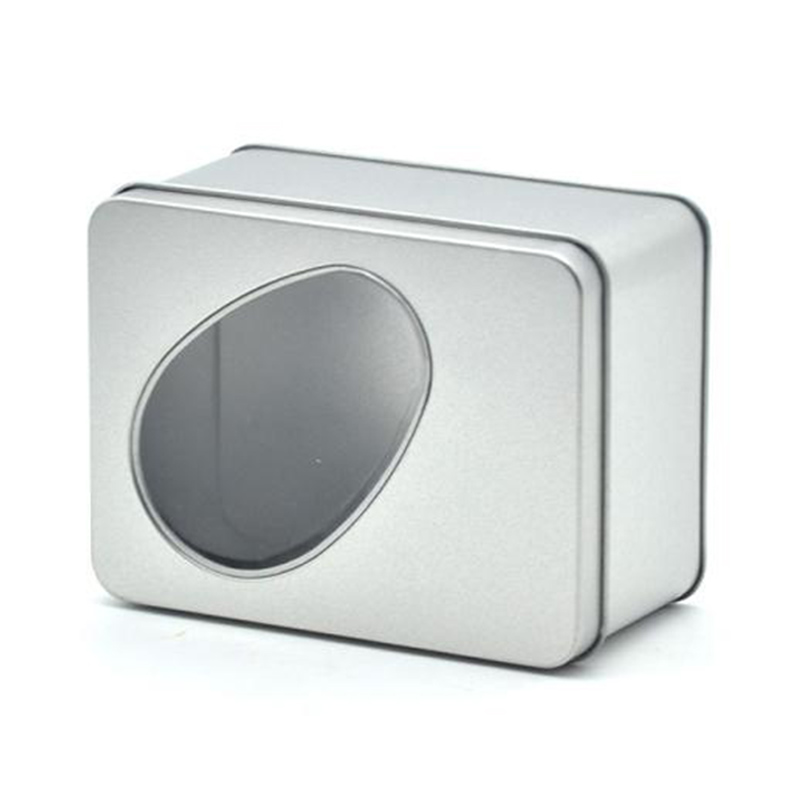
Ganz gleich, welche Art von Verpackung Sie benötigen, wir haben die passenden Verpackungsmöglichkeiten für Kekse.Mit erfolgreichen Versiegelungstechniken können Ihre Cookies über einen längeren Zeitraum gespeichert werden.Oreo, Keebler, Chips Ahoy und Pepperidge Farm sind berühmte Keksmarken, die uns die Treue halten.Die Verwendung von erstklassigem Weißblech in Lebensmittelqualität garantiert die Sicherheit Ihrer Keksverpackung.Professionelle Pantone- und 4-Farben-Druckmaschinen werden verwendet, um die hervorragende Qualität der Präsentationen in Blechdosen zu gewährleisten.
WEITERLESEN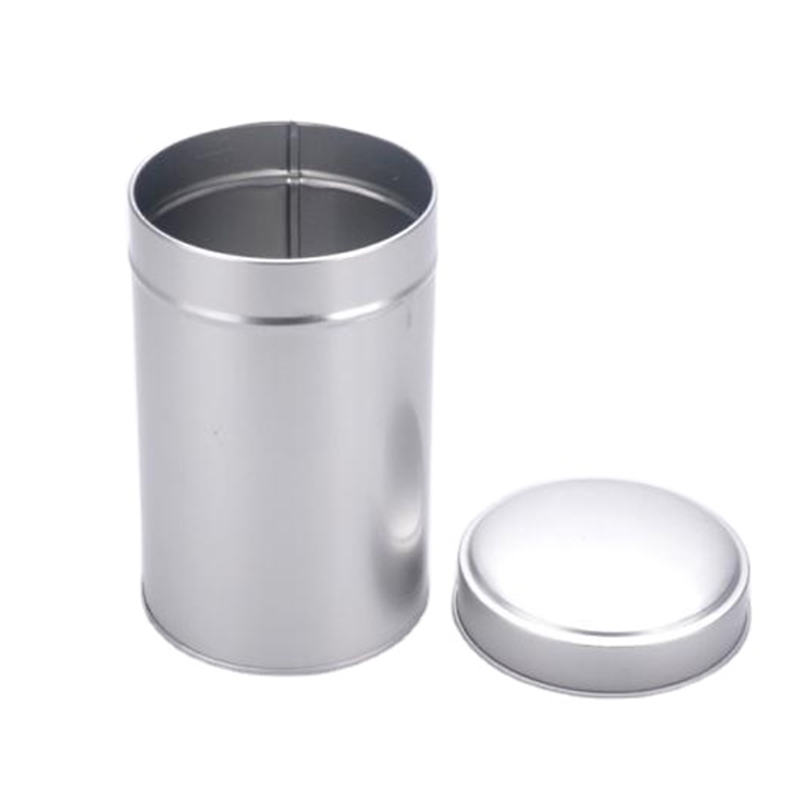
Langlebig und mehrfach wiederverwendbar.Luftdicht, wodurch der Geschmack und das Aroma des Tees erhalten bleiben.Eine Vielzahl von Größen und Stilen macht es einfach, das Modell zu finden, das Ihren Anforderungen entspricht.Wird zur Aufbewahrung anderer Gegenstände wie Gewürze, Kräuter und anderer loser Teeblätter verwendet.Äußerst langlebig und kann Ihren Tee vor Feuchtigkeit, Licht und Luft schützen.
WEITERLESEN
Robust und mehrfach verwendbar.Luftdicht, bewahren und bewahren Sie den Geschmack und das Aroma des Tees.Dank der Vielzahl an Größen und Designs finden Sie mühelos die Dose, die Ihren Anforderungen perfekt entspricht.Vielseitig und kann zur Aufbewahrung einer Vielzahl von Gegenständen verwendet werden, darunter Gewürze, Kräuter und andere lose Teeblätter.Langlebig und bieten hervorragenden Schutz für Ihren Tee, indem sie ihn vor Feuchtigkeit, Licht und Luft schützen.
WEITERLESEN
Die stapelbare Aufbewahrungslösung ist platzsparend konzipiert und eignet sich daher zum bequemen Aufbewahren und Organisieren Ihrer Sachen.Sie werden vielseitig eingesetzt, sei es zur Aufbewahrung von Gegenständen oder als Dekorationselement.Perfekt für die Präsentation kleiner Gegenstände wie Pralinen, Süßigkeiten und anderer köstlicher Leckereien.Erstklassiges Weißblech trägt dazu bei, die Frische und den Geschmack der Süßigkeiten zu bewahren und die Haltbarkeit zu verlängern.Unterstützen Sie individuelle Logos und Designs, die das Produkt attraktiver und wertvoller machen.
WEITERLESEN
Helfen Sie dabei, die Frische Ihres Tees über einen längeren Zeitraum aufrechtzuerhalten.Steigern Sie den wahrgenommenen Wert Ihres Teeangebots.Ein sicherer und luftdichter Verschluss, der dazu beiträgt, die Frische und den Geschmack Ihres Tees zu bewahren.Unser lebensmittelechtes Weißblech ist langlebig und hält den Herausforderungen des Versands und der Handhabung stand und sorgt für Zuverlässigkeit.Es steht eine große Auswahl an Größen und Formen zur Verfügung, die es einfacher machen, die ideale Passform für Ihr Produkt zu finden.
WEITERLESEN
Robust und vielseitig für zahlreiche Anwendungen.Sorgt für einen luftdichten Verschluss und bewahrt den Geschmack und das Aroma des Tees.Bietet eine vielfältige Auswahl an Größen und Stilen, sodass Sie leicht das finden, was Ihren Anforderungen entspricht.Wird zur Aufbewahrung einer Vielzahl von Artikeln verwendet, darunter Gewürze, Kräuter und lose Teeblätter.Außergewöhnlich stark, sodass Ihr Tee vor Feuchtigkeit, Licht und Luft geschützt ist.
WEITERLESEN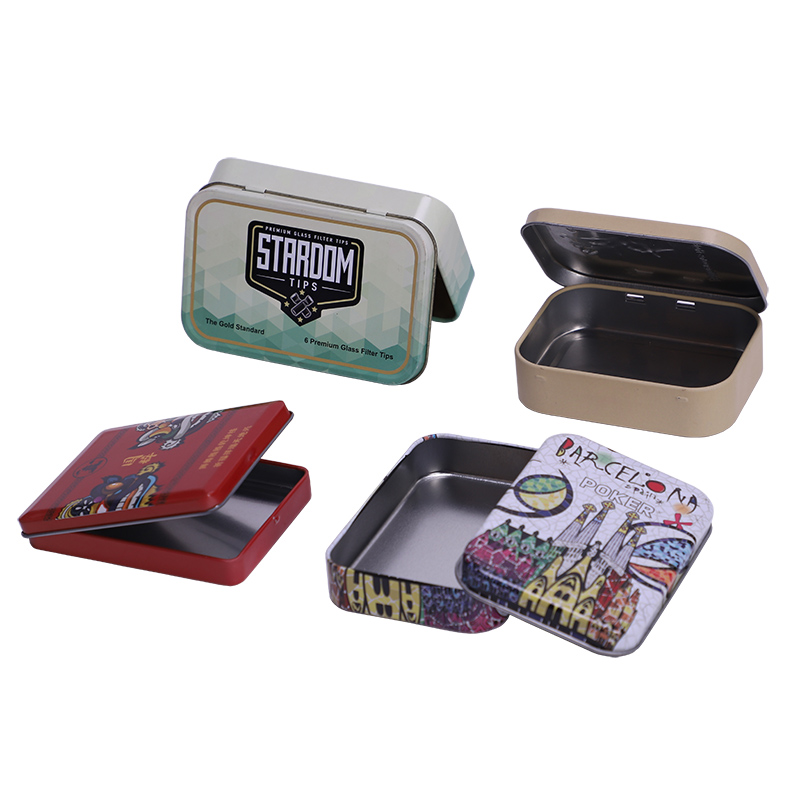
Große Auswahl an Blechverpackungslösungen, die die gesamte Produktpalette abdecken. Modernes Verfahren sorgt für eine gute Versiegelung und lange Lagerzeit. Zu den bekannten Partnern zählen führende Marken wie Mentos, Tic Tac, Altoids. Hochwertiges Weißblechmaterial sorgt dafür, dass die Dose perfekt versiegelt ist. Professionelles Designteam, fortschrittliche Druckausrüstung, perfekte Präsentation.
WEITERLESEN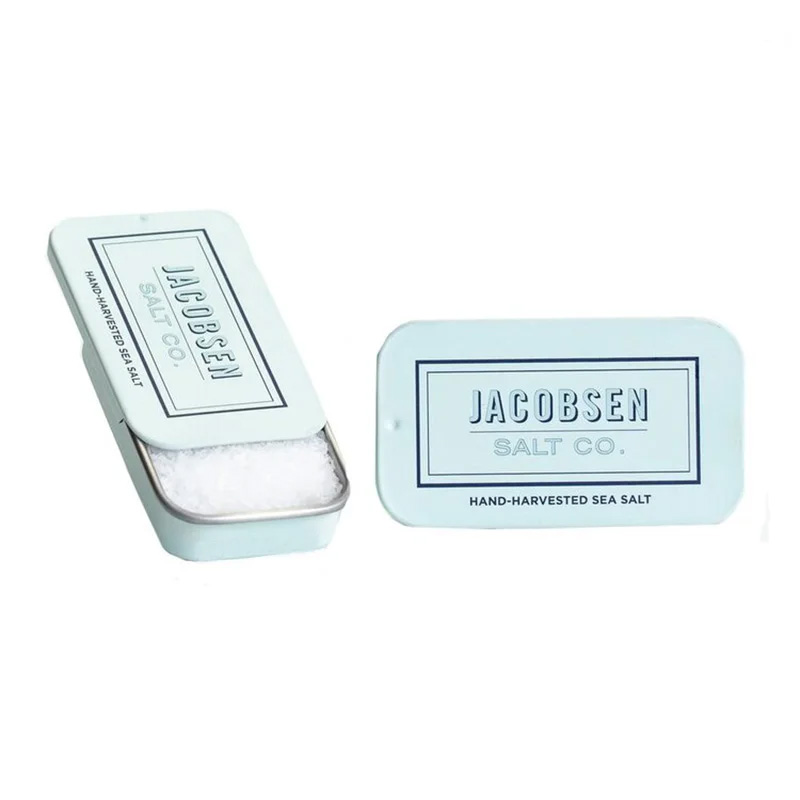
Ihre Produkte erhalten einen hervorragenden Schutz mit Festigkeit und Haltbarkeit.Diese sind ein ideales Werbemittel und können mit Ihrem Branding individuell gestaltet werden.Sie sind für Kunden attraktiv und verfügen über ein optisch ansprechendes Design.Sie eignen sich ideal zur Produktidentifizierung und sind leicht zu kennzeichnen.Sie sind eine umweltfreundliche Verpackungsmöglichkeit und recycelbar.
WEITERLESEN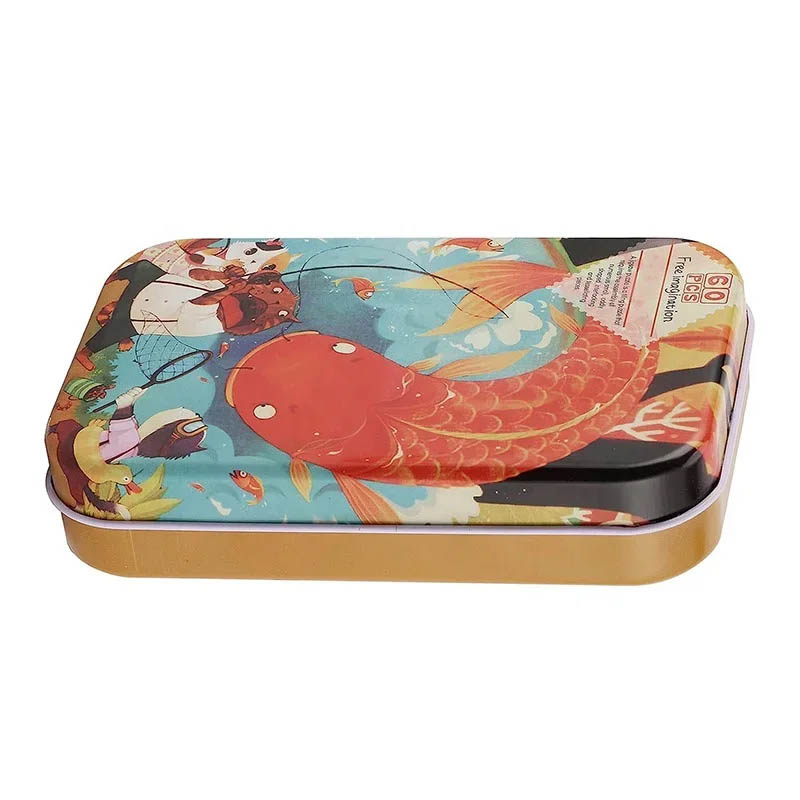
Entdecken Sie eine vielfältige Auswahl an Blechverpackungslösungen, die für eine breite Produktpalette geeignet sind. Unsere modernen Prozesse garantieren eine sichere Versiegelung und lange Lagerzeit. Arbeiten Sie mit bekannten Marken wie Mentos, Tic Tac und Altoids zusammen. Die Verwendung von hochwertigem Weißblechmaterial sorgt für eine einwandfreie Versiegelung Ihrer Weißblechverpackung. Profitieren Sie von einem professionellen Designteam, modernster Druckausrüstung und tadellosen Präsentationsstandards.
WEITERLESEN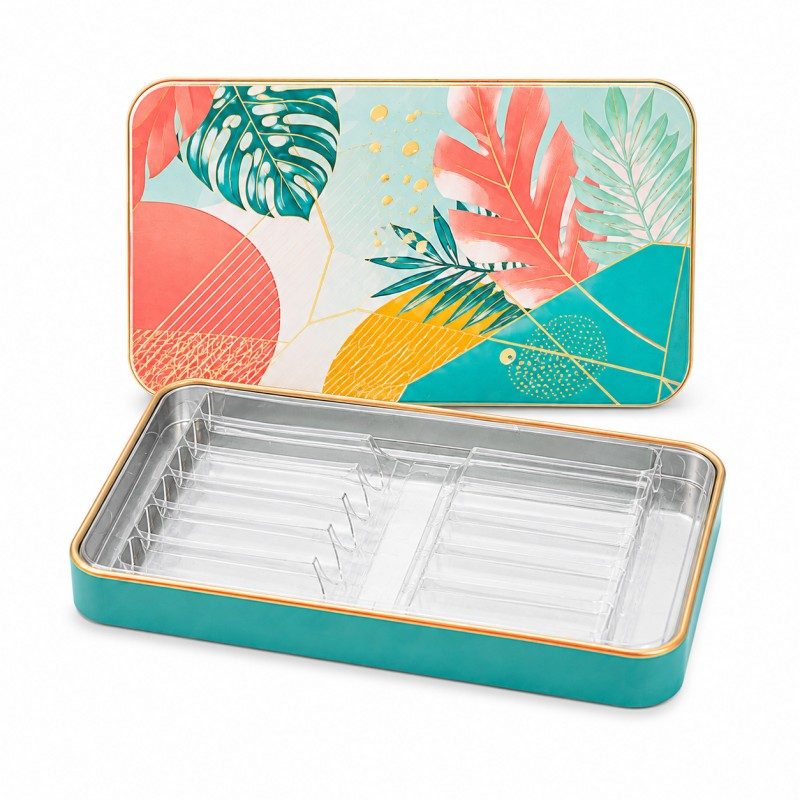
Diese Behälter lassen sich leicht stapeln und machen die Aufbewahrung und Organisation zum Kinderspiel. Diese Behälter sind nicht nur wiederverwendbar, sondern auch vielseitig einsetzbar und dienen sowohl als Aufbewahrung als auch als Dekoration. Mit einer Vielzahl von Größen, Farben und Designs finden Sie die perfekte Lösung für Ihre Bedürfnisse. Das einfache Flip-Deckel-Design ermöglicht ein einfaches Öffnen und Schließen. Diese aus robustem Weißblech gefertigten Behälter sind auf Langlebigkeit ausgelegt und halten dem täglichen Gebrauch stand.
WEITERLESEN
Diese Behälter sind für eine praktische Aufbewahrung und Organisation konzipiert und lassen sich ordentlich stapeln. Sie eignen sich für verschiedene Zwecke und können zur Aufbewahrung von Gegenständen wiederverwendet oder als Dekorationsstücke verwendet werden. Sie können aus einer Reihe von Größen, Farben und Designs wählen, die Ihren spezifischen Anforderungen nahtlos entsprechen. Die Behälter verfügen über eine unkomplizierte Klappdeckelstruktur mit Scharnier, die ein einfaches Öffnen und Schließen gewährleistet. Ihre langlebige Weißblechkonstruktion sorgt dafür, dass sie langlebig und verschleißfest sind.
WEITERLESENHolen Sie sich die neuesten Informationen und Sonderangebote


 IPv6-Netzwerk unterstützt
 Deutsch
 English
 Français
 Español
 Português