
Product Name :
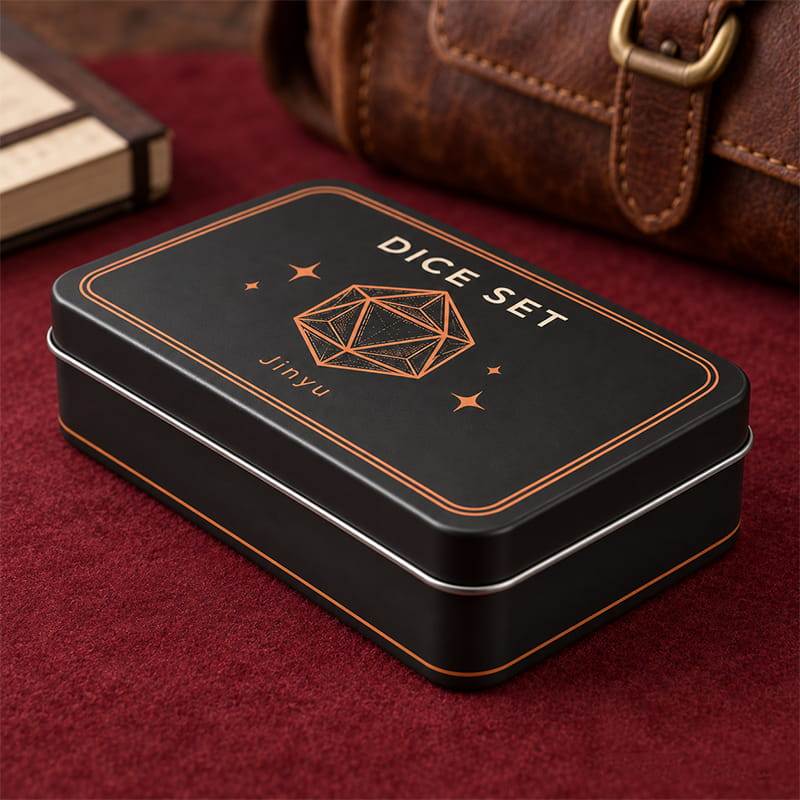
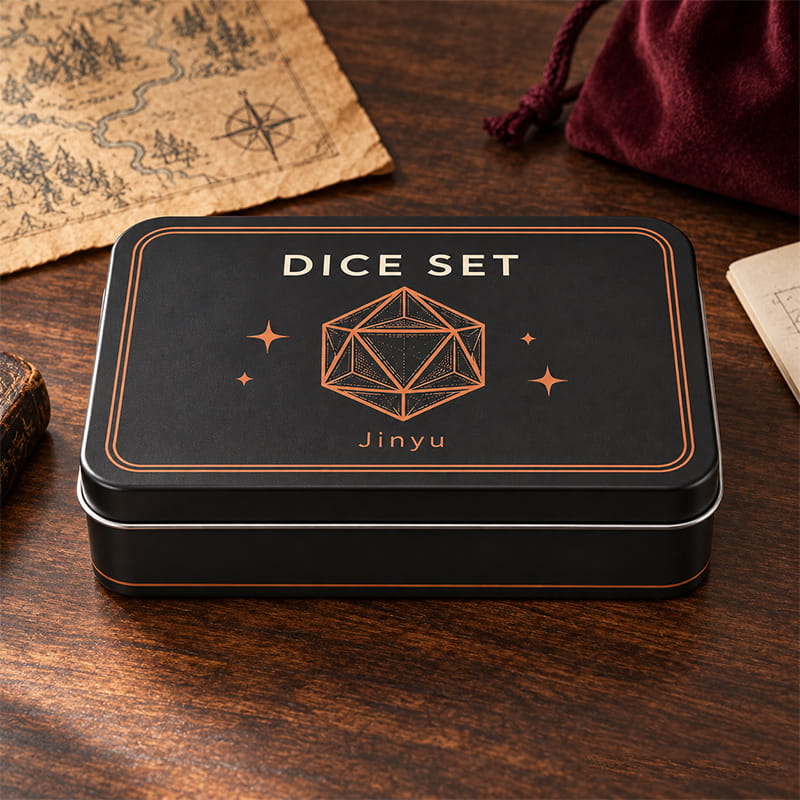
Dice Set Tin Boxes with Foam InsertsDimensions :
L107*W72*H30 mmShape :
Rectangular, CustomizableDesign :
Customizable, ODM / OEMPrinting :
Custom CMYK or Pantone artworkSurface Finish :
Matte / Glossy / EmbossingMaterial :
0.23 mm Food-Grade TinplateMOQ :
5,000 pcsLead Time :
35 DaysPackaging :
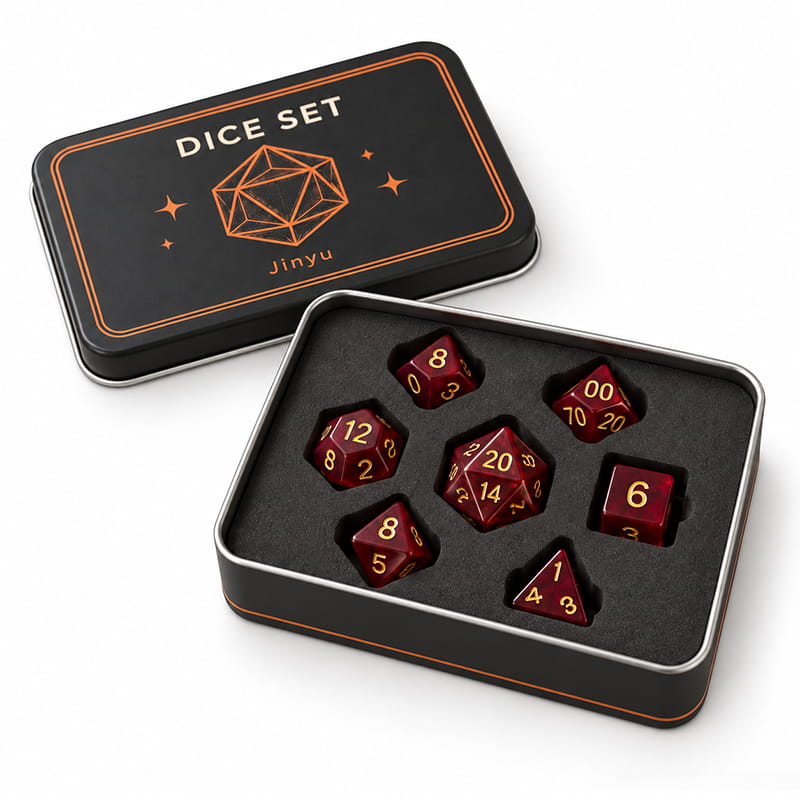
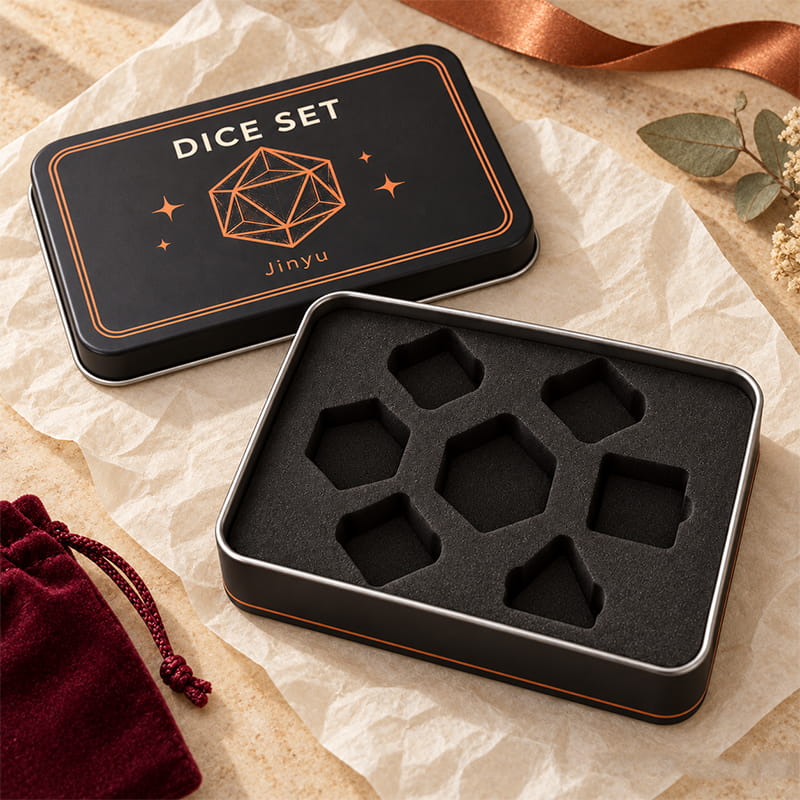
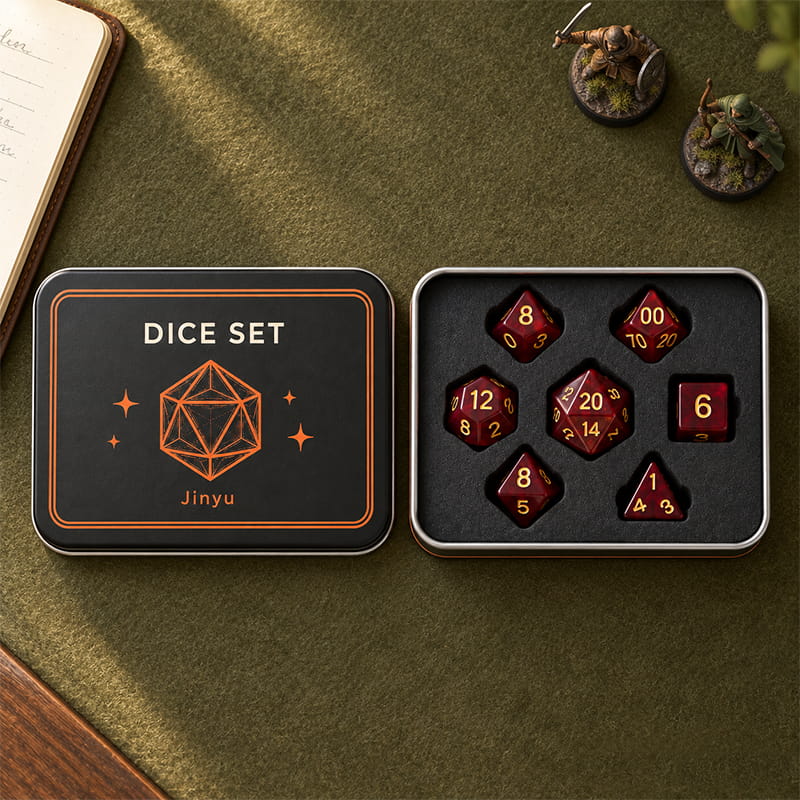
Opp Bag + Master CartonCustom dice set tin boxes with foam inserts combine a printed metal case with fitted positions for the dice inside. Each pocket is developed around the selected die, helping keep the set organized and separated while allowing players to remove and return individual pieces.
Jinyu develops custom dice tin packaging for tabletop RPG brands, game publishers, hobby retailers and collector gift ranges. Coordinate the outer tin, foam layout and artwork around your own dice collection, from a compact polyhedral set to a larger branded gaming pack.
A seven-piece RPG layout can provide positions for d4, d6, d8, d10, d%, d12 and d20. The percentile die is a ten-sided die commonly marked in tens, so it needs its own position alongside the regular d10.
The pockets should follow the supplied dice. A single nominal size does not describe every die’s width, corner-to-corner measurement or height in its packed orientation.
| Dice in the proposed set | Fit details to review |
| d4 | Orientation, pointed tips, support beneath the die and clearance above it |
| d6 and d8 | Individual profiles, packed height and room to grip each piece |
| d10 and percentile die | Two separate positions, matched to the actual shape and dimensions of each die |
| d12 and d20 | Full outer profile, highest point when seated and access around the pocket |
A cutout can follow the die’s outline while including a finger notch. Leave enough material between neighboring pockets to support the layout, and check that removing one die does not dislodge another.
For numbered display positions, coordinate the foam layout with a printed contents card or lid graphic. Confirm the viewing orientation before artwork approval.
A foam insert for dice packaging needs to hold the selected set without making the pieces awkward to retrieve.
Pocket depth affects how much of a die remains exposed. A deep recess may need a larger finger notch; a shallower position needs a different approach to keeping the piece seated. Review both with the actual dice.
Foam selection should consider the grade, firmness, thickness, surface and interaction with the dice finish. EVA and PU options can be evaluated using material samples and a loaded prototype. Specify the agreed material instead of relying on a description such as “premium foam.”
Where a cutout passes through the foam layer, provide an appropriate backing layer beneath it. This keeps the pocket construction complete and separates the dice from the metal base.
An optional lid pad can also be reviewed. Its thickness must be included in the fit assessment so the lid closes correctly and the pad does not force pressure onto pointed corners.
The outside tin dimensions are only part of the specification. Internal rolled edges, lid overlap, foam backing and any lid lining all affect the space available.
Before selecting a tin, provide the dice in the orientation you want customers to see when they open the pack.
| Measurement or component | Why it matters |
| Each die’s outer dimensions | Determines the pocket profile and spacing |
| Seated height | Establishes how high the die sits above the backing |
| Foam and backing thickness | Uses part of the available internal depth |
| Lid pad or lining | Reduces clearance above the packed dice |
| Complete set weight | Informs the review of support, insert retention and closure |
| Finger-access space | Allows pieces to be removed and returned during use |
Metal, resin, acrylic and stone dice can be reviewed as separate projects. Even sets with similar dimensions may need different pocket details or material choices. Include the actual surface finish and any sharp-edge features when submitting samples.
The same outer design can support different product ranges when the internal configuration is developed for each one.
| Intended collection | Layout direction | Main development priority |
| Seven-piece polyhedral set | A dedicated position for each die | Different shapes, clear presentation and individual access |
| Matching d6 collection | Repeated cube pockets arranged in rows | Consistent spacing and the agreed number of dice |
| Oversized or heavier collector dice | Larger pockets and a reviewed foam assembly | Packed height, support and handling of the loaded set |
| Dice with tokens or small accessories | Separate fitted areas for each component | Keeping unlike items separated and accessible |
These are custom development directions. The final component list, dimensions and quantities should be agreed before the insert drawing is approved.
If you plan several colorways using the same dice geometry, review whether one foam layout can serve the range. Changes to the shape, size or accessory selection may require a revised insert.
Hinged dice tins keep the lid attached during opening and closing. Check the hinge area against the foam and confirm that the selected lid can open far enough for comfortable access.
A lift-off dice tin has a separate cover and gives access from all sides of the open base. Agree the lid fit using the complete loaded sample.
An optional window lid can make the set visible before purchase. Review the window position, film attachment and internal clearance together with the displayed dice arrangement.
If the pack will travel in a game bag or be sold through parcel delivery, assess the closure with the actual loaded weight and the intended outer packaging.
Use the lid for your logo, original fantasy artwork, geometric dice graphics or a collection name. Coordinate the body, foam color and printed card to create a consistent range.
Small linework and numbering should be checked at the final printed size. For metallic effects or embossed artwork, review the proof and confirm how the details appear on the selected finish.
Mark the lid overlap, curved corners, hinge fittings and any window on the artwork drawing. Keep barcodes and essential wording in readable areas of the assembled tin.
A printed sleeve, story card, inventory guide or retail carton can be added to the quotation. List each component separately so the packaging scope is clear.
Review the tin and insert with a complete set of the intended dice.
Fit: seat every die and check the pocket profile, backing and exposed gripping area.
Removal: take out and return individual pieces, including those in the least accessible positions.
Closure: close the lid normally and check for contact with raised corners or the foam assembly.
Handling: assess whether dice leave their pockets, neighboring pieces touch or the insert shifts inside the tin.
Surface condition: inspect the dice and lining after repeated packing and removal.
Delivery presentation: review the loaded tin with its retail and shipping protection.
These checks guide sample approval. Any required transport test, acceptance criteria and recording method should be agreed for the project.
Jinyu can review 3,000+ existing molds against your proposed layout before assessing a new tin size. An existing outer tin may still need a newly developed foam insert.
Yes. Supply the complete set or dimensioned samples of every die. Confirm the preferred display orientation so the pockets and available lid clearance can be reviewed together.
It may be possible when the geometry is compatible, but each set needs assessment. Differences in weight, edge shape and surface finish can affect the choice of foam and pocket design.
A removable configuration can be specified. Confirm how it will be lifted out and whether it needs a supporting backing layer. A fixed insert can also be reviewed for projects where removal is unnecessary.
A removable insert and a separate flat lining can be explored for this purpose. Usable rolling space, wall height, surface and the intended dice need their own review; storage pockets alone do not provide a flat rolling area.
The standard scope is the tin and agreed insert. Dice, cards and other accessories are included only when individually listed in the quotation.
Robust und langlebig, bietet hervorragenden Schutz für Ihre Produkte.Sie können mit Ihrem Branding individuell gestaltet werden und sind somit ein ideales Werbemittel.Optisch ansprechend, was sie für Kunden attraktiv macht.Leicht zu etikettieren und daher ideal zur Produktidentifizierung geeignet.Recycelbar, was sie zu einer umweltfreundlichen Verpackungsoption macht.
WEITERLESEN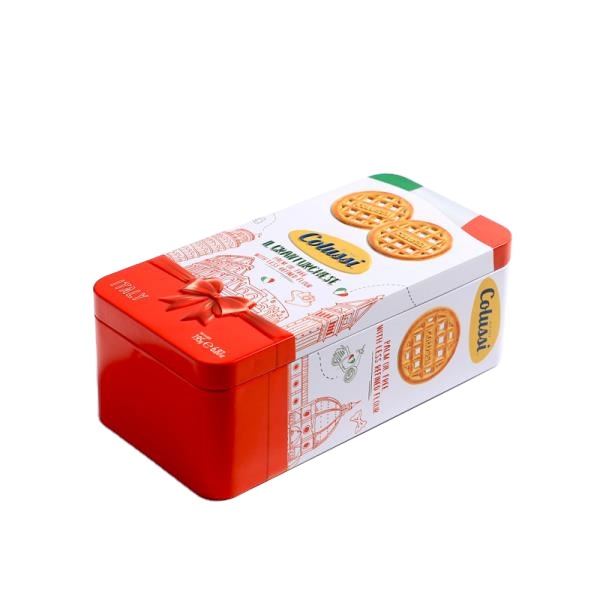
Unabhängig von der Art der Verpackung bieten wir die passende Option für Ihre Anforderungen an die Verpackung von Keksen. Ausgeklügelte Techniken können für eine wirksame Versiegelung sorgen und eine längere Speicherung Ihrer Cookies ermöglichen. Zu unseren treuen Kunden zählen renommierte Keksmarken wie Oreo, Keebler, Chips Ahoy und Pepperidge Farm. Erstklassiges Weißblech, das direkt mit Lebensmitteln in Berührung kommt. Die Verpackung Ihrer Kekse kann garantiert absolut sicher sein. Der Einsatz professioneller Pantone- und 4-Farben-Druckmaschinen gewährleistet erstklassige Präsentationen in Blechdosen.
WEITERLESEN
Unsere Keksverpackungsoptionen sind so konzipiert, dass sie mit jeder Art von Verpackung funktionieren, die Sie benötigen.Ausgeklügelte Versiegelungstechniken können die Frische Ihrer Kekse bewahren und eine längere Lagerung ermöglichen.Über die Aufbewahrung von Keksen hinaus können Keksdosen für verschiedene Zwecke verwendet werden, z. B. für die Aufbewahrung von Trockenfrüchten und Nüssen.Die Verpackung von Keksdosen ist eine hygienische Wahl für Lebensmittelverpackungen, da sie leicht gereinigt und desinfiziert werden kann.Keksdosen sind in einer Vielzahl von Größen und Formen erhältlich, um Ihren Vorlieben gerecht zu werden.
WEITERLESEN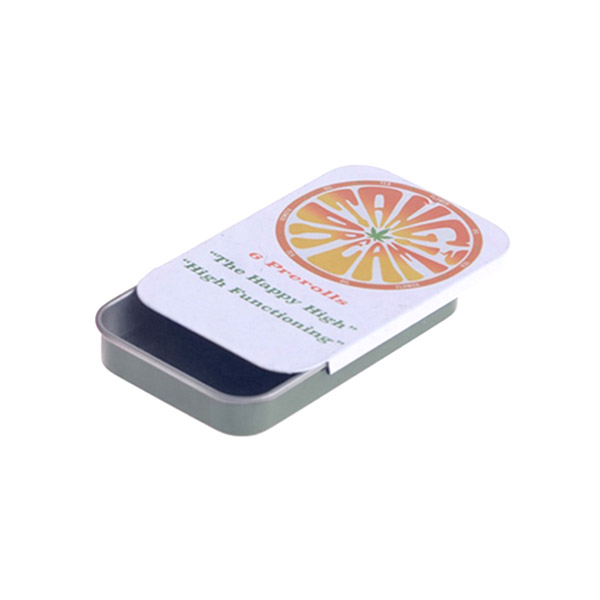
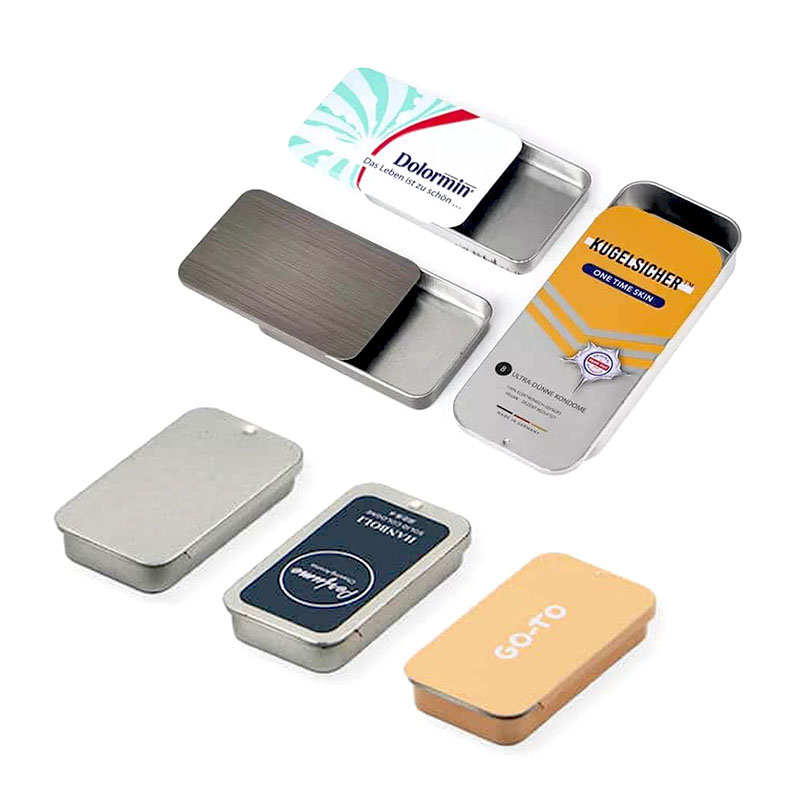
Schiebeblechdose, Größe: 80 * 50 * 20 mm, hergestellt aus 0,23 mm dickem Weißblech, CMYK-4-Farben- oder Panton-Druck, wir unterstützen jede Anpassung.
WEITERLESEN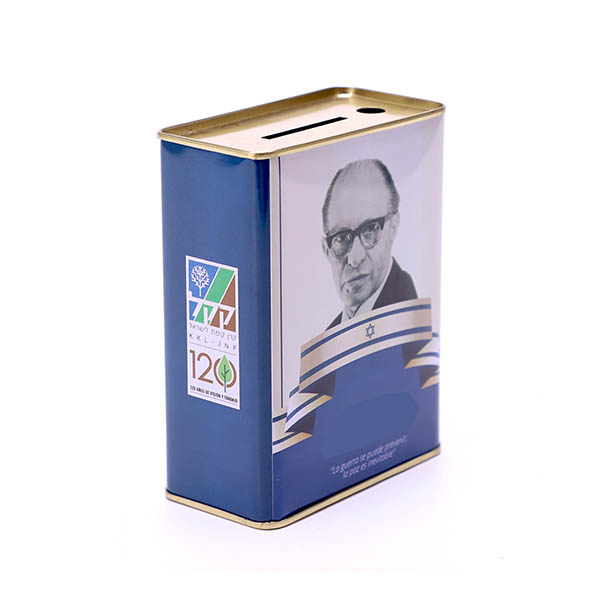
Langlebige Qualität und mehrfach verwendbar.Sichern Sie Ersparnisse und schützen Sie Ihr Geld vor Diebstahl.Dank der großen Auswahl an Größen und Stilen können Sie eines finden, das Ihren Anforderungen entspricht.Wird als Geschenk für Kinder und Freunde verwendet und eignet sich hervorragend zur kommerziellen Markenwerbung.Zuverlässiger Direktlieferant ab Werk, hohe Qualität zu wettbewerbsfähigen Preisen.
WEITERLESEN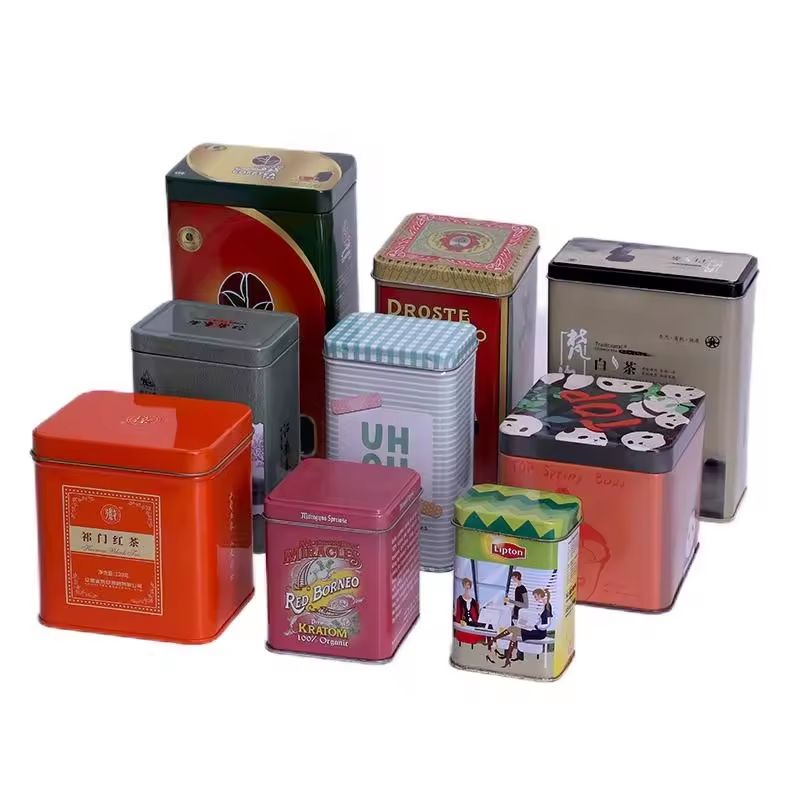
Entdecken Sie unsere Premium-Teedosen, die Ihren Tee frisch und aromatisch halten. Mit anpassbaren Größen und Designs vereinen diese hochwertigen Dosen Funktionalität mit Eleganz und sind ideal sowohl für Teeliebhaber als auch für Marken.
WEITERLESEN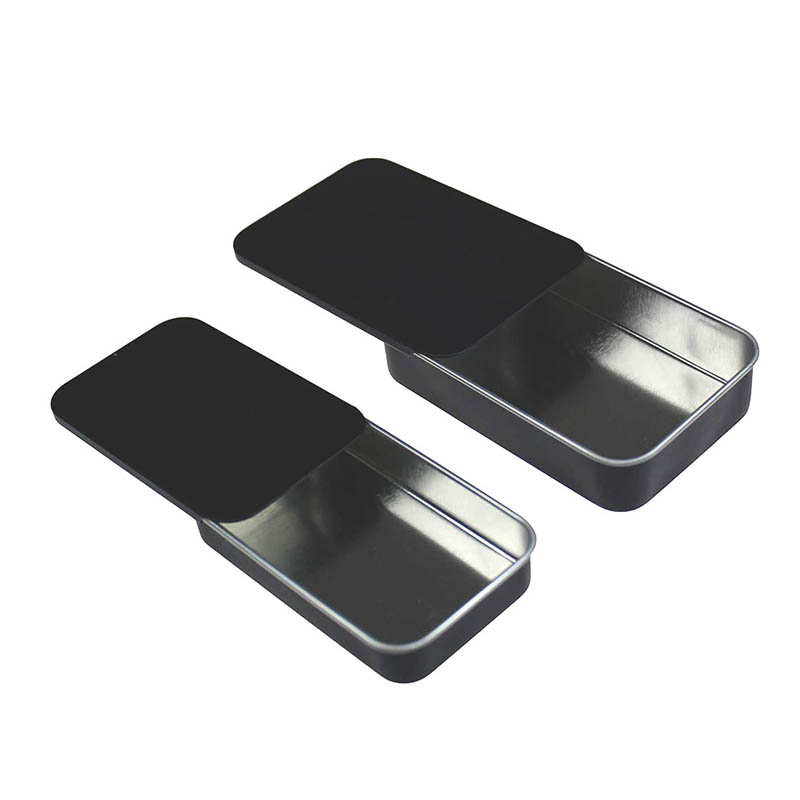
Optisch ansprechend, was sie für Kunden attraktiv macht.Einfach zu stapeln und dadurch platzsparend.Feuchtigkeitsbeständig und daher ideal für die Lagerung von Lebensmitteln.Ungiftig und daher sicher für Lebensmittel.Korrosionsbeständig und daher für die Lagerung von Produkten in feuchten Umgebungen geeignet.
WEITERLESEN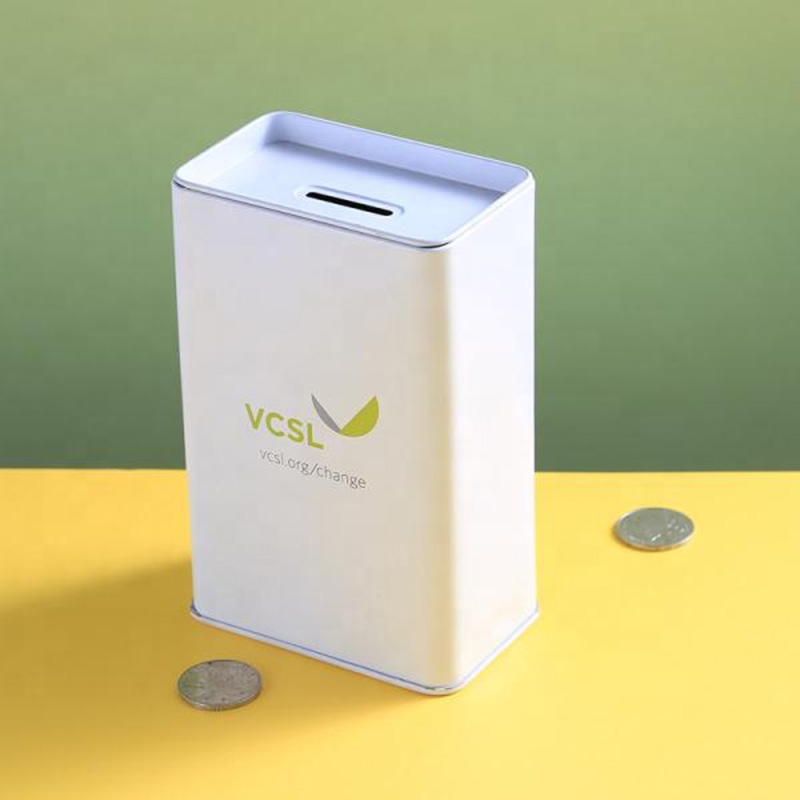
Langlebige Qualität und mehrfach verwendbar.Sichern Sie Ersparnisse und schützen Sie Ihr Geld vor Diebstahl.Dank der großen Auswahl an Größen und Stilen können Sie eines finden, das Ihren Anforderungen entspricht.Wird als Geschenk für Kinder und Freunde verwendet und eignet sich hervorragend zur kommerziellen Markenwerbung.Zuverlässiger Direktlieferant ab Werk, hohe Qualität zu wettbewerbsfähigen Preisen.
WEITERLESEN
Langlebig und mehrfach wiederverwendbar.Luftdicht, wodurch der Geschmack und das Aroma des Tees erhalten bleiben.Eine Vielzahl von Größen und Stilen macht es einfach, das Modell zu finden, das Ihren Anforderungen entspricht.Wird zur Aufbewahrung anderer Gegenstände wie Gewürze, Kräuter und anderer loser Teeblätter verwendet.Äußerst langlebig und kann Ihren Tee vor Feuchtigkeit, Licht und Luft schützen.
WEITERLESEN
Entdecken Sie eine vielfältige Auswahl an Blechverpackungslösungen, die ein umfassendes Produktsortiment umfassen.Der Einsatz moderner Verfahren sorgt für eine sichere Versiegelung und eine verlängerte Lagerdauer.Zu den geschätzten Partnern gehören bekannte Marken wie Mentos, Tic Tac und Altoids.Die Verwendung von hochwertigem Weißblechmaterial garantiert eine einwandfreie Versiegelung der Dose.Profitieren Sie von einem professionellen Designteam, modernster Druckausrüstung und einer makellosen Präsentation.
WEITERLESEN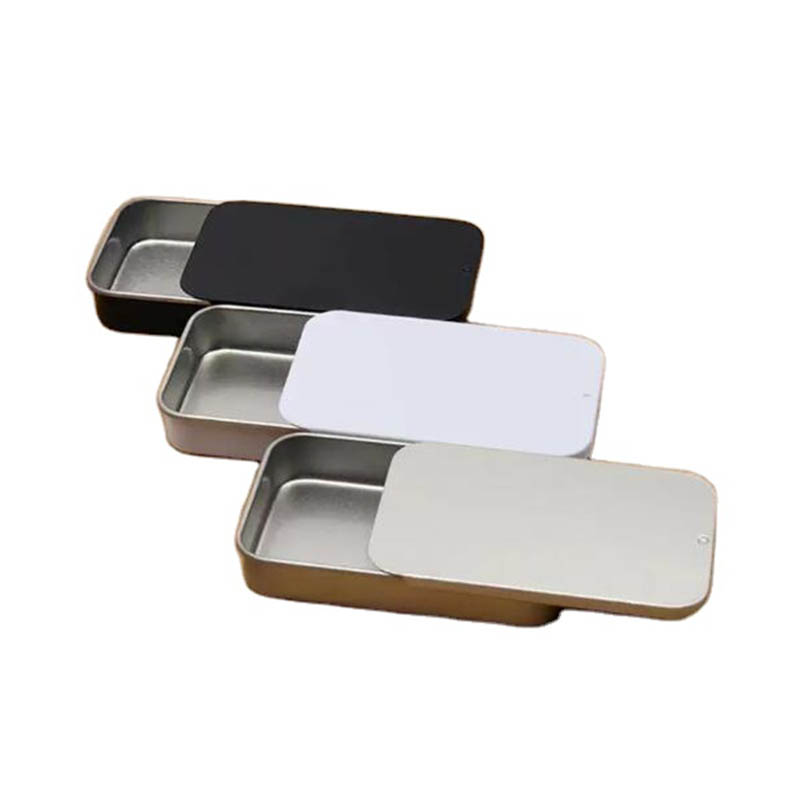
Eine großartige Möglichkeit, Ihr Produkt zu präsentieren und es von der Konkurrenz abzuheben.Robust und langlebig, bietet hervorragenden Schutz für Ihre Produkte.Verschiedene Größen und Formen, wodurch sie für ein breites Produktspektrum geeignet sind.Kostengünstig, was sie zu einer erschwinglichen Verpackungslösung macht.Recycelbar, was sie zu einer umweltfreundlichen Verpackungsoption macht.
WEITERLESEN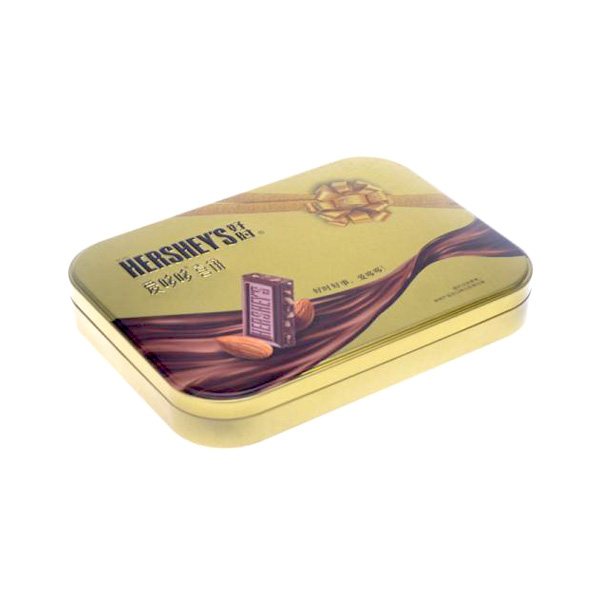
Unsere Optionen für Blechverpackungen decken alle Arten von Verpackungen ab und stellen sicher, dass Sie die beste Lösung erhalten.Durch die ausgefeilten Techniken kann eine effektive Versiegelung und längere Lagerung Ihrer Schokolade erreicht werden.Unser treuer Kundenstamm besteht aus bekannten Marken wie Oreo, Keebler, Chips Ahoy und Pepperidge Farm.Durch die Verwendung von erstklassigem Weißblech ist die Lebensmittelsicherheit Ihrer Verpackung garantiert.Professionelle Pantone- und 4-Farben-Druckmaschinen gewährleisten die hervorragende Präsentation von Blechdosen.
WEITERLESEN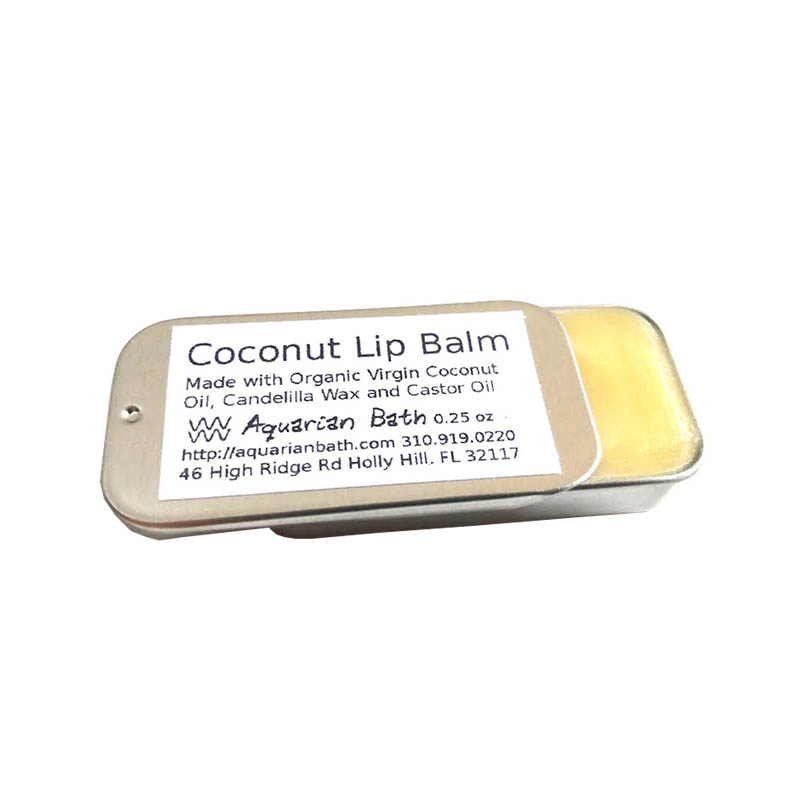
Umweltfreundlich, da sie aus recycelten Materialien hergestellt werden.Anpassbar, sodass Sie Ihrem Produkt ein einzigartiges Aussehen verleihen können.Vielseitig, da sie für verschiedene Zwecke eingesetzt werden können.Ideal für Werbezwecke, da sie mit Logos oder Slogans bedruckt werden können.Kostengünstige Verpackungslösung für Unternehmen.
WEITERLESEN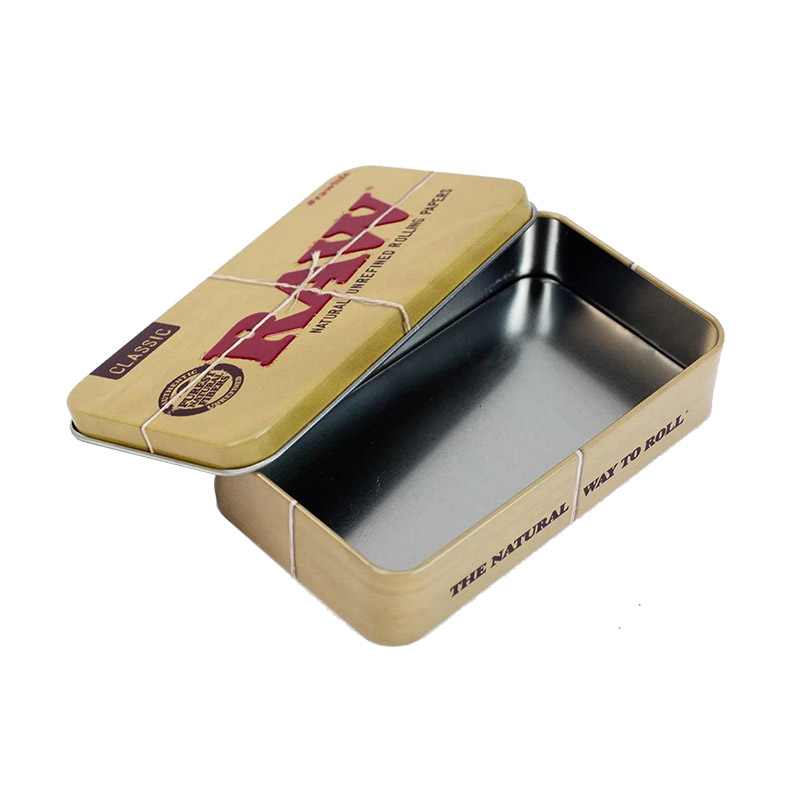
Große Auswahl an Blechverpackungslösungen, die die gesamte Produktpalette abdecken.Modernes Verfahren sorgt für eine gute Versiegelung und lange Lagerzeit.Zu den bekannten Partnern zählen führende Marken wie Mentos, Tic Tac, Altoids.Hochwertiges Weißblechmaterial sorgt dafür, dass die Dose perfekt versiegelt ist.Professionelles Designteam, fortschrittliche Druckausrüstung, perfekte Präsentation.
WEITERLESEN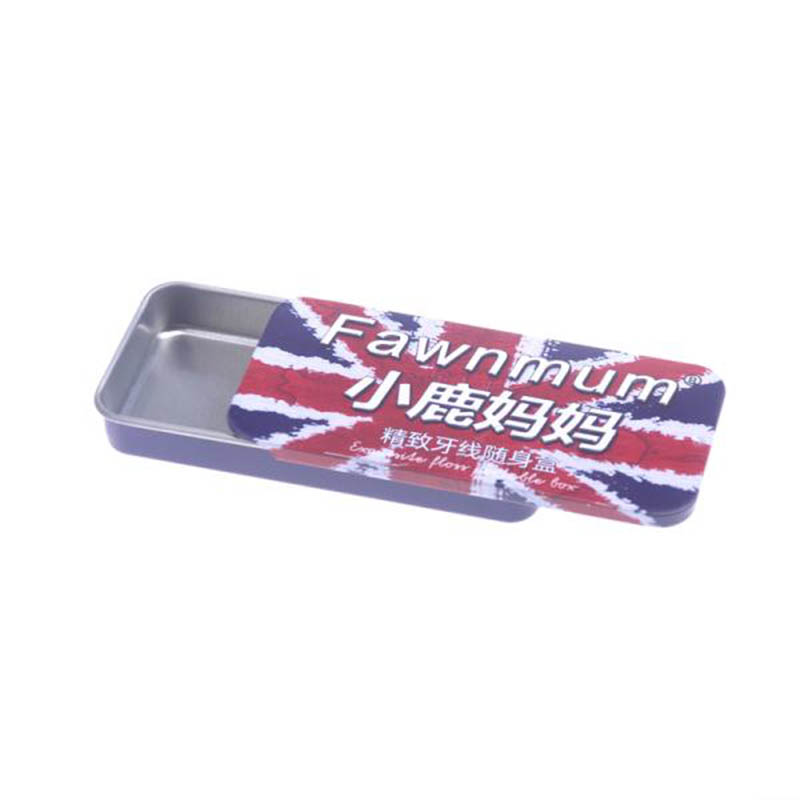
Sorgen Sie für einen luftdichten Verschluss, damit die Minze länger frisch bleibt.Eine Vielzahl von Größen und Stilen macht es einfach, das Modell zu finden, das Ihren Anforderungen entspricht.Hergestellt aus langlebigen Materialien, wodurch sie langlebig und resistent gegen Rost und Korrosion sind.Helfen Sie dabei, den wahrgenommenen Wert Ihrer Minzprodukte zu steigern.Attraktive und auffällige Möglichkeit, Ihre Minzbonbonprodukte in Szene zu setzen.
WEITERLESEN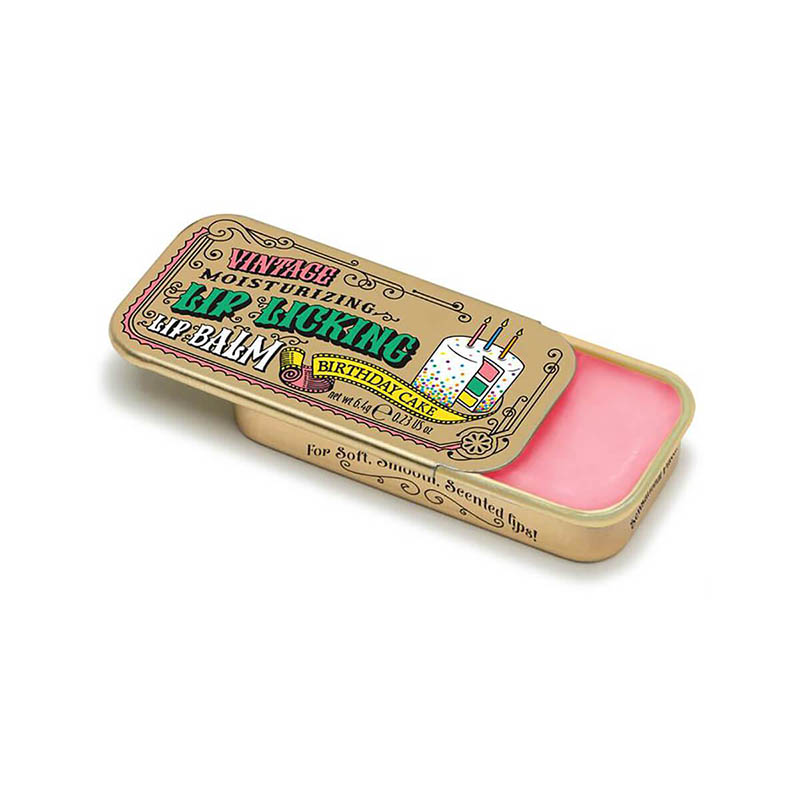
Kann mit Logos, Farben und anderen Branding-Elementen individuell angepasst werden.Kann zur Lagerung von Produkten über einen längeren Zeitraum verwendet werden.Relativ günstig im Vergleich zu anderen Verpackungsarten.Feuchtigkeitsbeständig und daher ideal für die Lagerung von Lebensmitteln.Tolle Möglichkeit, Produkten einen Mehrwert zu verleihen und ein einzigartiges Kundenerlebnis zu schaffen.
WEITERLESEN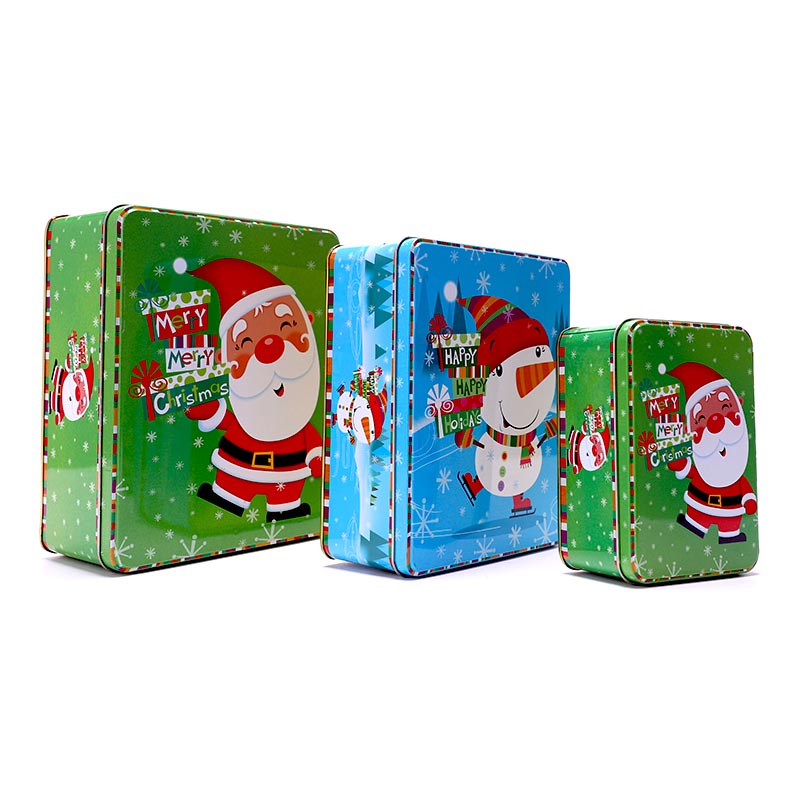
Unsere Auswahl an Verpackungsoptionen für Kekse ist so konzipiert, dass sie allen Arten von Verpackungsanforderungen gerecht wird.Mit unseren erfolgreichen Versiegelungstechniken stellen Sie sicher, dass Ihre Geschenke länger frisch und konserviert bleiben.Oreo, Keebler, Chips Ahoy und Pepperidge Farm sind berühmte Keksmarken, die uns die Treue halten.Seien Sie versichert, dass wir der Sicherheit Ihrer Geschenkverpackungen höchste Priorität einräumen, indem wir erstklassiges Weißblech in Lebensmittelqualität verwenden und so ein Höchstmaß an Qualität gewährleisten.Um erstklassige Qualität bei der Präsentation von Blechdosen zu gewährleisten, verwenden wir professionelle Pantone- und 4-Farben-Druckmaschinen.
WEITERLESEN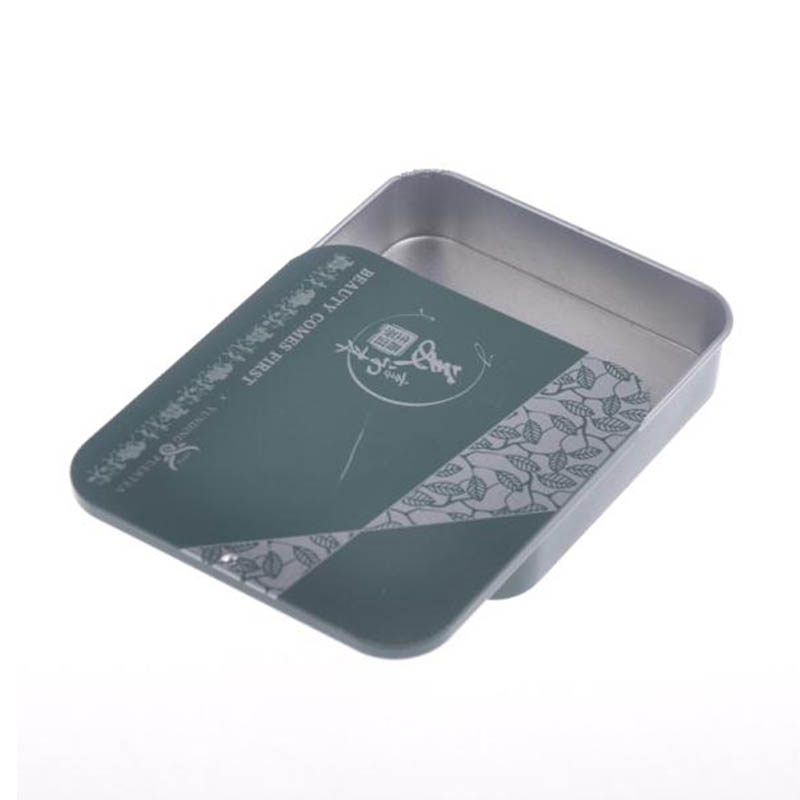
Luftdichter Verschluss, damit Ihre Minze frisch und aromatisch bleibt.Verschiedene Größen für jede Menge Minze.Personalisiert mit Ihrem eigenen Design oder Logo, was sie zu einer tollen Geschenkoption macht.Hergestellt aus robusten Materialien, die auf Langlebigkeit ausgelegt sind.Entwickelt, um stapelbar und einfach in jedem Schrank oder jeder Speisekammer zu verstauen.
WEITERLESEN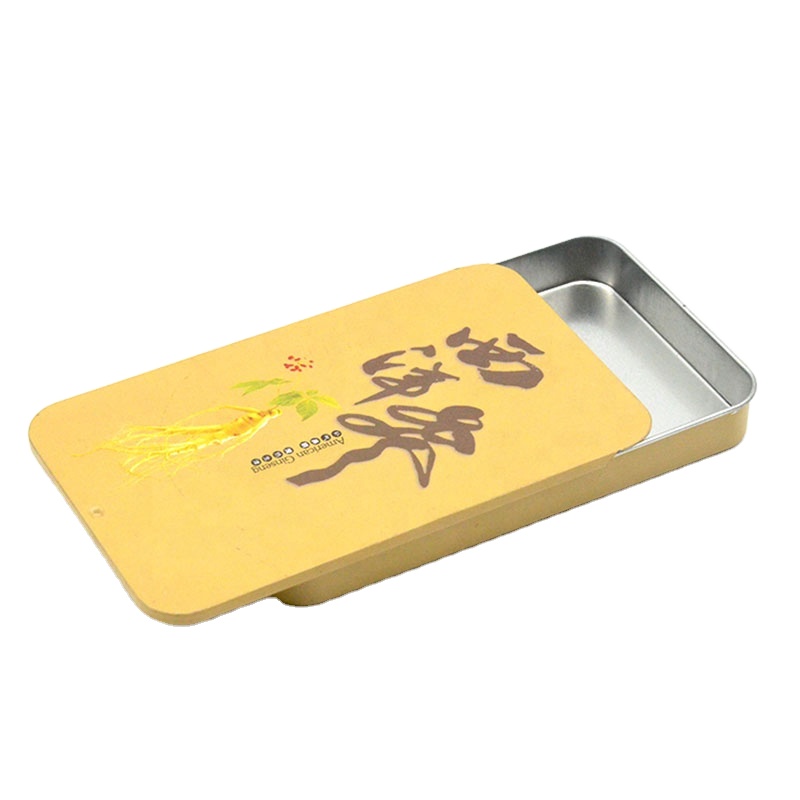
Hergestellt aus robusten, lebensmittelechten Materialien, die auf eine jahrelange Lebensdauer ausgelegt sind.Minzdosen verfügen über einen dicht schließenden Deckel, der dafür sorgt, dass Ihre Minze frisch und aromatisch bleibt.Eine Vielzahl von Stilareh-Designs, die mit Sicherheit beeindrucken werden.Machen Sie tolle Geschenke für jeden Anlass, vom Geburtstag bis zum Feiertag.Dank der großen Auswahl an Größen finden Sie ganz einfach die perfekte Größe für Ihre Bedürfnisse.
WEITERLESEN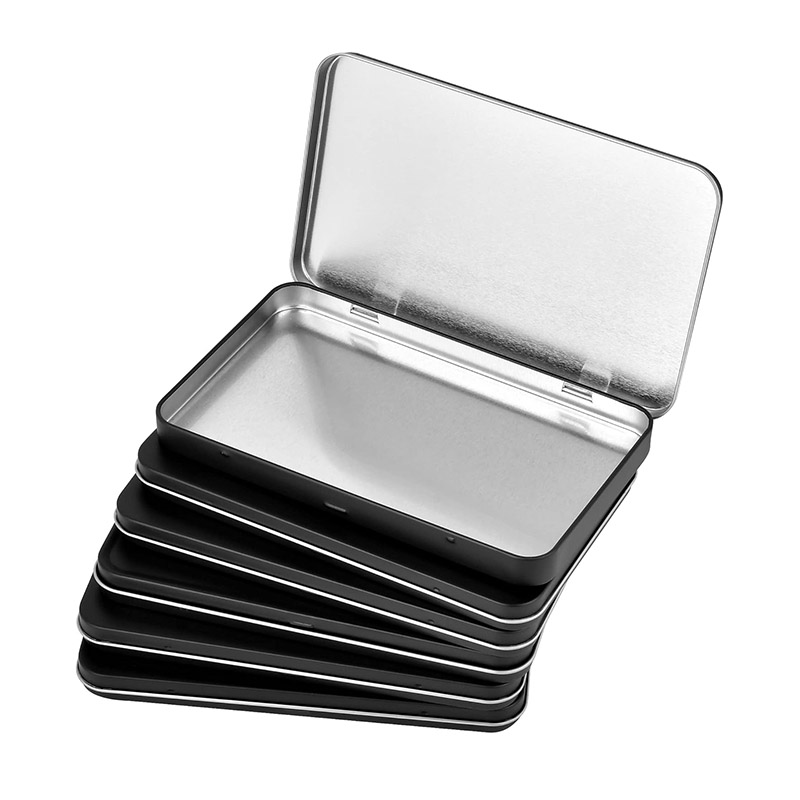
Große Auswahl an Blechverpackungslösungen, die die gesamte Produktpalette abdecken.Modernes Verfahren sorgt für eine gute Versiegelung und lange Lagerzeit.Zu den bekannten Partnern zählen führende Marken wie Mentos, Tic Tac, Altoids.Hochwertiges Weißblechmaterial sorgt dafür, dass die Dose perfekt versiegelt ist.Professionelles Designteam, fortschrittliche Druckausrüstung, perfekte Präsentation.
WEITERLESEN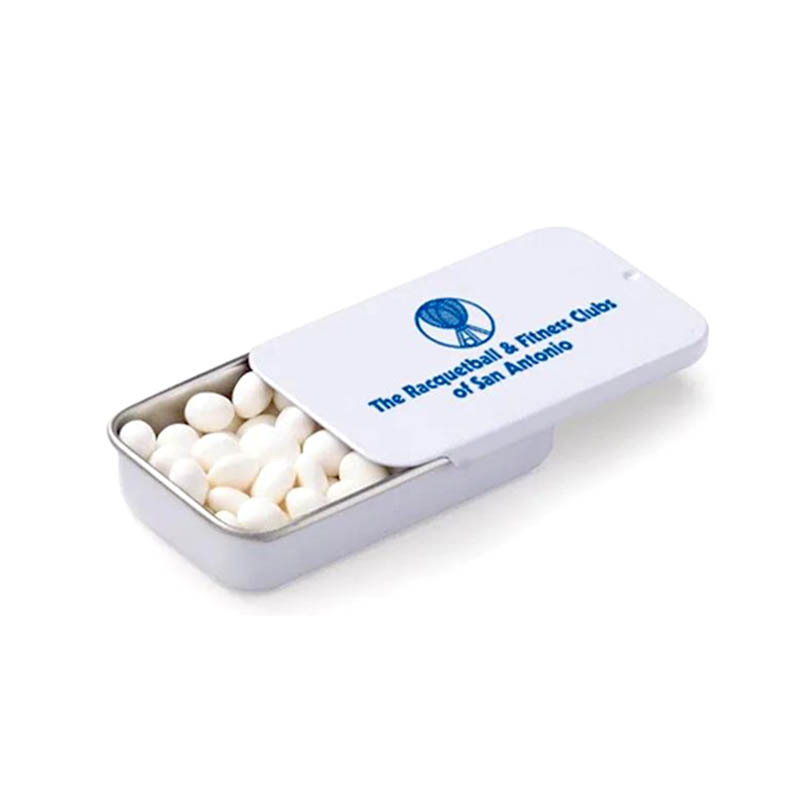
Sie lassen sich leicht auf- und abbauen und eignen sich daher hervorragend für temporäre Aufbewahrungslösungen.Stapelbar, wodurch sie sich hervorragend zur Maximierung des Stauraums eignen.Ideal für die Präsentation von Artikeln in Einzelhandelsgeschäften, da sie leicht geöffnet und geschlossen werden können.Ideal zum Aufbewahren und Organisieren von Dokumenten, da sie sicher und leicht zu beschriften sind.Perfekt zum Verschenken, da sie mit einem Design oder Logo personalisiert werden können.
WEITERLESEN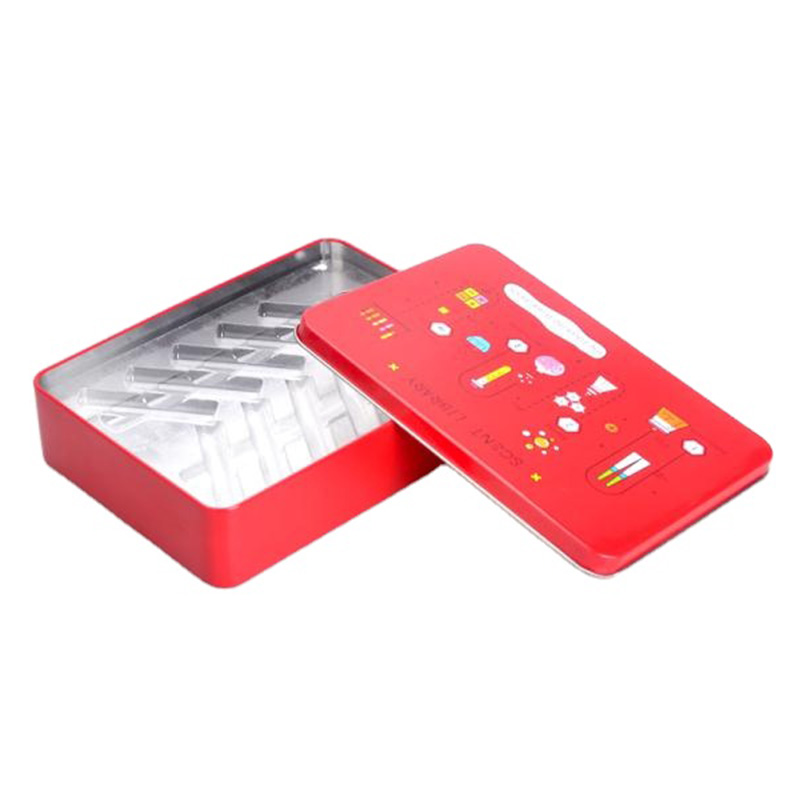
Ganz gleich, welche Art von Verpackung Sie benötigen, wir haben die passenden Verpackungsmöglichkeiten für Kekse.Mit erfolgreichen Versiegelungstechniken können Ihre Cookies über einen längeren Zeitraum gespeichert werden.Oreo, Keebler, Chips Ahoy und Pepperidge Farm sind berühmte Keksmarken, die uns die Treue halten.Die Verwendung von erstklassigem Weißblech in Lebensmittelqualität garantiert die Sicherheit Ihrer Keksverpackung.Professionelle Pantone- und 4-Farben-Druckmaschinen werden verwendet, um die hervorragende Qualität der Präsentationen in Blechdosen zu gewährleisten.
WEITERLESEN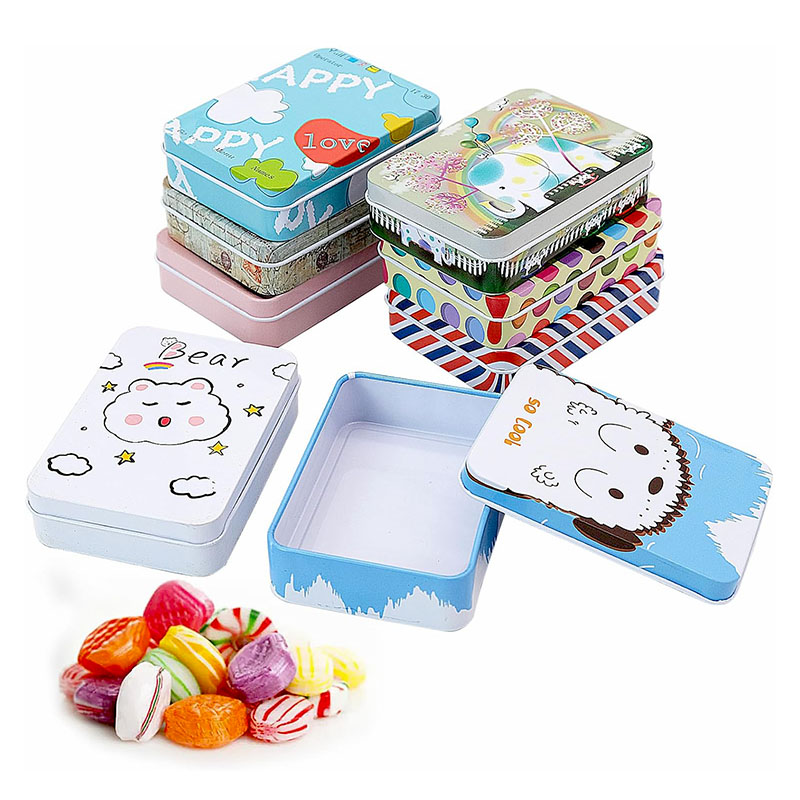
Diese Behälter sind für müheloses Stapeln konzipiert und vereinfachen die Lagerung und Organisation.Diese Behälter sind nicht nur wiederverwendbar, sondern auch vielseitig einsetzbar und dienen sowohl zur Aufbewahrung als auch zur Dekoration.Mit einer Vielzahl von Größen, Farben und Designs können Sie die ideale Lösung für Ihre Anforderungen finden.Das unkomplizierte Flip-Deckel-Design ermöglicht ein einfaches Öffnen und Schließen.Diese aus robustem Weißblech gefertigten Behälter sind so konstruiert, dass sie dem täglichen Gebrauch standhalten.
WEITERLESEN
Große Auswahl an Blechverpackungslösungen, die die gesamte Produktpalette abdecken.Modernes Verfahren sorgt für eine gute Versiegelung und lange Lagerzeit.Zu den bekannten Partnern zählen führende Marken wie Mentos, Tic Tac, Altoids.Hochwertiges Weißblechmaterial sorgt dafür, dass die Dose perfekt versiegelt ist.Professionelles Designteam, fortschrittliche Druckausrüstung, perfekte Präsentation.
WEITERLESEN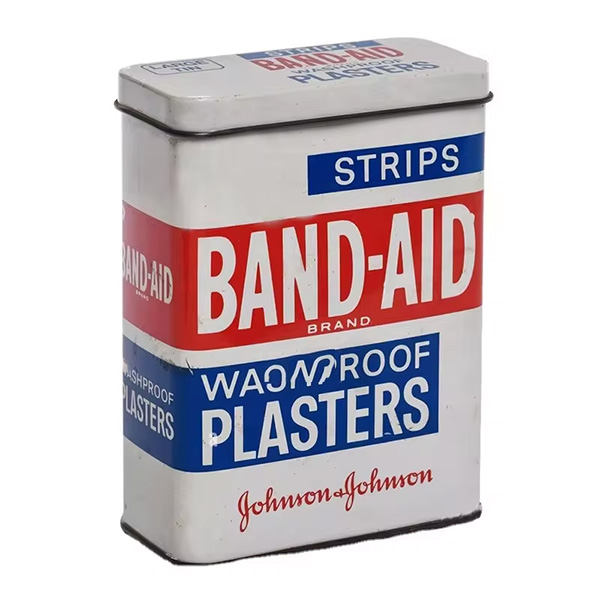
Bieten Sie verschiedene Größen an, um jede Menge Minze und Süßigkeiten aufzubewahren.Luftdichte und versiegelte Struktur, damit Ihre Minze frisch und aromatisch bleibt.Erschwinglich und mit hervorragendem Preis-Leistungs-Verhältnis.Wiederverwertbares Weißblechmaterial, das sie zu einer großartigen umweltfreundlichen Wahl macht.Fortschrittliche Panton-Farbdruckgeräte sorgen für modischere und wertvollere Designs.
WEITERLESEN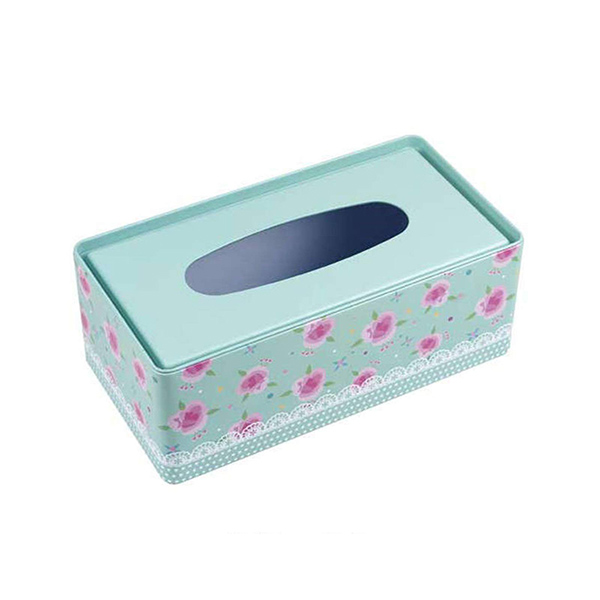
Unsere Auswahl an Verpackungsoptionen für Kekse ist so konzipiert, dass sie allen Arten von Verpackungsanforderungen gerecht wird.Mit unseren erfolgreichen Versiegelungstechniken stellen Sie sicher, dass Ihre Geschenke länger frisch und konserviert bleiben.Oreo, Keebler, Chips Ahoy und Pepperidge Farm sind berühmte Keksmarken, die uns die Treue halten.Seien Sie versichert, dass wir der Sicherheit Ihrer Geschenkverpackungen höchste Priorität einräumen, indem wir erstklassiges Weißblech in Lebensmittelqualität verwenden und so ein Höchstmaß an Qualität gewährleisten.Um erstklassige Qualität bei der Präsentation von Blechdosen zu gewährleisten, verwenden wir professionelle Pantone- und 4-Farben-Druckmaschinen.
WEITERLESEN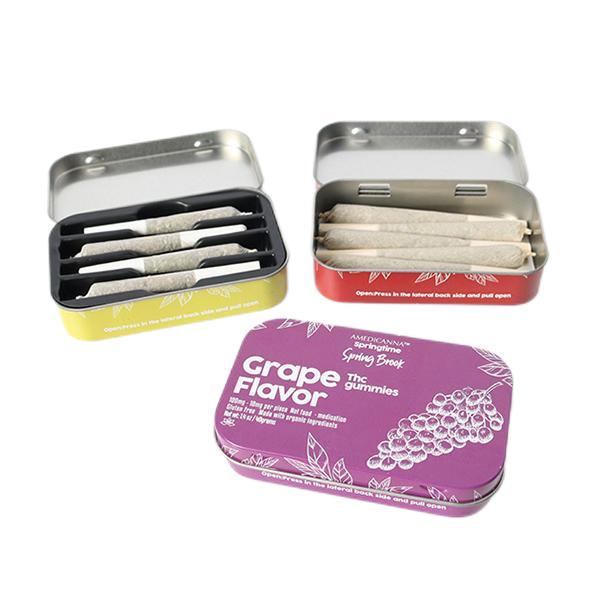
Um die Qualität zu steigern, bieten wir verschiedene Verpackungsmöglichkeiten für Zigaretten an.Zigarettendosen sind eine tolle Möglichkeit, Zigaretten aufzubewahren und länger frisch zu halten.Marlboro, Camel, Winston, diese globalen Marken sind unsere langfristigen Unternehmenspartner.Das lebensmittelechte Weißblechmaterial ist korrosionsbeständig und sorgt dafür, dass die Zigarette frisch bleibt.Druckgeräte von höchster Qualität, um Ihr Dosenverpackungsdesign perfekt zur Geltung zu bringen.
WEITERLESEN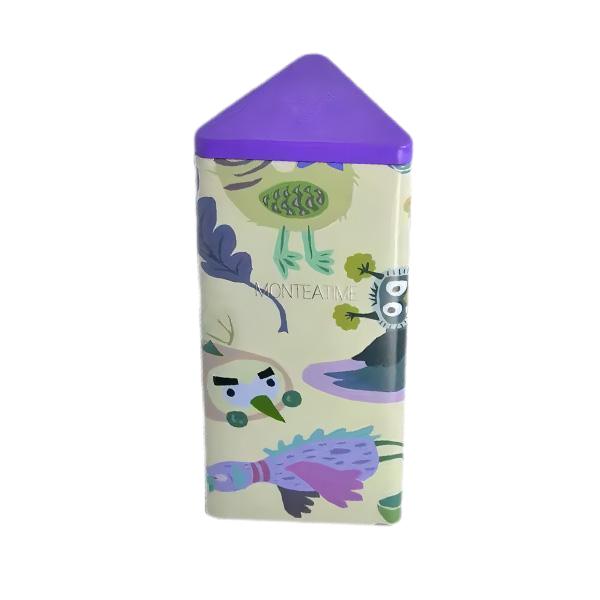
Robust und vielseitig einsetzbar.Sorgt für einen luftdichten Verschluss und bewahrt den Geschmack und das Aroma des Tees.Vielfältige Auswahl an Größen und Stilen, die die Auswahl eines Modells vereinfachen, das Ihren Anforderungen entspricht.Wird zur Aufbewahrung verschiedener Gegenstände wie Gewürze, Kräuter und lose Teeblätter verwendet.Außergewöhnlich robust und schützt Ihren Tee vor Feuchtigkeit, Licht und Luft.
WEITERLESEN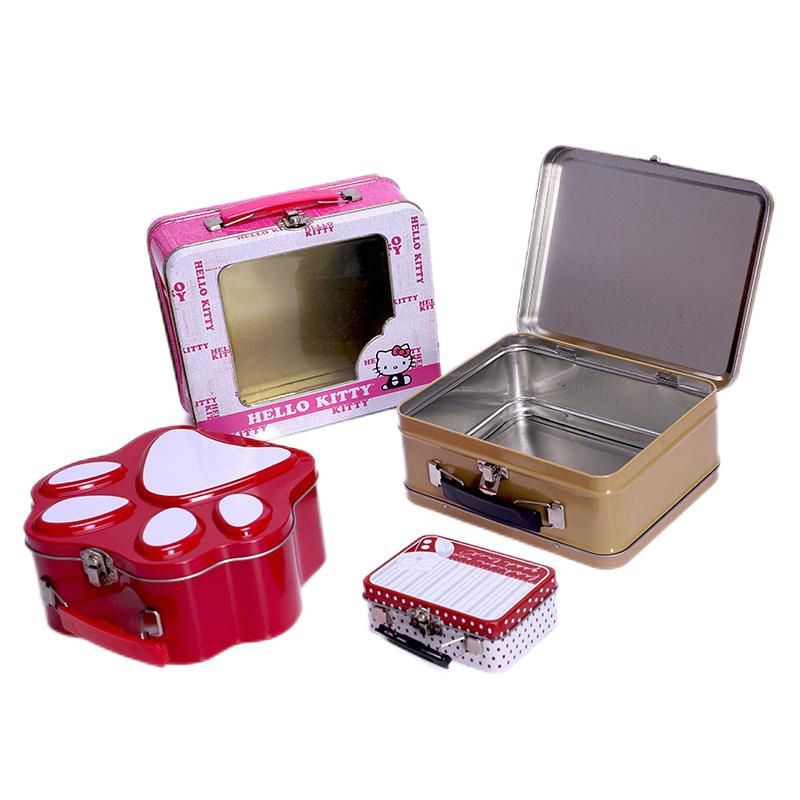
Metallblechdose mit Kunststoffgriff, Größe: 196 * 170 * 80 mm, Es besteht aus Weißblechmaterial mit einer Dicke von 0,23 mm, CMYK-4-Farben- oder Panton-Druck. Wir unterstützen jede Anpassung.
WEITERLESEN
Egal welche Art von Verpackung Sie benötigen, wir haben die perfekte Lösung für Sie.Fortschrittliche Techniken sorgen für eine effektive Versiegelung Ihrer Produkte und ermöglichen so erweiterte Lagermöglichkeiten.Renommierte Lebensmittelmarken wie Oreo, Keebler, Chips Ahoy und Pepperidge Farm gehören zu unseren treuen Kunden.Seien Sie versichert, dass Ihre Produkte in erstklassigem Weißblech verpackt werden, das für den direkten Kontakt mit Lebensmitteln geeignet ist.Professionelle Pantone- und 4-Farben-Druckmaschinen garantieren eine erstklassige Präsentation Ihrer Produkte in Blechdosen.
WEITERLESEN
Hergestellt aus Weißblech in Lebensmittelqualität, anpassbar für verschiedene Anwendungen.Robust und vor Feuchtigkeit und Licht geschützt, lange Haltbarkeit des Inhalts.Bietet mehrere Größen und Stile, um Ihren vielfältigen Anforderungen gerecht zu werden.Anpassbar mit Logos und Designs, um Marken- oder individuelle Verpackungsanforderungen zu erfüllen.Zur Aufbewahrung oder als Dekorationsartikel wiederverwendbar, recycelbar und umweltfreundlich.
WEITERLESEN
Wir haben genau die richtige Verpackungslösung für Sie, maßgeschneidert auf Ihre Bedürfnisse.Unsere hochmodernen Methoden stellen sicher, dass Ihre Produkte sicher versiegelt sind und eine längere Lagerung ermöglichen.Einige der größten Namen im Lebensmittelbereich, darunter Oreo, Keebler, Chips Ahoy und Pepperidge Farm, vertrauen uns ihr Geschäft an.Sie können sicher sein, dass Ihre Produkte in erstklassigem Weißblech verpackt werden, das sicher für den Kontakt mit Lebensmitteln ist.Modernste Pantone- und 4-Farben-Drucktechnologie sorgen dafür, dass Ihre Blechdosen bei Ihrer Produktpräsentation durch unübertroffene Qualität hervorstechen.
WEITERLESEN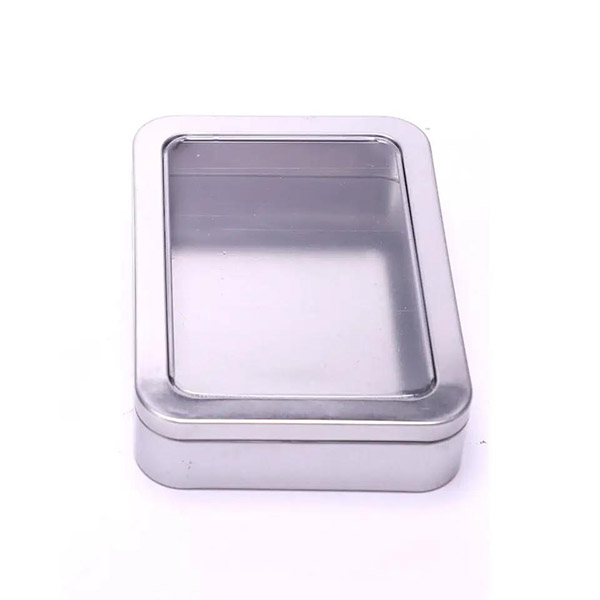
Metalldose mit Fenster, Größe: 127 * 93 * 30 mm, hergestellt aus 0,23 mm dickem Weißblech, CMYK-4-Farben- oder Panton-Druck, wir unterstützen jede Anpassung.
WEITERLESEN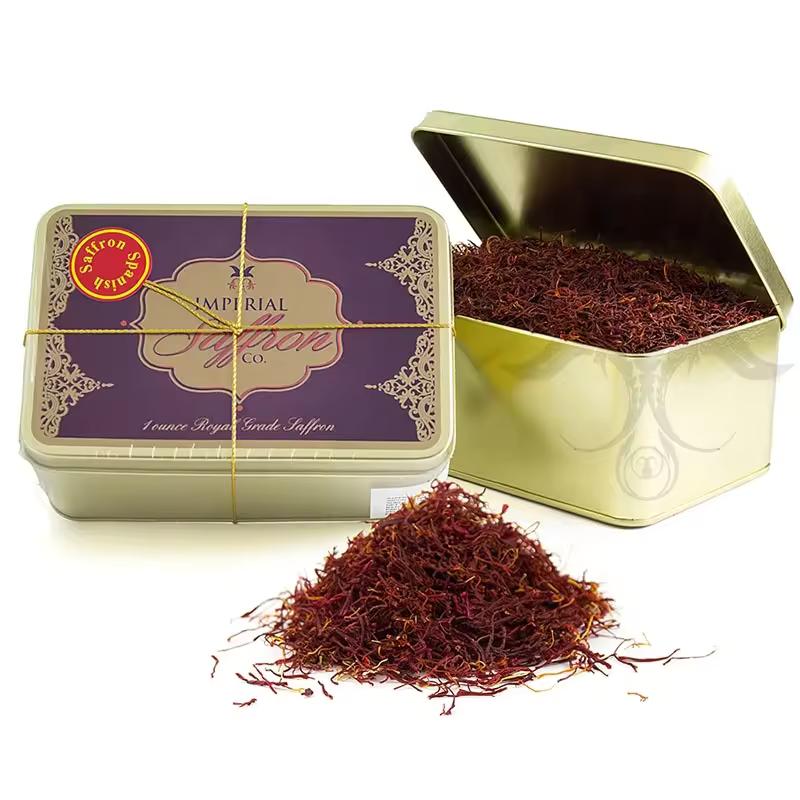
Große Auswahl an Blechverpackungslösungen, die die gesamte Produktpalette abdecken.Modernes Verfahren sorgt für eine gute Versiegelung und lange Lagerzeit.Zu den bekannten Partnern zählen führende Marken wie Mentos, Tic Tac, Altoids.Hochwertiges Weißblechmaterial sorgt dafür, dass die Dose perfekt versiegelt ist.Professionelles Designteam, fortschrittliche Druckausrüstung, perfekte Präsentation.
WEITERLESEN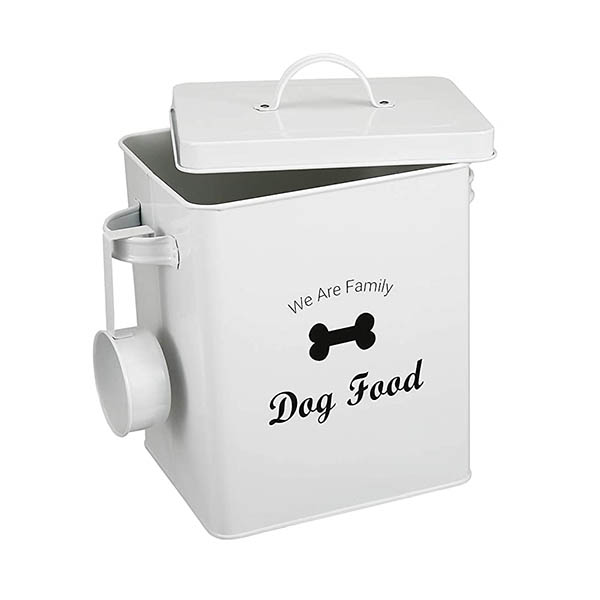
Aufbewahrungsbehälter für Tiernahrung, Größe: 180 * 155 * 230 mm, hergestellt aus 0,35 mm dicker verzinkter Platte, CMYK-4-Farben- oder Panton-Druck, wir unterstützen jede Anpassung.
WEITERLESEN
Langlebig und mehrfach wiederverwendbar.Luftdicht, wodurch der Geschmack und das Aroma des Tees erhalten bleiben.Eine Vielzahl von Größen und Stilen macht es einfach, das Modell zu finden, das Ihren Anforderungen entspricht.Wird zur Aufbewahrung anderer Gegenstände wie Gewürze, Kräuter und anderer loser Teeblätter verwendet.Äußerst langlebig und kann Ihren Tee vor Feuchtigkeit, Licht und Luft schützen.
WEITERLESEN
Diese Behälter lassen sich leicht stapeln und machen die Aufbewahrung und Organisation zum Kinderspiel.Diese Behälter sind nicht nur wiederverwendbar, sondern auch vielseitig einsetzbar und dienen sowohl zur Aufbewahrung als auch zur Dekoration.Mit einer Vielzahl von Größen, Farben und Designs finden Sie die perfekte Lösung für Ihre Bedürfnisse.Das einfache Flip-Deckel-Design ermöglicht ein einfaches Öffnen und Schließen.Diese aus robustem Weißblech gefertigten Behälter sind auf Langlebigkeit ausgelegt und halten dem täglichen Gebrauch stand.
WEITERLESEN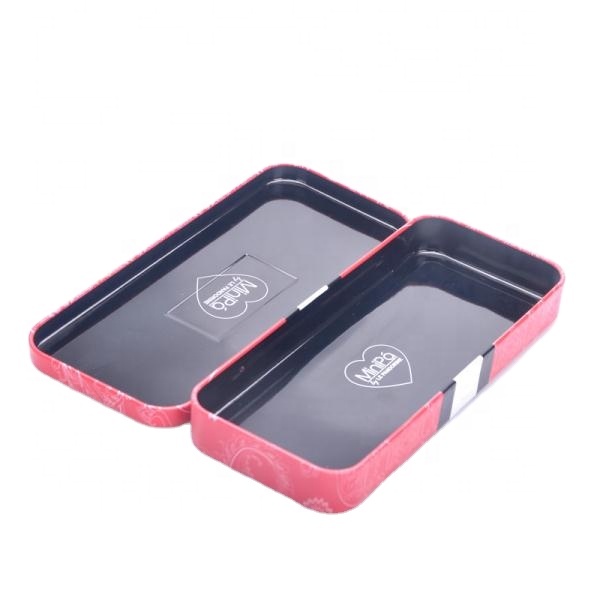
Bleistifthalter aus Metallblech, Größe: 195 * 85 * 25 mm, hergestellt aus 0,23 mm dickem Weißblech, CMYK-4-Farben- oder Panton-Druck, wir unterstützen jede Anpassung.
WEITERLESEN
Langlebig und mehrfach wiederverwendbar.Luftdicht, wodurch der Geschmack und das Aroma des Tees erhalten bleiben.Eine Vielzahl von Größen und Stilen macht es einfach, das Modell zu finden, das Ihren Anforderungen entspricht.Wird zur Aufbewahrung anderer Gegenstände wie Gewürze, Kräuter und anderer loser Teeblätter verwendet.Äußerst langlebig und kann Ihren Tee vor Feuchtigkeit, Licht und Luft schützen.
WEITERLESEN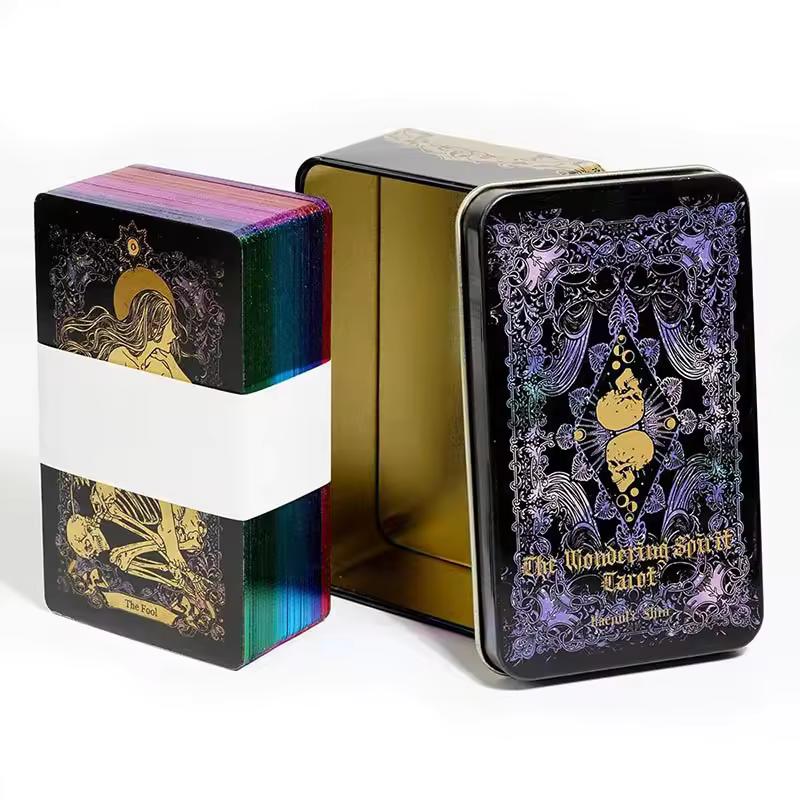
Entdecken Sie eine vielfältige Auswahl an Blechverpackungslösungen, die für eine breite Produktpalette geeignet sind.Unsere modernen Prozesse garantieren eine sichere Versiegelung und lange Lagerzeit.Arbeiten Sie mit bekannten Marken wie Mentos, Tic Tac und Altoids zusammen.Die Verwendung von hochwertigem Weißblechmaterial sorgt für eine einwandfreie Versiegelung Ihrer Weißblechverpackung.Profitieren Sie von einem professionellen Designteam, modernster Druckausrüstung und tadellosen Präsentationsstandards.
WEITERLESEN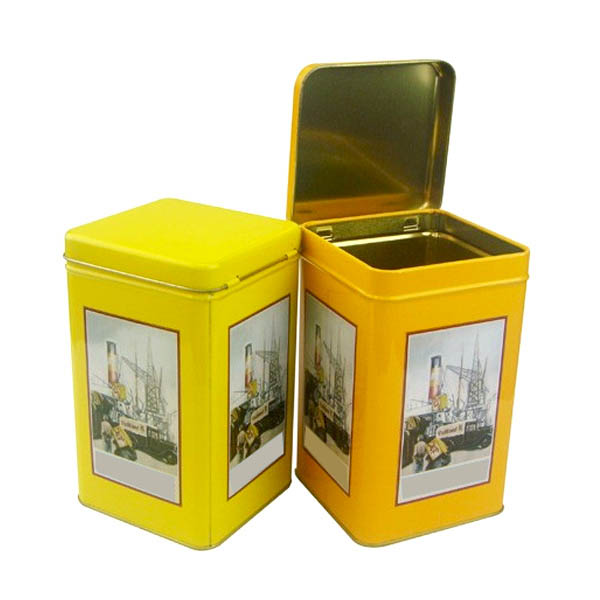
Blechdose aus Metall mit Klappdeckel, Größe: 102*102*170mm, Es besteht aus Weißblechmaterial mit einer Dicke von 0,23 mm, CMYK-4-Farben- und Panton-Druck. Wir unterstützen jede Anpassung.
WEITERLESEN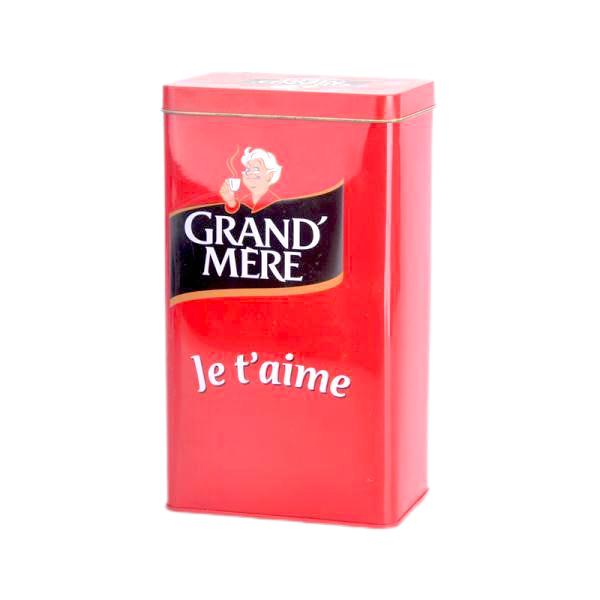
Wir führen eine Reihe von Verpackungslösungen für Teedosen, aus denen Sie wählen können.Ein verbesserter Prozess sorgt für eine wirksame Versiegelung und langfristige Lagerung Ihres Tees.Top-Teemarken wie Lipton, Twinings und Tetley sind unsere treuen Kunden.Die Teeverpackung besteht aus von der FDA zugelassenem Weißblech in Lebensmittelqualität, um maximale Sicherheit zu gewährleisten.Professionelle Druckausrüstung zur perfekten Präsentation Ihres Verpackungsdesigns für Teedosen.
WEITERLESEN
Rechteckige Kaffee-Tee-Blechdose, Größe: 85 * 85 * 150 mm, Es besteht aus Weißblechmaterial mit einer Dicke von 0,23 mm, CMYK-4-Farben- und Panton-Druck. Wir unterstützen jede Anpassung.
WEITERLESEN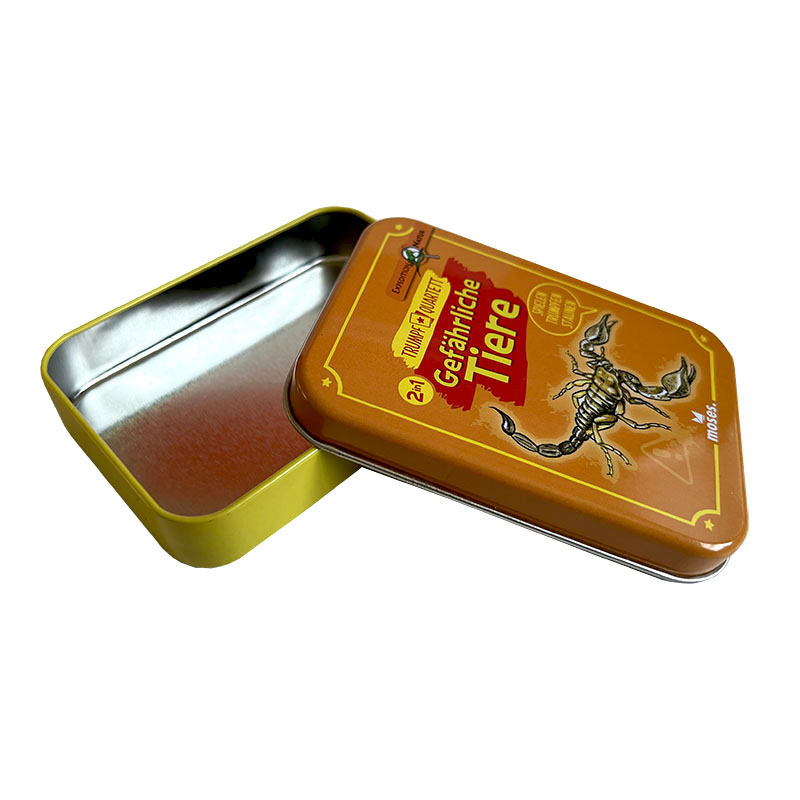
Kleine Blechdose aus Metall, Größe: 95 x 65 x 19 mm, Es besteht aus Weißblechmaterial mit einer Dicke von 0,23 mm, CMYK-4-Farben- und Panton-Druck. Wir unterstützen jede Anpassung.
WEITERLESEN
Hergestellt aus Weißblech in Lebensmittelqualität, anpassbar für verschiedene Anwendungen.Robust und vor Feuchtigkeit und Licht geschützt, lange Haltbarkeit des Inhalts.Bietet mehrere Größen und Stile, um Ihren vielfältigen Anforderungen gerecht zu werden.Anpassbar mit Logos und Designs, um Marken- oder individuelle Verpackungsanforderungen zu erfüllen.Wiederverwendbar zur Aufbewahrung oder als Dekorationsartikel, recycelbar und umweltfreundlich.
WEITERLESEN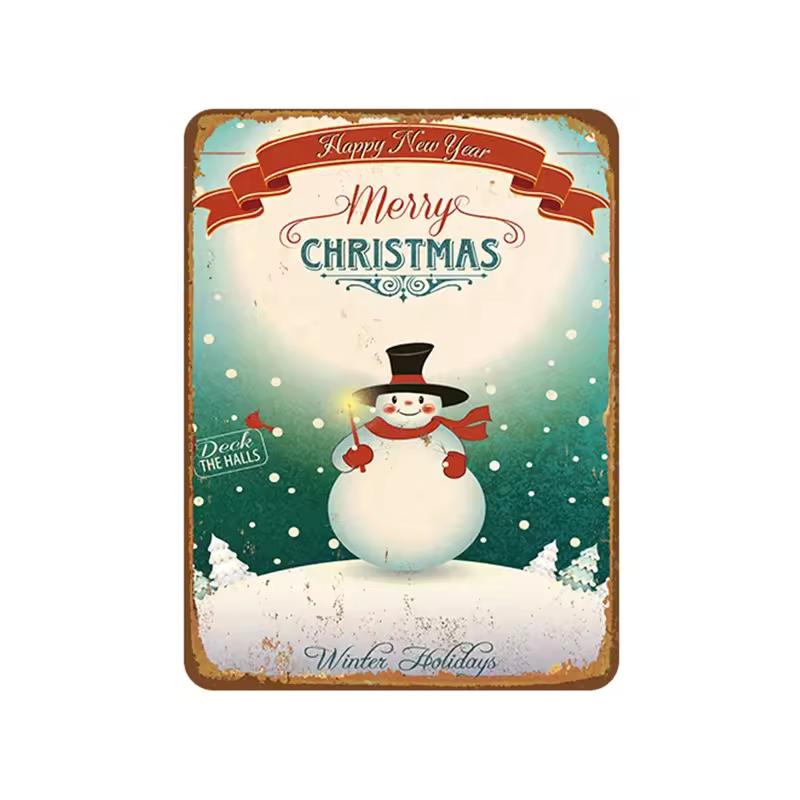
Hergestellt aus Weißblech in Lebensmittelqualität, anpassbar für verschiedene Anwendungen.Robust und vor Feuchtigkeit und Licht geschützt, lange Haltbarkeit des Inhalts.Bietet mehrere Größen und Stile, um Ihren vielfältigen Anforderungen gerecht zu werden.Anpassbar mit Logos und Designs, um Marken- oder individuelle Verpackungsanforderungen zu erfüllen.Wiederverwendbar zur Aufbewahrung oder als Dekorationsartikel, recycelbar und umweltfreundlich.
WEITERLESEN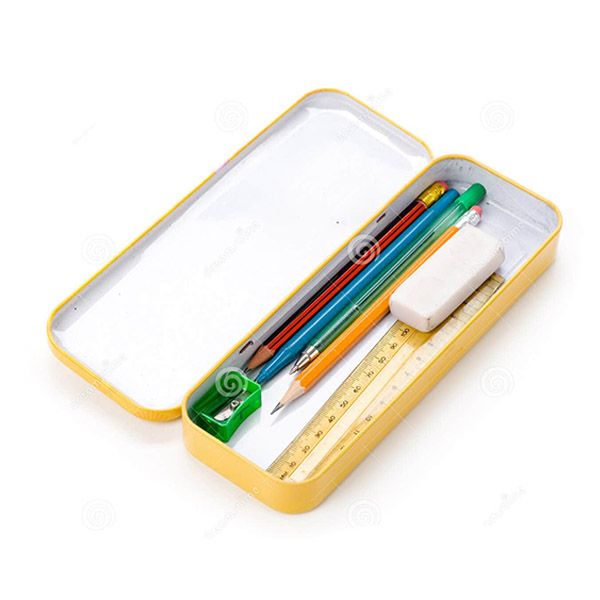
Hergestellt aus robusten Weißblechmaterialien, die ihre Haltbarkeit und Langlebigkeit gewährleisten.Schützen Sie Ihr Briefpapier mit einer sicheren Barriere und bewahren Sie es so vor Beschädigung oder Verlust.Eine große Auswahl an Größen und Stilen, einschließlich Halterungen und Koffern, erfüllt alle Ihre spezifischen Bedürfnisse und Vorlieben.Mit modernster Farbdruckmaschine, die jedem einzelnen Stück eine persönliche und faszinierende Note verleiht.Wir garantieren, dass Sie erstklassige Produkte von außergewöhnlicher Qualität zu einem äußerst wettbewerbsfähigen Preis erhalten.
WEITERLESEN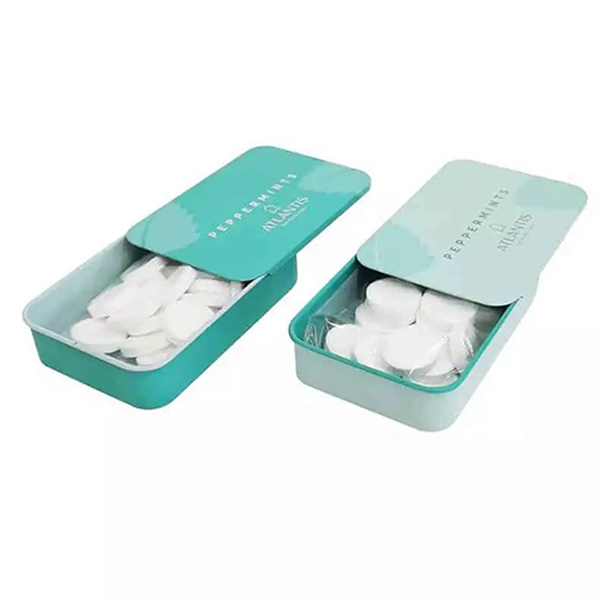
Sie lassen sich leicht auf- und abbauen und eignen sich daher hervorragend für temporäre Aufbewahrungslösungen.Stapelbar, wodurch sie sich hervorragend zur Maximierung des Stauraums eignen.Ideal für die Präsentation von Artikeln in Einzelhandelsgeschäften, da sie leicht geöffnet und geschlossen werden können.Ideal zum Aufbewahren und Organisieren von Dokumenten, da sie sicher und leicht zu beschriften sind.Perfekt zum Verschenken, da sie mit einem Design oder Logo personalisiert werden können.
WEITERLESEN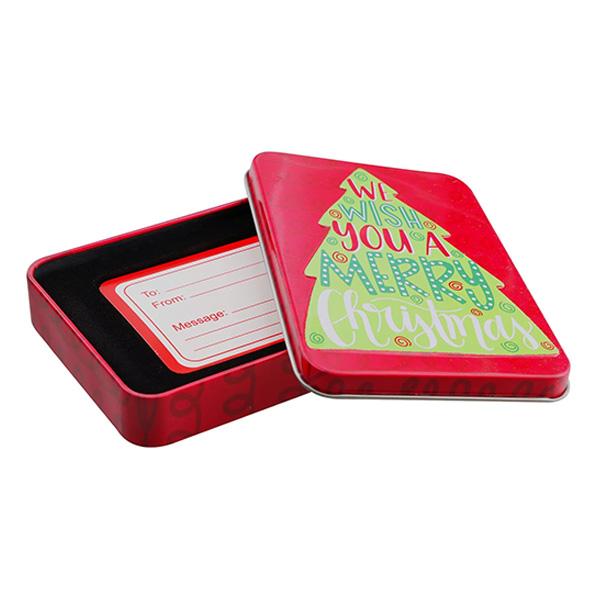
Diese Behälter lassen sich leicht stapeln und machen die Aufbewahrung und Organisation zum Kinderspiel.Diese Behälter sind nicht nur wiederverwendbar, sondern auch vielseitig einsetzbar und dienen sowohl zur Aufbewahrung als auch zur Dekoration.Mit einer Vielzahl von Größen, Farben und Designs finden Sie die perfekte Lösung für Ihre Bedürfnisse.Das einfache Flip-Deckel-Design ermöglicht ein einfaches Öffnen und Schließen.Diese aus robustem Weißblech gefertigten Behälter sind auf Langlebigkeit ausgelegt und halten dem täglichen Gebrauch stand.
WEITERLESEN
Eine Seifendose ist eine langlebige und umweltfreundliche Verpackungslösung, die sich perfekt zum Aufbewahren und Schützen von Seife eignet. Seine robuste Metallkonstruktion hält die Seife trocken und intakt, während das kompakte Design ideal für unterwegs ist. Es ist in verschiedenen Stilen und anpassbaren Optionen erhältlich und verleiht Ihrer Körperpflegeroutine einen Hauch von Eleganz.
WEITERLESEN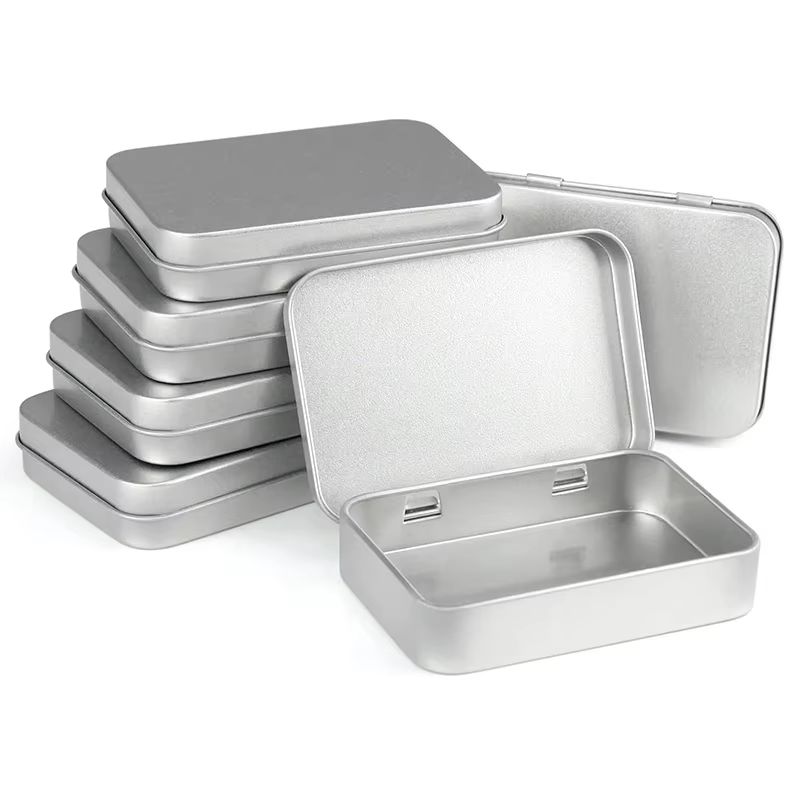
Eine Seifendose bietet eine langlebige, umweltfreundliche Verpackungslösung zur Aufbewahrung und zum Schutz von Seife. Seine robuste Metallkonstruktion sorgt dafür, dass die Seife trocken und intakt bleibt, während sein kompaktes Design ihn perfekt für unterwegs macht. Mit anpassbaren Optionen und verschiedenen Stilen verleiht es Ihrer Körperpflegeroutine eine elegante Note.
WEITERLESEN
Eine Seifendose bietet eine langlebige, umweltfreundliche Verpackungslösung, die Ihre Seife effektiv aufbewahrt und schützt. Die robuste Metallkonstruktion hält die Seife trocken und intakt und eignet sich daher perfekt für unterwegs. Mit anpassbaren Optionen und verschiedenen stilvollen Designs verleiht es Ihrer Körperpflegeroutine einen Hauch von Raffinesse.
WEITERLESEN
Eine Bonbondose ist eine stilvolle und praktische Verpackungslösung, ideal, um die Frische und den Geschmack Ihrer Süßigkeiten zu bewahren. Seine robuste Metallkonstruktion sorgt dafür, dass der Inhalt sicher bleibt, während die kompakte Größe ihn perfekt für Leckereien unterwegs macht. Es ist in verschiedenen Designs und individuell anpassbaren Optionen erhältlich, steigert die Attraktivität Ihrer Süßigkeiten und ist eine wunderbare Geschenkidee.
WEITERLESEN
Eine Schuhcreme-Dose ist eine langlebige und umweltfreundliche Verpackungslösung, die sich perfekt zum Aufbewahren und Konservieren von Schuhcreme eignet. Seine stabile Metallkonstruktion schützt den Lack vor dem Austrocknen und sorgt so für eine lange Nutzungsdauer. Das kompakte Design ist praktisch für unterwegs und erleichtert die Pflege Ihrer Schuhe unterwegs. Es ist in verschiedenen Ausführungen und anpassbaren Optionen erhältlich und verleiht Ihrer Schuhpflegeroutine einen Hauch von Raffinesse.
WEITERLESEN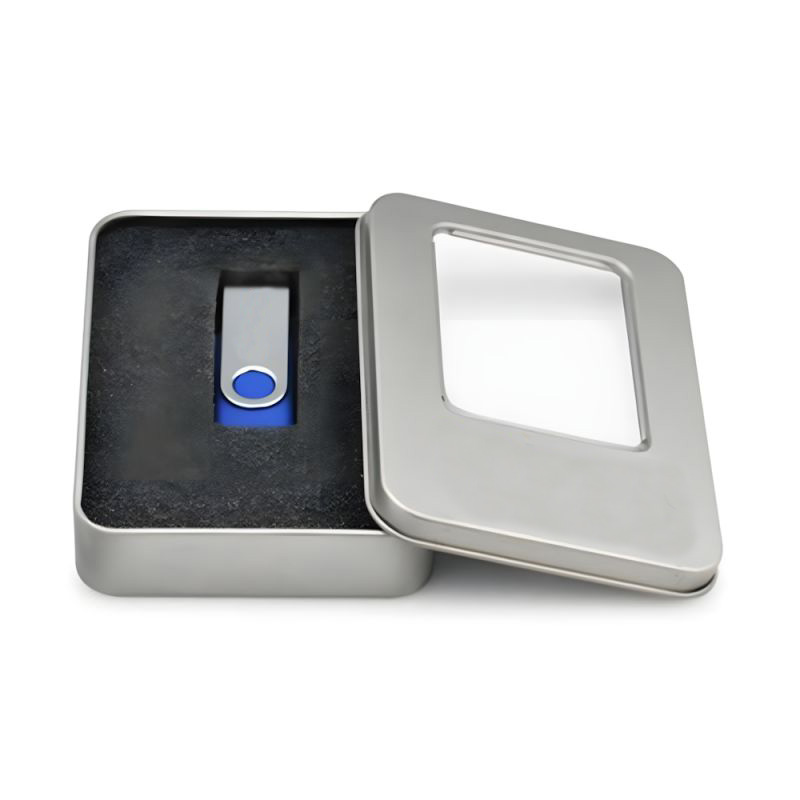
Eine USB-Metalldose ist eine langlebige und elegante Verpackungslösung, die sich perfekt zum Aufbewahren und Schützen Ihrer USB-Laufwerke eignet. Seine robuste Metallkonstruktion schützt den USB vor Beschädigungen und gewährleistet so seine Langlebigkeit und Zuverlässigkeit. Das kompakte Design erleichtert das Tragen und Aufbewahren, egal ob zu Hause oder unterwegs. Die in verschiedenen Stilen und anpassbaren Optionen erhältliche USB-Metalldose verleiht Ihrem technischen Zubehör eine professionelle und stilvolle Note und ist somit eine ausgezeichnete Wahl für den persönlichen und geschäftlichen Gebrauch
WEITERLESEN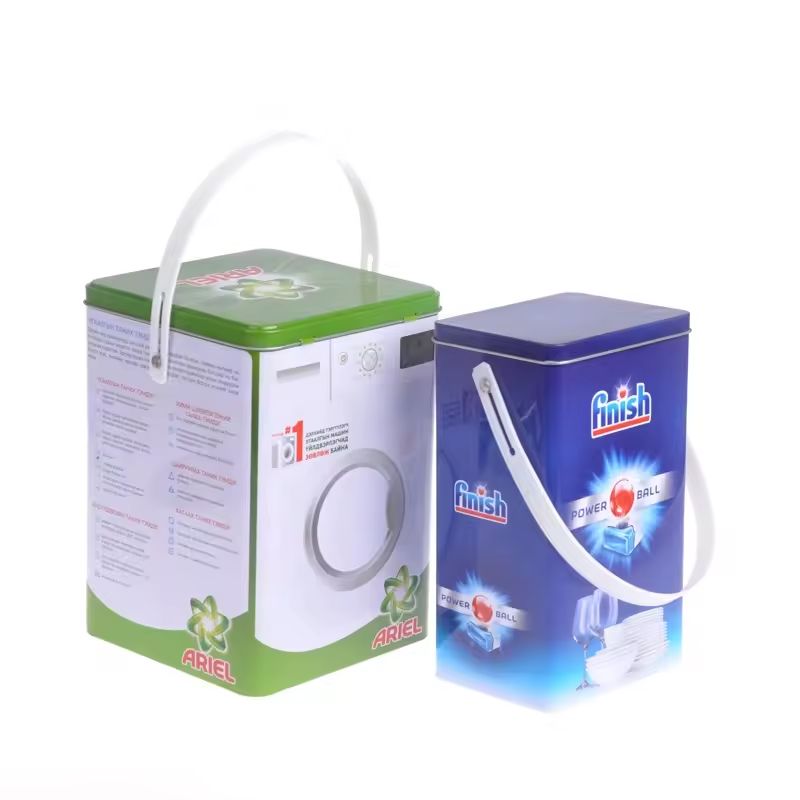
Eine Waschmittel-Dose ist eine langlebige und umweltfreundliche Verpackung, die sich perfekt für die Aufbewahrung und Konservierung von Waschmitteln eignet. Seine robuste Metallkonstruktion hält das Waschmittel trocken und sicher vor Feuchtigkeit und sorgt so für langanhaltende Frische. Das kompakte Design erleichtert die Aufbewahrung und das Reisen. Er ist in verschiedenen Designs mit anpassbaren Optionen erhältlich und verleiht Ihrer Wäscheroutine einen Hauch von Raffinesse.
WEITERLESEN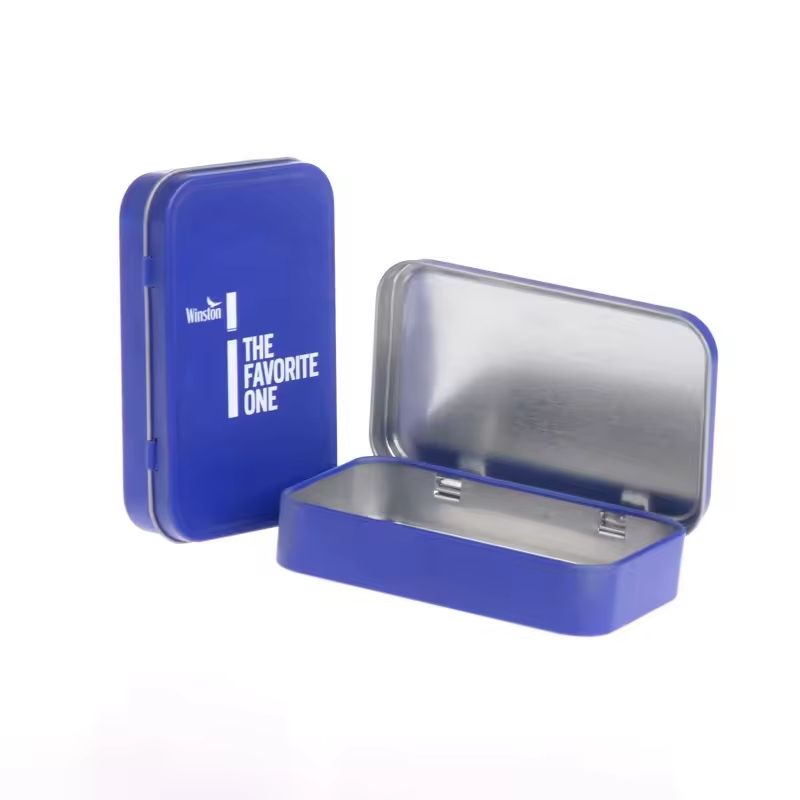
Eine Metalldose für Kondome ist eine diskrete und langlebige Verpackungslösung, ideal für die sichere und unversehrte Aufbewahrung von Kondomen. Seine robuste Metallkonstruktion schützt den Inhalt vor Beschädigungen, während das kompakte Design den Transport erleichtert. Es ist in verschiedenen Stilen und anpassbaren Optionen erhältlich und verleiht Ihren persönlichen Pflegeutensilien einen Hauch von Raffinesse.
WEITERLESEN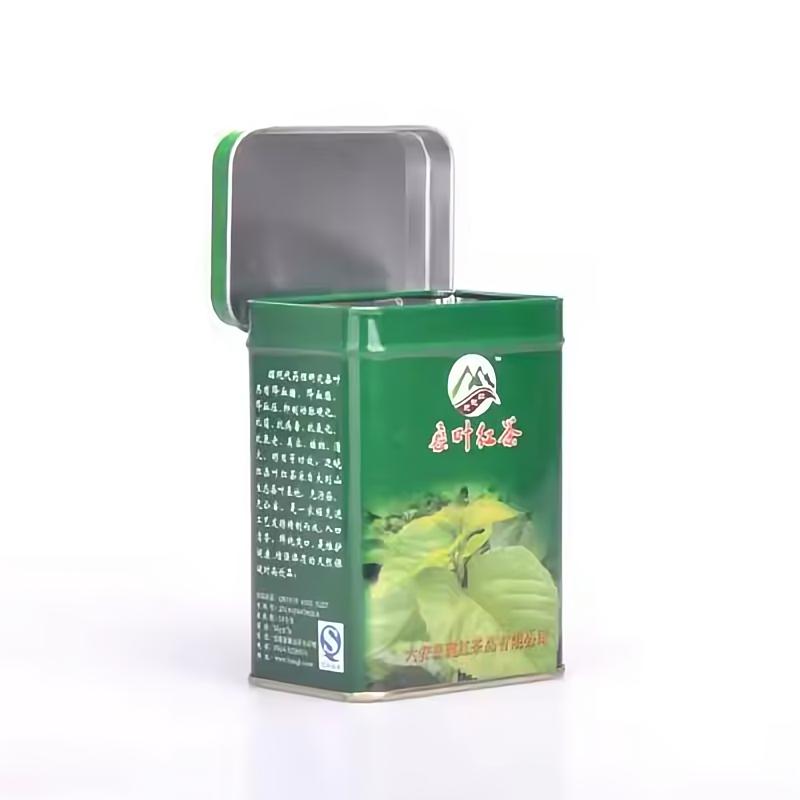
Entdecken Sie unsere Premium-Teedosen, die darauf ausgelegt sind, die Frische und den Geschmack Ihres Tees zu bewahren. Diese hochwertigen Dosen sind in anpassbaren Größen und Designs erhältlich und vereinen Funktionalität mit Eleganz, was sie zur idealen Wahl für Teeliebhaber und Marken macht.
WEITERLESEN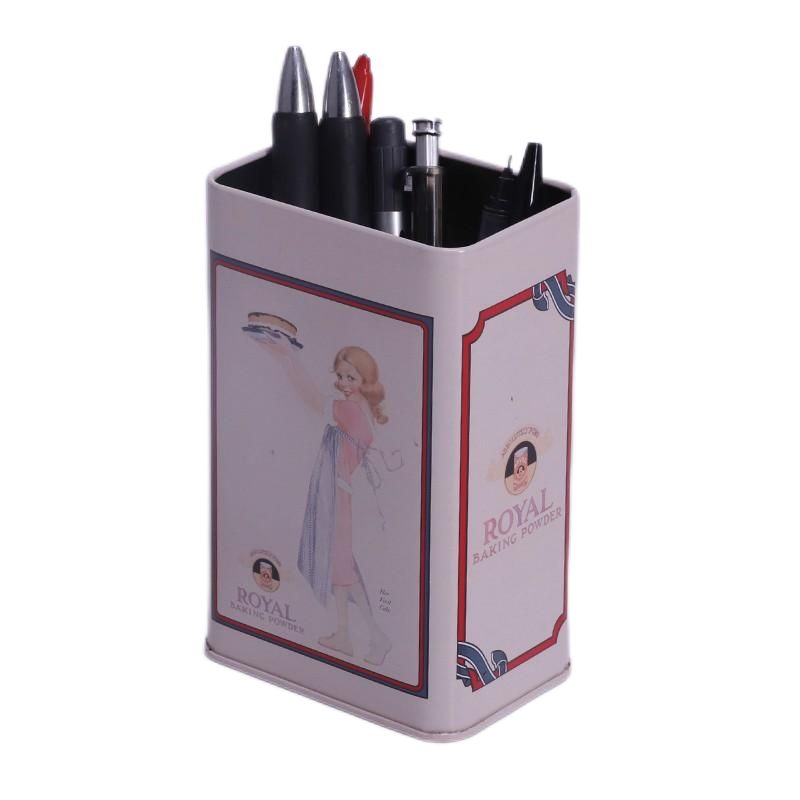
Sorgen Sie mit unserem langlebigen Bleistifthalter aus Blech für Ordnung auf Ihrem Schreibtisch. Dieser sowohl funktional als auch modisch gestaltete Halter eignet sich perfekt zum Organisieren von Stiften, Bleistiften und mehr. Seine robuste Blechkonstruktion sorgt für Langlebigkeit, während seine anpassbaren Optionen es ihm ermöglichen, zu jeder Einrichtung zu passen.
WEITERLESEN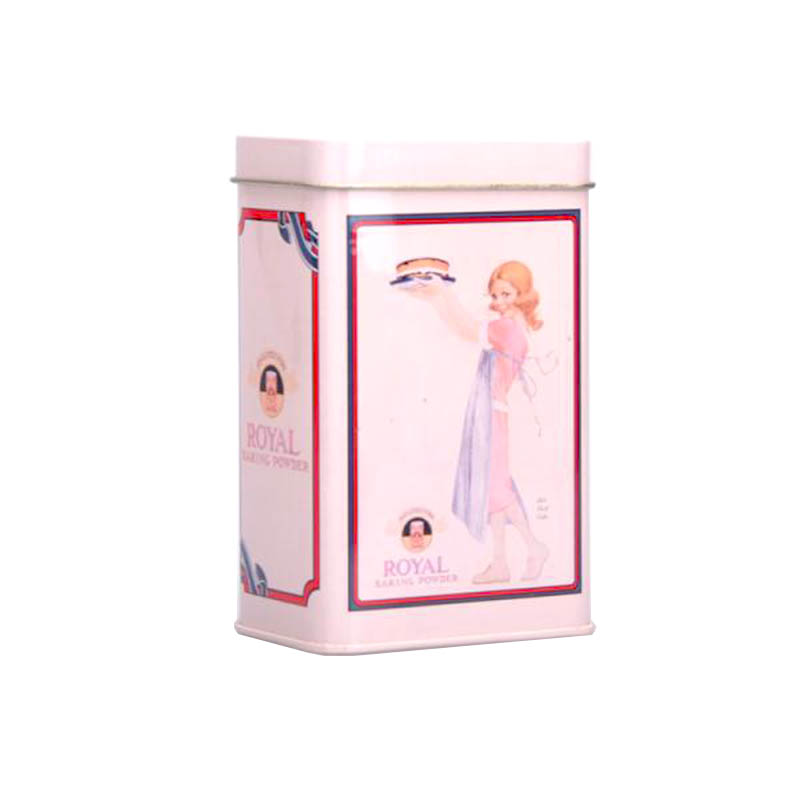
Wir bieten Ihnen eine Vielzahl an Verpackungslösungen für Teedosen zur Auswahl.Fortschrittliche Prozesse können Ihrem Tee eine gute Versiegelung und eine lange Lagerung ermöglichen.Lipton, Twinings und Tetley, diese berühmten Teemarken sind unsere treuen Kunden.Von der FDA zugelassenes Weißblech in Lebensmittelqualität kann die absolute Sicherheit Ihrer Teeverpackung gewährleisten.Professionelle Panton- und 4-Farben-Druckanlagen sorgen für eine hochwertige Präsentation der Blechdosen.
WEITERLESEN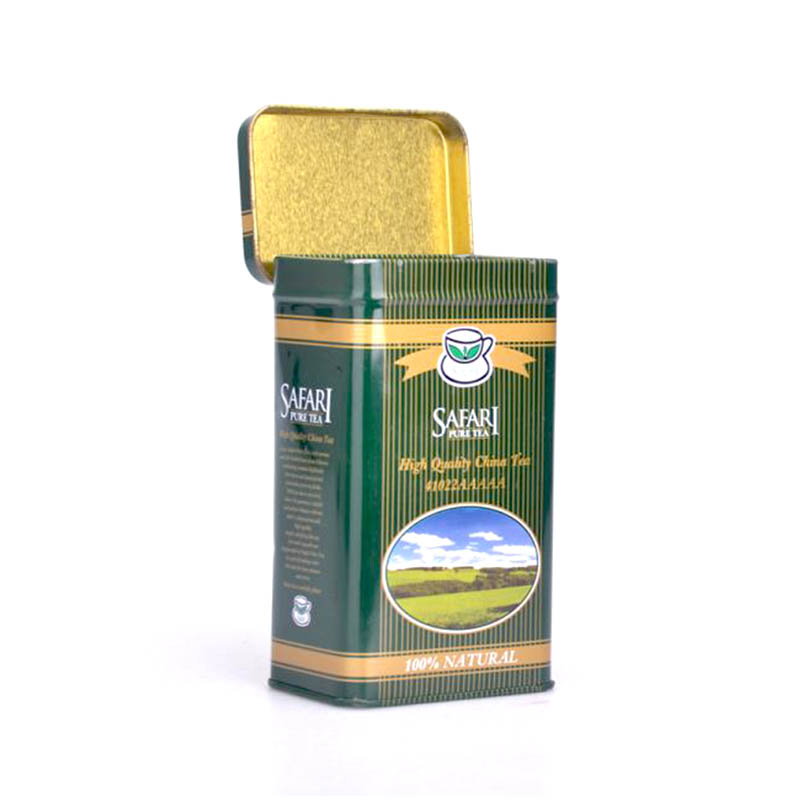
Recycelbares Weißblech macht sie zu einer großartigen umweltfreundlichen Wahl.Ideal zum Verschenken, da sie mit Etiketten oder Aufklebern personalisiert werden können.Eine Vielzahl von Farben und Designs, die sie attraktiv und dekorativ machen.Die hochgradig luftdichte und versiegelte Struktur unterstützt die Lagerung von losem Tee und schützt ihn vor Feuchtigkeit und Luft.Anpassbare Logos und Designs, die eine attraktive Möglichkeit bieten, Tee aufzubewahren und zu genießen.
WEITERLESEN
Mit Ihrem eigenen Design oder Logo individuell gestaltete Stützen, damit Sie sie einzigartig machen können.Verschiedene Größen, sodass Sie ganz einfach die passende Größe für Ihre Anforderungen finden.Langfristige Zusammenarbeit mit bekannten Marken wie Lipton, Twinings und Tetley.Weißblech mit Lebensmittelqualität, das die Sicherheit Ihres Tees und Kaffees gewährleistet.Präziser technischer Drucksupport, angepasst an Ihr eigenes Design oder Logo, was sie einzigartig machen kann.
WEITERLESEN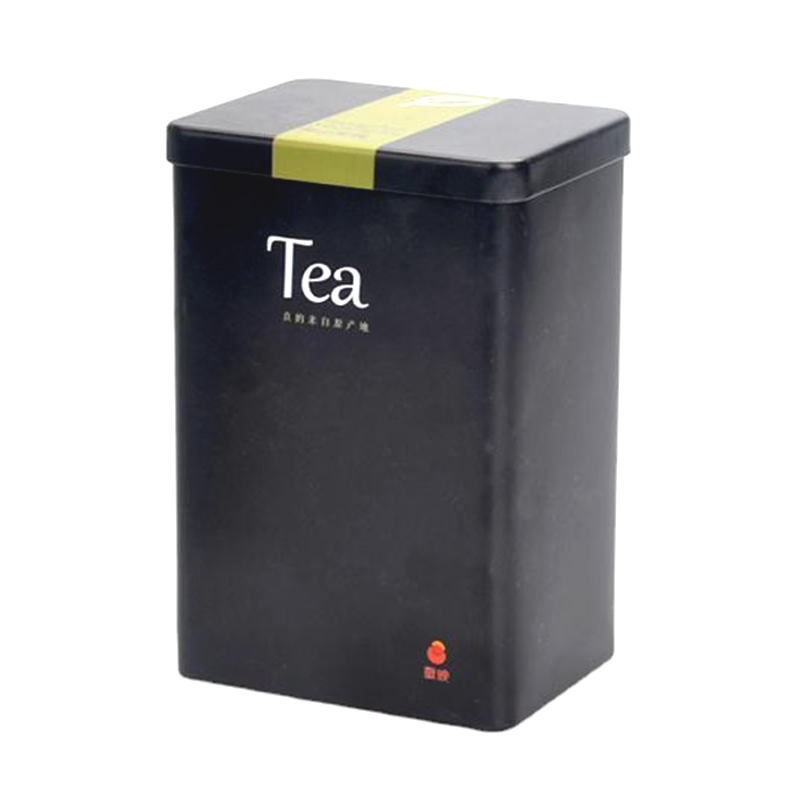
Langlebig und hält den Strapazen des Transports und der Handhabung stand.Attraktiv und auffällig, was es zu einer großartigen Wahl zum Verschenken macht.Kostengünstig und kann Ihnen helfen, Kosten zu sparen.Hergestellt aus robusten, lebensmittelechten Materialien, die auf eine jahrelange Lebensdauer ausgelegt sind.Zahlreiche Stilareh-Designs, die mit Sicherheit beeindrucken werden.
WEITERLESEN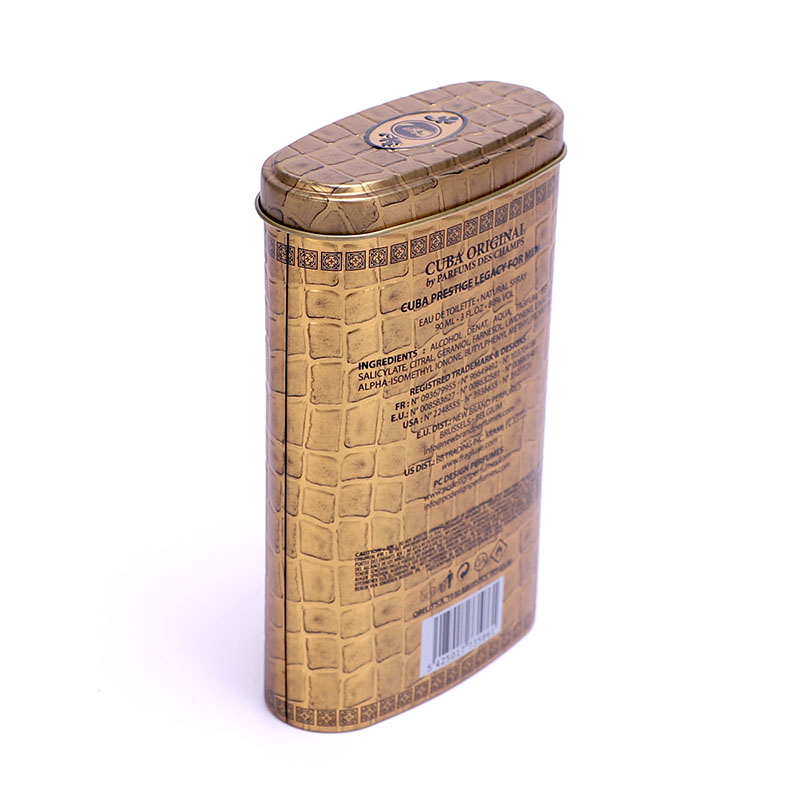
Wir bieten Ihnen eine Reihe von Verpackungslösungen für Teedosen zur Auswahl.Ein fortschrittlicher Prozess verleiht Ihrem Tee eine gute Versiegelung und eine langfristige Lagerung.Lipton, Twinings und Tetley, diese prestigeträchtigen Teemarken sind unsere treuen Kunden.Von der FDA zugelassenes Weißblech in Lebensmittelqualität garantiert höchste Sicherheit Ihrer Teeverpackung.Professionelle Panton- und 4-Farben-Drucktechnik garantieren eine hochwertige Präsentation der Blechdosen.
WEITERLESEN
Wirtschaftliche Möglichkeit, für Ihr Unternehmen oder Ihre Marke zu werben.Erschwingliche Verpackungsoption für Unternehmen und Privatpersonen.Hergestellt aus recycelbaren Materialien, was sie zu einer umweltfreundlichen Verpackungsoption macht.Eine Vielzahl von Farben und Designs machen sie zu einer attraktiven Verpackungsoption.Entworfen mit einem sicheren Deckel, um sicherzustellen, dass die Gegenstände sicher und geschützt bleiben.
WEITERLESEN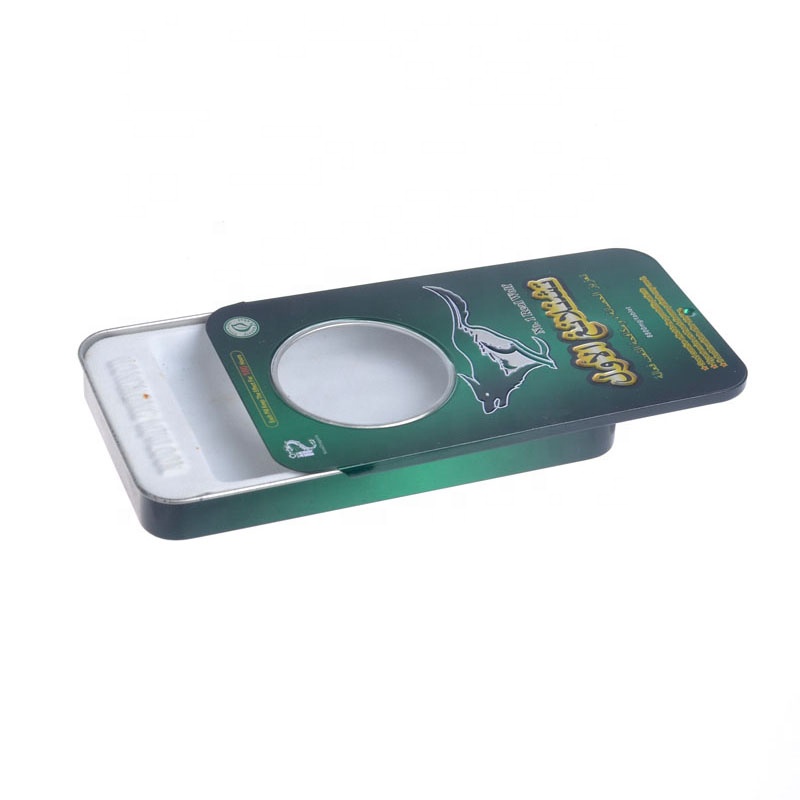
Der dicht schließende Deckel hält die Luft draußen und sorgt dafür, dass Ihre Minze großartig schmeckt.Verschiedene Größen, sodass Sie die perfekte Größe für Ihre Bedürfnisse finden können.Schlanker und moderner Look, der auf jeder Arbeitsplatte großartig aussieht.Hergestellt aus umweltfreundlichen Materialien, die besser für die Umwelt sind.Personalisiert mit Ihrem eigenen Design oder Logo, damit Sie sie einzigartig machen können.
WEITERLESEN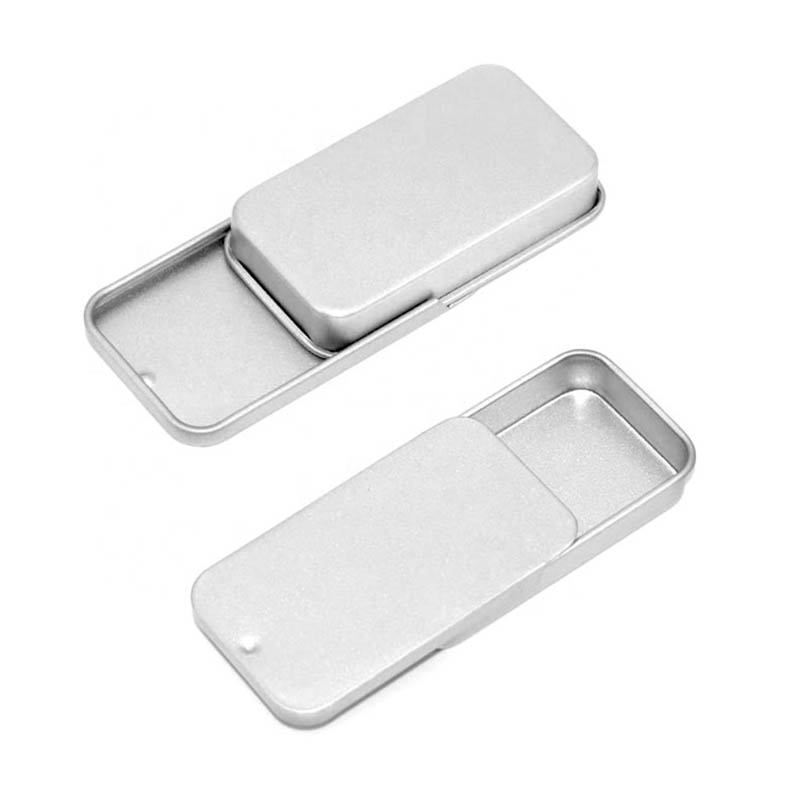
Perfekt zum Aufbewahren und Schützen von Gegenständen vor Staub, Schmutz und Feuchtigkeit.Leicht und langlebig, wodurch sie sich ideal für den Versand und Transport von Gegenständen eignen.Verschiedene Größen und Formen, sodass Sie Ihre Speicheranforderungen individuell anpassen können.Zahlreiche Farben und Designs, sodass Sie Ihre Speicheranforderungen individuell anpassen können.Erschwingliche Verpackungsoption für Unternehmen.
WEITERLESEN
Klein und leicht, daher einfach zu lagern und zu transportieren.Weißblech macht sie äußerst langlebig und verschleißfest.Bewahren Sie eine Vielzahl von Artikeln auf, von Pfefferminzbonbons und Bonbons bis hin zu kleinen Schmuckstücken und Schmuck.Mit Logos und Designs personalisiert, um einen einzigartigen Look zu schaffen.Erschwingliche Verpackungsoption für Unternehmen und Privatpersonen.
WEITERLESEN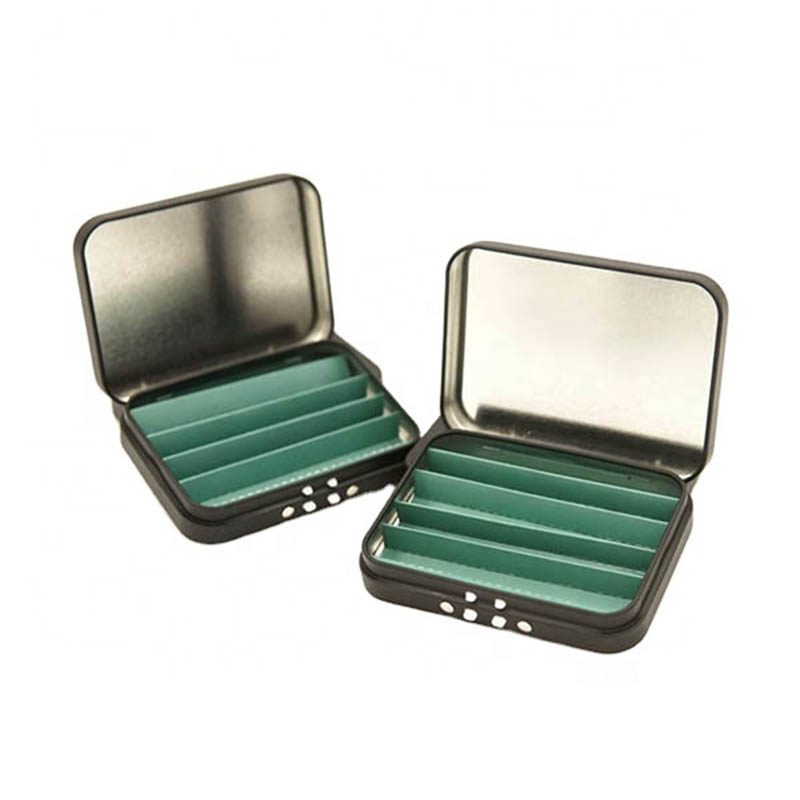
Es gibt mehr als 100 Formen, die Ihren unterschiedlichen Anforderungen gerecht werden können.Dank ihrer Luftdichtheit und Versiegelung eignen sie sich ideal für die Aufbewahrung von Gegenständen wie Gewürzen und Kräutern.Langfristige Zusammenarbeit mit Mentos, Tic Tac, Altoids.Umweltfreundliche Verpackungsoption, da sie wiederverwendbar und recycelbar sind.Tolle Möglichkeit, eine einzigartige und attraktive Präsentation zu erstellen.
WEITERLESEN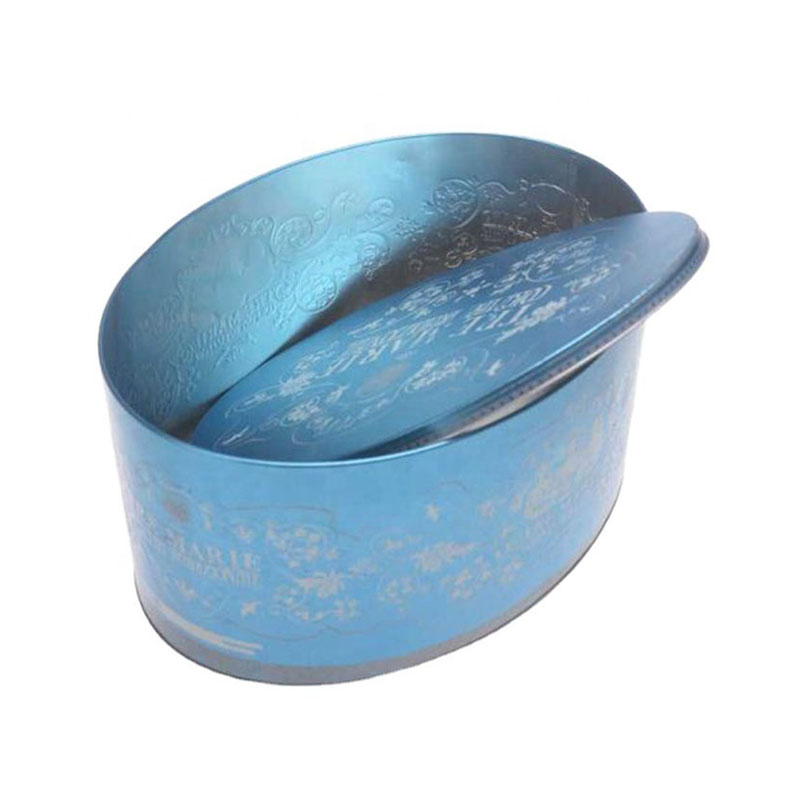
Wir bieten Verpackungsoptionen für Kekse an, die für jede Art von Süßigkeitenverpackungsanforderung geeignet sind.Um eine effektive Lagerung über längere Zeiträume hinweg zu ermöglichen, können ausgefeilte Versiegelungstechniken eingesetzt werden.Die Keksdosen helfen dabei, Kekse über einen längeren Zeitraum frisch zu halten, indem sie Luft und Feuchtigkeit abhalten.Die Verpackung von Keksdosen ist eine sichere und hygienische Option für die Lebensmittelverpackung, da sie leicht zu reinigen und zu desinfizieren ist.Keksdosen gibt es in verschiedenen Formen und Größen, sodass Sie ganz einfach eine finden, die Ihren Vorlieben entspricht.
WEITERLESEN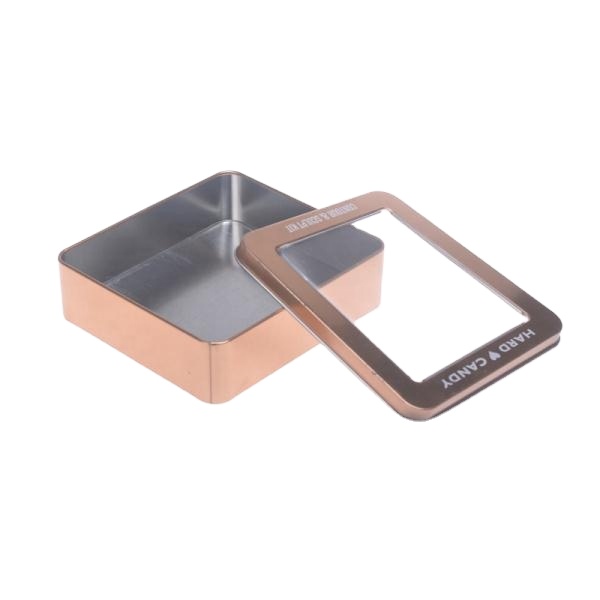
Unabhängig von der Art der Verpackung, die Sie benötigen, haben wir Optionen für die Verpackung von Keksen, die funktionieren.Durch fortschrittliche Techniken können eine längere Speicherung von Cookies und eine wirksame Versiegelung erreicht werden.Bekannte Keksmarken wie Oreo, Keebler, Chips Ahoy und Pepperidge Farm gehören zu unseren treuen Kunden.Die Sicherheit der Keksverpackung ist gewährleistet, da sie aus erstklassigem Weißblech besteht, das für den Kontakt mit Lebensmitteln unbedenklich ist.Professionelle Pantone- und 4-Farben-Druckmaschinen werden verwendet, um hochwertige Blechdosen-Präsentationen zu erzielen.
WEITERLESEN
Wir bieten Optionen für die Verpackung von Süßigkeiten an, die an jede Art von Verpackung angepasst werden können.Fortschrittliche Versiegelungstechniken können die effektive Speicherung Ihrer Cookies über einen längeren Zeitraum ermöglichen.Keksdosen haben neben der Aufbewahrung von Keksen auch vielseitige Einsatzmöglichkeiten, darunter auch die Aufbewahrung von Nüssen und Süßigkeiten.Die Verwendung von erstklassigem Weißblech, das für den Kontakt mit Lebensmitteln unbedenklich ist, gewährleistet die Sicherheit der Keksverpackung.Der Einsatz professioneller Pantone-Farbdruckmaschinen garantiert die hervorragende Präsentation von Blechdosen.
WEITERLESEN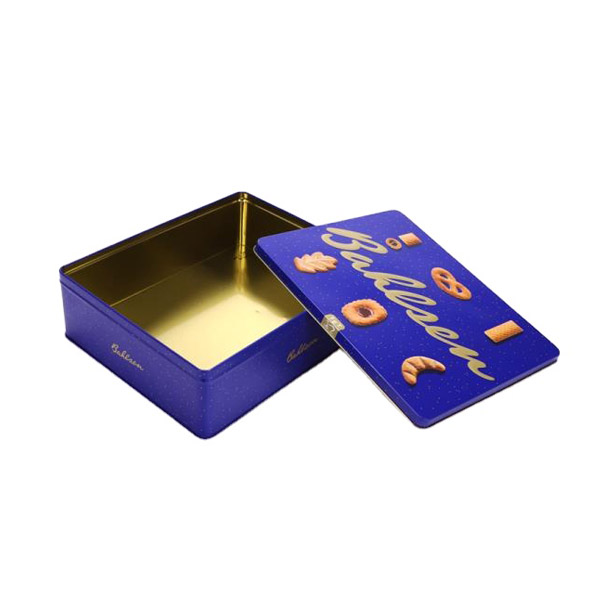
Wir bieten Optionen für die Verpackung von Süßigkeiten an, die für alle Arten von Verpackungsmaterialien geeignet sind.Die Implementierung ausgefeilter Techniken ermöglicht eine effektive Versiegelung und längere Speicherung von Cookies.Neben der Aufbewahrung von Keksen können Keksdosen auch zur Aufbewahrung von Trockenfrüchten, Nüssen und Süßigkeiten verwendet werden.Die einfache Reinigung und Desinfektion von Keksdosen macht sie zu einer sicheren und hygienischen Option für Lebensmittelverpackungen.Keksdosen gibt es in verschiedenen Formen und Größen, ganz nach Ihrem Geschmack.
WEITERLESEN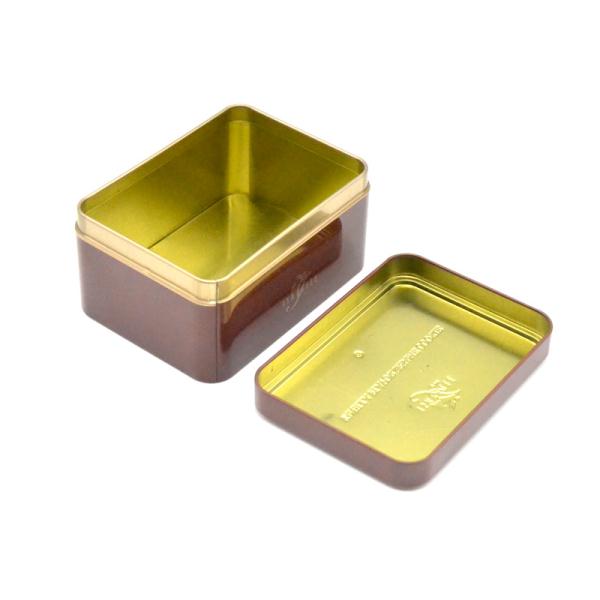
Wir bieten Schokoladenverpackungen an, die für eine Vielzahl von Verpackungsmaterialien geeignet sind.Schokoladendosen sind mit einem luftdichten Verschluss ausgestattet, der die Frische über einen längeren Zeitraum gewährleistet.Schokoladendosen sind eine umweltfreundliche Wahl, da sie mehrmals verwendet werden können, bevor sie entsorgt werden.Aufgrund ihrer Langlebigkeit und Haltbarkeit ist die Schokoladendose eine kostengünstige Wahl für die Verpackung.Das robuste Material von Schokoladendosen sorgt dafür, dass sie vor dem Zerbrechen oder Quetschen geschützt sind.
WEITERLESEN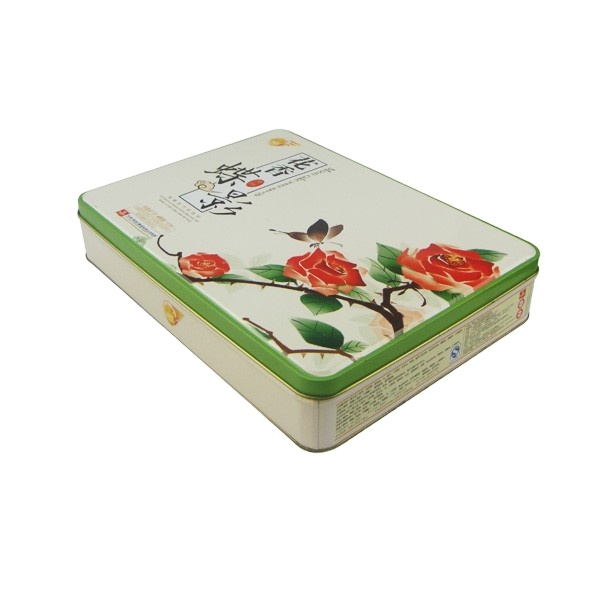
Unsere Kuchenverpackungsmöglichkeiten sind vielseitig und können an jede Art von Verpackung angepasst werden.Mithilfe ausgefeilter Versiegelungstechniken können Ihre Cookies über einen längeren Zeitraum gespeichert werden.Durch die luft- und feuchtigkeitsblockierende Funktion bleibt die Frische der Kekse über einen längeren Zeitraum erhalten.Die Leichtigkeit, mit der Keksdosenverpackungen gereinigt und desinfiziert werden können, macht sie zu einer hygienischen Option.Verschiedene Formen und Größen von Keksdosen sorgen dafür, dass Sie eine finden, die Ihren Wünschen entspricht.
WEITERLESEN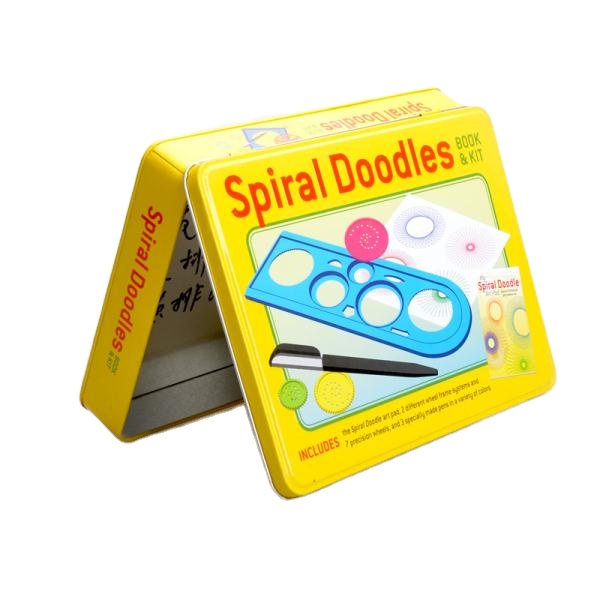
Wir bieten Verpackungsoptionen für Cookies an, die an jede Art von Cookie-Verpackungsanforderungen angepasst werden können.Ein luftdichter Verschluss von Keksdosen sorgt dafür, dass Ihre Kekse lange frisch bleiben.Keksdosen sind eine umweltfreundliche Alternative, da sie mehrmals wiederverwendet werden können.Die Robustheit und Langlebigkeit der Keksdose machen sie zu einer kostengünstigen Verpackungslösung.Keksdosen bieten durch ihr robustes Material einen hervorragenden Schutz vor Zerbrechen oder Quetschen.
WEITERLESEN
Unsere Verpackungsoptionen für Kekse können an Ihre spezifischen Verpackungsanforderungen angepasst werden.Für eine längere Speicherung Ihrer Cookies können fortschrittliche Versiegelungstechniken eingesetzt werden.Das Privileg, bekannte Keksmarken wie Oreo, Keebler, Chips Ahoy und Pepperidge Farm zu bedienen.Die Verpackung Ihrer Kekse ist für den Kontakt mit Lebensmitteln absolut sicher, da sie aus erstklassigem Weißblech besteht.Um die erstklassige Präsentation von Blechdosen zu gewährleisten, werden professionelle Pantone- und 4-Farben-Druckmaschinen eingesetzt.
WEITERLESEN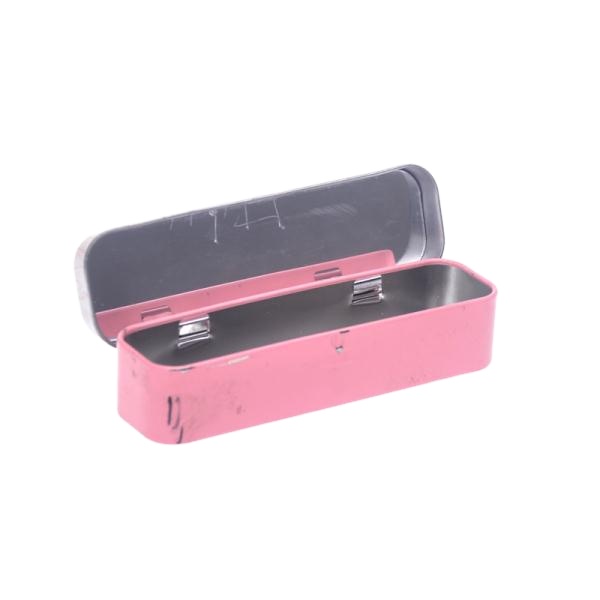
Hergestellt aus robusten und widerstandsfähigen Weißblechmaterialien, halten sie über einen längeren Zeitraum stand und bleiben robust.Schützen Sie Ihr Briefpapier mit einer zuverlässigen Barriere vor Beschädigung oder Verlust und halten Sie es sicher und intakt.Erleben Sie die Vielseitigkeit unserer Kollektion, die eine Reihe von Größen und Stilen bietet, um alle Ihre Bedürfnisse zu erfüllen, von Haltern bis hin zu Etuis.Entfesseln Sie das volle Potenzial Ihrer Stifte mit einer hochmodernen Farbdruckmaschine, mit personalisierten Designs und machen Sie sie unwiderstehlich verführerisch.Direkte Beschaffung ab Werk stellt sicher, dass Sie Produkte von höchster Qualität zu einem wettbewerbsfähigen und kostengünstigen Preis erhalten.
WEITERLESEN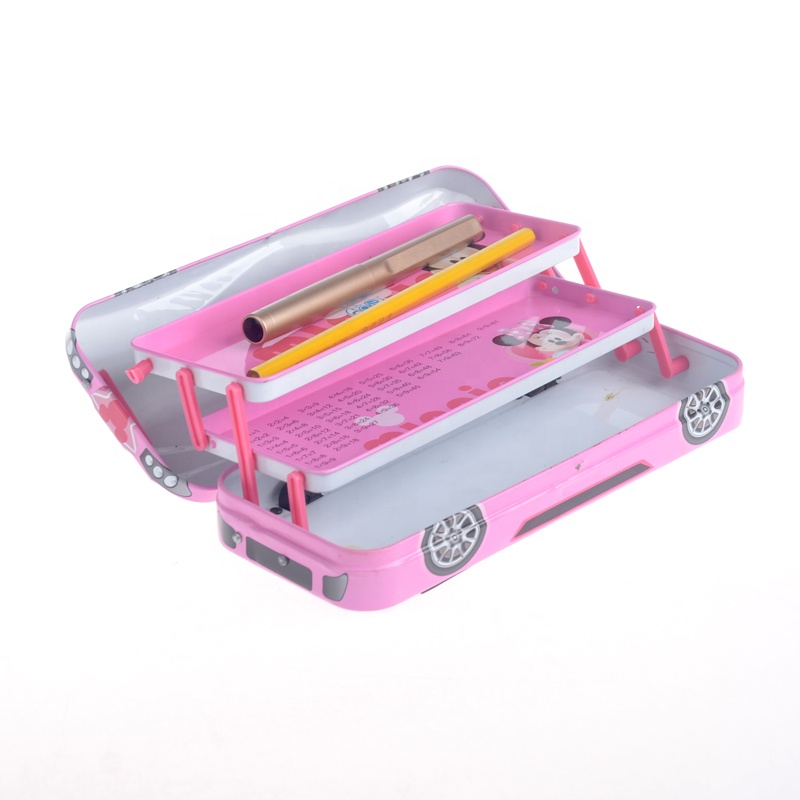
Hergestellt aus robusten Weißblechmaterialien, die ihre Haltbarkeit und Langlebigkeit gewährleisten.Schützen Sie Ihr Briefpapier mit einer sicheren Barriere und bewahren Sie es so vor Beschädigung oder Verlust.Eine große Auswahl an Größen und Stilen, einschließlich Halterungen und Koffern, erfüllt alle Ihre spezifischen Bedürfnisse und Vorlieben.Mit modernster Farbdruckmaschine, die jedem einzelnen Stück eine persönliche und faszinierende Note verleiht.Wir garantieren, dass Sie erstklassige Produkte von außergewöhnlicher Qualität zu einem äußerst wettbewerbsfähigen Preis erhalten.
WEITERLESEN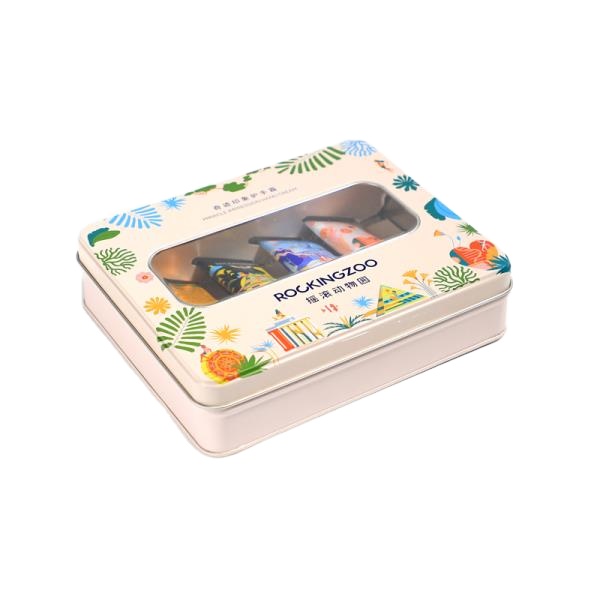
Hergestellt aus widerstandsfähigen Weißblechmaterialien, die so konzipiert sind, dass sie dem Test der Zeit standhalten und über einen längeren Zeitraum haltbar bleiben.Sorgen Sie für die Sicherheit Ihres Briefpapiers, indem Sie eine zuverlässige Barriere verwenden und mögliche Schäden oder Verluste wirksam verhindern.Perfekte Lösung für Ihre vielfältigen Anforderungen mit einer großen Auswahl an Größen und Stilen, einschließlich Halterungen und Koffern.Verstärken Sie den Reiz Ihrer Stifte mit unserer fortschrittlichen Farbdruckmaschine und schaffen Sie so eine personalisierte und auffällige Ästhetik.Profitieren Sie von unserer direkten Werksversorgung und stellen Sie sicher, dass Sie qualitativ hochwertige Produkte zu äußerst wettbewerbsfähigen Kosten erhalten.
WEITERLESEN
Egal welche Art von Verpackung Sie benötigen, wir haben die perfekte Lösung für Sie. Fortschrittliche Techniken sorgen für eine effektive Versiegelung Ihrer Produkte und ermöglichen so erweiterte Lagermöglichkeiten. Renommierte Lebensmittelmarken wie Oreo, Keebler, Chips Ahoy und Pepperidge Farm gehören zu unseren treuen Kunden. Seien Sie versichert, dass Ihre Produkte in erstklassigem Weißblech verpackt werden, das für den direkten Kontakt mit Lebensmitteln unbedenklich ist. Professionelle Pantone- und 4-Farben-Druckmaschinen garantieren eine erstklassige Präsentation Ihrer Produkte in Blechdosen.
WEITERLESEN
Wir bieten eine vielfältige Auswahl an Süßigkeitenverpackungsoptionen, die den unterschiedlichen Verpackungsanforderungen gerecht werden.Der luftdichte Verschluss von Bonbondosen spielt eine entscheidende Rolle bei der Erhaltung der Frische über einen längeren Zeitraum.Die lebendigen und auffälligen Designs auf Bonbondosen sorgen für eine einfache Erkennung und Identifizierung.Die Verpackung von Bonbondosen ist eine perfekte Option für die Hygiene bei Lebensmittelverpackungen, da sie leicht gereinigt und desinfiziert werden kann.Bonbondosen sind aus langlebigen Materialien gefertigt, die einen hervorragenden Schutz vor Bruch oder Quetschung bieten.
WEITERLESEN
Für Unternehmen mit begrenztem Lagerraum sind unsere Mint-Blechboxen eine ausgezeichnete Wahl, da sie sich leicht stapeln und lagern lassen.Erschwingliche und praktische Wahl, perfekt für Unternehmen, die auf ihre Kosten achten.Zahlreiche dauerhafte Kooperationen, etwa mit Jo Malone, Voluspa, Diptyque.Recycelbare Materialien machen Blechdosen zu einer nachhaltigen Option für Unternehmen und zeigen ihr Engagement für Umweltbewusstsein.Tragbar, langlebig und kostengünstig, was sie zu einer hervorragenden Wahl für den kommerziellen Versand macht.
WEITERLESEN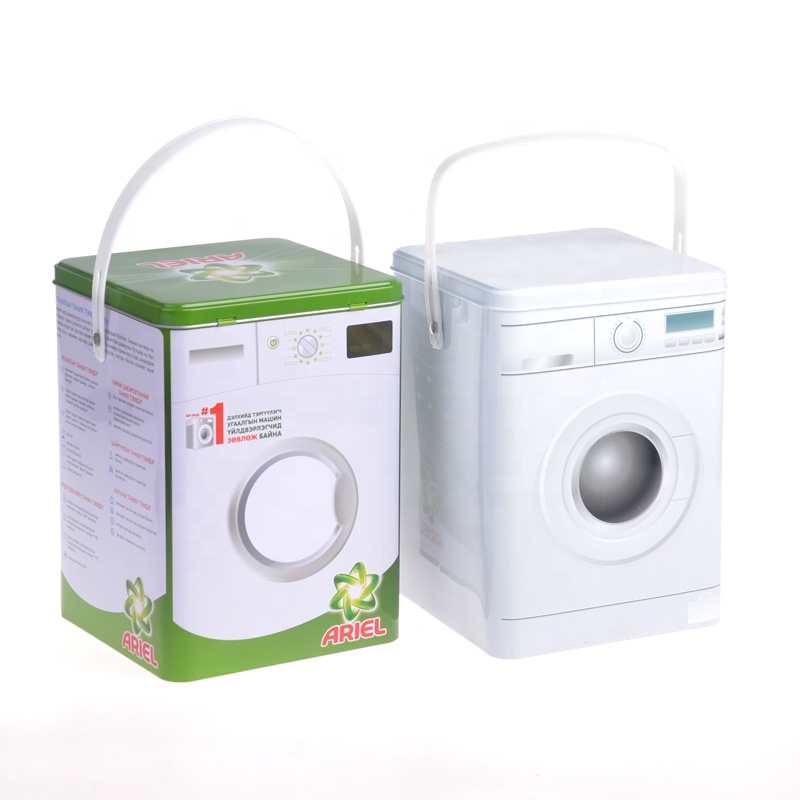
Unsere Keksverpackungsoptionen können individuell an Ihre individuellen Verpackungsbedürfnisse und -vorlieben angepasst werden.Um eine lang anhaltende Frische Ihrer Kekse zu gewährleisten, verwenden wir fortschrittliche Versiegelungstechniken, die ihre Qualität während der Lagerung effektiv bewahren.Das Privileg, renommierte Keksmarken wie Oreo, Keebler, Chips Ahoy und Pepperidge Farm anzubieten, garantiert einen köstlichen und sättigenden Genuss.Unsere Keksverpackungen sind absolut sicher für den Kontakt mit Lebensmitteln, da sie aus hochwertigem Weißblech gefertigt sind, das den höchsten Sicherheits- und Hygienestandards entspricht.Nutzen Sie professionelle Pantone- und 4-Farben-Druckmaschinen, um die erstklassige Qualität unserer Blechdosen-Präsentationen zu gewährleisten und unseren geschätzten Kunden lebendige und optisch ansprechende Designs zu garantieren.
WEITERLESEN
Unsere Blecheimer können an Ihre spezifischen Verpackungsanforderungen angepasst werden. Um die Attraktivität Ihres Produkts zu verbessern, kann ein individuell bedrucktes Design sinnvoll sein. Das Privileg, bekannte Keksmarken wie Oreo, Keebler, Chips Ahoy und Pepperidge Farm zu bedienen. Es ist für die Verpackung von Glasflaschen völlig unbedenklich, da es aus hartem Weißblech besteht. Das verwendete Druckverfahren ist sowohl Pantone- als auch 4-Farben-Druck und gewährleistet so höchste Qualität und Farbgenauigkeit für Ihr Produkt.
WEITERLESEN
Stapelbar, platzsparend, bequem zu lagern und zu organisieren.Vielfältige Einsatzmöglichkeiten, sei es zur Aufbewahrung von Gegenständen oder als Dekorationselement.Ideal zum Verschenken von Kleinigkeiten wie Pralinen, Bonbons und anderen süßen Leckereien.Weißblech in Lebensmittelqualität trägt dazu bei, die Frische und den Geschmack der Süßigkeiten zu bewahren und sicherzustellen, dass sie köstlich bleiben.Blechdosen können mit Ihren einzigartigen Designs und Mustern personalisiert werden, was ihnen einen Hauch von Exklusivität verleiht und ihren Gesamtwert erhöht.
WEITERLESEN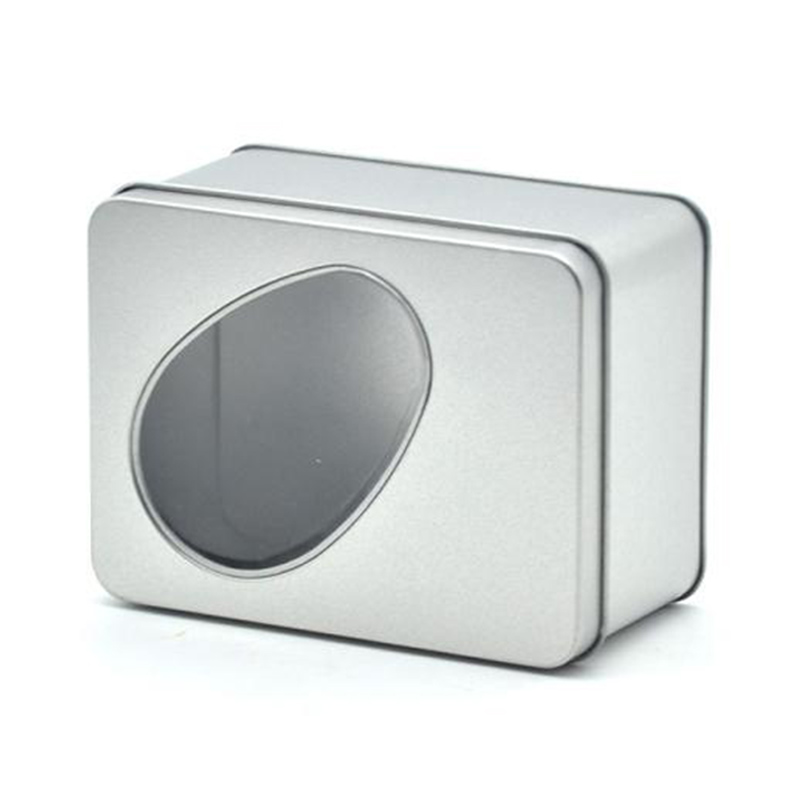
Ganz gleich, welche Art von Verpackung Sie benötigen, wir haben die passenden Verpackungsmöglichkeiten für Kekse.Mit erfolgreichen Versiegelungstechniken können Ihre Cookies über einen längeren Zeitraum gespeichert werden.Oreo, Keebler, Chips Ahoy und Pepperidge Farm sind berühmte Keksmarken, die uns die Treue halten.Die Verwendung von erstklassigem Weißblech in Lebensmittelqualität garantiert die Sicherheit Ihrer Keksverpackung.Professionelle Pantone- und 4-Farben-Druckmaschinen werden verwendet, um die hervorragende Qualität der Präsentationen in Blechdosen zu gewährleisten.
WEITERLESEN
Die stapelbare Aufbewahrungslösung ist platzsparend konzipiert und eignet sich daher zum bequemen Aufbewahren und Organisieren Ihrer Sachen.Sie werden vielseitig eingesetzt, sei es zur Aufbewahrung von Gegenständen oder als Dekorationselement.Perfekt für die Präsentation kleiner Gegenstände wie Pralinen, Süßigkeiten und anderer köstlicher Leckereien.Erstklassiges Weißblech trägt dazu bei, die Frische und den Geschmack der Süßigkeiten zu bewahren und die Haltbarkeit zu verlängern.Unterstützen Sie individuelle Logos und Designs, die das Produkt attraktiver und wertvoller machen.
WEITERLESEN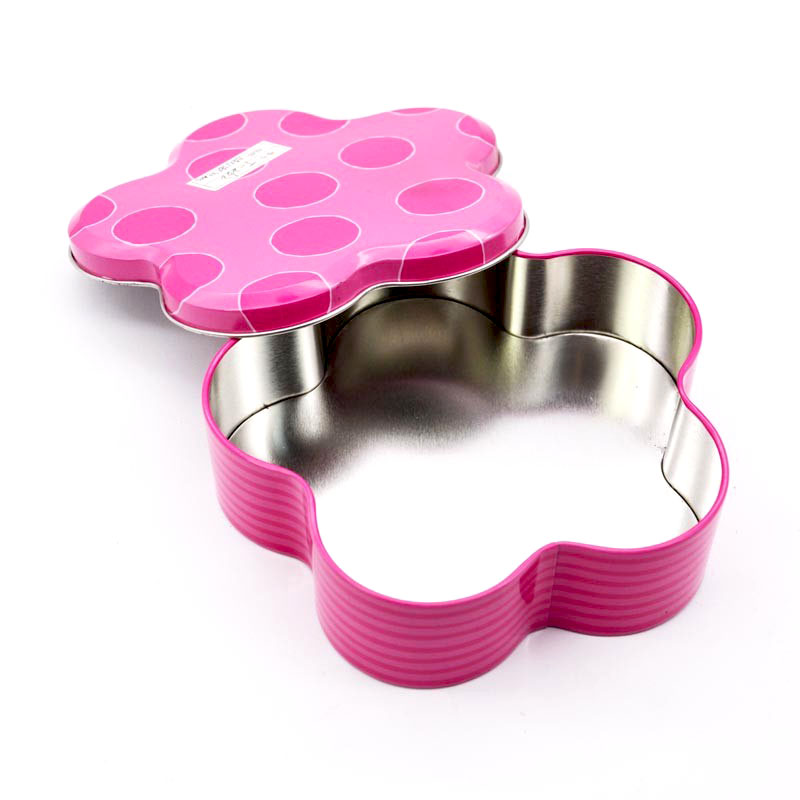
Unabhängig von der Art der Verpackung, die Sie benötigen, bieten wir Ihnen die passenden Verpackungsmöglichkeiten für Kekse.Durch erfolgreiche Versiegelungstechniken können Ihre Cookies über einen längeren Zeitraum gespeichert werden.Wir genießen die Treue renommierter Keksmarken wie Oreo, Keebler, Chips Ahoy und Pepperidge Farm.Die Verwendung von lebensmittelechtem, erstklassigem Weißblech gewährleistet die Sicherheit Ihrer Keksverpackung.Durch den Einsatz professioneller Pantone- und 4-Farben-Druckmaschinen behalten die Präsentationen in Blechdosen eine hervorragende Qualität.
WEITERLESEN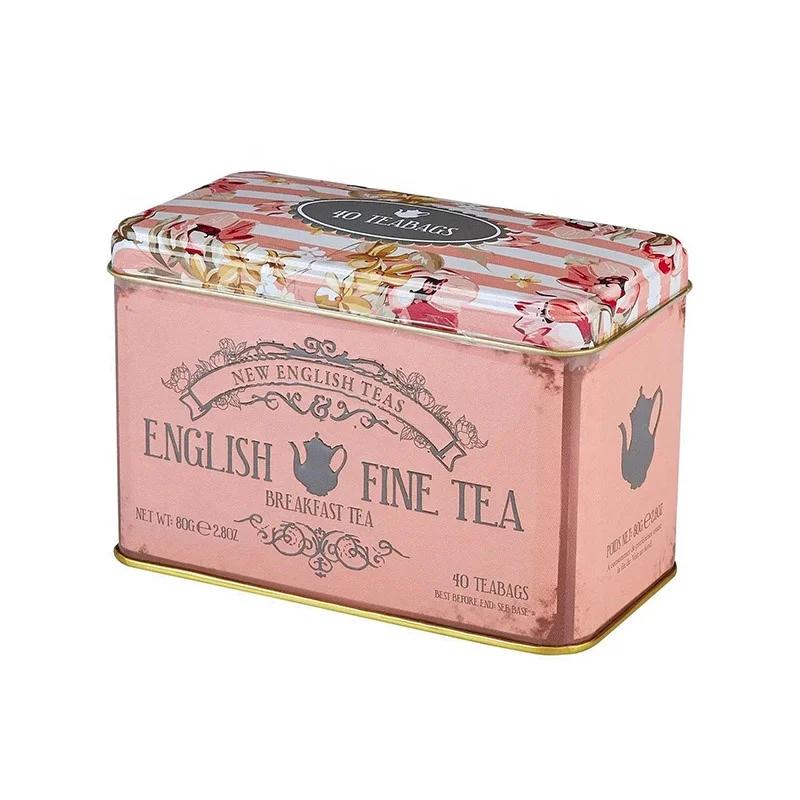
Robust und vielseitig für zahlreiche Anwendungen.Sorgt für einen luftdichten Verschluss und bewahrt den Geschmack und das Aroma des Tees.Bietet eine vielfältige Auswahl an Größen und Stilen, sodass Sie leicht das finden, was Ihren Anforderungen entspricht.Wird zur Aufbewahrung einer Vielzahl von Artikeln verwendet, darunter Gewürze, Kräuter und lose Teeblätter.Außergewöhnlich stark, sodass Ihr Tee vor Feuchtigkeit, Licht und Luft geschützt ist.
WEITERLESEN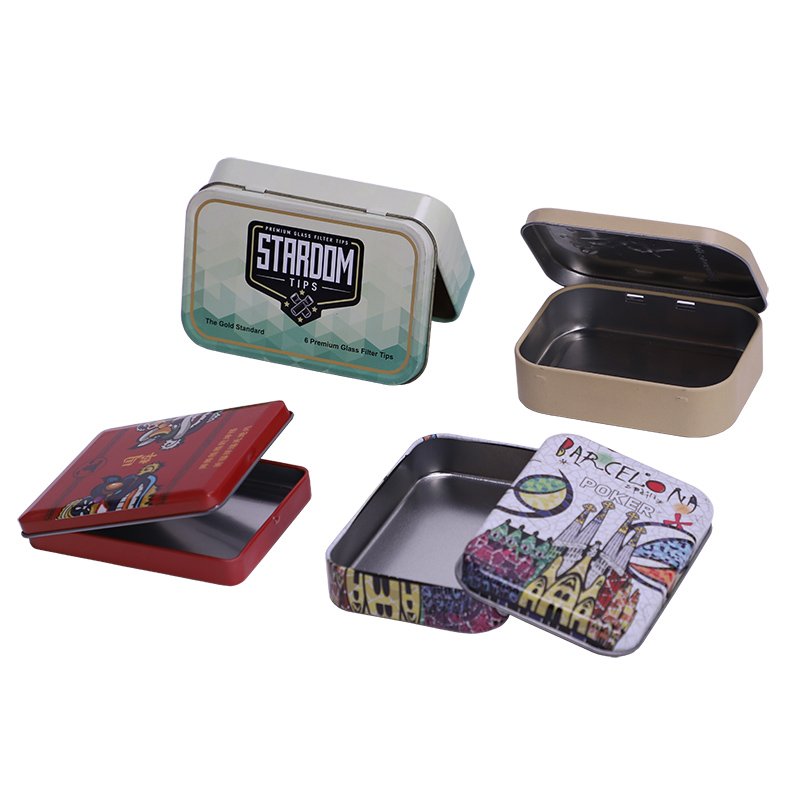
Große Auswahl an Blechverpackungslösungen, die die gesamte Produktpalette abdecken. Modernes Verfahren sorgt für eine gute Versiegelung und lange Lagerzeit. Zu den bekannten Partnern zählen führende Marken wie Mentos, Tic Tac, Altoids. Hochwertiges Weißblechmaterial sorgt dafür, dass die Dose perfekt versiegelt ist. Professionelles Designteam, fortschrittliche Druckausrüstung, perfekte Präsentation.
WEITERLESEN
Eierdosen sind eine ideale Option für Unternehmen mit begrenztem Lagerraum, da sie mühelos gestapelt und gelagert werden können.Eine wirtschaftliche und pragmatische Option, ideal für kostenbewusste Unternehmen.Viele langjährige Partnerschaften, darunter solche mit Jo Malone, Voluspa und Diptyque.Blechdosen aus recycelbaren Materialien bieten eine nachhaltige Alternative für Unternehmen und zeigen ihr Engagement für das Umweltbewusstsein.Tragbar, belastbar und kostengünstig, was sie zu einer hervorragenden Option für gewerbliche Lieferungen macht.
WEITERLESEN
Robust und mehrfach wiederverwendbar.Luftdicht, wodurch der Geschmack und das Aroma des Tees erhalten bleiben.Erhältlich in verschiedenen Größen und Ausführungen, was die Suche nach dem Modell vereinfacht, das Ihren Anforderungen entspricht.Vielseitig einsetzbar zur Aufbewahrung von Gewürzen, Kräutern und verschiedenen losen Teesorten.Außergewöhnlich langlebig und schützt Ihren Tee vor Feuchtigkeit, Licht und Luft.
WEITERLESEN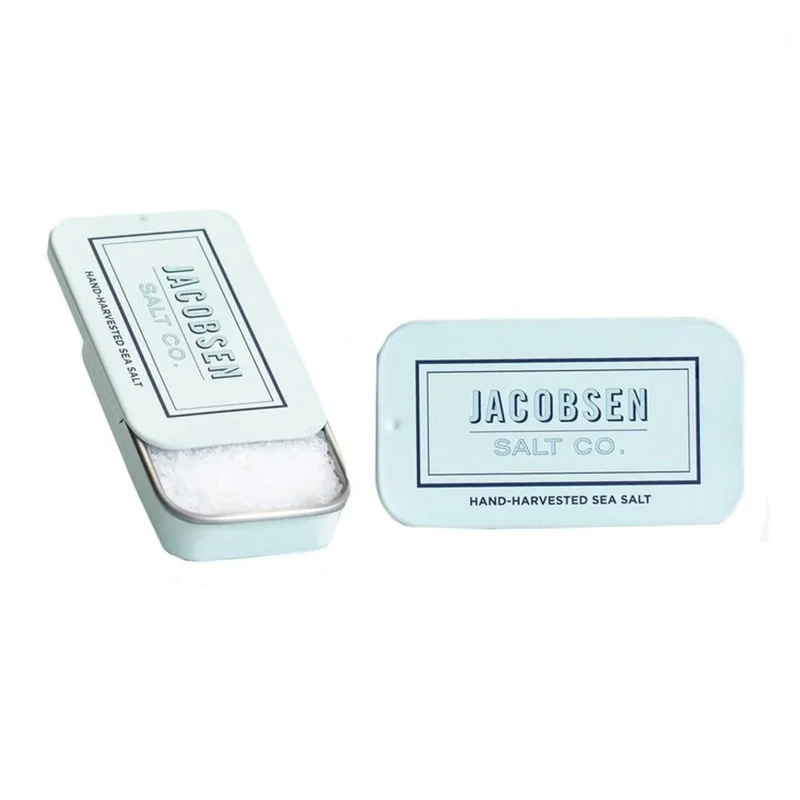
Ihre Produkte erhalten einen hervorragenden Schutz mit Festigkeit und Haltbarkeit.Diese sind ein ideales Werbemittel und können mit Ihrem Branding individuell gestaltet werden.Sie sind für Kunden attraktiv und verfügen über ein optisch ansprechendes Design.Sie eignen sich ideal zur Produktidentifizierung und sind leicht zu kennzeichnen.Sie sind eine umweltfreundliche Verpackungsmöglichkeit und recycelbar.
WEITERLESEN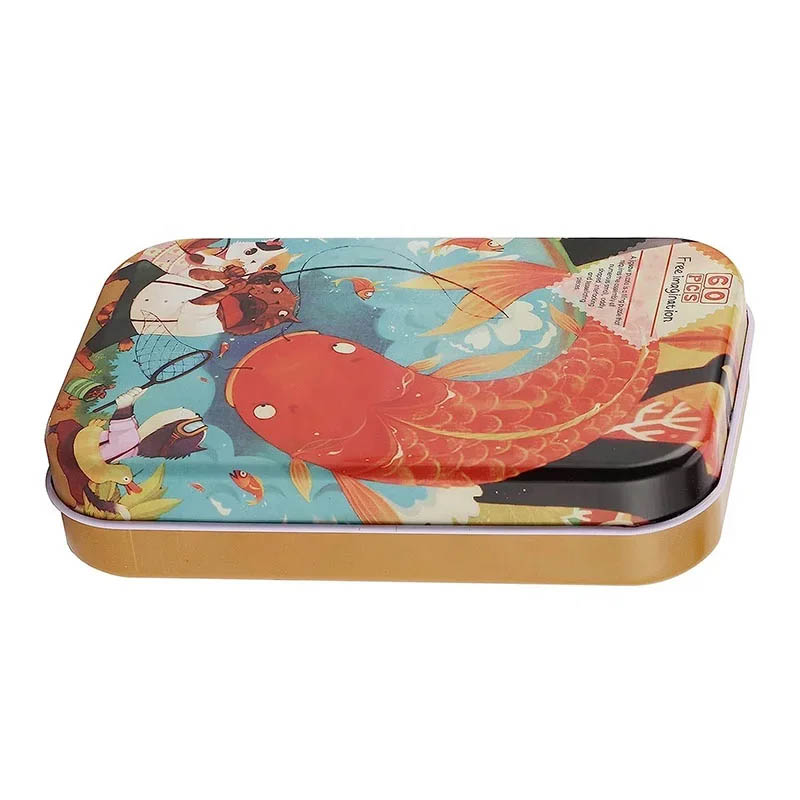
Entdecken Sie eine vielfältige Auswahl an Blechverpackungslösungen, die für eine breite Produktpalette geeignet sind. Unsere modernen Prozesse garantieren eine sichere Versiegelung und lange Lagerzeit. Arbeiten Sie mit bekannten Marken wie Mentos, Tic Tac und Altoids zusammen. Die Verwendung von hochwertigem Weißblechmaterial sorgt für eine einwandfreie Versiegelung Ihrer Weißblechverpackung. Profitieren Sie von einem professionellen Designteam, modernster Druckausrüstung und tadellosen Präsentationsstandards.
WEITERLESEN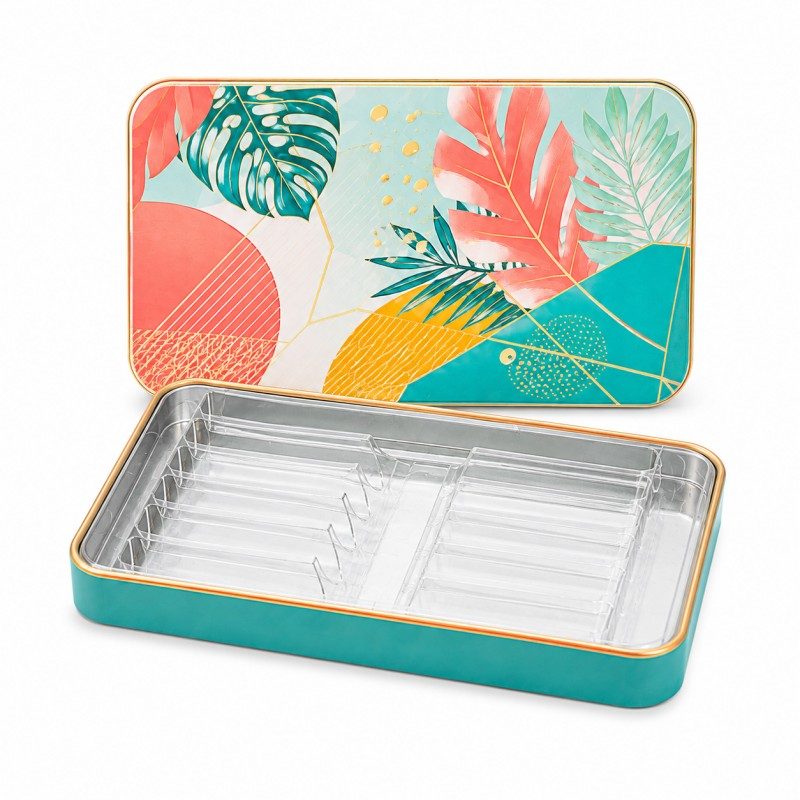
Diese Behälter lassen sich leicht stapeln und machen die Aufbewahrung und Organisation zum Kinderspiel. Diese Behälter sind nicht nur wiederverwendbar, sondern auch vielseitig einsetzbar und dienen sowohl als Aufbewahrung als auch als Dekoration. Mit einer Vielzahl von Größen, Farben und Designs finden Sie die perfekte Lösung für Ihre Bedürfnisse. Das einfache Flip-Deckel-Design ermöglicht ein einfaches Öffnen und Schließen. Diese aus robustem Weißblech gefertigten Behälter sind auf Langlebigkeit ausgelegt und halten dem täglichen Gebrauch stand.
WEITERLESEN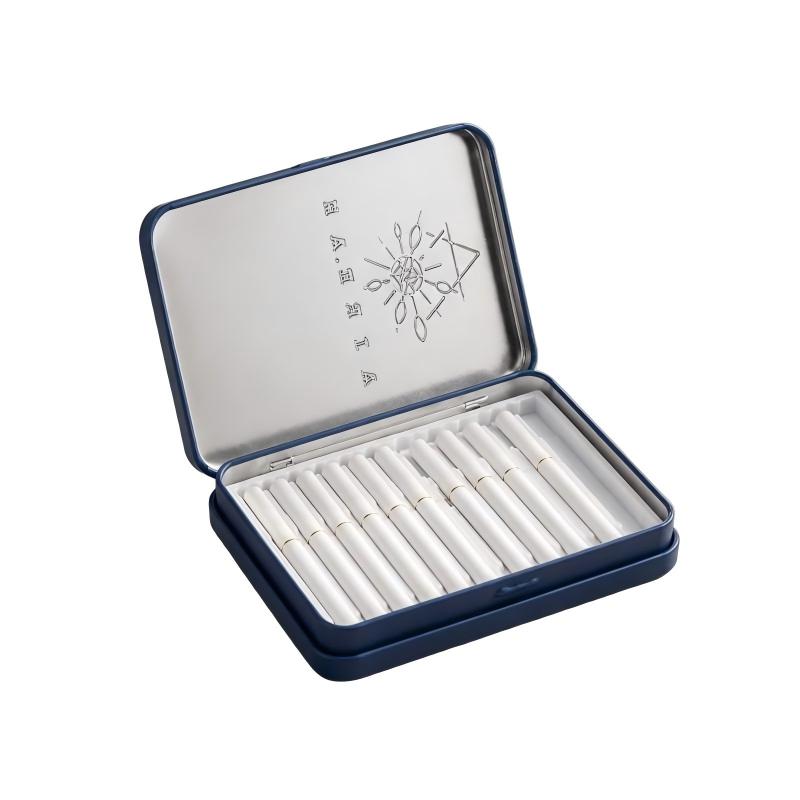
Diese Behälter sind für eine praktische Aufbewahrung und Organisation konzipiert und lassen sich ordentlich stapeln. Sie eignen sich für verschiedene Zwecke und können zur Aufbewahrung von Gegenständen wiederverwendet oder als Dekorationsstücke verwendet werden. Sie können aus einer Reihe von Größen, Farben und Designs wählen, die Ihren spezifischen Anforderungen nahtlos entsprechen. Die Behälter verfügen über eine unkomplizierte Klappdeckelstruktur mit Scharnier, die ein einfaches Öffnen und Schließen gewährleistet. Ihre langlebige Weißblechkonstruktion sorgt dafür, dass sie langlebig und verschleißfest sind.
WEITERLESENHolen Sie sich die neuesten Informationen und Sonderangebote


 IPv6-Netzwerk unterstützt
 Deutsch
 English
 Français
 Español
 Português