
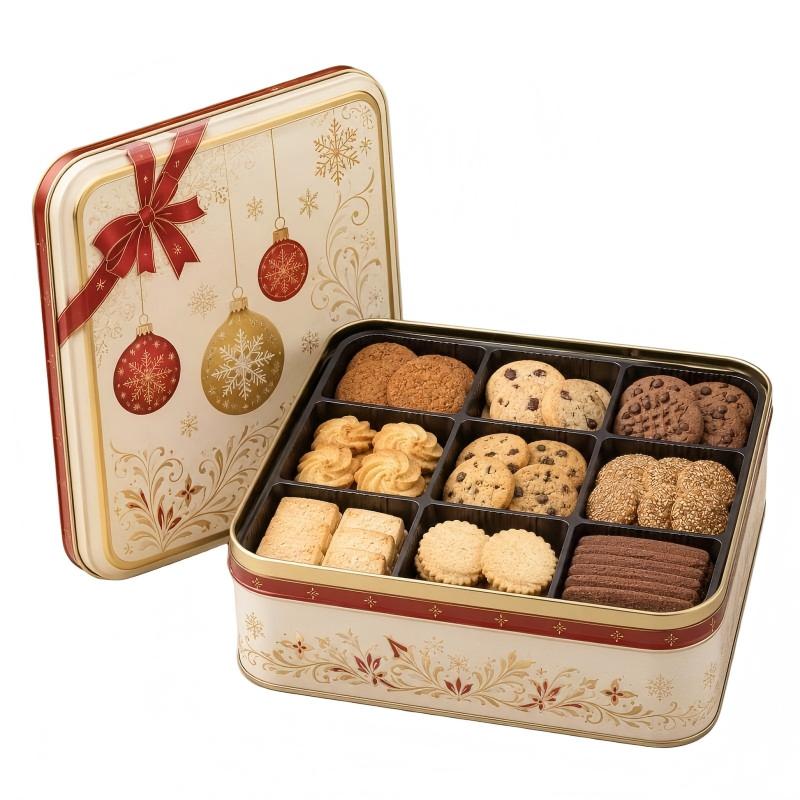
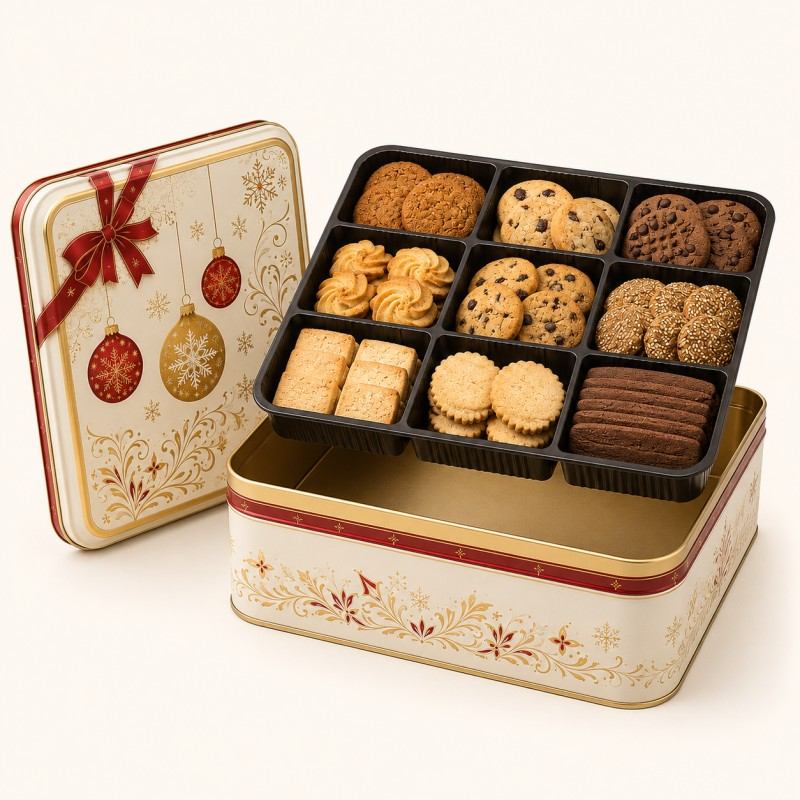
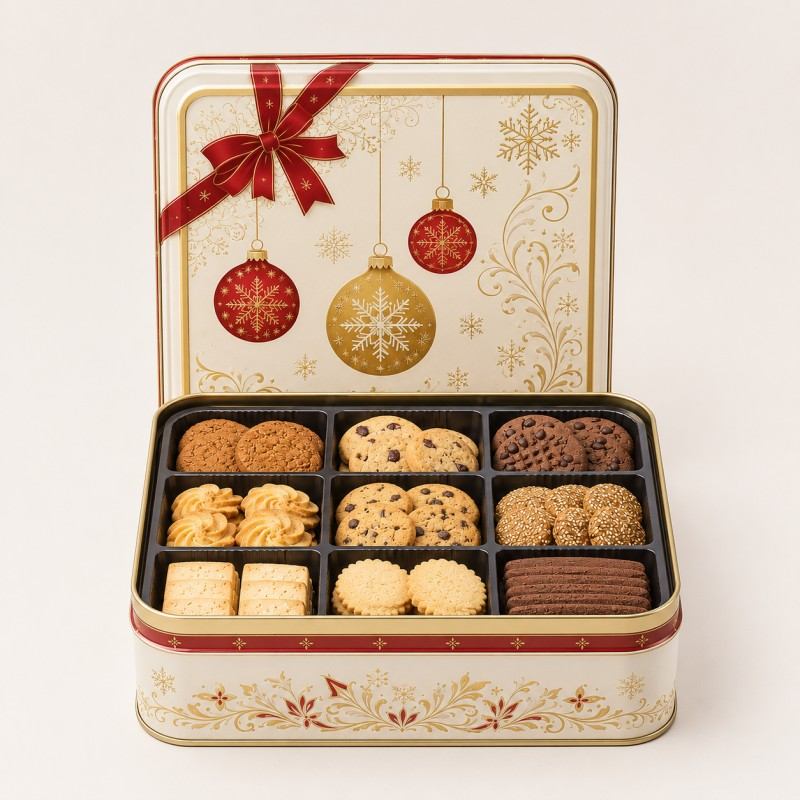
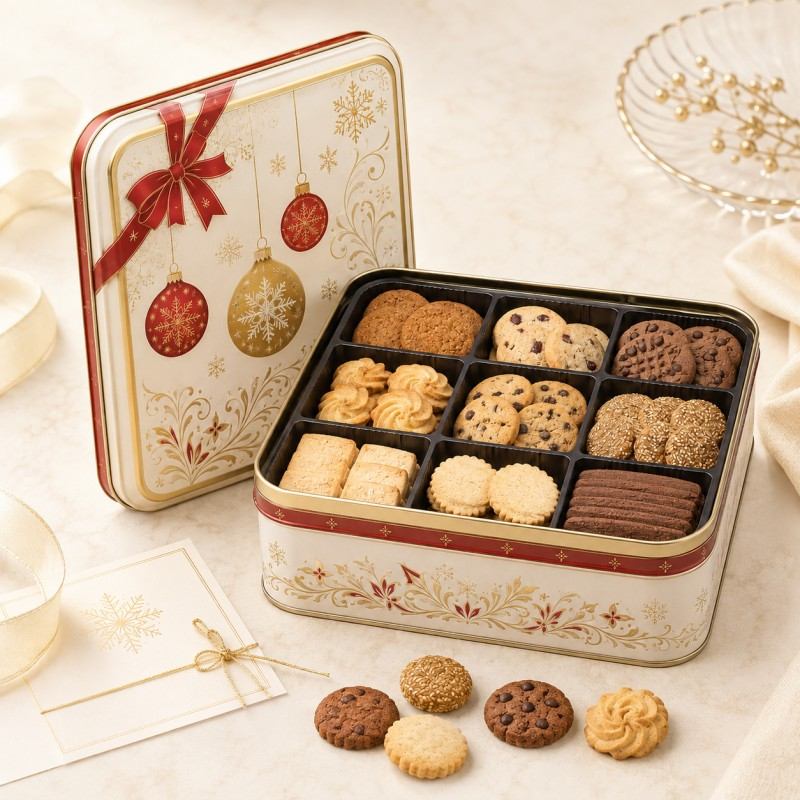
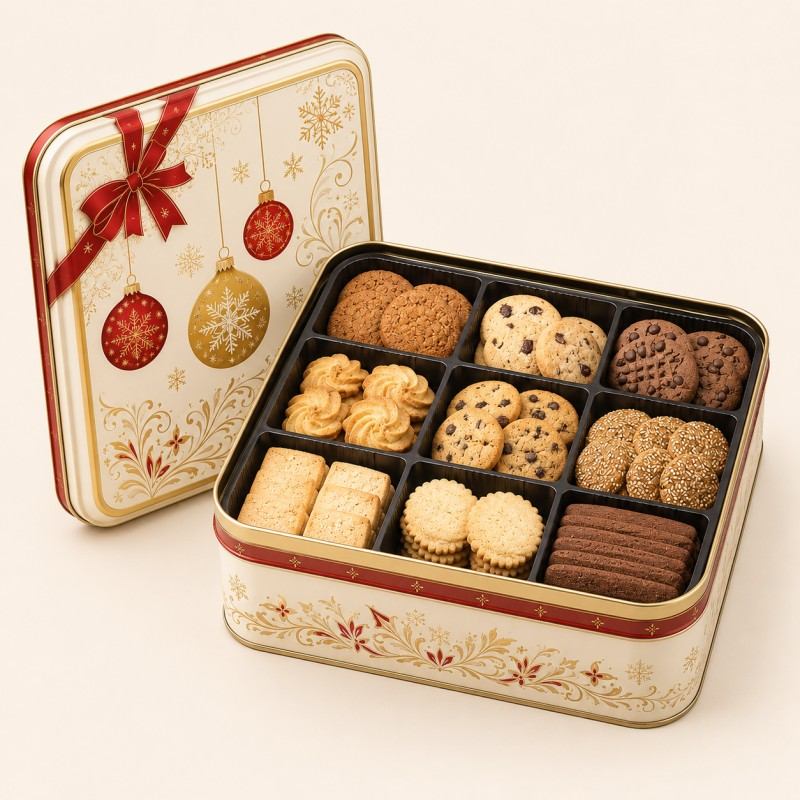
Our large assorted cookie tin box with divider insert is designed for biscuit manufacturers, bakery brands, food gift suppliers, retailers, importers and private-label buyers that need to package several cookie flavours in one organised metal gift box. The fitted compartment tray helps separate different biscuits, reduce product movement during handling and create a cleaner presentation when customers open the tin.
Product Name :
Assorted Cookie Tin Box with Divider InsertDimensions :
L210*W210*H60mmShape :
Rectangular tin with rounded cornersDesign :
Customizable, ODM / OEMPrinting :
CMYK, Pantone spot colours, metallic printing or combined printingSurface Finish :
Glossy, matte, embossing, debossing, metallic effect or spot varnishMaterial :
0.23 mm Food-Grade TinplateMOQ :
5,000 pcsLead Time :
35 DaysPackaging :
Opp Bag + Master Carton
Mixed biscuit collections often contain cookies with different shapes, flavours, colours and textures. Packing them loosely inside one large tin may lead to movement, breakage, flavour mixing and an untidy presentation.
A fitted divider insert gives each cookie variety its own compartment. This helps the assortment remain organised during loading, transportation, retail display and final customer opening.
The metal outer box provides structural protection and a large printable surface, while the internal tray controls product placement. Together, they create a complete packaging system for premium assorted biscuits and festive food gifts.
A fitted PET tray provides clearly defined compartments and an organised retail presentation. It is suitable for precise cookie arrangements, premium assortments and products that need stronger internal positioning.
Paperboard dividers provide a simple and economical way to separate cookie groups. They are suitable for bakery-style products, individually wrapped biscuits and gift collections.
Paper cups can separate delicate cookies, pastries, chocolates and confectionery pieces while supporting a handcrafted or premium food presentation.
A moulded paper insert can provide more defined support than a flat paper divider. It is suitable for brands looking for a paper-based internal packaging solution.
A sealed food pouch can provide the primary moisture and aroma barrier, while the metal tin supplies structural protection, reusable value and stronger shelf presentation.
PET trays, paper cups, paperboard dividers and sealed pouches can be combined when the gift box contains several food types or a more complex layered arrangement.
A divider insert helps reduce direct contact between different cookie varieties and keeps each product in its intended position. It can prevent smaller biscuits from sliding underneath larger cookies and reduce movement during transportation.
When the box is opened, customers can immediately identify the different flavours and shapes. This improves the gifting experience and makes the complete assortment look more organised and valuable.
The divider can also simplify loading on the packing line, create consistent portion groups and help the tin appear properly filled without leaving excessive empty space.
CMYK printing is suitable for seasonal graphics, product illustrations, gradients, photography and multi-colour gift packaging designs.
Pantone spot colours can be used for logos, decorative borders and important brand colours that require more controlled reproduction.
Selected areas of the artwork can retain the natural metal reflection to create gold-style or silver decorative highlights.
A matte finish produces a softer and more premium appearance. Glossy varnish creates brighter colours and stronger reflection for festive retail displays.
Logos, decorative borders, product names and central graphics can be raised or recessed to add tactile value and stronger shelf impact.
The inside of the lid can display a flavour guide, product story, gift message, serving information or brand introduction.
This large cookie tin with divider insert can be developed for butter cookies, shortbread, chocolate chip cookies, filled biscuits, wafer cookies, oat biscuits, sesame cookies and mixed bakery assortments.
It can also be adapted for chocolates, truffles, candy, nuts, dates, pastries and combined biscuit-and-confectionery gift sets.
Typical applications include Christmas cookie tins, New Year biscuit gifts, Ramadan and Eid gift boxes, Easter collections, anniversary packaging, corporate gifts, family-sharing packs and supermarket seasonal programmes.
The correct tin size cannot be selected from total food weight alone. Two assortments with the same net weight may require different packaging because the cookie shapes, diameters, thicknesses and stacking methods are different.
Before the tin and insert are confirmed, buyers should provide the dimensions of each cookie, the number of flavours, the number of pieces per compartment and the preferred visual arrangement.
Physical samples, product photographs, dimension drawings or a simple layout sketch can help our team calculate suitable compartment dimensions and tray depth.
Using an existing mold is usually the fastest and most economical way to develop a large cookie tin gift box. Jinyu maintains more than 3,000 existing molds in round, square, rectangular and special shapes.
A suitable existing mold can reduce tooling investment, shorten sample preparation and make future repeat orders more predictable.
New tooling can be developed when the assortment requires a proprietary footprint, unusual depth, special compartment arrangement, exclusive lid structure or distinctive gift presentation.
Before opening a new mold, the closest existing structures should be evaluated using the real cookie dimensions and proposed divider layout.
Confirm cookie dimensions, flavours, number of pieces, target net weight, estimated quantity, preferred tin style and destination market.
Select a suitable existing tin mold or develop a new structure. The divider layout is then designed around the real cookie arrangement.
A production dieline is prepared for the lid, sides and bottom. Important text, printing areas, metallic effects and embossing positions are reviewed before sampling.
A digital mockup, plain structural sample or printed sample can be produced according to the project requirements.
The tinplate is printed, coated, cut, stamped, formed, assembled and inspected. Approved divider inserts are produced and fitted according to the packaging plan.
Finished tins can be packed in OPP bags, paper sleeves, individual cartons, gift boxes or reinforced export cartons.
Quality inspection can cover tinplate thickness, dimensions, printing alignment, colour consistency, coating quality, lid fit, rolled edges and surface condition.
The divider insert can also be checked for compartment dimensions, fit inside the tin, loading stability, material thickness and ease of removal.
Protective packing may include individual bags, tissue paper, separators, inner cartons, reinforced master cartons and pallets. Appropriate export packing helps reduce scratches, dents, lid movement and deformation during international transportation.
A broad mold library allows buyers to compare several large tin formats before investing in a completely new structure.
Tin structure, printing, forming, divider development, quality inspection, retail packing and export cartons can be coordinated through one supplier.
CMYK, Pantone colours, metallic effects, matte or glossy coatings and embossing can be planned together with the metal forming process.
Approved dimensions, artwork, insert structure and packing standards can be retained to improve consistency for future production runs.
To prepare an accurate quotation, please provide the dimensions of each biscuit, the number of pieces per flavour, the preferred arrangement, total order quantity, number of artworks, target market and required delivery date.
Product photographs, existing packaging samples, cookie drawings and target retail concepts are also useful. When the final tin size has not been determined, our team can recommend existing mold options based on the actual product layout.
Yes. The number, size, depth and arrangement of the compartments can be developed according to the real cookie dimensions and required quantity.
Common options include PET trays, PS trays, paperboard dividers, paper cups and moulded paper inserts. The final material should be selected according to food-contact requirements, product protection and destination-market standards.
Yes. A removable tray can simplify loading and allow customers to reuse the metal tin after the cookies have been consumed.
Yes. Separate compartments can help organise different flavours and shapes. Individually wrapped cookies or sealed groups may be recommended when aroma or flavour transfer is a concern.
A standard decorative cookie tin provides reclosure and physical protection but is not automatically hermetic. A sealed inner pouch should be considered when a stronger moisture and aroma barrier is required.
Yes. Black, white, gold, transparent and other insert colours may be available depending on the material, order quantity and production method.
The standard MOQ normally starts from 5,000 pieces per size or artwork. The final requirement depends on the tin dimensions, divider material, printing process and retail packaging.
Standard sampling normally takes approximately 7–10 working days. Mass production generally requires approximately 25–35 working days after sample and artwork approval.
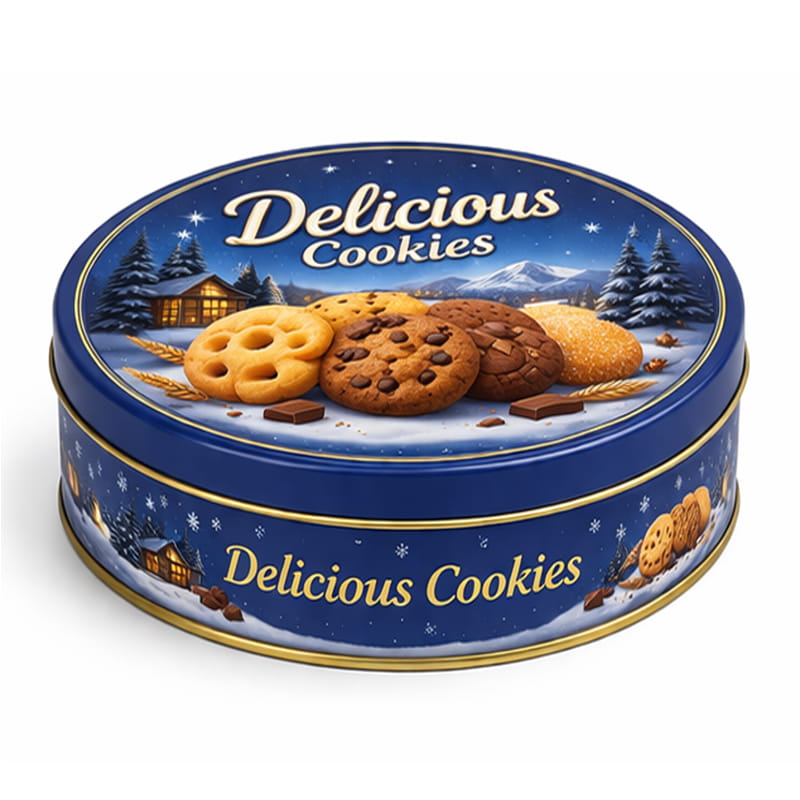
Runde Keksdose aus Metall, Größe: 170 * 170 * 55 mm, Es wird aus Weißblechmaterial mit einer Dicke von 0,23 mm, CMYK-4-Farben- oder Panton-Druck hergestellt. Jetzt unterstützen wir jede Anpassung.
WEITERLESEN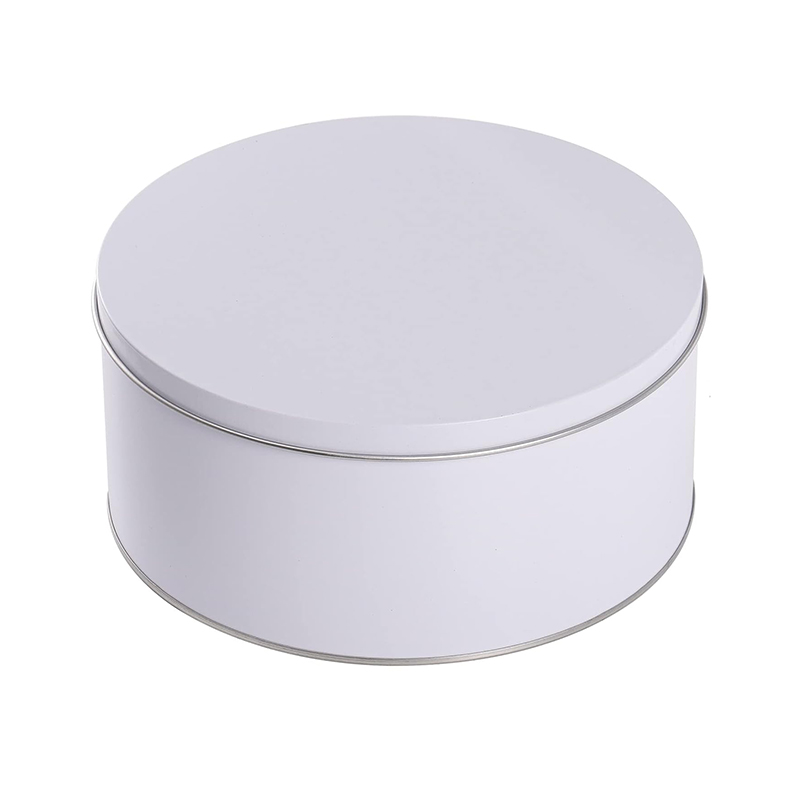
Ganz gleich, welche Art von Verpackung Sie benötigen, wir bieten luxuriöse Verpackungsbehälter aus Weißblech für alle Ihre BedürfnisseMit effektiven Versiegelungstechniken können Ihre Kekse für längere Frische in Keksdosen aus Metall aufbewahrt werden.Renommierte Marken wie Oreo, Keebler und Chips Ahoy vertrauen bei ihrer Verpackung auf unsere OEM-Keksbehälter.Wir verwenden erstklassiges Weißblech in Lebensmittelqualität, um die Sicherheit und Haltbarkeit Ihrer Keksdosenverpackung zu gewährleisten.Unsere Pantone- und 4-Farben-Drucktechnologie garantiert eine hochwertige Präsentation von Keksdosen.
WEITERLESEN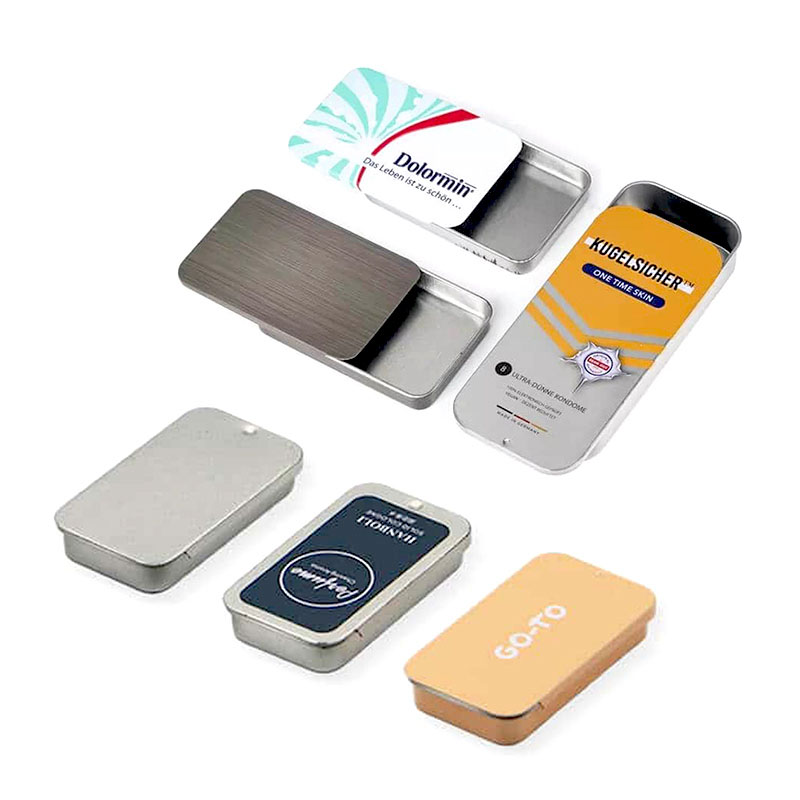
Robust und langlebig, bietet hervorragenden Schutz für Ihre Produkte.Sie können mit Ihrem Branding individuell gestaltet werden und sind somit ein ideales Werbemittel.Optisch ansprechend, was sie für Kunden attraktiv macht.Leicht zu etikettieren und daher ideal zur Produktidentifizierung geeignet.Recycelbar, was sie zu einer umweltfreundlichen Verpackungsoption macht.
WEITERLESEN
Unabhängig von der Art der Verpackung bieten wir die passende Option für Ihre Anforderungen an die Verpackung von Keksen. Ausgeklügelte Techniken können für eine wirksame Versiegelung sorgen und eine längere Speicherung Ihrer Cookies ermöglichen. Zu unseren treuen Kunden zählen renommierte Keksmarken wie Oreo, Keebler, Chips Ahoy und Pepperidge Farm. Erstklassiges Weißblech, das direkt mit Lebensmitteln in Berührung kommt. Die Verpackung Ihrer Kekse kann garantiert absolut sicher sein. Der Einsatz professioneller Pantone- und 4-Farben-Druckmaschinen gewährleistet erstklassige Präsentationen in Blechdosen.
WEITERLESEN
Unsere Keksverpackungsoptionen sind so konzipiert, dass sie mit jeder Art von Verpackung funktionieren, die Sie benötigen.Ausgeklügelte Versiegelungstechniken können die Frische Ihrer Kekse bewahren und eine längere Lagerung ermöglichen.Über die Aufbewahrung von Keksen hinaus können Keksdosen für verschiedene Zwecke verwendet werden, z. B. für die Aufbewahrung von Trockenfrüchten und Nüssen.Die Verpackung von Keksdosen ist eine hygienische Wahl für Lebensmittelverpackungen, da sie leicht gereinigt und desinfiziert werden kann.Keksdosen sind in einer Vielzahl von Größen und Formen erhältlich, um Ihren Vorlieben gerecht zu werden.
WEITERLESEN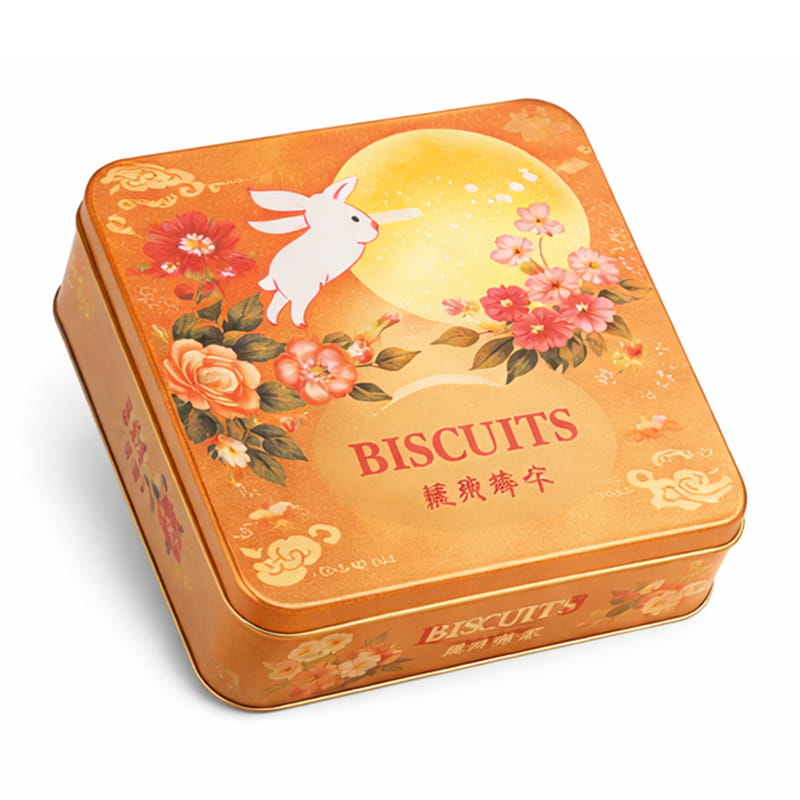
Das Blechdose aus Metall wird normalerweise für Süßigkeiten- und Schokoladenverpackungen verwendet, die Größe beträgt 220 * 220 * 68 mm, es besteht aus Weißblechmaterial mit einer Dicke von 0,23 mm, mit CMYK-4-Farben- oder Panton-Druck. Jetzt unterstützen wir Ihr individuelles Design und die Herstellung neuer Formen.
WEITERLESEN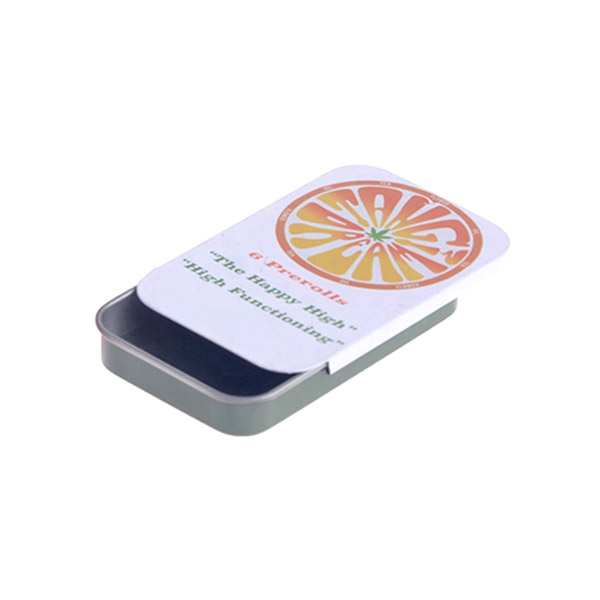
Schiebeblechdose, Größe: 80 * 50 * 20 mm, hergestellt aus 0,23 mm dickem Weißblech, CMYK-4-Farben- oder Panton-Druck, wir unterstützen jede Anpassung.
WEITERLESEN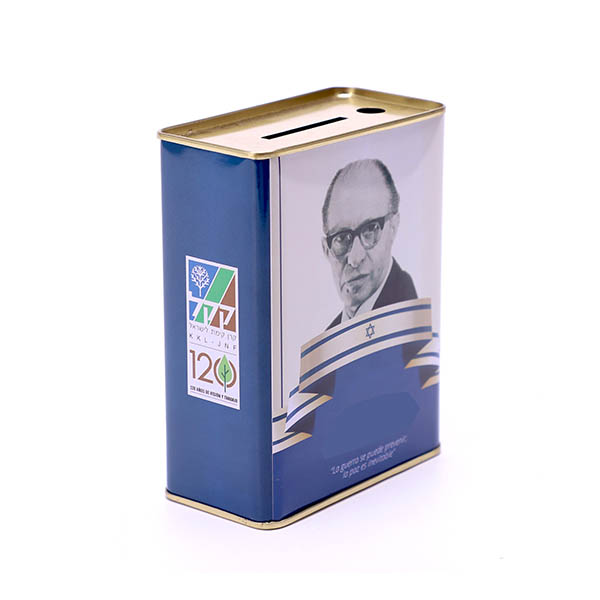
Langlebige Qualität und mehrfach verwendbar.Sichern Sie Ersparnisse und schützen Sie Ihr Geld vor Diebstahl.Dank der großen Auswahl an Größen und Stilen können Sie eines finden, das Ihren Anforderungen entspricht.Wird als Geschenk für Kinder und Freunde verwendet und eignet sich hervorragend zur kommerziellen Markenwerbung.Zuverlässiger Direktlieferant ab Werk, hohe Qualität zu wettbewerbsfähigen Preisen.
WEITERLESEN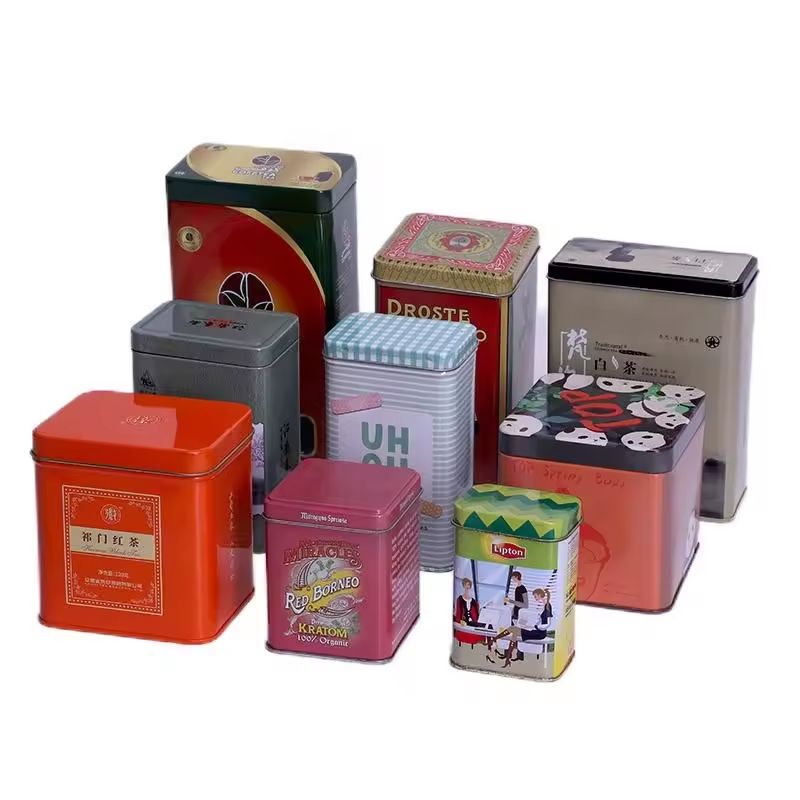
Entdecken Sie unsere Premium-Teedosen, die Ihren Tee frisch und aromatisch halten. Mit anpassbaren Größen und Designs vereinen diese hochwertigen Dosen Funktionalität mit Eleganz und sind ideal sowohl für Teeliebhaber als auch für Marken.
WEITERLESEN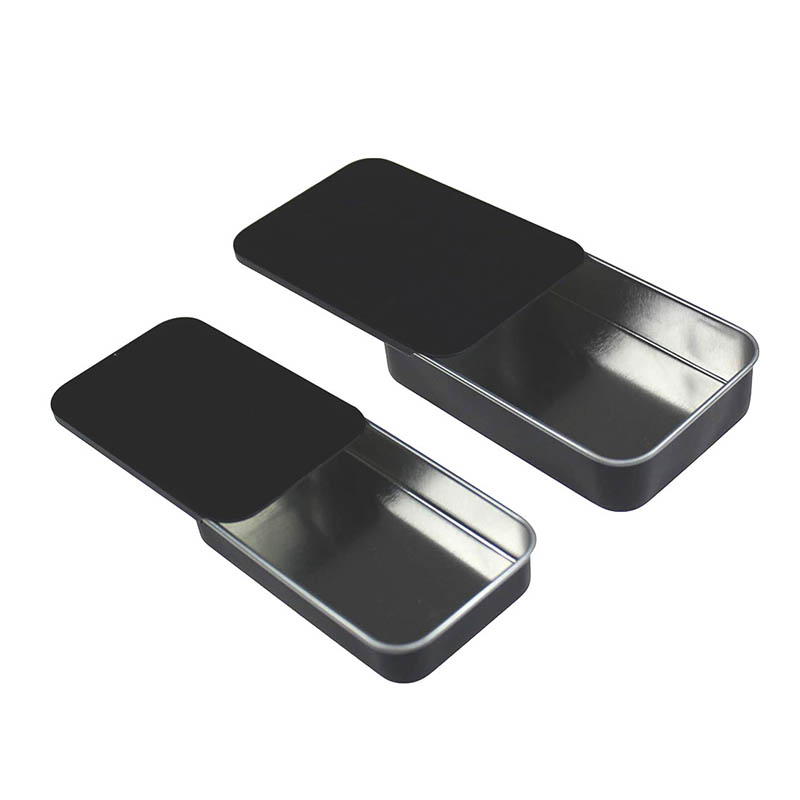
Optisch ansprechend, was sie für Kunden attraktiv macht.Einfach zu stapeln und dadurch platzsparend.Feuchtigkeitsbeständig und daher ideal für die Lagerung von Lebensmitteln.Ungiftig und daher sicher für Lebensmittel.Korrosionsbeständig und daher für die Lagerung von Produkten in feuchten Umgebungen geeignet.
WEITERLESEN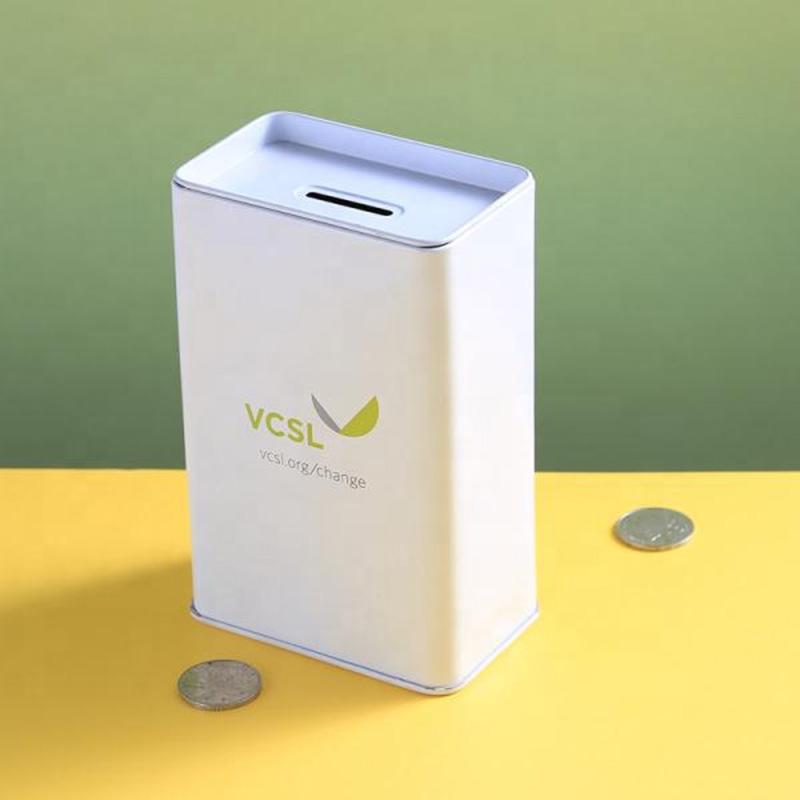
Langlebige Qualität und mehrfach verwendbar.Sichern Sie Ersparnisse und schützen Sie Ihr Geld vor Diebstahl.Dank der großen Auswahl an Größen und Stilen können Sie eines finden, das Ihren Anforderungen entspricht.Wird als Geschenk für Kinder und Freunde verwendet und eignet sich hervorragend zur kommerziellen Markenwerbung.Zuverlässiger Direktlieferant ab Werk, hohe Qualität zu wettbewerbsfähigen Preisen.
WEITERLESEN
Langlebig und mehrfach wiederverwendbar.Luftdicht, wodurch der Geschmack und das Aroma des Tees erhalten bleiben.Eine Vielzahl von Größen und Stilen macht es einfach, das Modell zu finden, das Ihren Anforderungen entspricht.Wird zur Aufbewahrung anderer Gegenstände wie Gewürze, Kräuter und anderer loser Teeblätter verwendet.Äußerst langlebig und kann Ihren Tee vor Feuchtigkeit, Licht und Luft schützen.
WEITERLESEN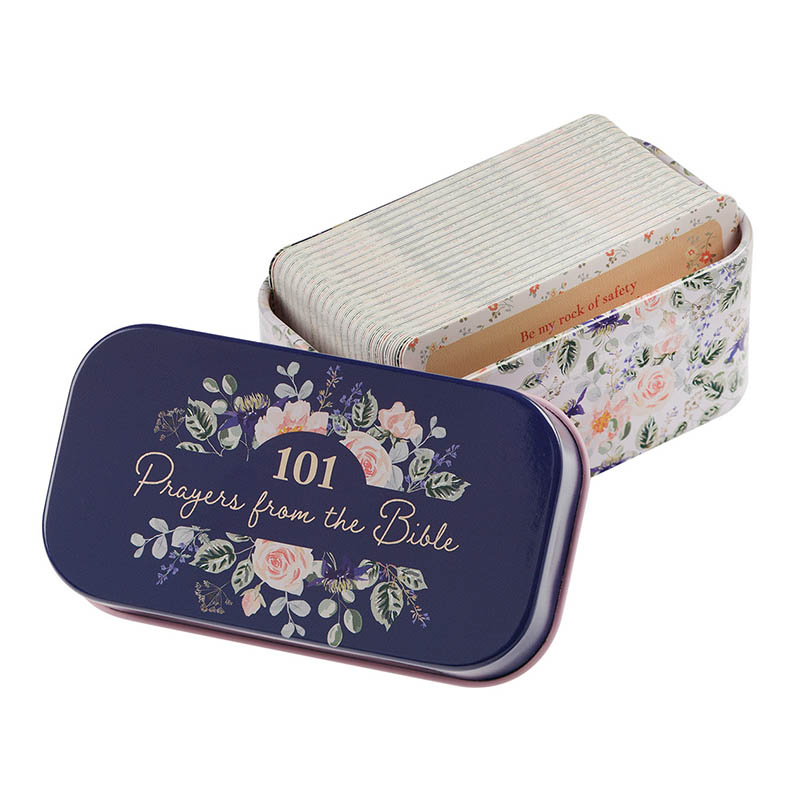
Entdecken Sie eine vielfältige Auswahl an Blechverpackungslösungen, die ein umfassendes Produktsortiment umfassen.Der Einsatz moderner Verfahren sorgt für eine sichere Versiegelung und eine verlängerte Lagerdauer.Zu den geschätzten Partnern gehören bekannte Marken wie Mentos, Tic Tac und Altoids.Die Verwendung von hochwertigem Weißblechmaterial garantiert eine einwandfreie Versiegelung der Dose.Profitieren Sie von einem professionellen Designteam, modernster Druckausrüstung und einer makellosen Präsentation.
WEITERLESEN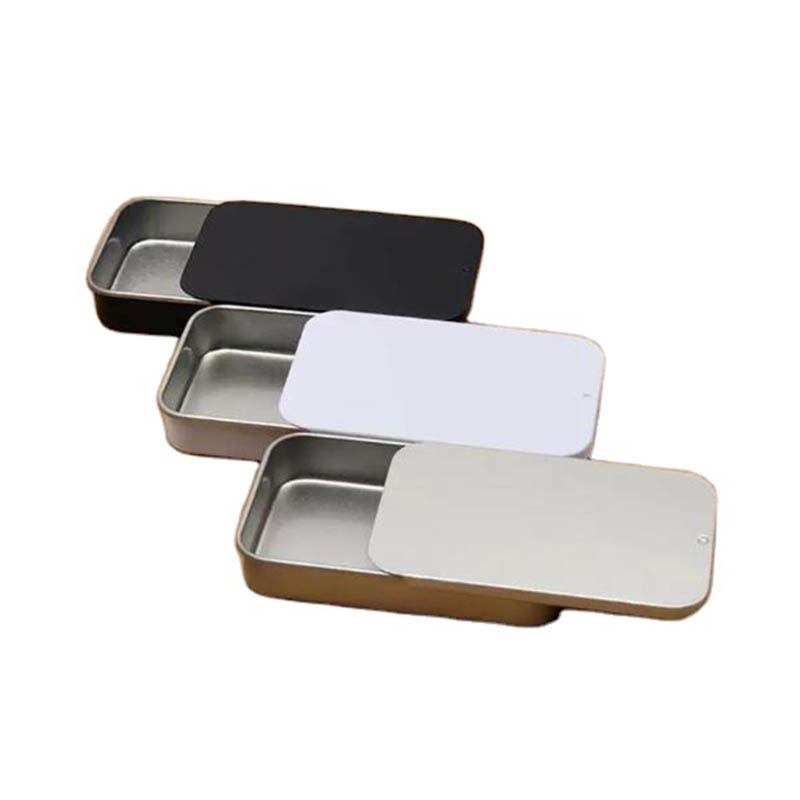
Eine großartige Möglichkeit, Ihr Produkt zu präsentieren und es von der Konkurrenz abzuheben.Robust und langlebig, bietet hervorragenden Schutz für Ihre Produkte.Verschiedene Größen und Formen, wodurch sie für ein breites Produktspektrum geeignet sind.Kostengünstig, was sie zu einer erschwinglichen Verpackungslösung macht.Recycelbar, was sie zu einer umweltfreundlichen Verpackungsoption macht.
WEITERLESEN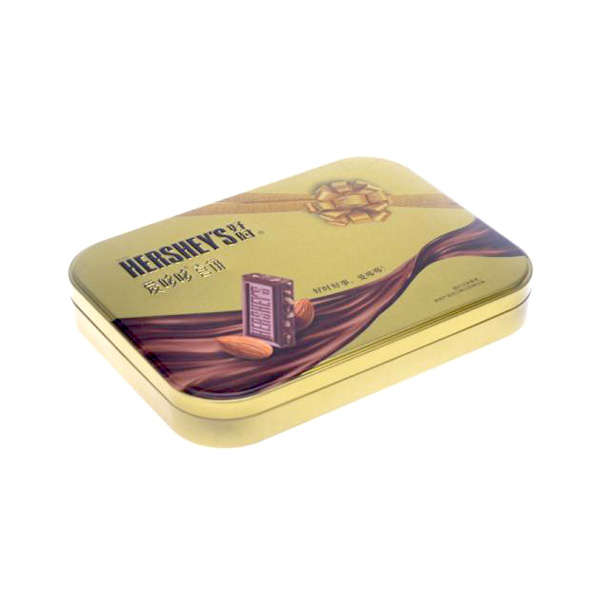
Unsere Optionen für Blechverpackungen decken alle Arten von Verpackungen ab und stellen sicher, dass Sie die beste Lösung erhalten.Durch die ausgefeilten Techniken kann eine effektive Versiegelung und längere Lagerung Ihrer Schokolade erreicht werden.Unser treuer Kundenstamm besteht aus bekannten Marken wie Oreo, Keebler, Chips Ahoy und Pepperidge Farm.Durch die Verwendung von erstklassigem Weißblech ist die Lebensmittelsicherheit Ihrer Verpackung garantiert.Professionelle Pantone- und 4-Farben-Druckmaschinen gewährleisten die hervorragende Präsentation von Blechdosen.
WEITERLESEN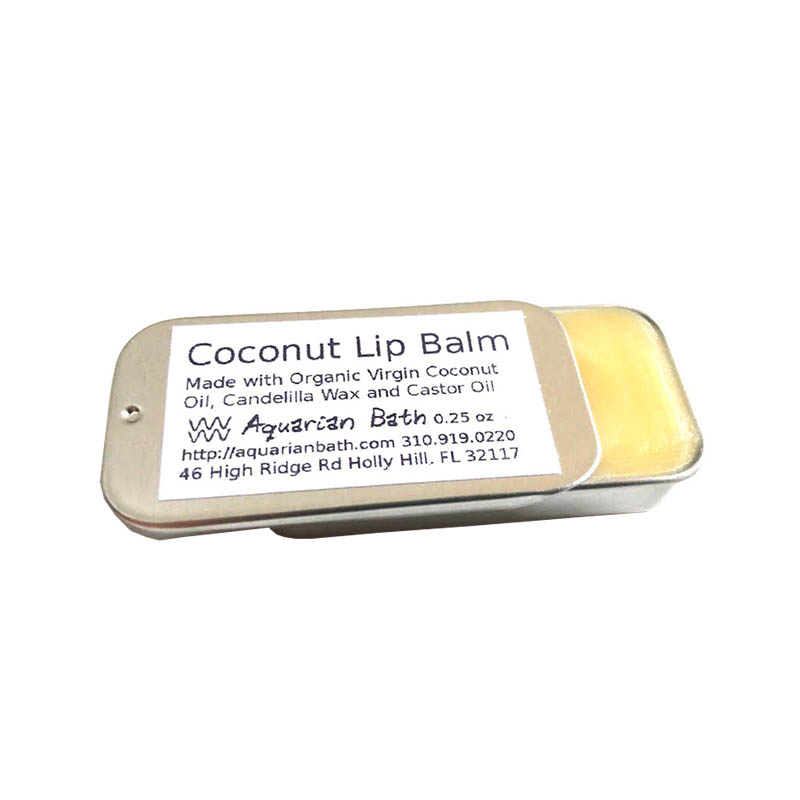
Umweltfreundlich, da sie aus recycelten Materialien hergestellt werden.Anpassbar, sodass Sie Ihrem Produkt ein einzigartiges Aussehen verleihen können.Vielseitig, da sie für verschiedene Zwecke eingesetzt werden können.Ideal für Werbezwecke, da sie mit Logos oder Slogans bedruckt werden können.Kostengünstige Verpackungslösung für Unternehmen.
WEITERLESEN
Große Auswahl an Blechverpackungslösungen, die die gesamte Produktpalette abdecken.Modernes Verfahren sorgt für eine gute Versiegelung und lange Lagerzeit.Zu den bekannten Partnern zählen führende Marken wie Mentos, Tic Tac, Altoids.Hochwertiges Weißblechmaterial sorgt dafür, dass die Dose perfekt versiegelt ist.Professionelles Designteam, fortschrittliche Druckausrüstung, perfekte Präsentation.
WEITERLESEN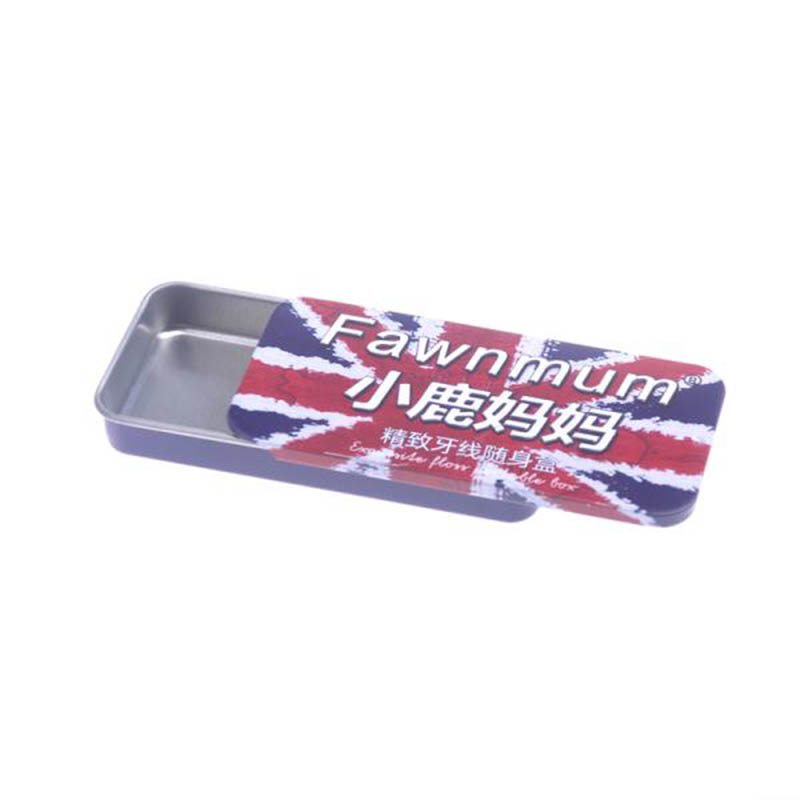
Sorgen Sie für einen luftdichten Verschluss, damit die Minze länger frisch bleibt.Eine Vielzahl von Größen und Stilen macht es einfach, das Modell zu finden, das Ihren Anforderungen entspricht.Hergestellt aus langlebigen Materialien, wodurch sie langlebig und resistent gegen Rost und Korrosion sind.Helfen Sie dabei, den wahrgenommenen Wert Ihrer Minzprodukte zu steigern.Attraktive und auffällige Möglichkeit, Ihre Minzbonbonprodukte in Szene zu setzen.
WEITERLESEN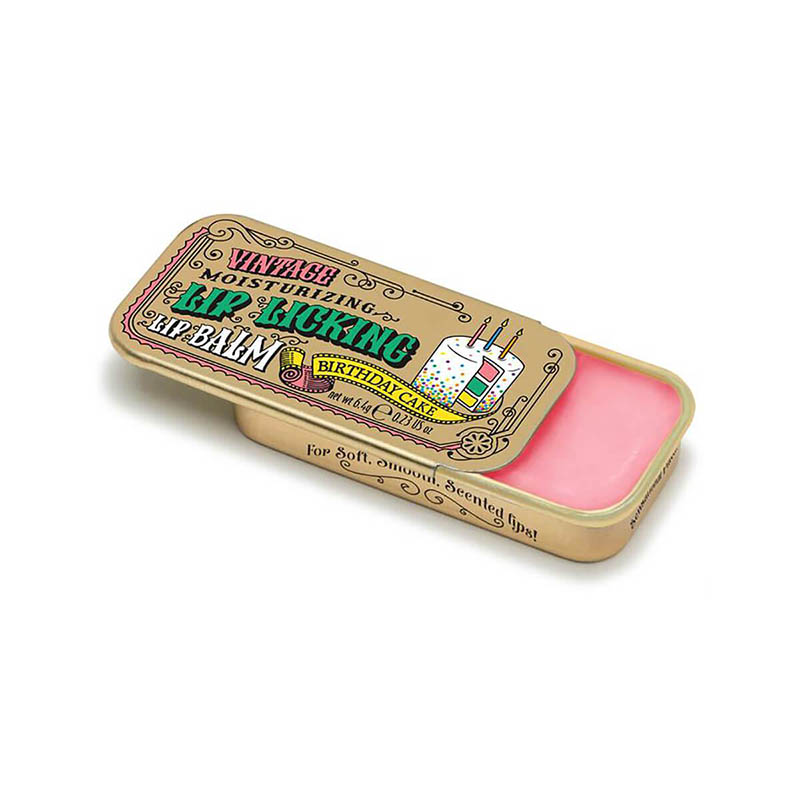
Kann mit Logos, Farben und anderen Branding-Elementen individuell angepasst werden.Kann zur Lagerung von Produkten über einen längeren Zeitraum verwendet werden.Relativ günstig im Vergleich zu anderen Verpackungsarten.Feuchtigkeitsbeständig und daher ideal für die Lagerung von Lebensmitteln.Tolle Möglichkeit, Produkten einen Mehrwert zu verleihen und ein einzigartiges Kundenerlebnis zu schaffen.
WEITERLESEN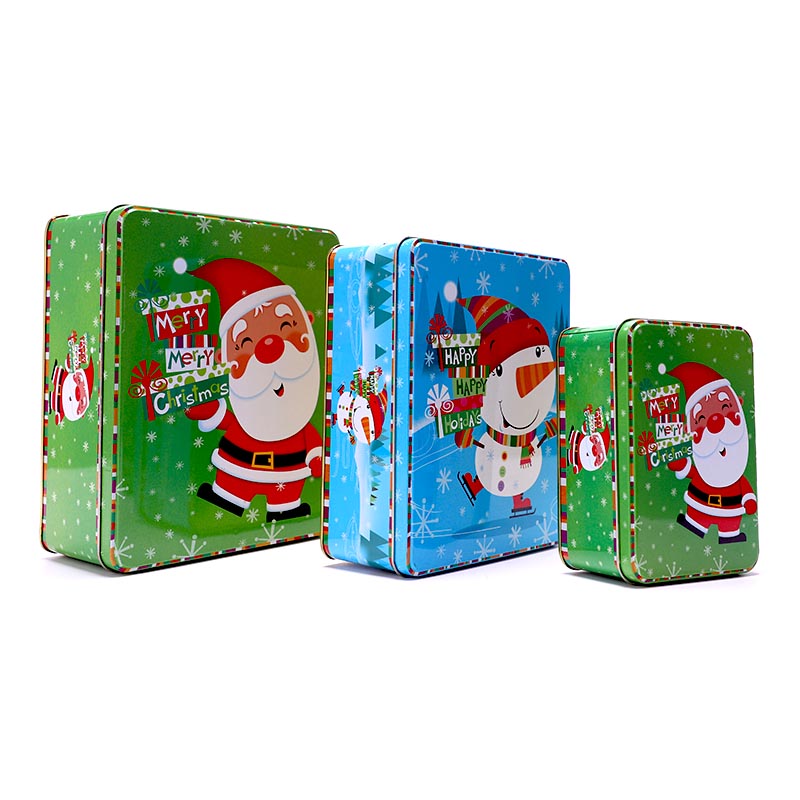
Unsere Auswahl an Verpackungsoptionen für Kekse ist so konzipiert, dass sie allen Arten von Verpackungsanforderungen gerecht wird.Mit unseren erfolgreichen Versiegelungstechniken stellen Sie sicher, dass Ihre Geschenke länger frisch und konserviert bleiben.Oreo, Keebler, Chips Ahoy und Pepperidge Farm sind berühmte Keksmarken, die uns die Treue halten.Seien Sie versichert, dass wir der Sicherheit Ihrer Geschenkverpackungen höchste Priorität einräumen, indem wir erstklassiges Weißblech in Lebensmittelqualität verwenden und so ein Höchstmaß an Qualität gewährleisten.Um erstklassige Qualität bei der Präsentation von Blechdosen zu gewährleisten, verwenden wir professionelle Pantone- und 4-Farben-Druckmaschinen.
WEITERLESEN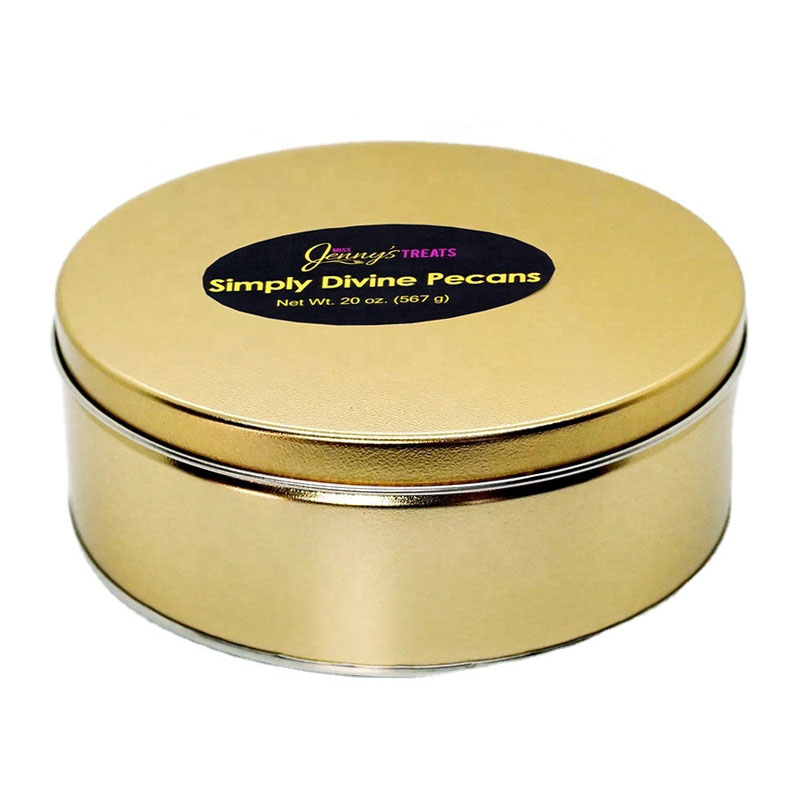
Wir bieten eine Vielzahl von Kuchenverpackungsoptionen an, um Ihren spezifischen Anforderungen gerecht zu werden. Durch den Einsatz effektiver Versiegelungstechniken können Sie die Haltbarkeit Ihres Kuchens verlängern. Wir haben starke Partnerschaften mit renommierten Kuchenmarken aufgebaut. Unsere Kuchenverpackungen gewährleisten Sicherheit durch die Verwendung von hochwertigem Weißblech in Lebensmittelqualität. Um eine erstklassige Qualität bei der Präsentation von Blechdosen zu gewährleisten, verwenden wir professionelle Pantone- und 4-Farben-Druckmaschinen.
WEITERLESEN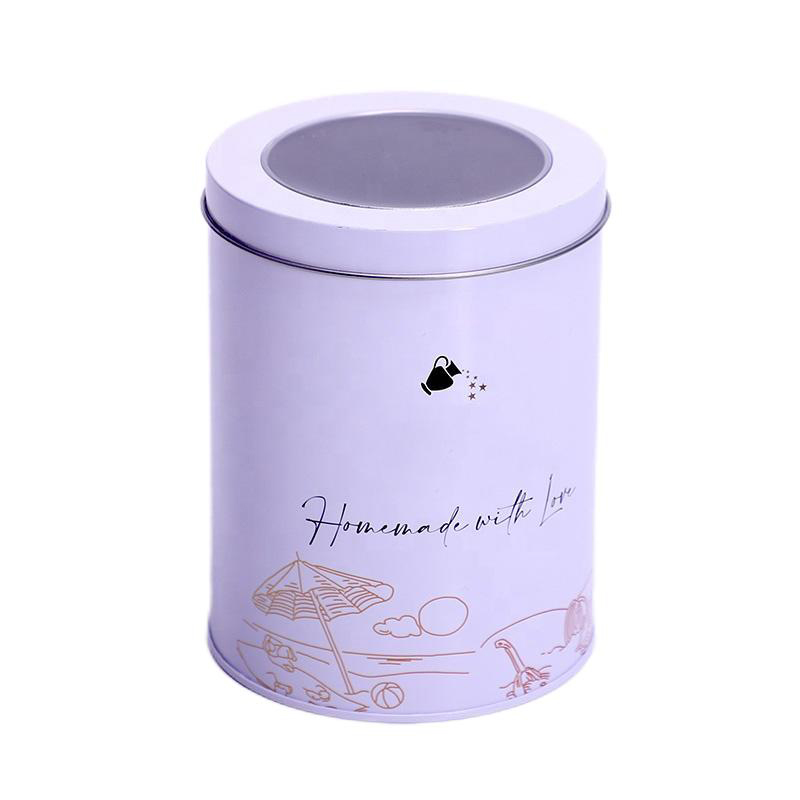
Wir bieten eine Reihe von Optionen für die Kuchenverpackung an, die auf Ihre Bedürfnisse zugeschnitten sind.Der Einsatz effektiver Versiegelungstechniken kann die Haltbarkeit Ihres Kuchens verlängern.Wir haben starke Partnerschaften mit bekannten Kuchenmarken geschlossen.Unsere Kuchenverpackungen garantieren Sicherheit durch die Verwendung von hochwertigem Weißblech in Lebensmittelqualität.Um eine hervorragende Präsentation von Blechdosen zu gewährleisten, verwenden wir professionelle Pantone- und 4-Farben-Druckmaschinen.
WEITERLESEN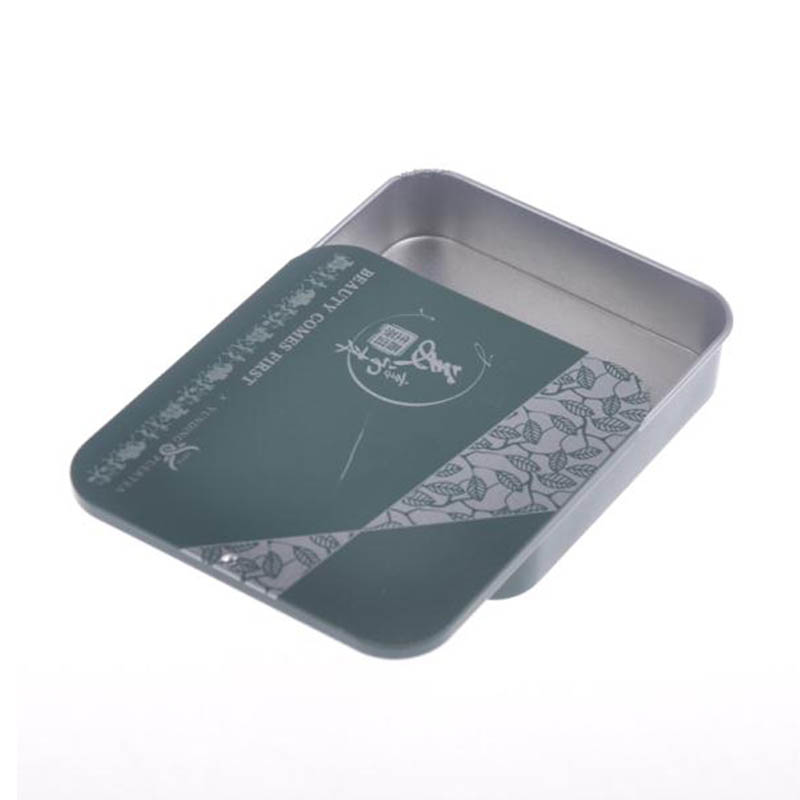
Luftdichter Verschluss, damit Ihre Minze frisch und aromatisch bleibt.Verschiedene Größen für jede Menge Minze.Personalisiert mit Ihrem eigenen Design oder Logo, was sie zu einer tollen Geschenkoption macht.Hergestellt aus robusten Materialien, die auf Langlebigkeit ausgelegt sind.Entwickelt, um stapelbar und einfach in jedem Schrank oder jeder Speisekammer zu verstauen.
WEITERLESEN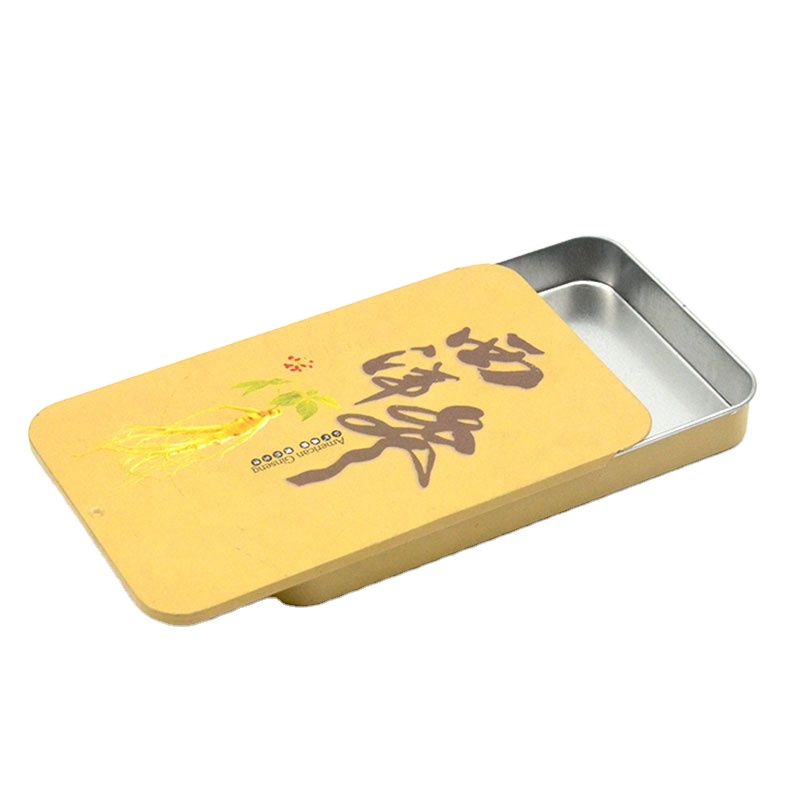
Hergestellt aus robusten, lebensmittelechten Materialien, die auf eine jahrelange Lebensdauer ausgelegt sind.Minzdosen verfügen über einen dicht schließenden Deckel, der dafür sorgt, dass Ihre Minze frisch und aromatisch bleibt.Eine Vielzahl von Stilareh-Designs, die mit Sicherheit beeindrucken werden.Machen Sie tolle Geschenke für jeden Anlass, vom Geburtstag bis zum Feiertag.Dank der großen Auswahl an Größen finden Sie ganz einfach die perfekte Größe für Ihre Bedürfnisse.
WEITERLESEN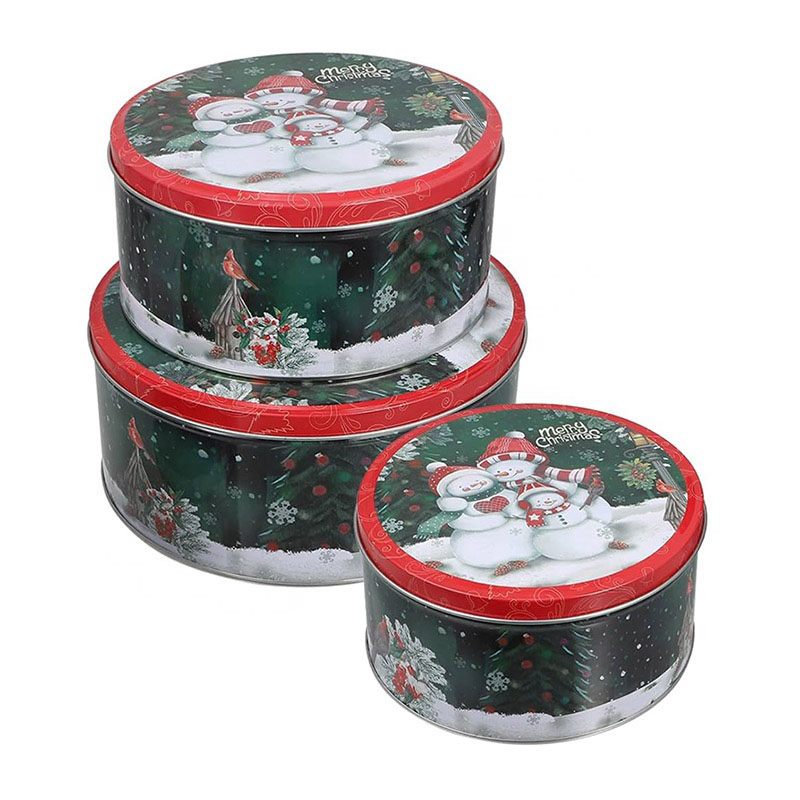
Wir verfügen über eine Reihe von Verpackungsoptionen für Kekse, um Ihren spezifischen Anforderungen gerecht zu werden. Durch den Einsatz effektiver Versiegelungstechniken können Ihre Geschenke über einen längeren Zeitraum hinweg aufbewahrt werden. Wir haben starke Partnerschaften mit renommierten Keksmarken wie Oreo, Keebler, Chips Ahoy und Pepperidge Farm aufgebaut. Wir legen großen Wert auf die Sicherheit Ihrer Geschenkverpackungen und verwenden ausschließlich hochwertiges, lebensmittelechtes Weißblech der ersten Güteklasse. Durch den Einsatz professioneller Pantone- und 4-Farben-Druckmaschinen gewährleisten wir höchste Qualität bei der Präsentation von Blechdosen.
WEITERLESEN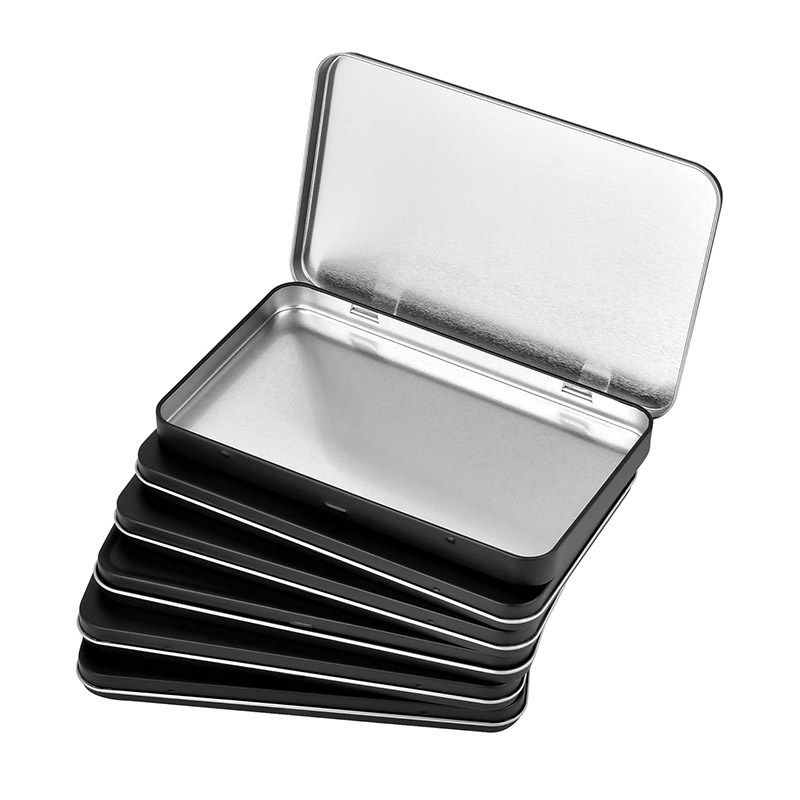
Große Auswahl an Blechverpackungslösungen, die die gesamte Produktpalette abdecken.Modernes Verfahren sorgt für eine gute Versiegelung und lange Lagerzeit.Zu den bekannten Partnern zählen führende Marken wie Mentos, Tic Tac, Altoids.Hochwertiges Weißblechmaterial sorgt dafür, dass die Dose perfekt versiegelt ist.Professionelles Designteam, fortschrittliche Druckausrüstung, perfekte Präsentation.
WEITERLESEN
Wir bieten Verpackungsoptionen für Kekse an, die für verschiedene Verpackungsanforderungen geeignet sind.Nutzen Sie fortschrittliche Versiegelungstechniken, um eine längere Lagerung und Frische Ihrer Kekse zu gewährleisten.Keksdosen sind die ideale Wahl, um die Frische zu bewahren, indem sie Luft und Feuchtigkeit fernhalten.Die Wahl einer Keksdose gewährleistet eine langlebige und langlebige Verpackung und ist somit eine kostengünstige Option.Die Keksdosen sind in verschiedenen Formen und Größen gestaltet und können den individuellen Vorlieben gerecht werden.
WEITERLESEN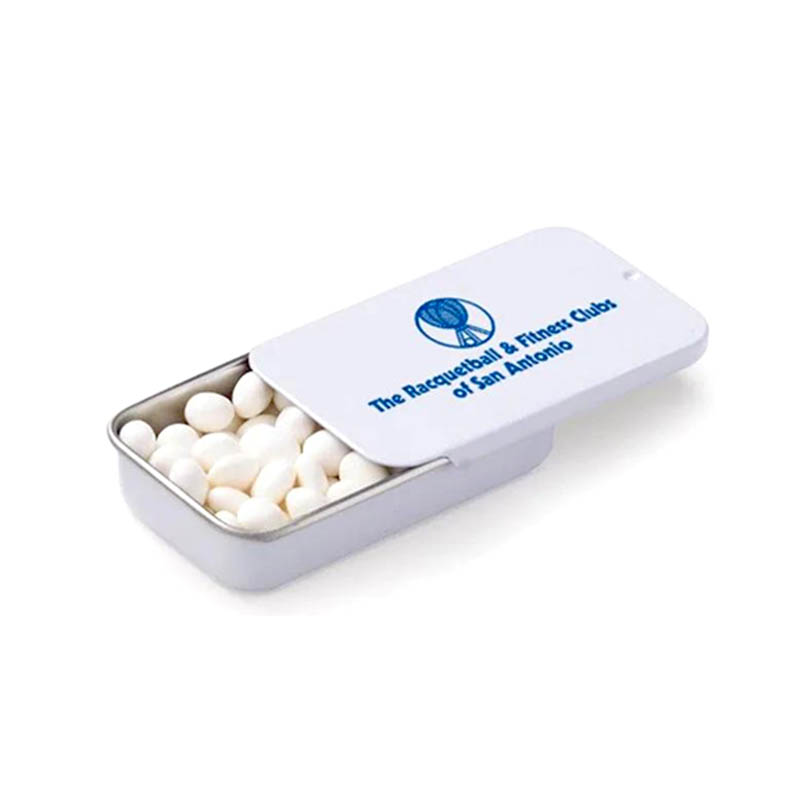
Sie lassen sich leicht auf- und abbauen und eignen sich daher hervorragend für temporäre Aufbewahrungslösungen.Stapelbar, wodurch sie sich hervorragend zur Maximierung des Stauraums eignen.Ideal für die Präsentation von Artikeln in Einzelhandelsgeschäften, da sie leicht geöffnet und geschlossen werden können.Ideal zum Aufbewahren und Organisieren von Dokumenten, da sie sicher und leicht zu beschriften sind.Perfekt zum Verschenken, da sie mit einem Design oder Logo personalisiert werden können.
WEITERLESEN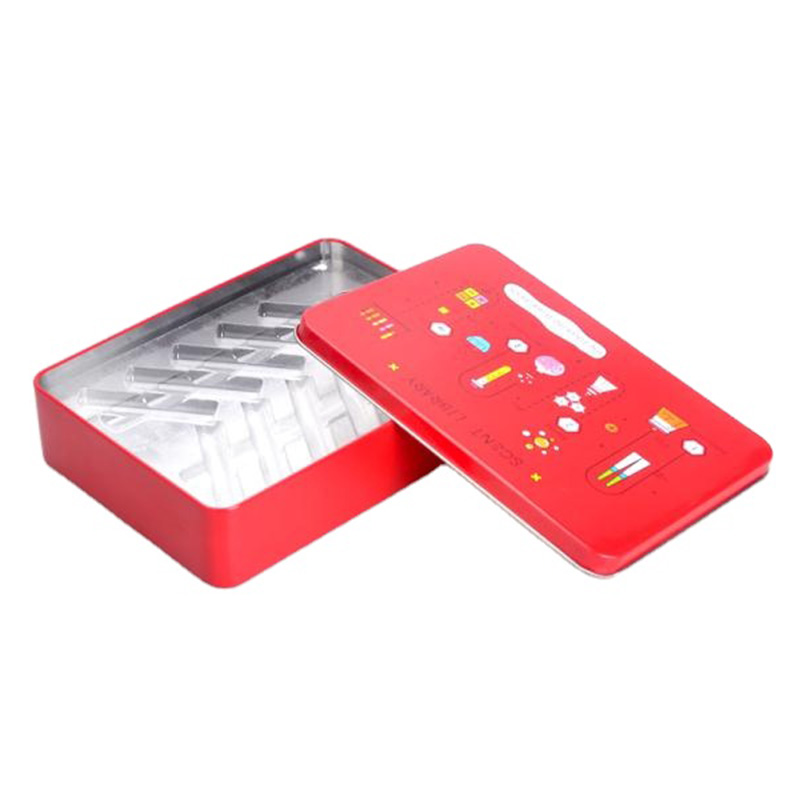
Ganz gleich, welche Art von Verpackung Sie benötigen, wir haben die passenden Verpackungsmöglichkeiten für Kekse.Mit erfolgreichen Versiegelungstechniken können Ihre Cookies über einen längeren Zeitraum gespeichert werden.Oreo, Keebler, Chips Ahoy und Pepperidge Farm sind berühmte Keksmarken, die uns die Treue halten.Die Verwendung von erstklassigem Weißblech in Lebensmittelqualität garantiert die Sicherheit Ihrer Keksverpackung.Professionelle Pantone- und 4-Farben-Druckmaschinen werden verwendet, um die hervorragende Qualität der Präsentationen in Blechdosen zu gewährleisten.
WEITERLESEN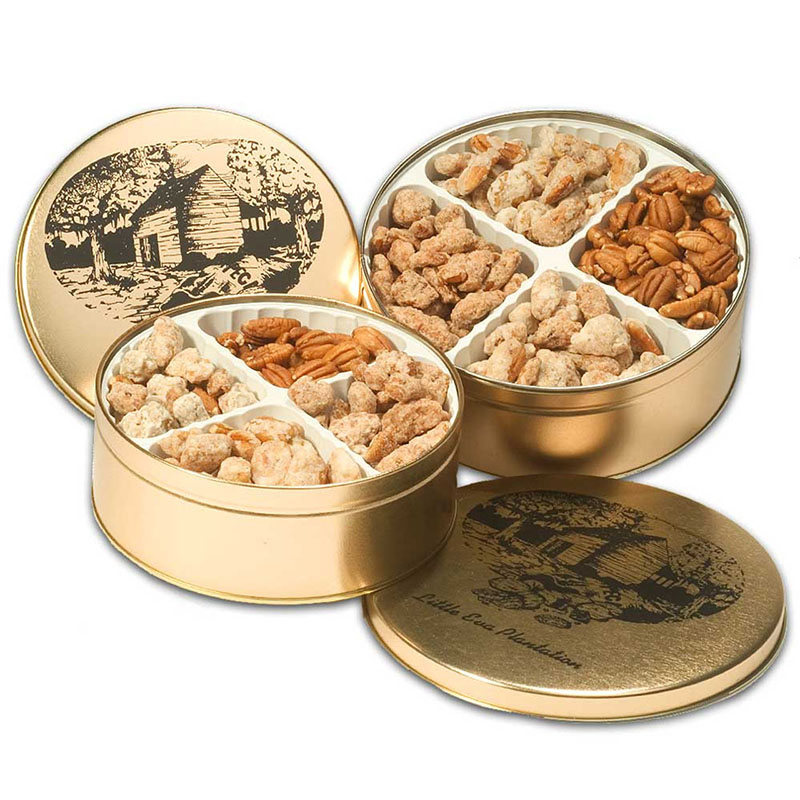
Bieten Sie eine Reihe von Verpackungsoptionen für Kekse an, um Ihren spezifischen Anforderungen gerecht zu werden.Durch erfolgreiche Versiegelungstechniken können Ihre Cookies über einen längeren Zeitraum gespeichert werden.Treuer Kundenstamm, darunter bekannte Marken wie Oreo, Keebler, Chips Ahoy und Pepperidge Farm.Lebensmittelechtes Weißblech erster Güte gewährleistet die Sicherheit Ihrer Keksverpackung.Dank professioneller Pantone- und 4-Farben-Druckmaschinen sind Präsentationen in Blechdosen von höchster Qualität.
WEITERLESEN
Diese Behälter sind für müheloses Stapeln konzipiert und vereinfachen die Lagerung und Organisation.Diese Behälter sind nicht nur wiederverwendbar, sondern auch vielseitig einsetzbar und dienen sowohl zur Aufbewahrung als auch zur Dekoration.Mit einer Vielzahl von Größen, Farben und Designs können Sie die ideale Lösung für Ihre Anforderungen finden.Das unkomplizierte Flip-Deckel-Design ermöglicht ein einfaches Öffnen und Schließen.Diese aus robustem Weißblech gefertigten Behälter sind so konstruiert, dass sie dem täglichen Gebrauch standhalten.
WEITERLESEN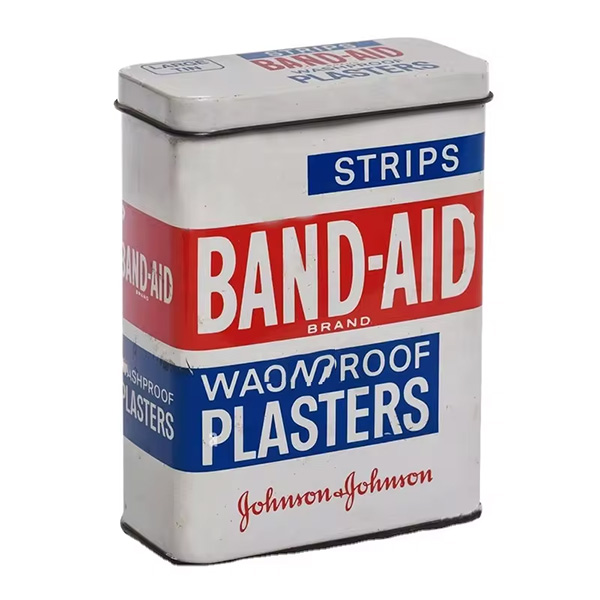
Bieten Sie verschiedene Größen an, um jede Menge Minze und Süßigkeiten aufzubewahren.Luftdichte und versiegelte Struktur, damit Ihre Minze frisch und aromatisch bleibt.Erschwinglich und mit hervorragendem Preis-Leistungs-Verhältnis.Wiederverwertbares Weißblechmaterial, das sie zu einer großartigen umweltfreundlichen Wahl macht.Fortschrittliche Panton-Farbdruckgeräte sorgen für modischere und wertvollere Designs.
WEITERLESEN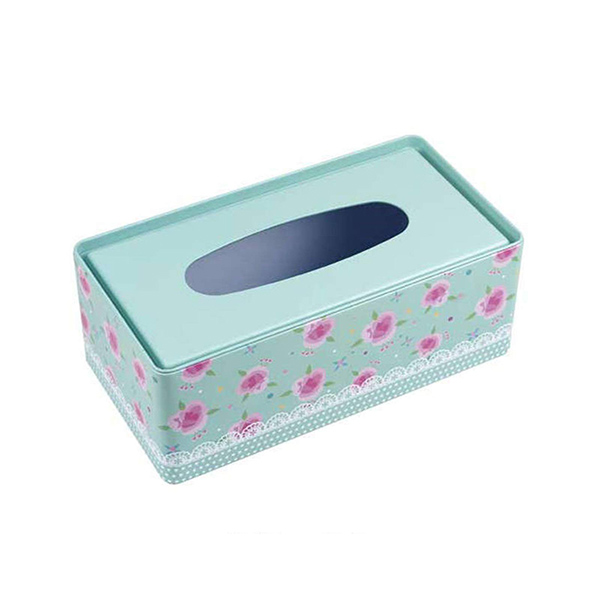
Unsere Auswahl an Verpackungsoptionen für Kekse ist so konzipiert, dass sie allen Arten von Verpackungsanforderungen gerecht wird.Mit unseren erfolgreichen Versiegelungstechniken stellen Sie sicher, dass Ihre Geschenke länger frisch und konserviert bleiben.Oreo, Keebler, Chips Ahoy und Pepperidge Farm sind berühmte Keksmarken, die uns die Treue halten.Seien Sie versichert, dass wir der Sicherheit Ihrer Geschenkverpackungen höchste Priorität einräumen, indem wir erstklassiges Weißblech in Lebensmittelqualität verwenden und so ein Höchstmaß an Qualität gewährleisten.Um erstklassige Qualität bei der Präsentation von Blechdosen zu gewährleisten, verwenden wir professionelle Pantone- und 4-Farben-Druckmaschinen.
WEITERLESEN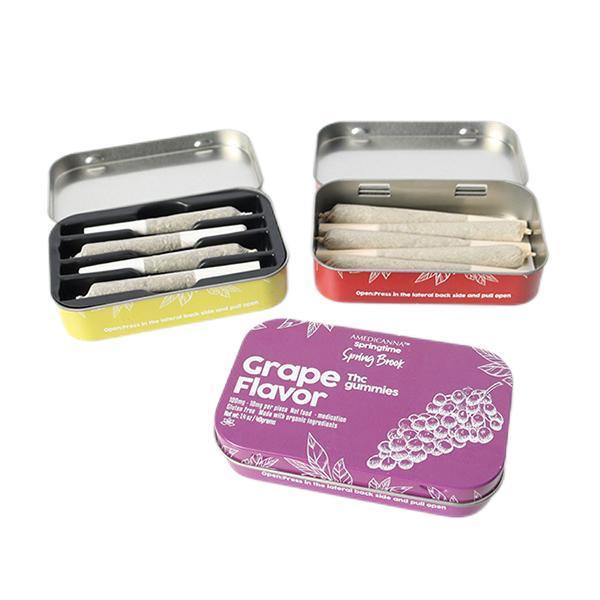
Um die Qualität zu steigern, bieten wir verschiedene Verpackungsmöglichkeiten für Zigaretten an.Zigarettendosen sind eine tolle Möglichkeit, Zigaretten aufzubewahren und länger frisch zu halten.Marlboro, Camel, Winston, diese globalen Marken sind unsere langfristigen Unternehmenspartner.Das lebensmittelechte Weißblechmaterial ist korrosionsbeständig und sorgt dafür, dass die Zigarette frisch bleibt.Druckgeräte von höchster Qualität, um Ihr Dosenverpackungsdesign perfekt zur Geltung zu bringen.
WEITERLESEN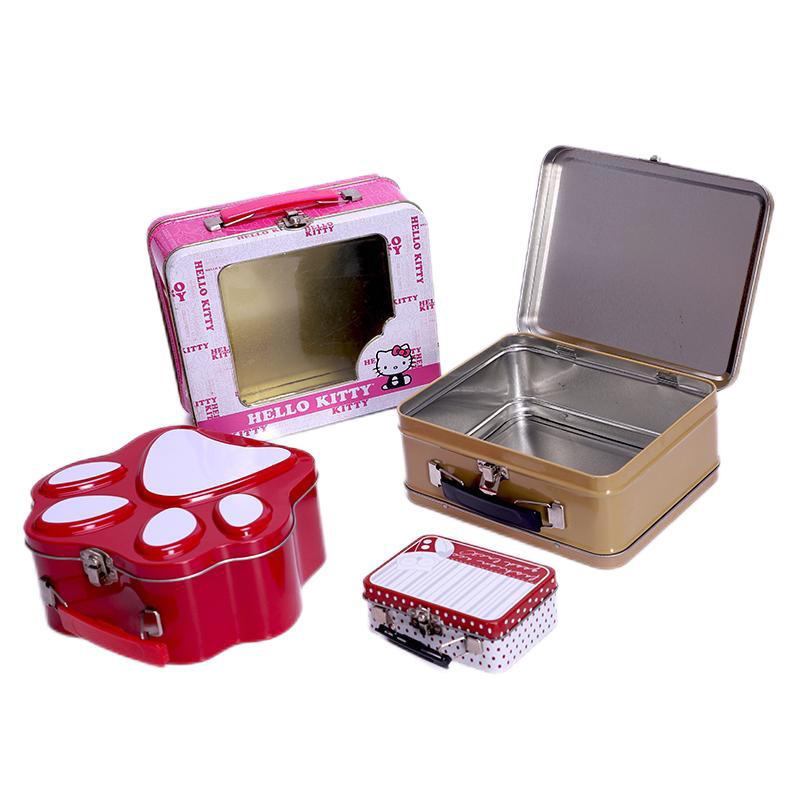
Metallblechdose mit Kunststoffgriff, Größe: 196 * 170 * 80 mm, Es besteht aus Weißblechmaterial mit einer Dicke von 0,23 mm, CMYK-4-Farben- oder Panton-Druck. Wir unterstützen jede Anpassung.
WEITERLESEN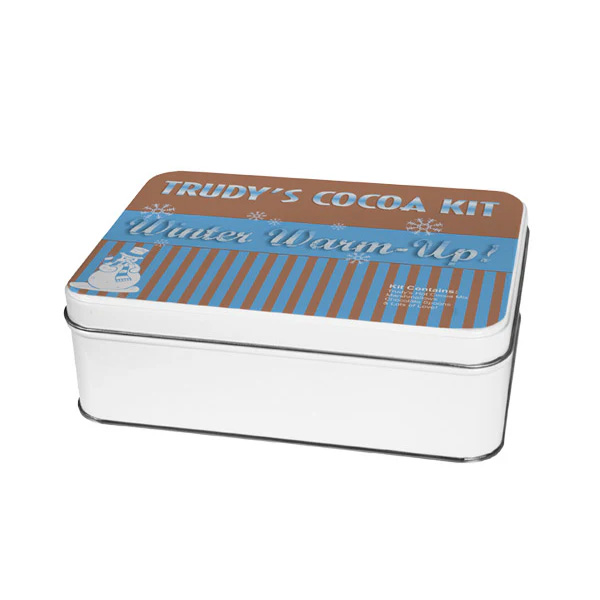
Egal welche Art von Verpackung Sie benötigen, wir haben die perfekte Lösung für Sie.Fortschrittliche Techniken sorgen für eine effektive Versiegelung Ihrer Produkte und ermöglichen so erweiterte Lagermöglichkeiten.Renommierte Lebensmittelmarken wie Oreo, Keebler, Chips Ahoy und Pepperidge Farm gehören zu unseren treuen Kunden.Seien Sie versichert, dass Ihre Produkte in erstklassigem Weißblech verpackt werden, das für den direkten Kontakt mit Lebensmitteln geeignet ist.Professionelle Pantone- und 4-Farben-Druckmaschinen garantieren eine erstklassige Präsentation Ihrer Produkte in Blechdosen.
WEITERLESEN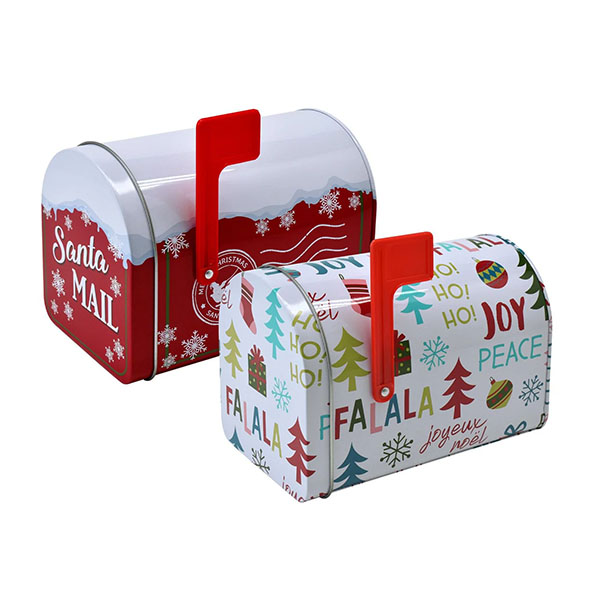
Wir haben genau die richtige Verpackungslösung für Sie, maßgeschneidert auf Ihre Bedürfnisse.Unsere hochmodernen Methoden stellen sicher, dass Ihre Produkte sicher versiegelt sind und eine längere Lagerung ermöglichen.Einige der größten Namen im Lebensmittelbereich, darunter Oreo, Keebler, Chips Ahoy und Pepperidge Farm, vertrauen uns ihr Geschäft an.Sie können sicher sein, dass Ihre Produkte in erstklassigem Weißblech verpackt werden, das sicher für den Kontakt mit Lebensmitteln ist.Modernste Pantone- und 4-Farben-Drucktechnologie sorgen dafür, dass Ihre Blechdosen bei Ihrer Produktpräsentation durch unübertroffene Qualität hervorstechen.
WEITERLESEN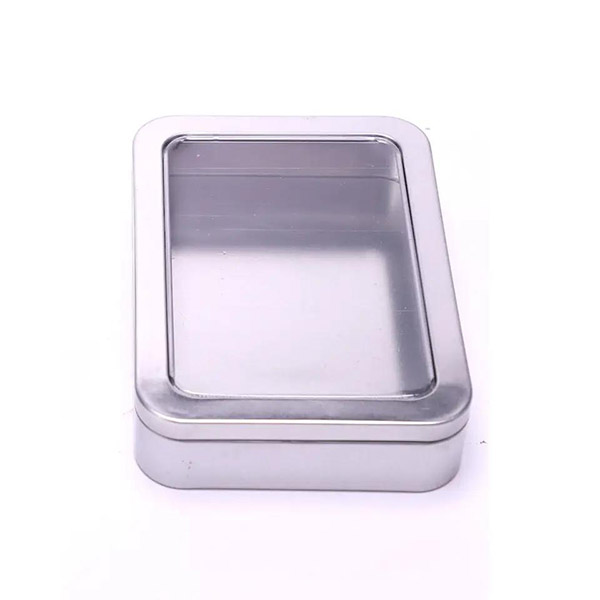
Metalldose mit Fenster, Größe: 127 * 93 * 30 mm, hergestellt aus 0,23 mm dickem Weißblech, CMYK-4-Farben- oder Panton-Druck, wir unterstützen jede Anpassung.
WEITERLESEN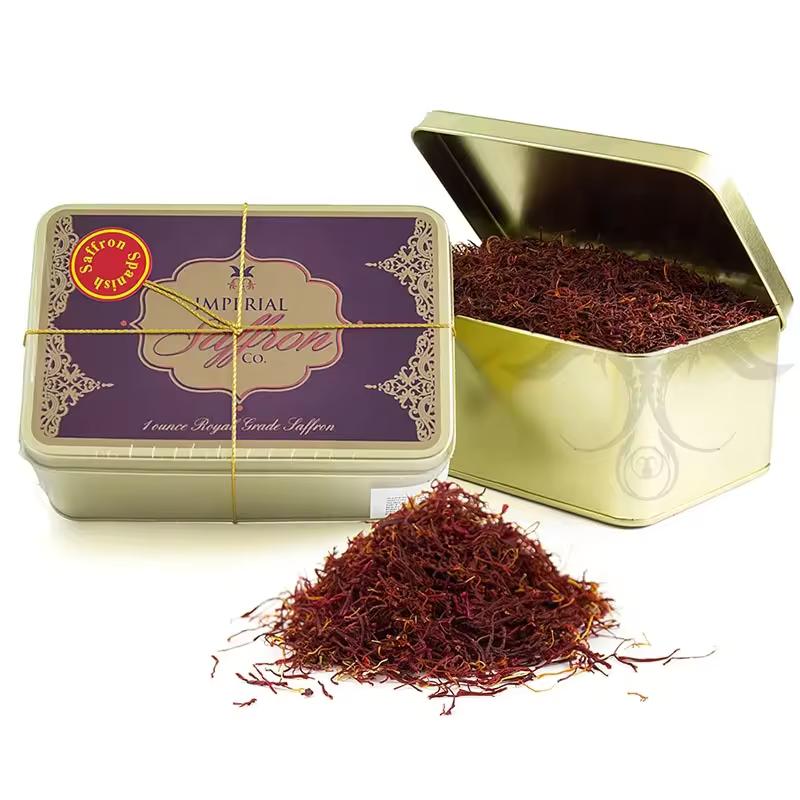
Große Auswahl an Blechverpackungslösungen, die die gesamte Produktpalette abdecken.Modernes Verfahren sorgt für eine gute Versiegelung und lange Lagerzeit.Zu den bekannten Partnern zählen führende Marken wie Mentos, Tic Tac, Altoids.Hochwertiges Weißblechmaterial sorgt dafür, dass die Dose perfekt versiegelt ist.Professionelles Designteam, fortschrittliche Druckausrüstung, perfekte Präsentation.
WEITERLESEN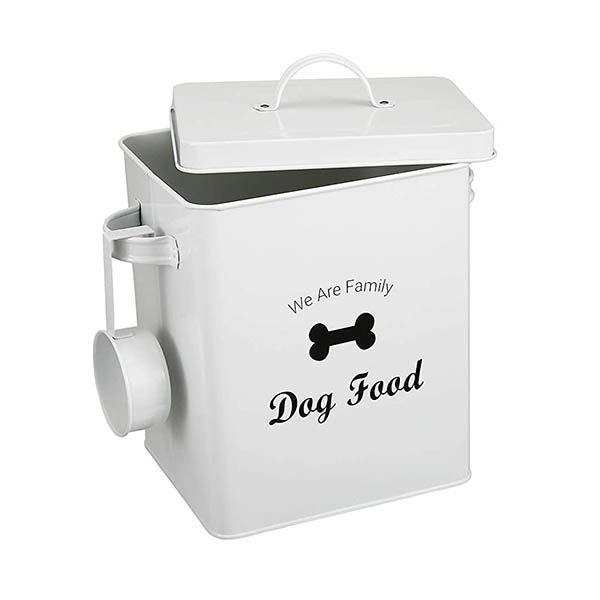
Aufbewahrungsbehälter für Tiernahrung, Größe: 180 * 155 * 230 mm, hergestellt aus 0,35 mm dicker verzinkter Platte, CMYK-4-Farben- oder Panton-Druck, wir unterstützen jede Anpassung.
WEITERLESEN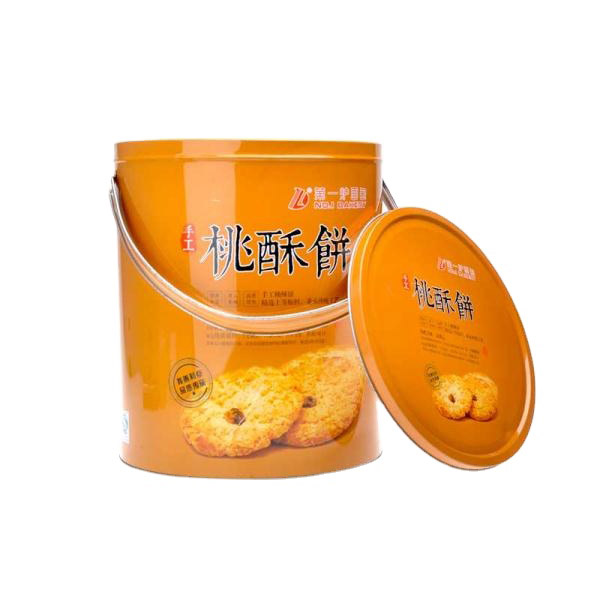
Popcorn-Eimer aus Metallblech, Größe: 170 x 182 mm, hergestellt aus Weißblech mit einer Dicke von 0,23 mm. CMYK-4-Farben- oder Panton-Druck, wir unterstützen jede Anpassung.
WEITERLESEN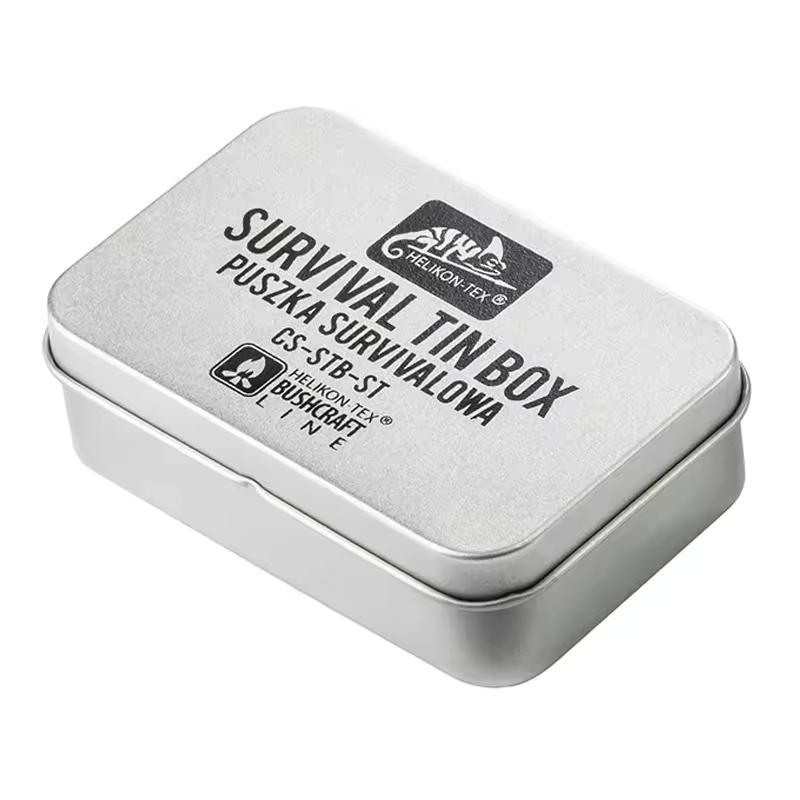
Diese Behälter lassen sich leicht stapeln und machen die Aufbewahrung und Organisation zum Kinderspiel.Diese Behälter sind nicht nur wiederverwendbar, sondern auch vielseitig einsetzbar und dienen sowohl zur Aufbewahrung als auch zur Dekoration.Mit einer Vielzahl von Größen, Farben und Designs finden Sie die perfekte Lösung für Ihre Bedürfnisse.Das einfache Flip-Deckel-Design ermöglicht ein einfaches Öffnen und Schließen.Diese aus robustem Weißblech gefertigten Behälter sind auf Langlebigkeit ausgelegt und halten dem täglichen Gebrauch stand.
WEITERLESEN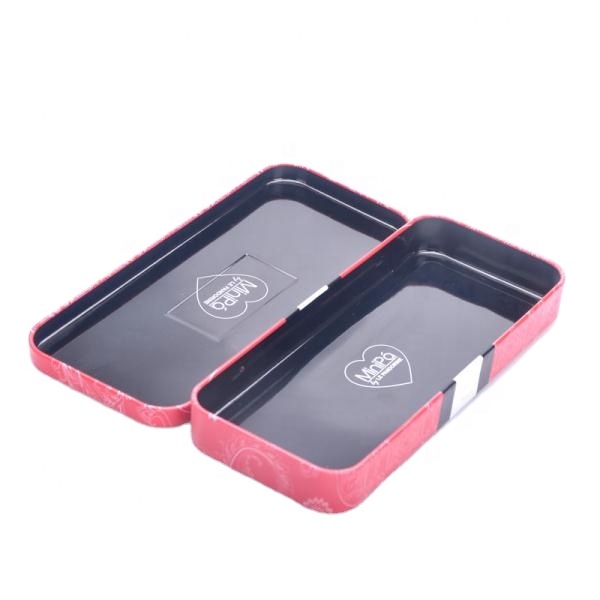
Bleistifthalter aus Metallblech, Größe: 195 * 85 * 25 mm, hergestellt aus 0,23 mm dickem Weißblech, CMYK-4-Farben- oder Panton-Druck, wir unterstützen jede Anpassung.
WEITERLESEN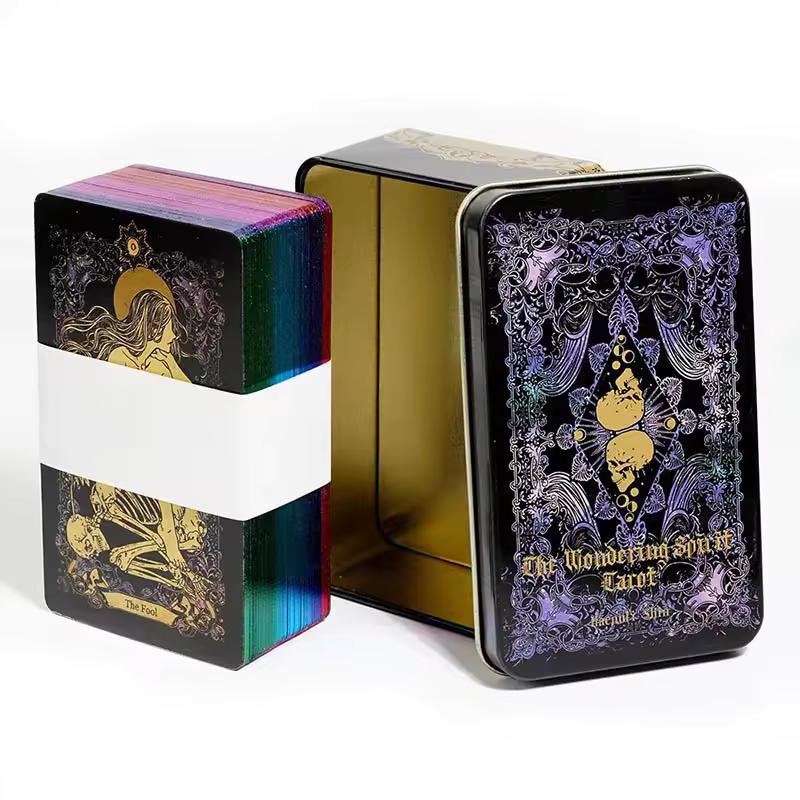
Entdecken Sie eine vielfältige Auswahl an Blechverpackungslösungen, die für eine breite Produktpalette geeignet sind.Unsere modernen Prozesse garantieren eine sichere Versiegelung und lange Lagerzeit.Arbeiten Sie mit bekannten Marken wie Mentos, Tic Tac und Altoids zusammen.Die Verwendung von hochwertigem Weißblechmaterial sorgt für eine einwandfreie Versiegelung Ihrer Weißblechverpackung.Profitieren Sie von einem professionellen Designteam, modernster Druckausrüstung und tadellosen Präsentationsstandards.
WEITERLESEN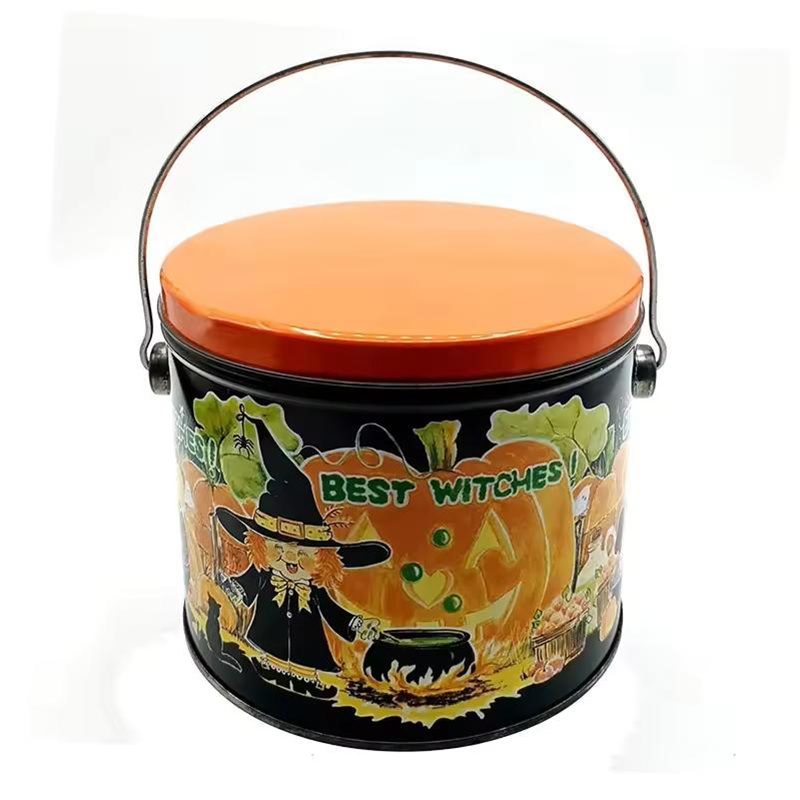
Unsere Verpackungsoptionen für Kekse können an Ihre spezifischen Verpackungsanforderungen angepasst werden.Für eine längere Speicherung Ihrer Cookies können fortschrittliche Versiegelungstechniken eingesetzt werden.Das Privileg, bekannte Keksmarken wie Oreo, Keebler, Chips Ahoy und Pepperidge Farm zu bedienen.Die Verpackung Ihrer Kekse ist für den Kontakt mit Lebensmitteln absolut sicher, da sie aus erstklassigem Weißblech besteht.Um die erstklassige Präsentation von Blechdosen zu gewährleisten, werden professionelle Pantone- und 4-Farben-Druckmaschinen eingesetzt.
WEITERLESEN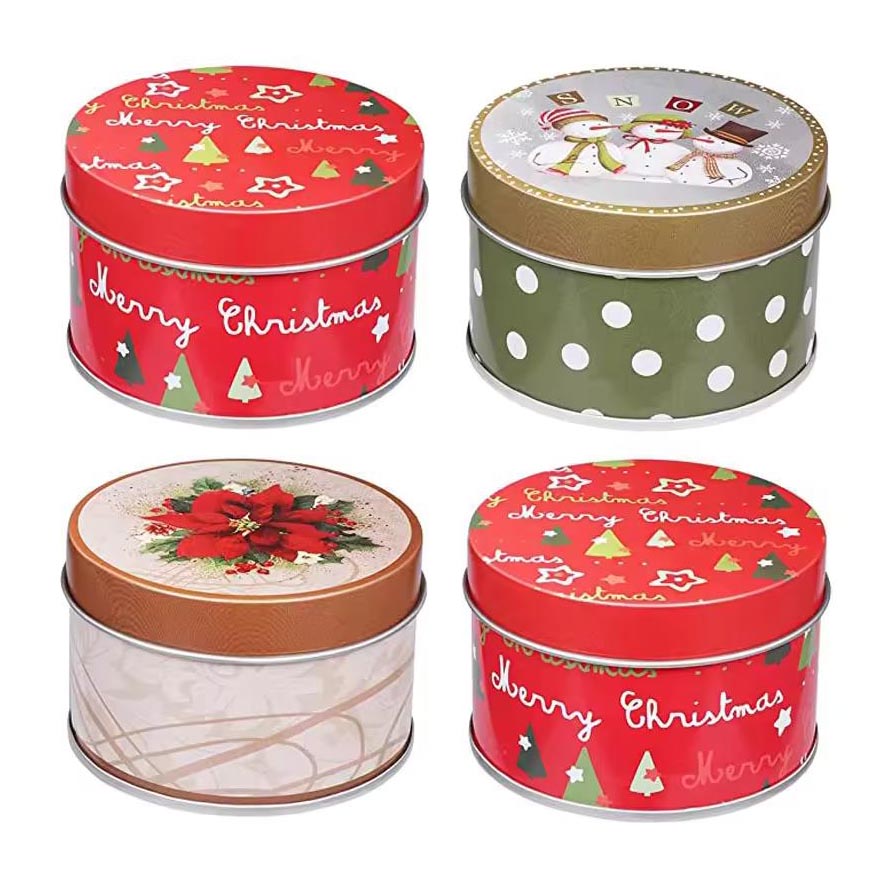
Wir bieten Verpackungsoptionen für Kekse an, die für alle Verpackungsarten geeignet sind.Mithilfe fortschrittlicher Versiegelungstechniken können Sie eine längere Lagerung und Frische Ihrer Kekse gewährleisten.Die Fähigkeit, Luft und Feuchtigkeit fernzuhalten, sind Keksdosen perfekt, um die Frische zu bewahren.Keksdosen sind eine langlebige und langlebige Verpackungsmöglichkeit und daher eine kostengünstige Option.Keksdosen gibt es in verschiedenen Formen und Größen, um Ihren individuellen Vorlieben gerecht zu werden.
WEITERLESEN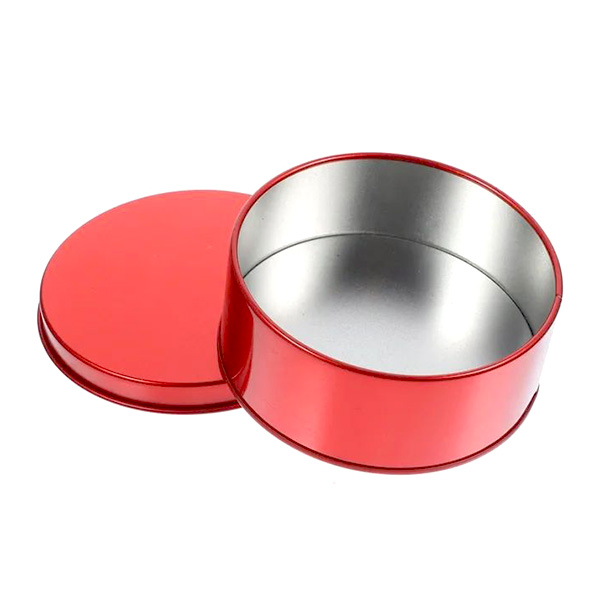
Ganz gleich, welche Art von Verpackung Sie benötigen, wir haben die passenden Verpackungsmöglichkeiten für Kekse.Mit erfolgreichen Versiegelungstechniken können Ihre Cookies über einen längeren Zeitraum gespeichert werden.Oreo, Keebler, Chips Ahoy und Pepperidge Farm sind berühmte Keksmarken, die uns die Treue halten.Die Verwendung von erstklassigem Weißblech in Lebensmittelqualität garantiert die Sicherheit Ihrer Keksverpackung.Professionelle Pantone- und 4-Farben-Druckmaschinen werden verwendet, um die hervorragende Qualität der Präsentationen in Blechdosen zu gewährleisten.
WEITERLESEN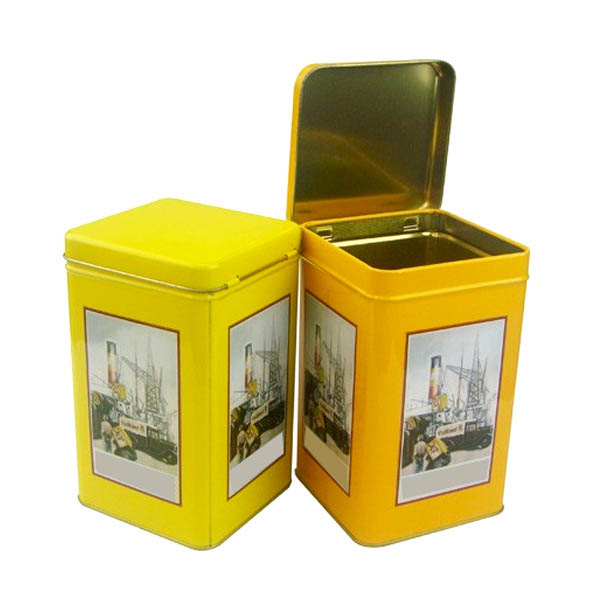
Blechdose aus Metall mit Klappdeckel, Größe: 102*102*170mm, Es besteht aus Weißblechmaterial mit einer Dicke von 0,23 mm, CMYK-4-Farben- und Panton-Druck. Wir unterstützen jede Anpassung.
WEITERLESEN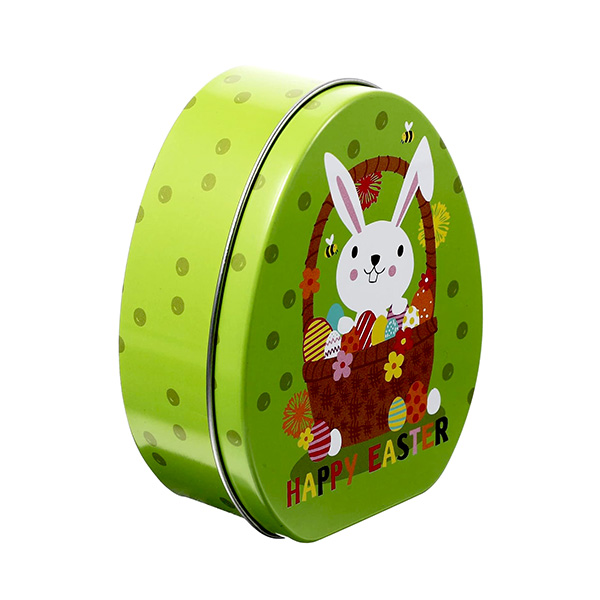
Wir bieten Verpackungsoptionen für Kekse an, die für alle Verpackungsarten geeignet sind.Mithilfe fortschrittlicher Versiegelungstechniken können Sie eine längere Lagerung und Frische Ihrer Kekse gewährleisten.Die Fähigkeit, Luft und Feuchtigkeit fernzuhalten, sind Keksdosen perfekt, um die Frische zu bewahren.Keksdosen sind eine langlebige und langlebige Verpackungsmöglichkeit und daher eine kostengünstige Option.Keksdosen gibt es in verschiedenen Formen und Größen, um Ihren individuellen Vorlieben gerecht zu werden.
WEITERLESEN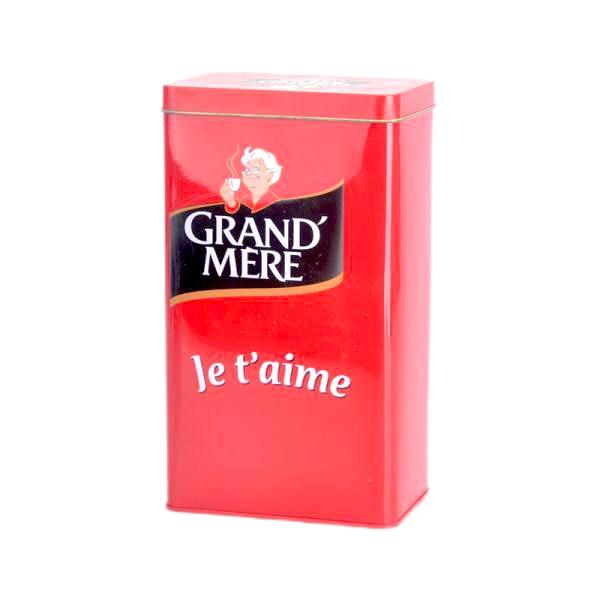
Wir führen eine Reihe von Verpackungslösungen für Teedosen, aus denen Sie wählen können.Ein verbesserter Prozess sorgt für eine wirksame Versiegelung und langfristige Lagerung Ihres Tees.Top-Teemarken wie Lipton, Twinings und Tetley sind unsere treuen Kunden.Die Teeverpackung besteht aus von der FDA zugelassenem Weißblech in Lebensmittelqualität, um maximale Sicherheit zu gewährleisten.Professionelle Druckausrüstung zur perfekten Präsentation Ihres Verpackungsdesigns für Teedosen.
WEITERLESEN
Rechteckige Kaffee-Tee-Blechdose, Größe: 85 * 85 * 150 mm, Es besteht aus Weißblechmaterial mit einer Dicke von 0,23 mm, CMYK-4-Farben- und Panton-Druck. Wir unterstützen jede Anpassung.
WEITERLESEN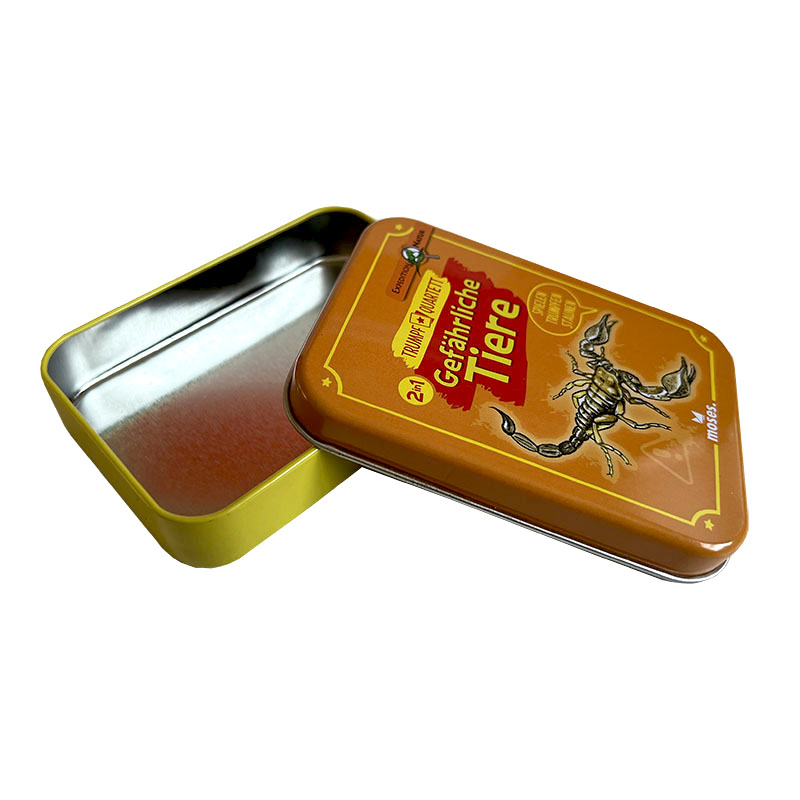
Kleine Blechdose aus Metall, Größe: 95 x 65 x 19 mm, Es besteht aus Weißblechmaterial mit einer Dicke von 0,23 mm, CMYK-4-Farben- und Panton-Druck. Wir unterstützen jede Anpassung.
WEITERLESEN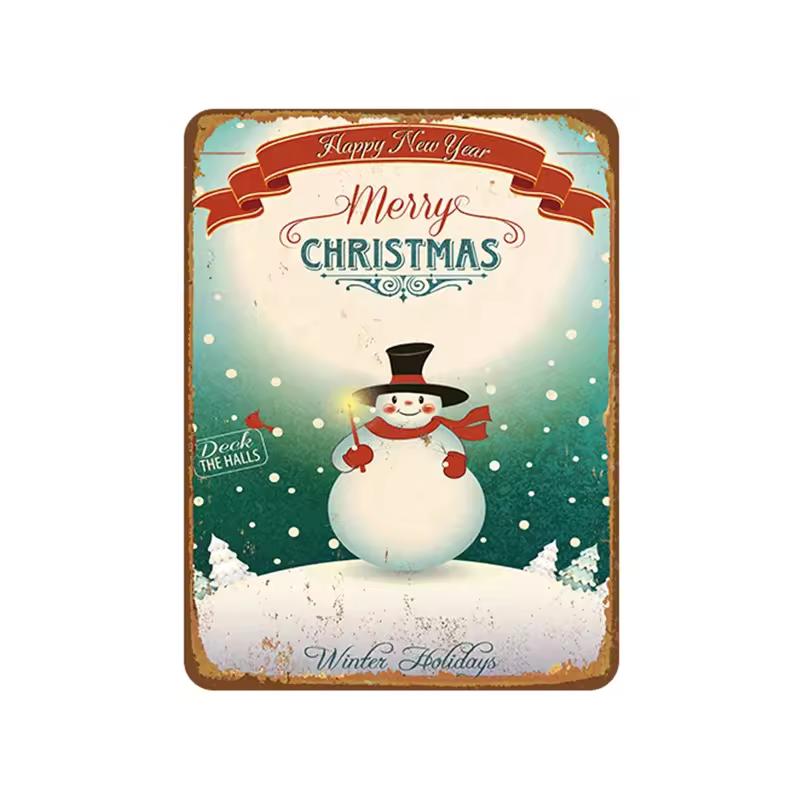
Hergestellt aus Weißblech in Lebensmittelqualität, anpassbar für verschiedene Anwendungen.Robust und vor Feuchtigkeit und Licht geschützt, lange Haltbarkeit des Inhalts.Bietet mehrere Größen und Stile, um Ihren vielfältigen Anforderungen gerecht zu werden.Anpassbar mit Logos und Designs, um Marken- oder individuelle Verpackungsanforderungen zu erfüllen.Wiederverwendbar zur Aufbewahrung oder als Dekorationsartikel, recycelbar und umweltfreundlich.
WEITERLESEN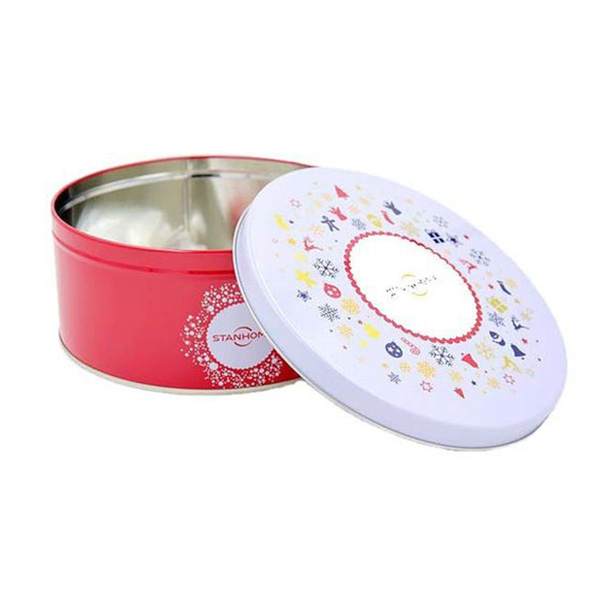
Ganz gleich, welche Art von Verpackung Sie benötigen, wir haben die passenden Verpackungsmöglichkeiten für Kekse.Mit erfolgreichen Versiegelungstechniken können Ihre Cookies über einen längeren Zeitraum gespeichert werden.Oreo, Keebler, Chips Ahoy und Pepperidge Farm sind berühmte Keksmarken, die uns die Treue halten.Die Verwendung von erstklassigem Weißblech in Lebensmittelqualität garantiert die Sicherheit Ihrer Keksverpackung.Professionelle Pantone- und 4-Farben-Druckmaschinen werden verwendet, um die hervorragende Qualität der Präsentationen in Blechdosen zu gewährleisten.
WEITERLESEN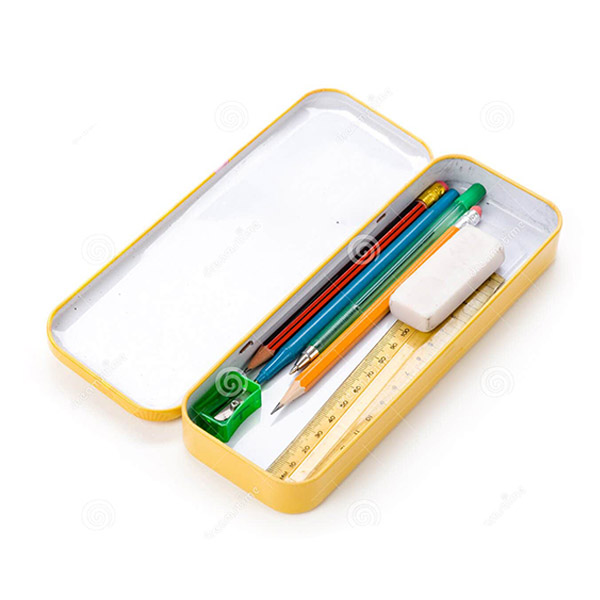
Hergestellt aus robusten Weißblechmaterialien, die ihre Haltbarkeit und Langlebigkeit gewährleisten.Schützen Sie Ihr Briefpapier mit einer sicheren Barriere und bewahren Sie es so vor Beschädigung oder Verlust.Eine große Auswahl an Größen und Stilen, einschließlich Halterungen und Koffern, erfüllt alle Ihre spezifischen Bedürfnisse und Vorlieben.Mit modernster Farbdruckmaschine, die jedem einzelnen Stück eine persönliche und faszinierende Note verleiht.Wir garantieren, dass Sie erstklassige Produkte von außergewöhnlicher Qualität zu einem äußerst wettbewerbsfähigen Preis erhalten.
WEITERLESEN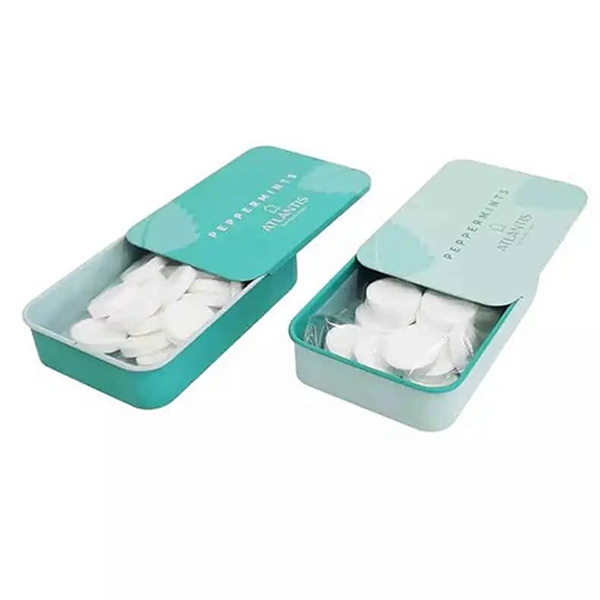
Sie lassen sich leicht auf- und abbauen und eignen sich daher hervorragend für temporäre Aufbewahrungslösungen.Stapelbar, wodurch sie sich hervorragend zur Maximierung des Stauraums eignen.Ideal für die Präsentation von Artikeln in Einzelhandelsgeschäften, da sie leicht geöffnet und geschlossen werden können.Ideal zum Aufbewahren und Organisieren von Dokumenten, da sie sicher und leicht zu beschriften sind.Perfekt zum Verschenken, da sie mit einem Design oder Logo personalisiert werden können.
WEITERLESEN
Diese Behälter lassen sich leicht stapeln und machen die Aufbewahrung und Organisation zum Kinderspiel.Diese Behälter sind nicht nur wiederverwendbar, sondern auch vielseitig einsetzbar und dienen sowohl zur Aufbewahrung als auch zur Dekoration.Mit einer Vielzahl von Größen, Farben und Designs finden Sie die perfekte Lösung für Ihre Bedürfnisse.Das einfache Flip-Deckel-Design ermöglicht ein einfaches Öffnen und Schließen.Diese aus robustem Weißblech gefertigten Behälter sind auf Langlebigkeit ausgelegt und halten dem täglichen Gebrauch stand.
WEITERLESEN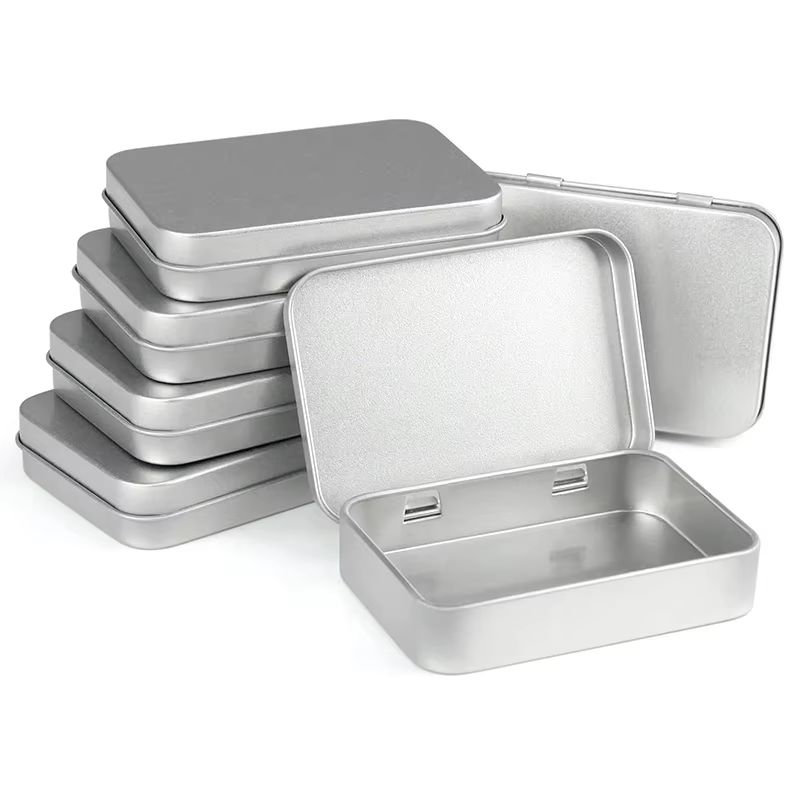
Eine Seifendose bietet eine langlebige, umweltfreundliche Verpackungslösung zur Aufbewahrung und zum Schutz von Seife. Seine robuste Metallkonstruktion sorgt dafür, dass die Seife trocken und intakt bleibt, während sein kompaktes Design ihn perfekt für unterwegs macht. Mit anpassbaren Optionen und verschiedenen Stilen verleiht es Ihrer Körperpflegeroutine eine elegante Note.
WEITERLESEN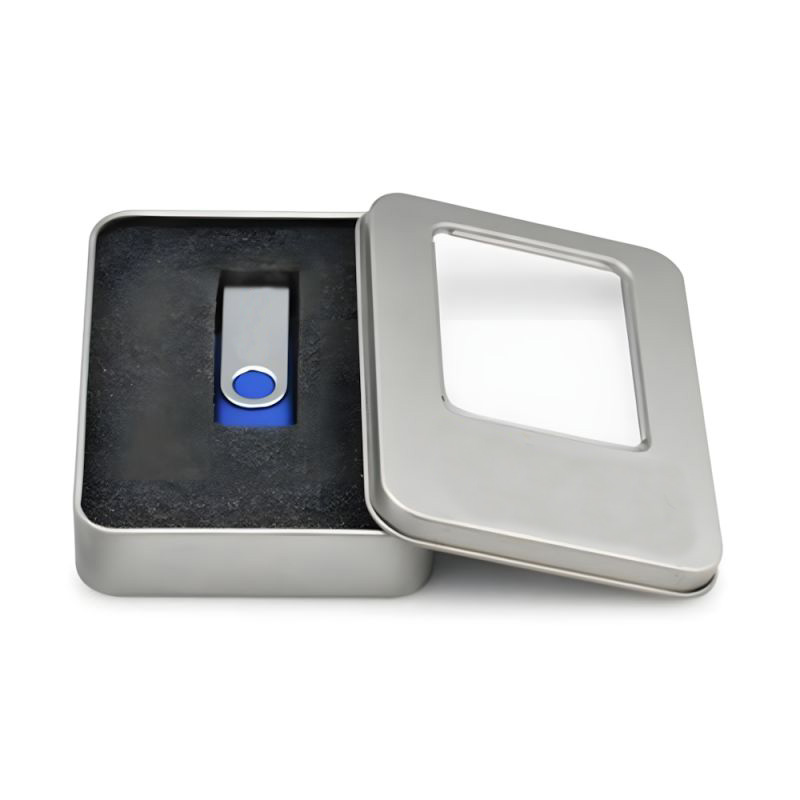
Eine USB-Metalldose ist eine langlebige und elegante Verpackungslösung, die sich perfekt zum Aufbewahren und Schützen Ihrer USB-Laufwerke eignet. Seine robuste Metallkonstruktion schützt den USB vor Beschädigungen und gewährleistet so seine Langlebigkeit und Zuverlässigkeit. Das kompakte Design erleichtert das Tragen und Aufbewahren, egal ob zu Hause oder unterwegs. Die in verschiedenen Stilen und anpassbaren Optionen erhältliche USB-Metalldose verleiht Ihrem technischen Zubehör eine professionelle und stilvolle Note und ist somit eine ausgezeichnete Wahl für den persönlichen und geschäftlichen Gebrauch
WEITERLESEN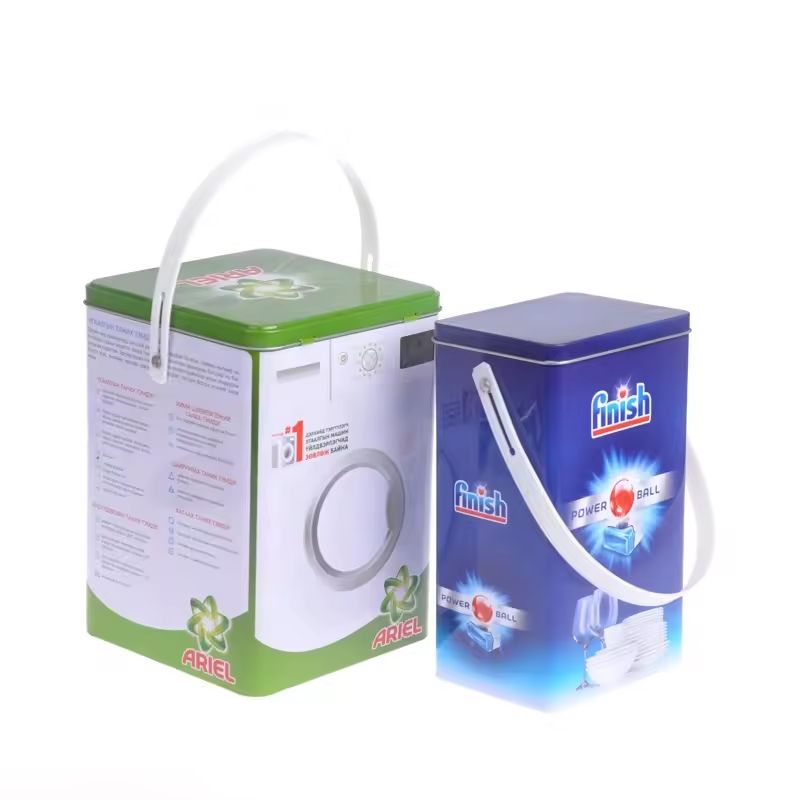
Eine Waschmittel-Dose ist eine langlebige und umweltfreundliche Verpackung, die sich perfekt für die Aufbewahrung und Konservierung von Waschmitteln eignet. Seine robuste Metallkonstruktion hält das Waschmittel trocken und sicher vor Feuchtigkeit und sorgt so für langanhaltende Frische. Das kompakte Design erleichtert die Aufbewahrung und das Reisen. Er ist in verschiedenen Designs mit anpassbaren Optionen erhältlich und verleiht Ihrer Wäscheroutine einen Hauch von Raffinesse.
WEITERLESEN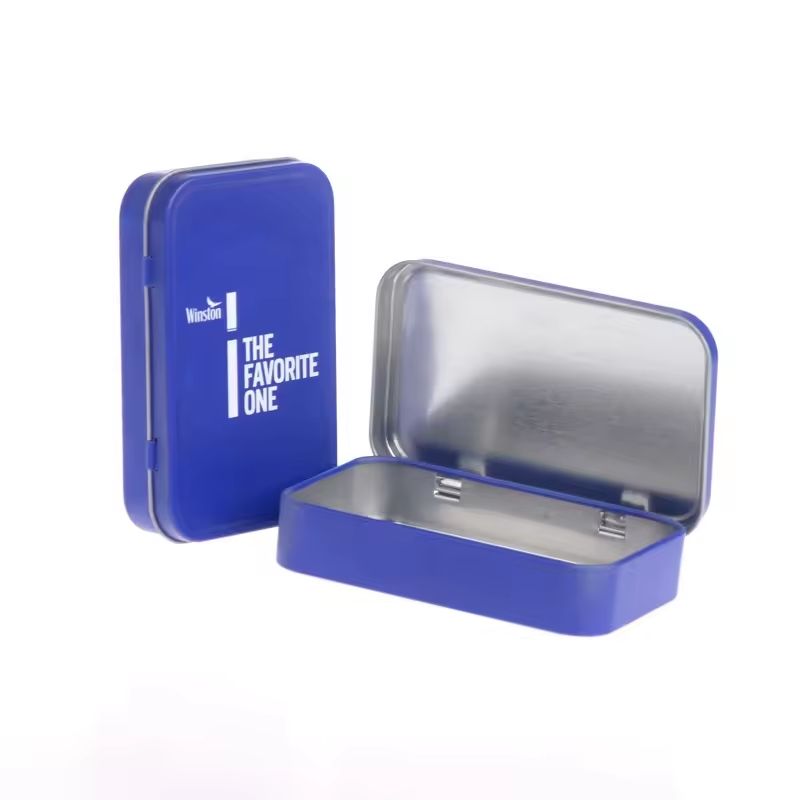
Eine Metalldose für Kondome ist eine diskrete und langlebige Verpackungslösung, ideal für die sichere und unversehrte Aufbewahrung von Kondomen. Seine robuste Metallkonstruktion schützt den Inhalt vor Beschädigungen, während das kompakte Design den Transport erleichtert. Es ist in verschiedenen Stilen und anpassbaren Optionen erhältlich und verleiht Ihren persönlichen Pflegeutensilien einen Hauch von Raffinesse.
WEITERLESEN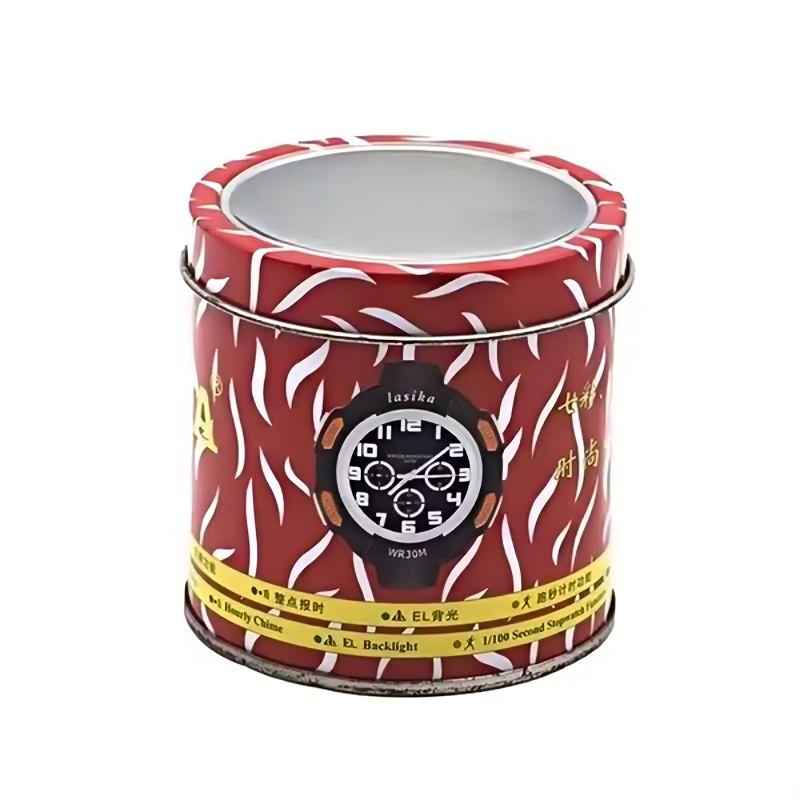
Round Christmas cookie tins with clear PVC windows combine a printed metal body with visibility of cookies, biscuits and confectionery. Window size should balance product visibility with branding space, while tin diameter and height should match the intended filling arrangement. Paper cups, dividers or trays help maintain cookie positioning, allowing decorated surfaces and assorted products to remain visible through the lid. Custom CMYK or Pantone printing can cover the lid rim and sidewall, with matte, glossy or embossed finishes reviewed during sampling. Food-contact suitability should be confirmed for coatings, PVC windows and inner packaging; products requiring freshness protection may need a sealed inner pouch. For Jinyu orders, the standard minimum is 5,000 pieces per design; confirm the window structure, filled sample and seasonal delivery schedule.
WEITERLESEN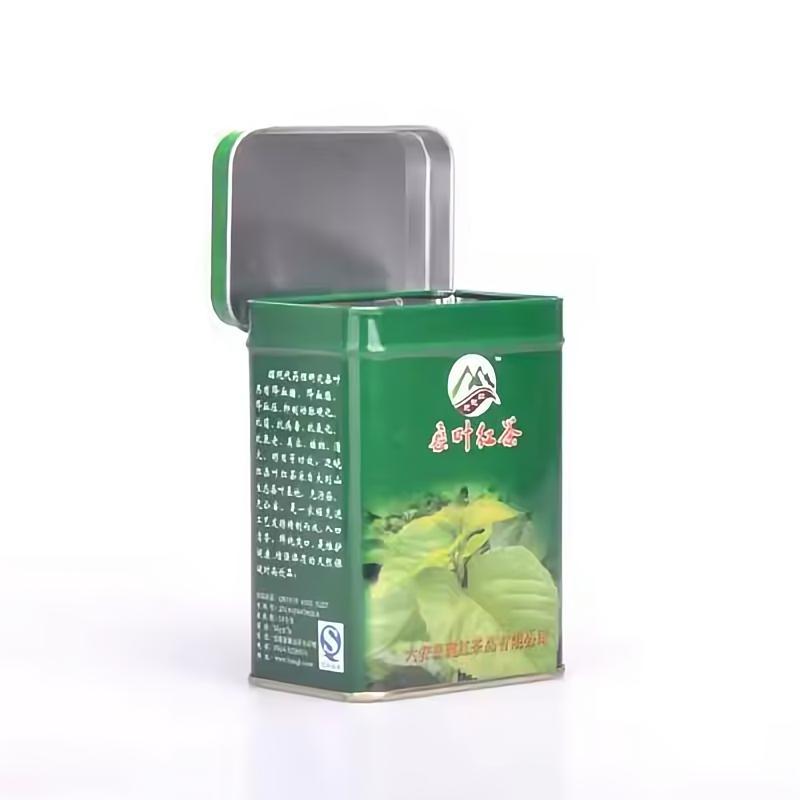
Entdecken Sie unsere Premium-Teedosen, die darauf ausgelegt sind, die Frische und den Geschmack Ihres Tees zu bewahren. Diese hochwertigen Dosen sind in anpassbaren Größen und Designs erhältlich und vereinen Funktionalität mit Eleganz, was sie zur idealen Wahl für Teeliebhaber und Marken macht.
WEITERLESEN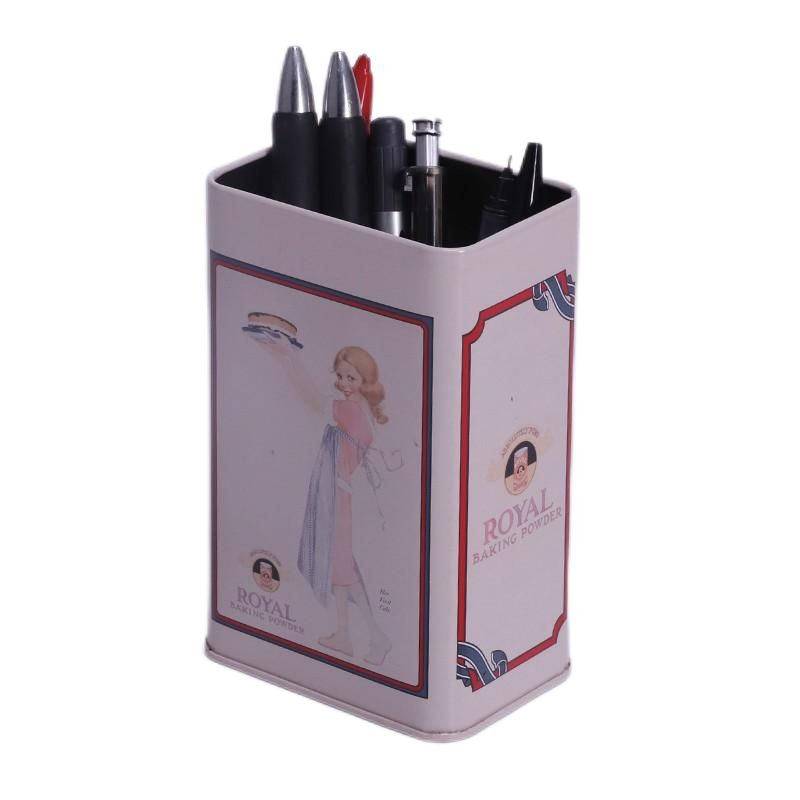
Sorgen Sie mit unserem langlebigen Bleistifthalter aus Blech für Ordnung auf Ihrem Schreibtisch. Dieser sowohl funktional als auch modisch gestaltete Halter eignet sich perfekt zum Organisieren von Stiften, Bleistiften und mehr. Seine robuste Blechkonstruktion sorgt für Langlebigkeit, während seine anpassbaren Optionen es ihm ermöglichen, zu jeder Einrichtung zu passen.
WEITERLESEN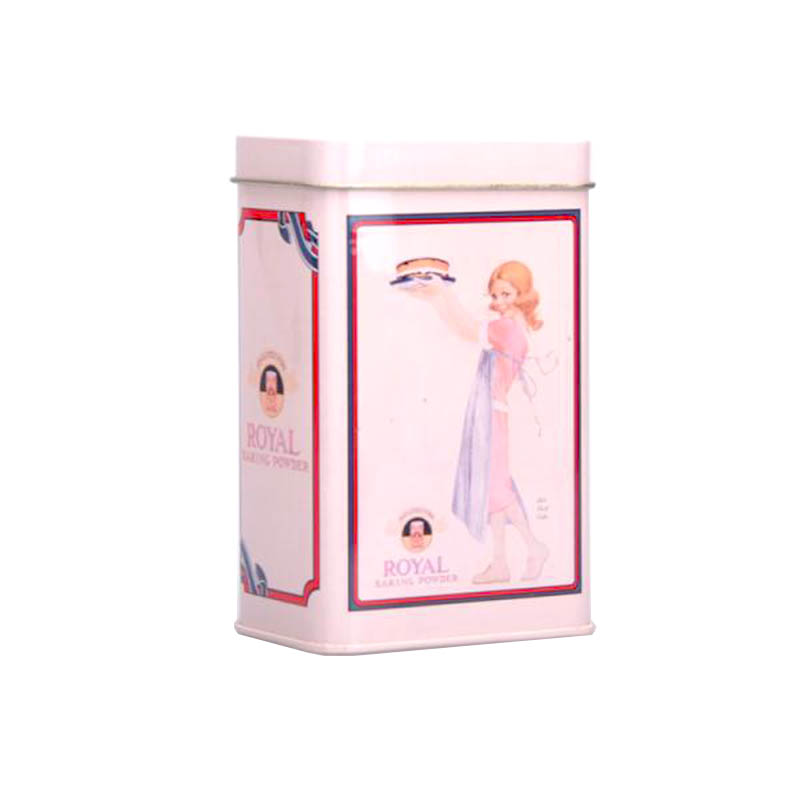
Wir bieten Ihnen eine Vielzahl an Verpackungslösungen für Teedosen zur Auswahl.Fortschrittliche Prozesse können Ihrem Tee eine gute Versiegelung und eine lange Lagerung ermöglichen.Lipton, Twinings und Tetley, diese berühmten Teemarken sind unsere treuen Kunden.Von der FDA zugelassenes Weißblech in Lebensmittelqualität kann die absolute Sicherheit Ihrer Teeverpackung gewährleisten.Professionelle Panton- und 4-Farben-Druckanlagen sorgen für eine hochwertige Präsentation der Blechdosen.
WEITERLESEN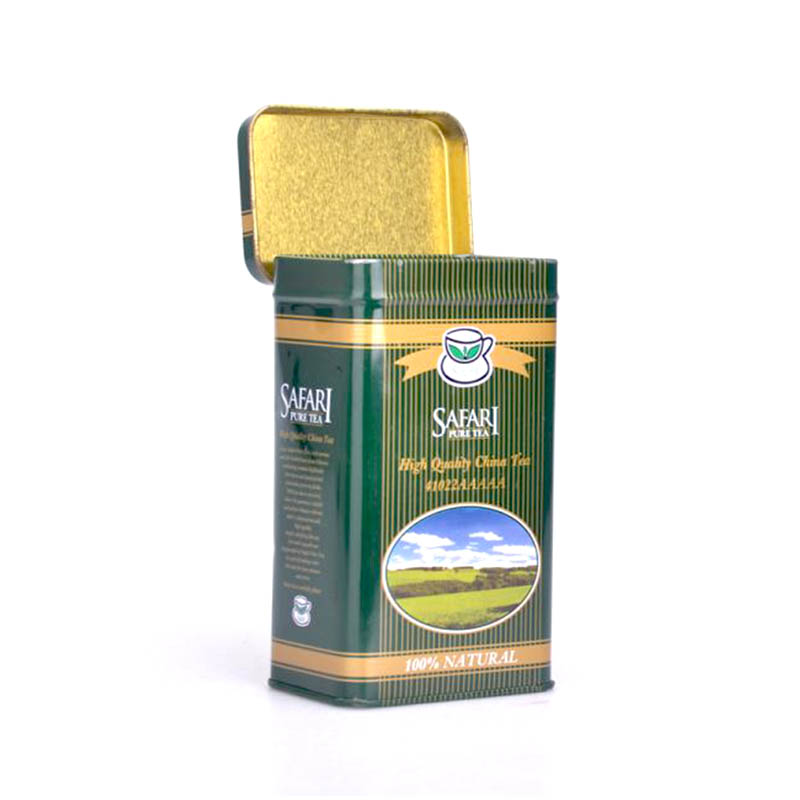
Recycelbares Weißblech macht sie zu einer großartigen umweltfreundlichen Wahl.Ideal zum Verschenken, da sie mit Etiketten oder Aufklebern personalisiert werden können.Eine Vielzahl von Farben und Designs, die sie attraktiv und dekorativ machen.Die hochgradig luftdichte und versiegelte Struktur unterstützt die Lagerung von losem Tee und schützt ihn vor Feuchtigkeit und Luft.Anpassbare Logos und Designs, die eine attraktive Möglichkeit bieten, Tee aufzubewahren und zu genießen.
WEITERLESEN
Mit Ihrem eigenen Design oder Logo individuell gestaltete Stützen, damit Sie sie einzigartig machen können.Verschiedene Größen, sodass Sie ganz einfach die passende Größe für Ihre Anforderungen finden.Langfristige Zusammenarbeit mit bekannten Marken wie Lipton, Twinings und Tetley.Weißblech mit Lebensmittelqualität, das die Sicherheit Ihres Tees und Kaffees gewährleistet.Präziser technischer Drucksupport, angepasst an Ihr eigenes Design oder Logo, was sie einzigartig machen kann.
WEITERLESEN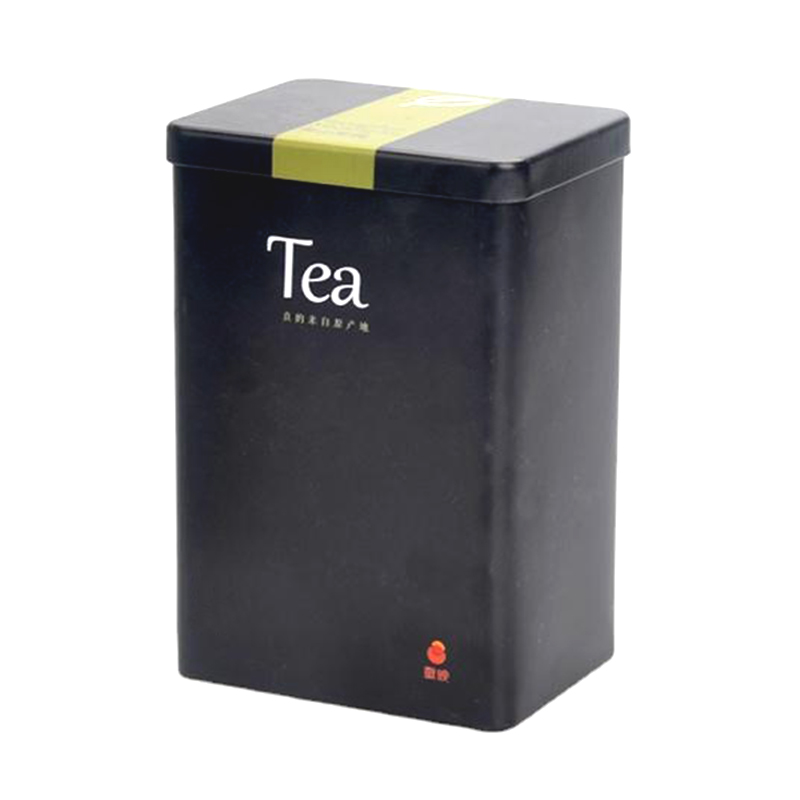
Langlebig und hält den Strapazen des Transports und der Handhabung stand.Attraktiv und auffällig, was es zu einer großartigen Wahl zum Verschenken macht.Kostengünstig und kann Ihnen helfen, Kosten zu sparen.Hergestellt aus robusten, lebensmittelechten Materialien, die auf eine jahrelange Lebensdauer ausgelegt sind.Zahlreiche Stilareh-Designs, die mit Sicherheit beeindrucken werden.
WEITERLESEN
Wirtschaftliche Möglichkeit, für Ihr Unternehmen oder Ihre Marke zu werben.Erschwingliche Verpackungsoption für Unternehmen und Privatpersonen.Hergestellt aus recycelbaren Materialien, was sie zu einer umweltfreundlichen Verpackungsoption macht.Eine Vielzahl von Farben und Designs machen sie zu einer attraktiven Verpackungsoption.Entworfen mit einem sicheren Deckel, um sicherzustellen, dass die Gegenstände sicher und geschützt bleiben.
WEITERLESEN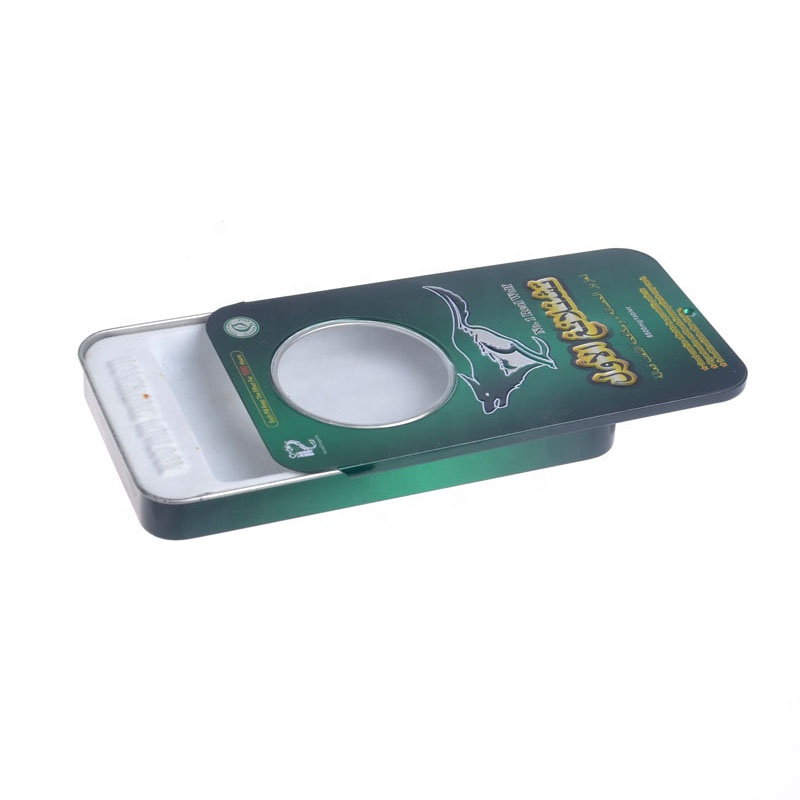
Der dicht schließende Deckel hält die Luft draußen und sorgt dafür, dass Ihre Minze großartig schmeckt.Verschiedene Größen, sodass Sie die perfekte Größe für Ihre Bedürfnisse finden können.Schlanker und moderner Look, der auf jeder Arbeitsplatte großartig aussieht.Hergestellt aus umweltfreundlichen Materialien, die besser für die Umwelt sind.Personalisiert mit Ihrem eigenen Design oder Logo, damit Sie sie einzigartig machen können.
WEITERLESEN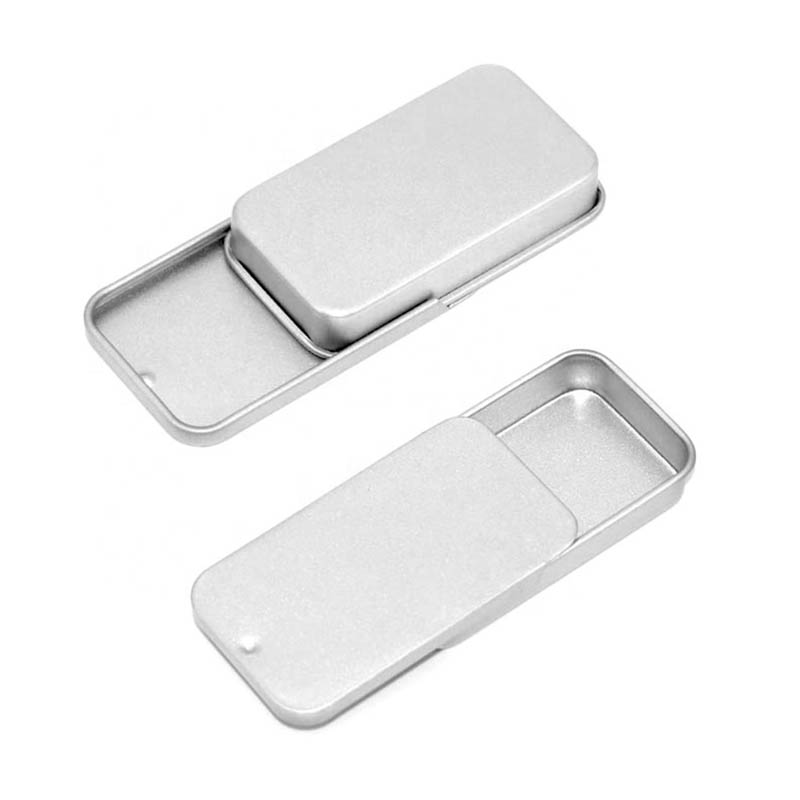
Perfekt zum Aufbewahren und Schützen von Gegenständen vor Staub, Schmutz und Feuchtigkeit.Leicht und langlebig, wodurch sie sich ideal für den Versand und Transport von Gegenständen eignen.Verschiedene Größen und Formen, sodass Sie Ihre Speicheranforderungen individuell anpassen können.Zahlreiche Farben und Designs, sodass Sie Ihre Speicheranforderungen individuell anpassen können.Erschwingliche Verpackungsoption für Unternehmen.
WEITERLESEN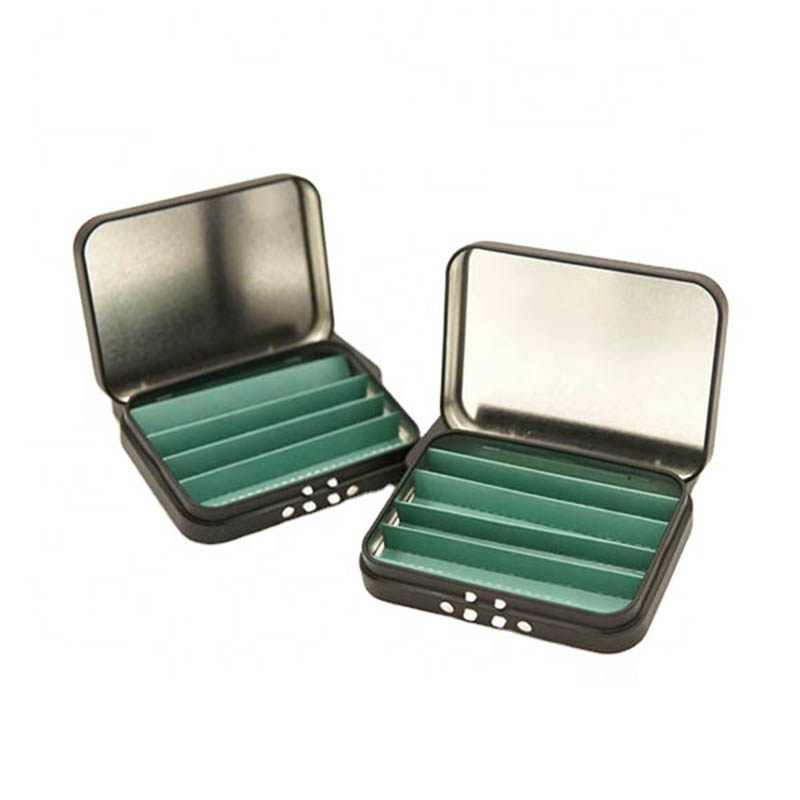
Es gibt mehr als 100 Formen, die Ihren unterschiedlichen Anforderungen gerecht werden können.Dank ihrer Luftdichtheit und Versiegelung eignen sie sich ideal für die Aufbewahrung von Gegenständen wie Gewürzen und Kräutern.Langfristige Zusammenarbeit mit Mentos, Tic Tac, Altoids.Umweltfreundliche Verpackungsoption, da sie wiederverwendbar und recycelbar sind.Tolle Möglichkeit, eine einzigartige und attraktive Präsentation zu erstellen.
WEITERLESEN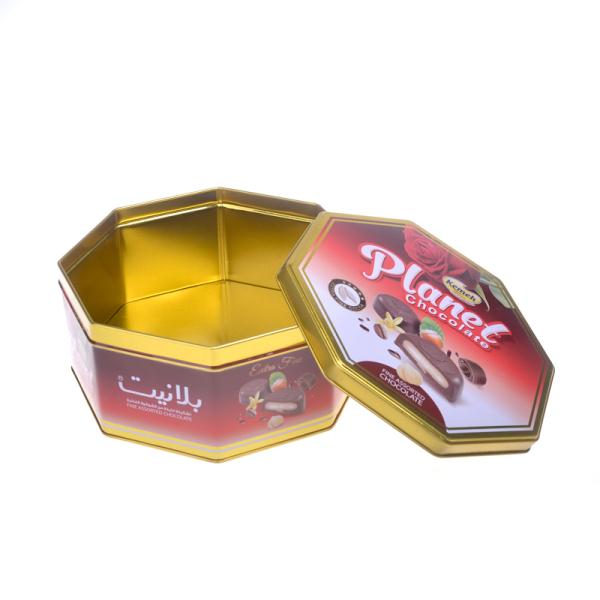
Unabhängig von der Verpackungsart haben wir Verpackungsoptionen für Kekse, die für Ihre Bedürfnisse geeignet sind.Dank fortschrittlicher Versiegelungstechniken können Sie eine effektive Cookie-Speicherung über einen längeren Zeitraum gewährleisten.Indem sie das Eindringen von Luft und Feuchtigkeit verhindern, tragen Keksdosen dazu bei, die Frische der Kekse zu bewahren.Der hygienische Aspekt von Keksdosenverpackungen liegt in ihrer Fähigkeit, Lebensmittelverpackungen leicht zu reinigen und zu desinfizieren.Da Sie aus zahlreichen Formen und Größen wählen können, können Sie Keksdosen ganz nach Ihren Wünschen gestalten.
WEITERLESEN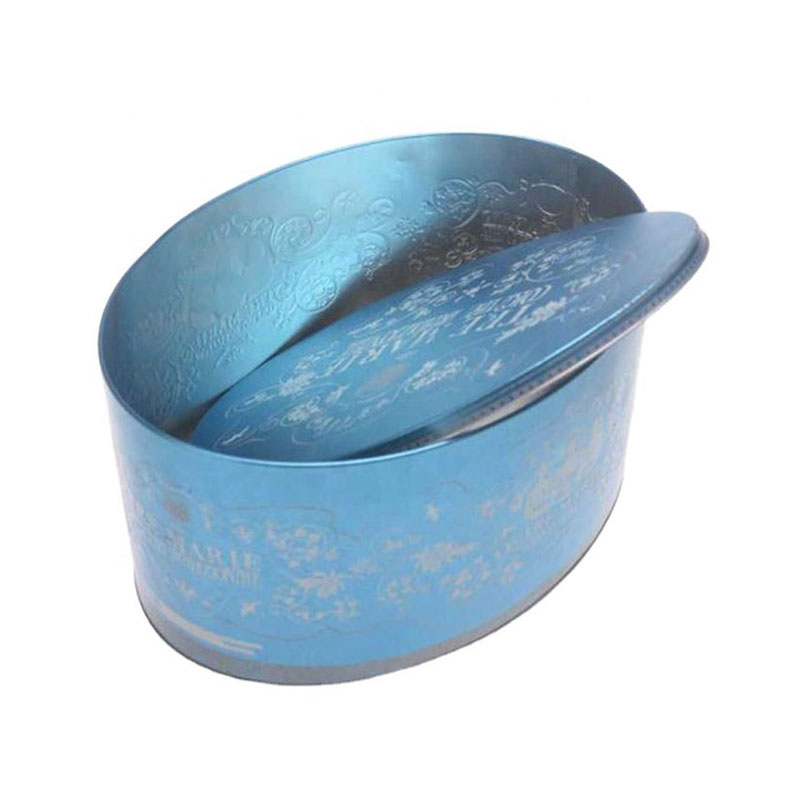
Wir bieten Verpackungsoptionen für Kekse an, die für jede Art von Süßigkeitenverpackungsanforderung geeignet sind.Um eine effektive Lagerung über längere Zeiträume hinweg zu ermöglichen, können ausgefeilte Versiegelungstechniken eingesetzt werden.Die Keksdosen helfen dabei, Kekse über einen längeren Zeitraum frisch zu halten, indem sie Luft und Feuchtigkeit abhalten.Die Verpackung von Keksdosen ist eine sichere und hygienische Option für die Lebensmittelverpackung, da sie leicht zu reinigen und zu desinfizieren ist.Keksdosen gibt es in verschiedenen Formen und Größen, sodass Sie ganz einfach eine finden, die Ihren Vorlieben entspricht.
WEITERLESEN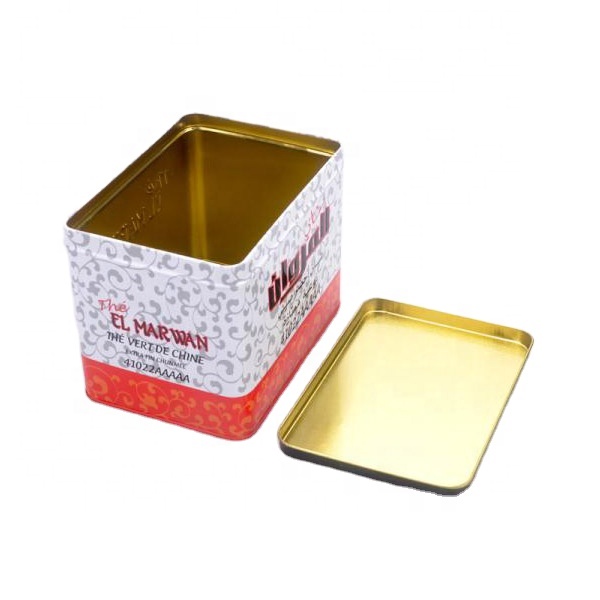
Wir können Ihnen Verpackungsoptionen für Kekse anbieten, die für jede Art von Verpackung geeignet sind.Um sicherzustellen, dass Ihre Kekse länger frisch bleiben, können ausgefeilte Versiegelungstechniken eingesetzt werden.Wir sind stolz darauf, treue Kunden wie Oreo, Keebler, Chips Ahoy und Pepperidge Farm zu haben.Für die Verpackung Ihrer Kekse wird erstklassiges Weißblech verwendet, das für den Kontakt mit Lebensmitteln unbedenklich ist, um deren Sicherheit zu gewährleisten.Die Qualität der Präsentation von Blechdosen wird durch professionelle Pantone- und 4-Farben-Druckmaschinen gewährleistet.
WEITERLESEN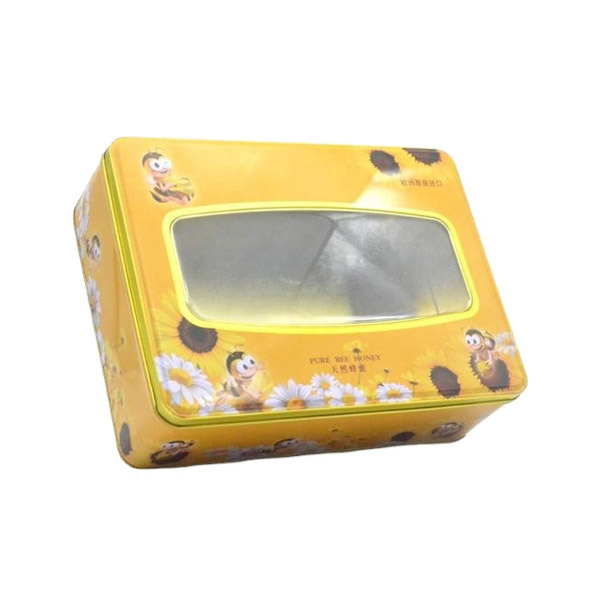
Wir verfügen über Verpackungsoptionen für Kekse, die für eine Vielzahl von Verpackungsarten geeignet sind.Um eine längere Speicherung Ihrer Cookies zu ermöglichen, können ausgefeilte Versiegelungstechniken eingesetzt werden.Zu unserer treuen Kundenliste gehören bekannte Keksmarken wie Oreo, Keebler, Chips Ahoy und Pepperidge Farm.Die Verwendung von erstklassigem Weißblech für den Lebensmittelkontakt gewährleistet die Sicherheit Ihrer Keksverpackung.Die Qualität der Präsentation von Blechdosen wird durch den Einsatz professioneller Pantone- und 4-Farben-Druckmaschinen sichergestellt.
WEITERLESEN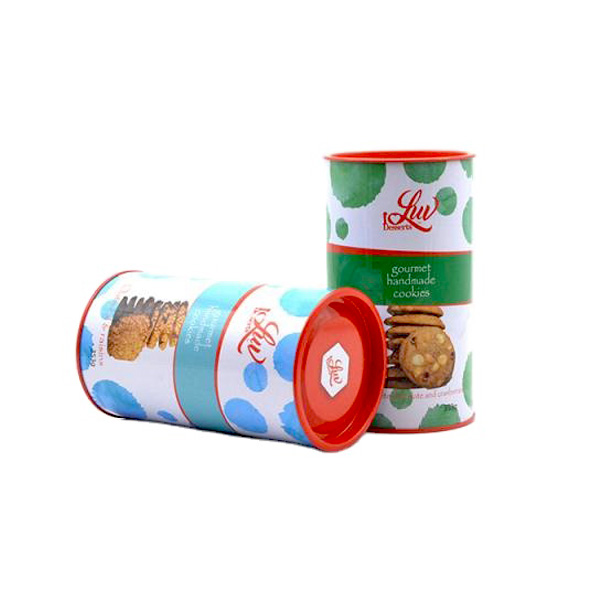
Unsere Verpackungsoptionen für Kekse sind so konzipiert, dass sie Ihre Verpackungsanforderungen erfüllen, unabhängig von der Verpackungsart.Der Einsatz fortschrittlicher Versiegelungstechniken kann die Haltbarkeit Ihrer Cookies erheblich verlängern.Zu unseren treuen Kunden zählen renommierte Keksmarken wie Oreo, Keebler, Chips Ahoy und Pepperidge Farm.Die Sicherheit Ihrer Keksverpackung ist durch die Verwendung von erstklassigem Weißblech für den Kontakt mit Lebensmitteln gewährleistet.Der Einsatz professioneller Pantone- und 4-Farben-Druckmaschinen garantiert die Überlegenheit der Präsentation von Blechdosen.
WEITERLESEN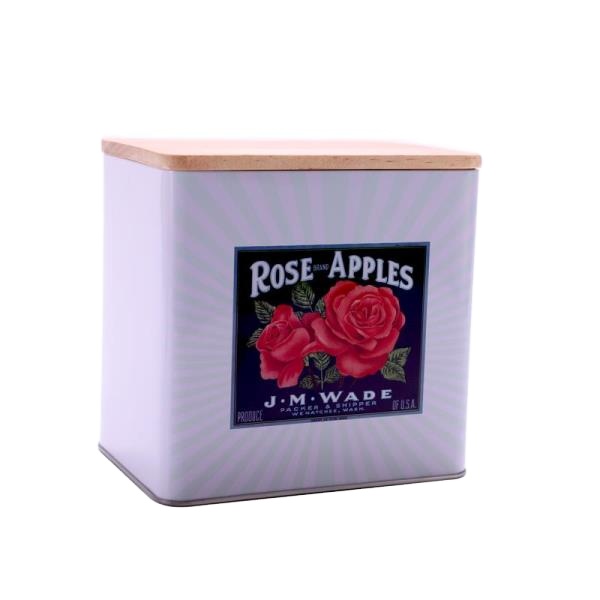
Wir verfügen über eine Vielzahl von Verpackungsoptionen für Süßigkeiten, um Ihren Verpackungsanforderungen gerecht zu werden.Durch die fortschrittlichen Techniken können eine effektive Versiegelung und längere Speicherung Ihrer Cookies erreicht werden.Kekse bleiben in Keksdosen länger frisch, da sie Luft und Feuchtigkeit abhalten.Die Verpackung von Keksdosen ist eine zuverlässige und hygienische Option für die Lebensmittelverpackung, da sie leicht gereinigt und desinfiziert werden kann.Keksdosen bieten eine vielfältige Auswahl an Formen und Größen, um Ihren spezifischen Vorlieben gerecht zu werden.
WEITERLESEN
Unsere Kuchenverpackungsmöglichkeiten sind vielseitig und können mit jeder Art von Verpackung verwendet werden.Durch den Einsatz ausgefeilter Versiegelungsmethoden können Ihre Süßigkeiten über einen längeren Zeitraum gelagert werden.Zu den treuen Kunden gehören Oreo, Keebler, Chips Ahoy und Pepperidge Farm.Ihre Kuchenverpackung besteht aus erstklassigem Weißblech, das für den Kontakt mit Lebensmitteln unbedenklich ist und somit die Sicherheit gewährleistet.Professionelle Pantone- und 4-Farben-Druckmaschinen gewährleisten die Präsentation von Blechdosen in herausragender Qualität.
WEITERLESEN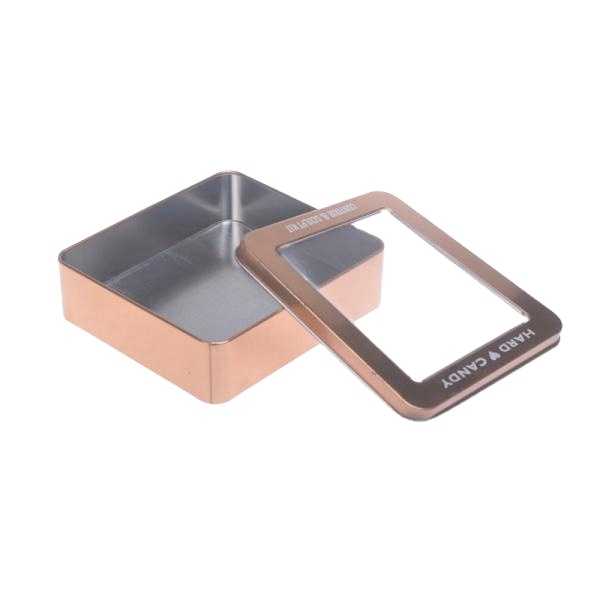
Unabhängig von der Art der Verpackung, die Sie benötigen, haben wir Optionen für die Verpackung von Keksen, die funktionieren.Durch fortschrittliche Techniken können eine längere Speicherung von Cookies und eine wirksame Versiegelung erreicht werden.Bekannte Keksmarken wie Oreo, Keebler, Chips Ahoy und Pepperidge Farm gehören zu unseren treuen Kunden.Die Sicherheit der Keksverpackung ist gewährleistet, da sie aus erstklassigem Weißblech besteht, das für den Kontakt mit Lebensmitteln unbedenklich ist.Professionelle Pantone- und 4-Farben-Druckmaschinen werden verwendet, um hochwertige Blechdosen-Präsentationen zu erzielen.
WEITERLESEN
Wir bieten Optionen für die Verpackung von Süßigkeiten an, die an jede Art von Verpackung angepasst werden können.Fortschrittliche Versiegelungstechniken können die effektive Speicherung Ihrer Cookies über einen längeren Zeitraum ermöglichen.Keksdosen haben neben der Aufbewahrung von Keksen auch vielseitige Einsatzmöglichkeiten, darunter auch die Aufbewahrung von Nüssen und Süßigkeiten.Die Verwendung von erstklassigem Weißblech, das für den Kontakt mit Lebensmitteln unbedenklich ist, gewährleistet die Sicherheit der Keksverpackung.Der Einsatz professioneller Pantone-Farbdruckmaschinen garantiert die hervorragende Präsentation von Blechdosen.
WEITERLESEN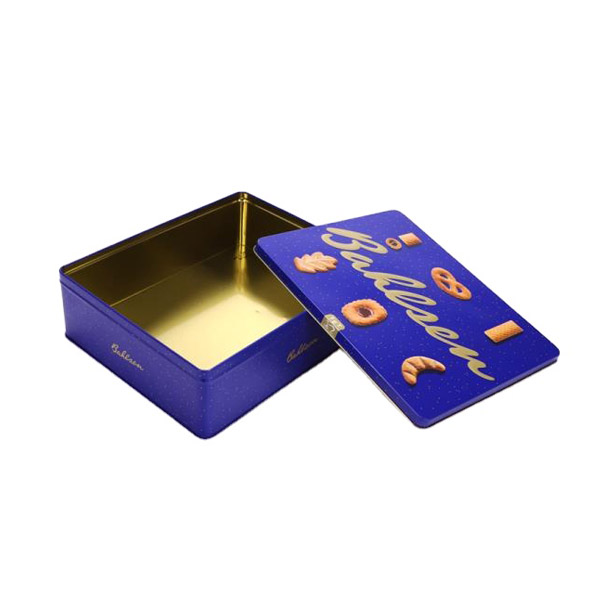
Wir bieten Optionen für die Verpackung von Süßigkeiten an, die für alle Arten von Verpackungsmaterialien geeignet sind.Die Implementierung ausgefeilter Techniken ermöglicht eine effektive Versiegelung und längere Speicherung von Cookies.Neben der Aufbewahrung von Keksen können Keksdosen auch zur Aufbewahrung von Trockenfrüchten, Nüssen und Süßigkeiten verwendet werden.Die einfache Reinigung und Desinfektion von Keksdosen macht sie zu einer sicheren und hygienischen Option für Lebensmittelverpackungen.Keksdosen gibt es in verschiedenen Formen und Größen, ganz nach Ihrem Geschmack.
WEITERLESEN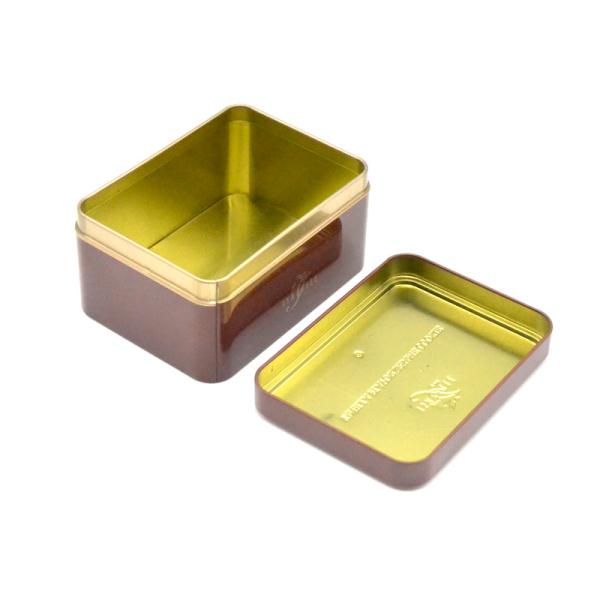
Wir bieten Schokoladenverpackungen an, die für eine Vielzahl von Verpackungsmaterialien geeignet sind.Schokoladendosen sind mit einem luftdichten Verschluss ausgestattet, der die Frische über einen längeren Zeitraum gewährleistet.Schokoladendosen sind eine umweltfreundliche Wahl, da sie mehrmals verwendet werden können, bevor sie entsorgt werden.Aufgrund ihrer Langlebigkeit und Haltbarkeit ist die Schokoladendose eine kostengünstige Wahl für die Verpackung.Das robuste Material von Schokoladendosen sorgt dafür, dass sie vor dem Zerbrechen oder Quetschen geschützt sind.
WEITERLESEN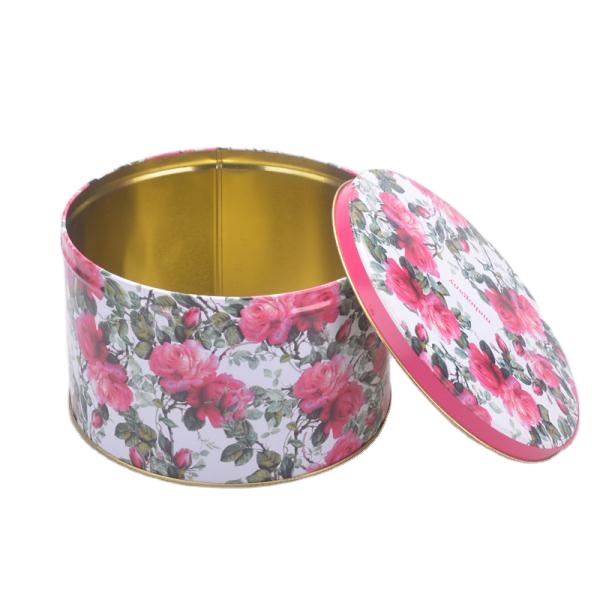
Wir bieten eine Vielzahl von Optionen für die Schokoladenverpackung an, die Ihren Anforderungen gerecht werden, unabhängig von der Art der Verpackung.Durch den Einsatz ausgefeilter Techniken wird eine effektive Versiegelung gewährleistet und die Haltbarkeit der Schokolade verlängert.Renommierte Marken wie Oreo, Keebler, Chips Ahoy und Pepperidge Farm zählen zu unseren treuen Kunden.Erstklassiges Weißblech sorgt dafür, dass Ihre Verpackung absolut sicher für den Kontakt mit Lebensmitteln ist.Professionelle Pantone- und 4-Farben-Druckmaschinen garantieren erstklassige Präsentationen in Blechdosen.
WEITERLESEN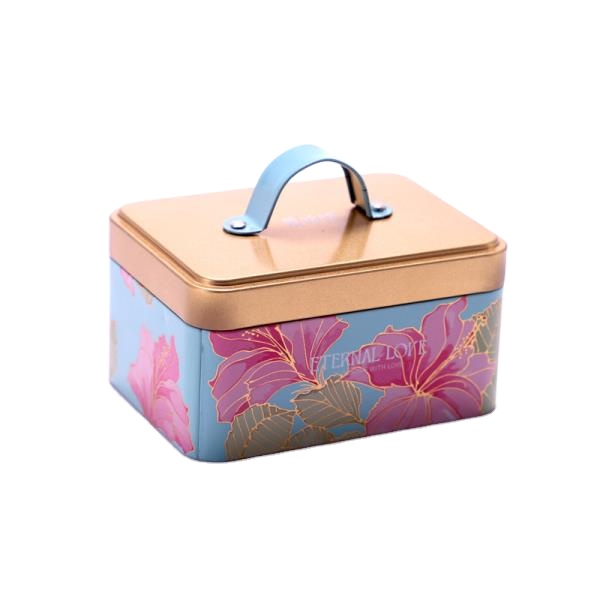
Unsere Keksverpackungsoptionen sind auf Ihre spezifischen Verpackungsanforderungen zugeschnitten.Fortschrittliche Versiegelungstechniken können eine längere Lagerung Ihrer Kekse gewährleisten und sie frisch halten.Keksdosen haben vielfältige Einsatzmöglichkeiten, die über die bloße Aufbewahrung von Keksen hinausgehen, z. B. zum Aufbewahren von Nüssen und Süßigkeiten.Die Möglichkeit, Keksdosenverpackungen einfach zu reinigen und zu desinfizieren, macht sie zu einer hygienischen Wahl für Lebensmittelverpackungen.Die Auswahl an Formen und Größen der Keksdosen sorgt dafür, dass für jeden Geschmack etwas dabei ist.
WEITERLESEN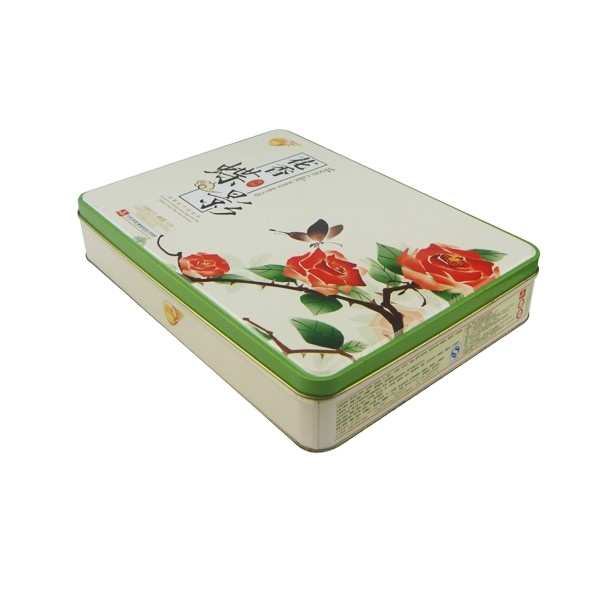
Unsere Kuchenverpackungsmöglichkeiten sind vielseitig und können an jede Art von Verpackung angepasst werden.Mithilfe ausgefeilter Versiegelungstechniken können Ihre Cookies über einen längeren Zeitraum gespeichert werden.Durch die luft- und feuchtigkeitsblockierende Funktion bleibt die Frische der Kekse über einen längeren Zeitraum erhalten.Die Leichtigkeit, mit der Keksdosenverpackungen gereinigt und desinfiziert werden können, macht sie zu einer hygienischen Option.Verschiedene Formen und Größen von Keksdosen sorgen dafür, dass Sie eine finden, die Ihren Wünschen entspricht.
WEITERLESEN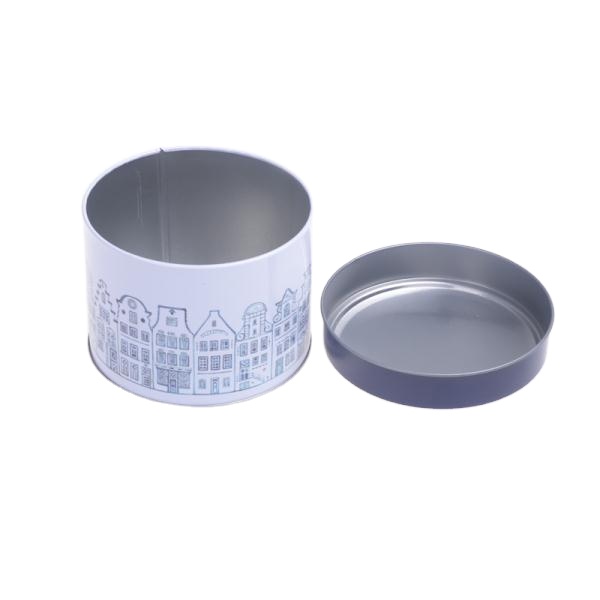
Wir bieten Verpackungsoptionen für Kekse, die für alle Verpackungsarten geeignet sind.Mithilfe fortschrittlicher Versiegelungstechniken können Sie eine längere Lagerung und Frische Ihrer Kekse gewährleisten.Durch die Fähigkeit, Luft und Feuchtigkeit fernzuhalten, sind Keksdosen perfekt, um die Frische zu bewahren.Keksdosen sind eine langlebige und langlebige Verpackungsmöglichkeit und daher eine kostengünstige Option.Keksdosen gibt es in verschiedenen Formen und Größen, um Ihren individuellen Vorlieben gerecht zu werden.
WEITERLESEN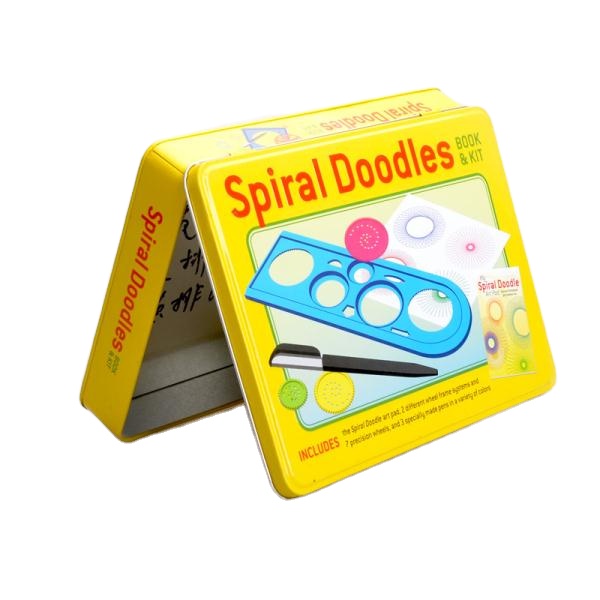
Wir bieten Verpackungsoptionen für Cookies an, die an jede Art von Cookie-Verpackungsanforderungen angepasst werden können.Ein luftdichter Verschluss von Keksdosen sorgt dafür, dass Ihre Kekse lange frisch bleiben.Keksdosen sind eine umweltfreundliche Alternative, da sie mehrmals wiederverwendet werden können.Die Robustheit und Langlebigkeit der Keksdose machen sie zu einer kostengünstigen Verpackungslösung.Keksdosen bieten durch ihr robustes Material einen hervorragenden Schutz vor Zerbrechen oder Quetschen.
WEITERLESEN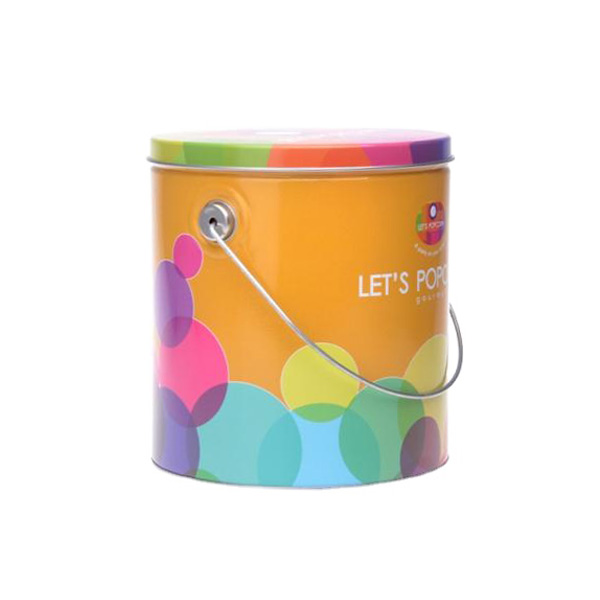
Unsere Verpackungsoptionen für Kekse können an Ihre spezifischen Verpackungsanforderungen angepasst werden.Für eine längere Speicherung Ihrer Cookies können fortschrittliche Versiegelungstechniken eingesetzt werden.Das Privileg, bekannte Keksmarken wie Oreo, Keebler, Chips Ahoy und Pepperidge Farm zu bedienen.Die Verpackung Ihrer Kekse ist für den Kontakt mit Lebensmitteln absolut sicher, da sie aus erstklassigem Weißblech besteht.Um die erstklassige Präsentation von Blechdosen zu gewährleisten, werden professionelle Pantone- und 4-Farben-Druckmaschinen eingesetzt.
WEITERLESEN
Unsere Verpackungsoptionen für Kekse können an Ihre spezifischen Verpackungsanforderungen angepasst werden.Für eine längere Speicherung Ihrer Cookies können fortschrittliche Versiegelungstechniken eingesetzt werden.Das Privileg, bekannte Keksmarken wie Oreo, Keebler, Chips Ahoy und Pepperidge Farm zu bedienen.Die Verpackung Ihrer Kekse ist für den Kontakt mit Lebensmitteln absolut sicher, da sie aus erstklassigem Weißblech besteht.Um die erstklassige Präsentation von Blechdosen zu gewährleisten, werden professionelle Pantone- und 4-Farben-Druckmaschinen eingesetzt.
WEITERLESEN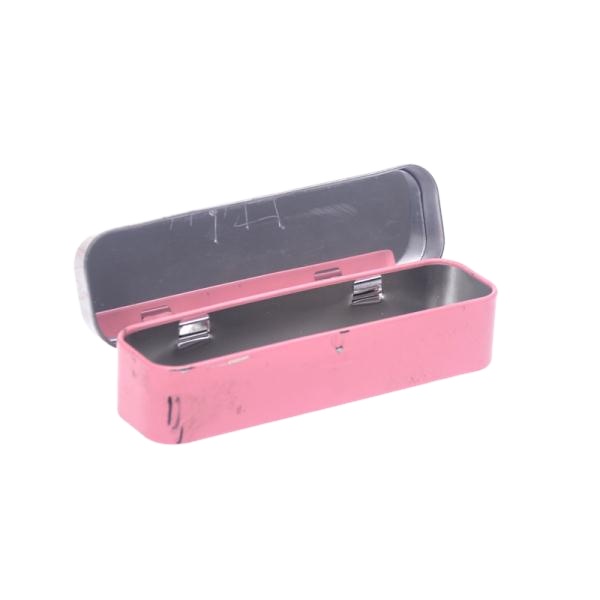
Hergestellt aus robusten und widerstandsfähigen Weißblechmaterialien, halten sie über einen längeren Zeitraum stand und bleiben robust.Schützen Sie Ihr Briefpapier mit einer zuverlässigen Barriere vor Beschädigung oder Verlust und halten Sie es sicher und intakt.Erleben Sie die Vielseitigkeit unserer Kollektion, die eine Reihe von Größen und Stilen bietet, um alle Ihre Bedürfnisse zu erfüllen, von Haltern bis hin zu Etuis.Entfesseln Sie das volle Potenzial Ihrer Stifte mit einer hochmodernen Farbdruckmaschine, mit personalisierten Designs und machen Sie sie unwiderstehlich verführerisch.Direkte Beschaffung ab Werk stellt sicher, dass Sie Produkte von höchster Qualität zu einem wettbewerbsfähigen und kostengünstigen Preis erhalten.
WEITERLESEN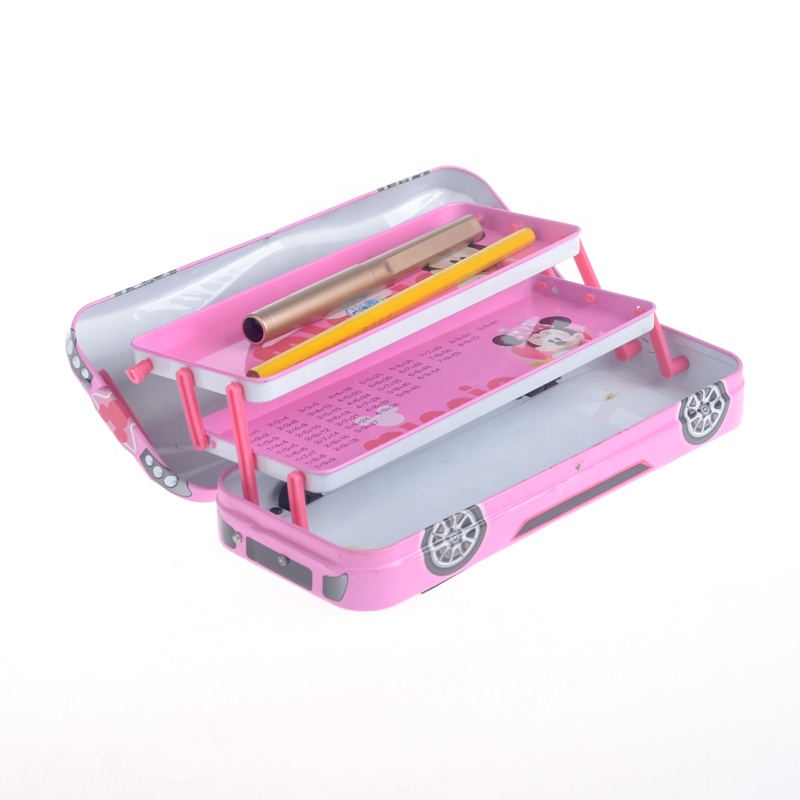
Hergestellt aus robusten Weißblechmaterialien, die ihre Haltbarkeit und Langlebigkeit gewährleisten.Schützen Sie Ihr Briefpapier mit einer sicheren Barriere und bewahren Sie es so vor Beschädigung oder Verlust.Eine große Auswahl an Größen und Stilen, einschließlich Halterungen und Koffern, erfüllt alle Ihre spezifischen Bedürfnisse und Vorlieben.Mit modernster Farbdruckmaschine, die jedem einzelnen Stück eine persönliche und faszinierende Note verleiht.Wir garantieren, dass Sie erstklassige Produkte von außergewöhnlicher Qualität zu einem äußerst wettbewerbsfähigen Preis erhalten.
WEITERLESEN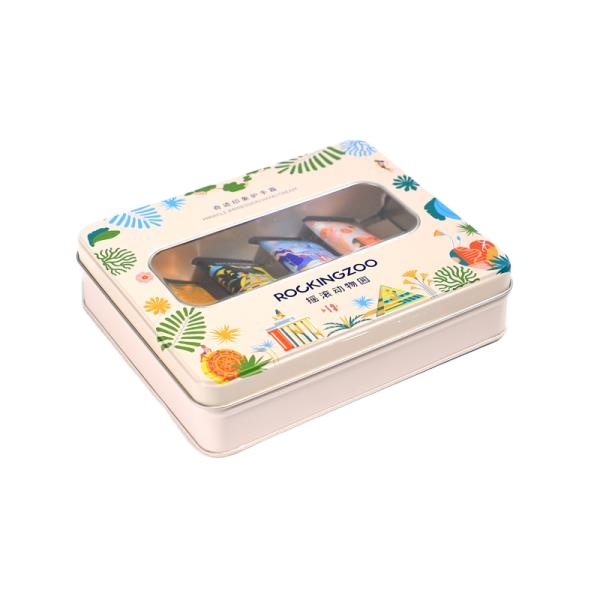
Hergestellt aus widerstandsfähigen Weißblechmaterialien, die so konzipiert sind, dass sie dem Test der Zeit standhalten und über einen längeren Zeitraum haltbar bleiben.Sorgen Sie für die Sicherheit Ihres Briefpapiers, indem Sie eine zuverlässige Barriere verwenden und mögliche Schäden oder Verluste wirksam verhindern.Perfekte Lösung für Ihre vielfältigen Anforderungen mit einer großen Auswahl an Größen und Stilen, einschließlich Halterungen und Koffern.Verstärken Sie den Reiz Ihrer Stifte mit unserer fortschrittlichen Farbdruckmaschine und schaffen Sie so eine personalisierte und auffällige Ästhetik.Profitieren Sie von unserer direkten Werksversorgung und stellen Sie sicher, dass Sie qualitativ hochwertige Produkte zu äußerst wettbewerbsfähigen Kosten erhalten.
WEITERLESEN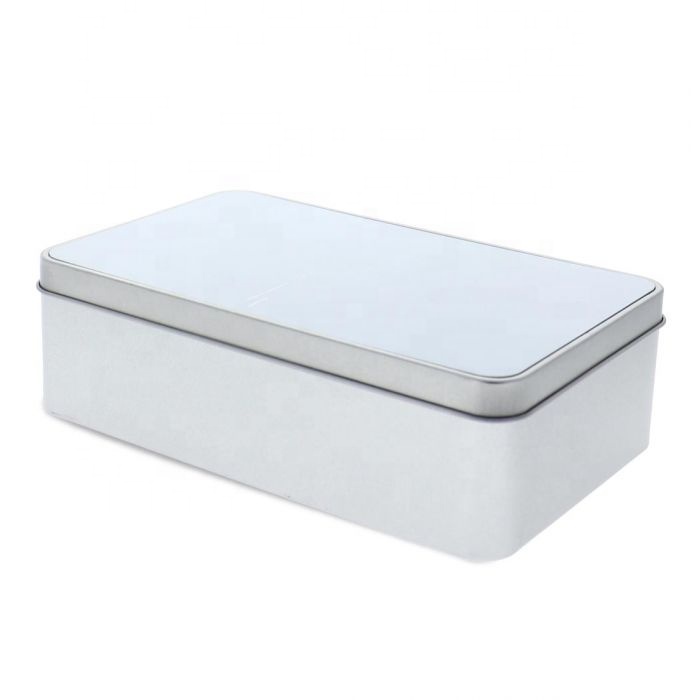
Egal welche Art von Verpackung Sie benötigen, wir haben die perfekte Lösung für Sie. Fortschrittliche Techniken sorgen für eine effektive Versiegelung Ihrer Produkte und ermöglichen so erweiterte Lagermöglichkeiten. Renommierte Lebensmittelmarken wie Oreo, Keebler, Chips Ahoy und Pepperidge Farm gehören zu unseren treuen Kunden. Seien Sie versichert, dass Ihre Produkte in erstklassigem Weißblech verpackt werden, das für den direkten Kontakt mit Lebensmitteln unbedenklich ist. Professionelle Pantone- und 4-Farben-Druckmaschinen garantieren eine erstklassige Präsentation Ihrer Produkte in Blechdosen.
WEITERLESEN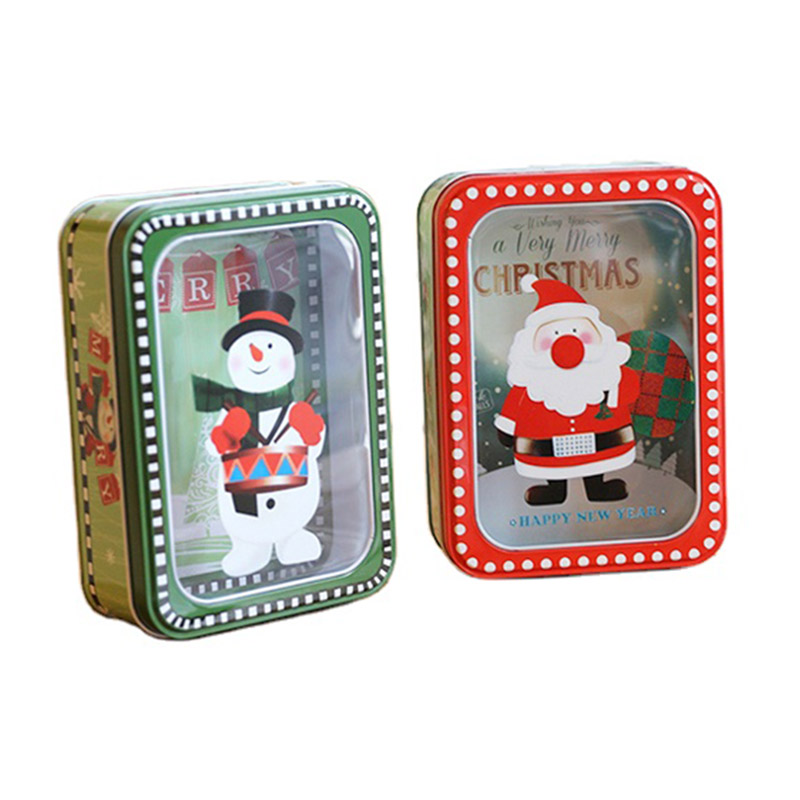
Wir bieten eine vielfältige Auswahl an Süßigkeitenverpackungsoptionen, die den unterschiedlichen Verpackungsanforderungen gerecht werden.Der luftdichte Verschluss von Bonbondosen spielt eine entscheidende Rolle bei der Erhaltung der Frische über einen längeren Zeitraum.Die lebendigen und auffälligen Designs auf Bonbondosen sorgen für eine einfache Erkennung und Identifizierung.Die Verpackung von Bonbondosen ist eine perfekte Option für die Hygiene bei Lebensmittelverpackungen, da sie leicht gereinigt und desinfiziert werden kann.Bonbondosen sind aus langlebigen Materialien gefertigt, die einen hervorragenden Schutz vor Bruch oder Quetschung bieten.
WEITERLESEN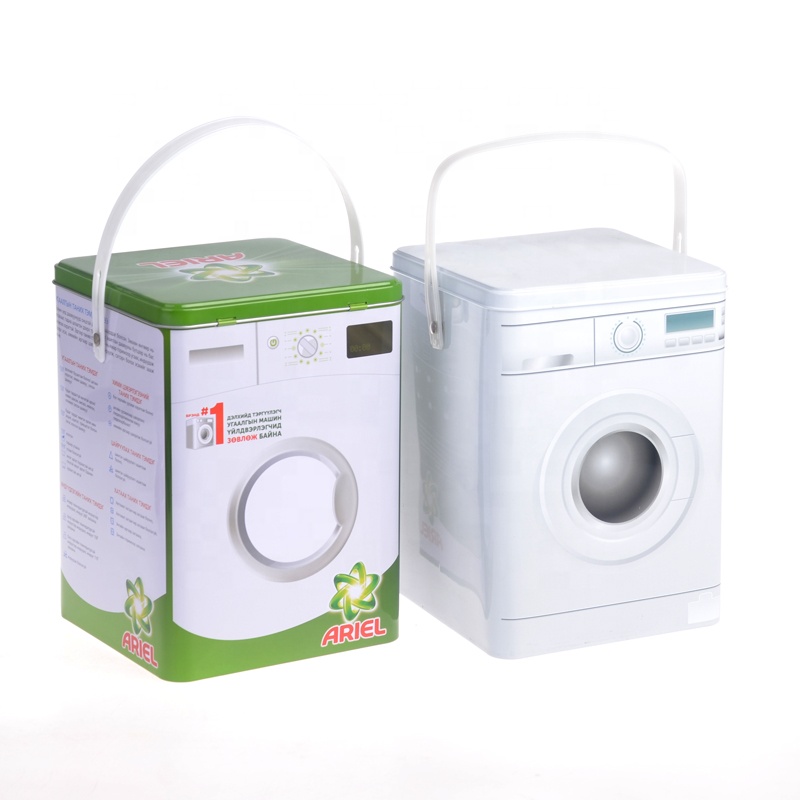
Unsere Keksverpackungsoptionen können individuell an Ihre individuellen Verpackungsbedürfnisse und -vorlieben angepasst werden.Um eine lang anhaltende Frische Ihrer Kekse zu gewährleisten, verwenden wir fortschrittliche Versiegelungstechniken, die ihre Qualität während der Lagerung effektiv bewahren.Das Privileg, renommierte Keksmarken wie Oreo, Keebler, Chips Ahoy und Pepperidge Farm anzubieten, garantiert einen köstlichen und sättigenden Genuss.Unsere Keksverpackungen sind absolut sicher für den Kontakt mit Lebensmitteln, da sie aus hochwertigem Weißblech gefertigt sind, das den höchsten Sicherheits- und Hygienestandards entspricht.Nutzen Sie professionelle Pantone- und 4-Farben-Druckmaschinen, um die erstklassige Qualität unserer Blechdosen-Präsentationen zu gewährleisten und unseren geschätzten Kunden lebendige und optisch ansprechende Designs zu garantieren.
WEITERLESEN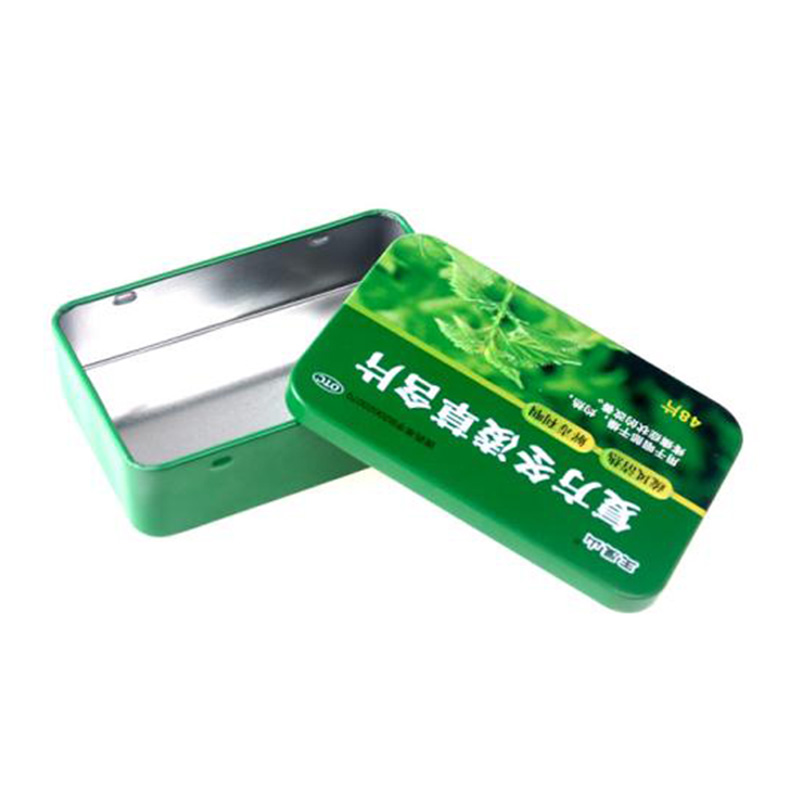
Stapelbar, platzsparend, bequem zu lagern und zu organisieren.Vielfältige Einsatzmöglichkeiten, sei es zur Aufbewahrung von Gegenständen oder als Dekorationselement.Ideal zum Verschenken von Kleinigkeiten wie Pralinen, Bonbons und anderen süßen Leckereien.Weißblech in Lebensmittelqualität trägt dazu bei, die Frische und den Geschmack der Süßigkeiten zu bewahren und sicherzustellen, dass sie köstlich bleiben.Blechdosen können mit Ihren einzigartigen Designs und Mustern personalisiert werden, was ihnen einen Hauch von Exklusivität verleiht und ihren Gesamtwert erhöht.
WEITERLESEN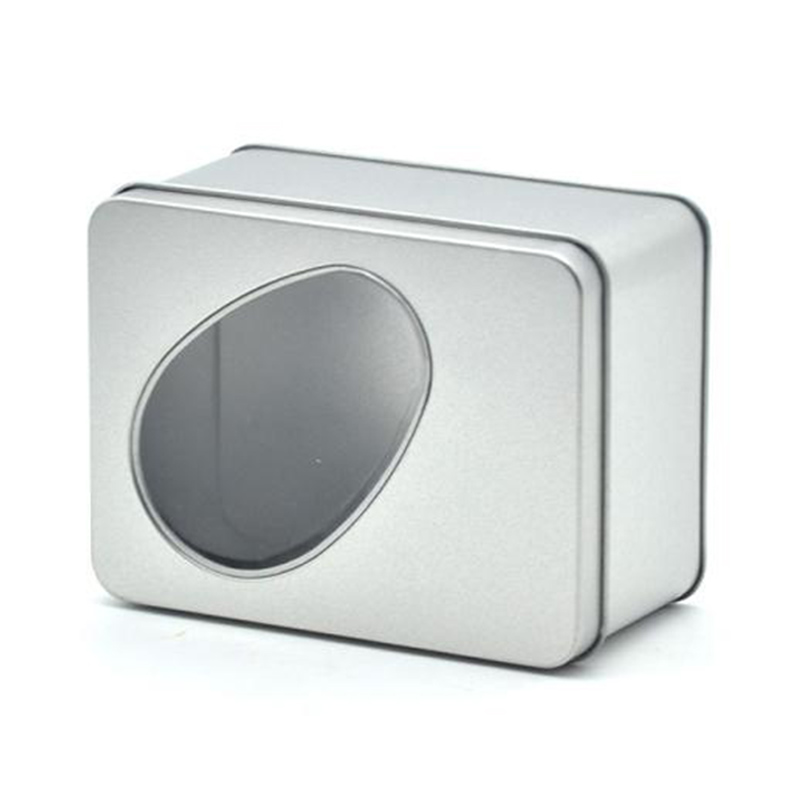
Ganz gleich, welche Art von Verpackung Sie benötigen, wir haben die passenden Verpackungsmöglichkeiten für Kekse.Mit erfolgreichen Versiegelungstechniken können Ihre Cookies über einen längeren Zeitraum gespeichert werden.Oreo, Keebler, Chips Ahoy und Pepperidge Farm sind berühmte Keksmarken, die uns die Treue halten.Die Verwendung von erstklassigem Weißblech in Lebensmittelqualität garantiert die Sicherheit Ihrer Keksverpackung.Professionelle Pantone- und 4-Farben-Druckmaschinen werden verwendet, um die hervorragende Qualität der Präsentationen in Blechdosen zu gewährleisten.
WEITERLESEN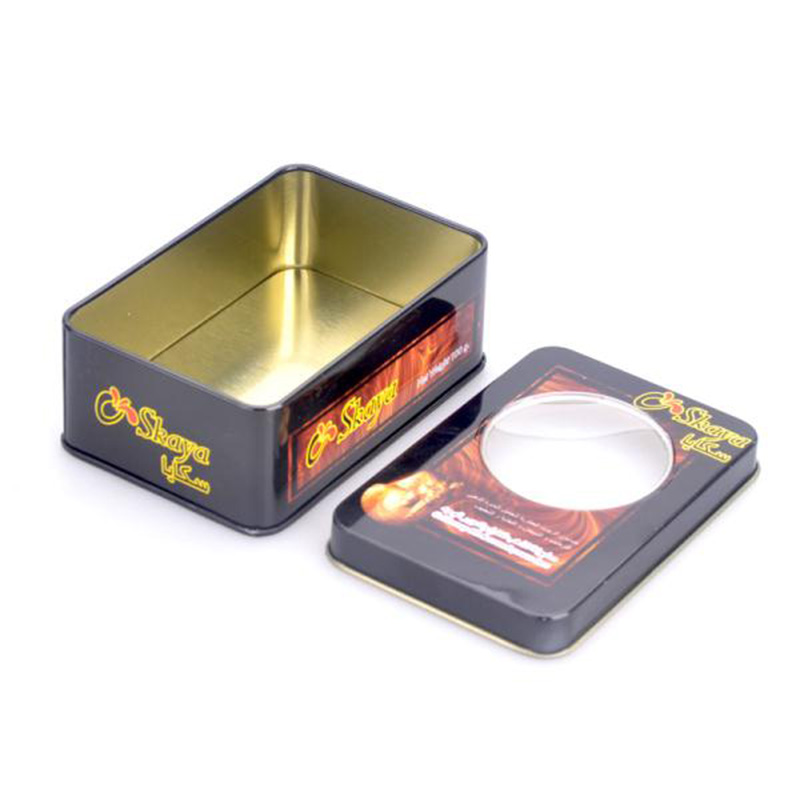
Die stapelbare Aufbewahrungslösung ist platzsparend konzipiert und eignet sich daher zum bequemen Aufbewahren und Organisieren Ihrer Sachen.Sie werden vielseitig eingesetzt, sei es zur Aufbewahrung von Gegenständen oder als Dekorationselement.Perfekt für die Präsentation kleiner Gegenstände wie Pralinen, Süßigkeiten und anderer köstlicher Leckereien.Erstklassiges Weißblech trägt dazu bei, die Frische und den Geschmack der Süßigkeiten zu bewahren und die Haltbarkeit zu verlängern.Unterstützen Sie individuelle Logos und Designs, die das Produkt attraktiver und wertvoller machen.
WEITERLESEN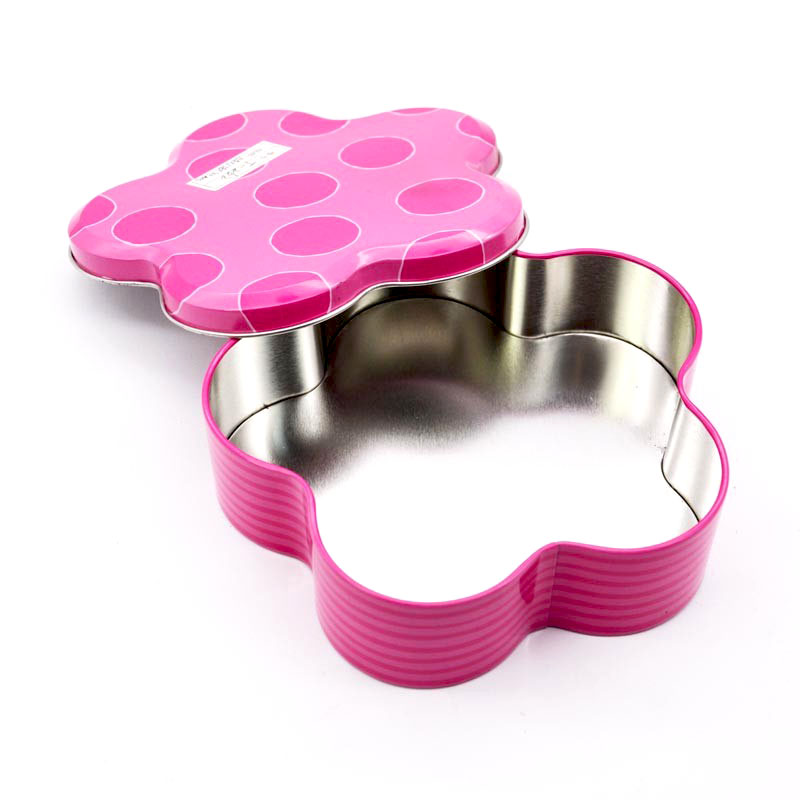
Unabhängig von der Art der Verpackung, die Sie benötigen, bieten wir Ihnen die passenden Verpackungsmöglichkeiten für Kekse.Durch erfolgreiche Versiegelungstechniken können Ihre Cookies über einen längeren Zeitraum gespeichert werden.Wir genießen die Treue renommierter Keksmarken wie Oreo, Keebler, Chips Ahoy und Pepperidge Farm.Die Verwendung von lebensmittelechtem, erstklassigem Weißblech gewährleistet die Sicherheit Ihrer Keksverpackung.Durch den Einsatz professioneller Pantone- und 4-Farben-Druckmaschinen behalten die Präsentationen in Blechdosen eine hervorragende Qualität.
WEITERLESEN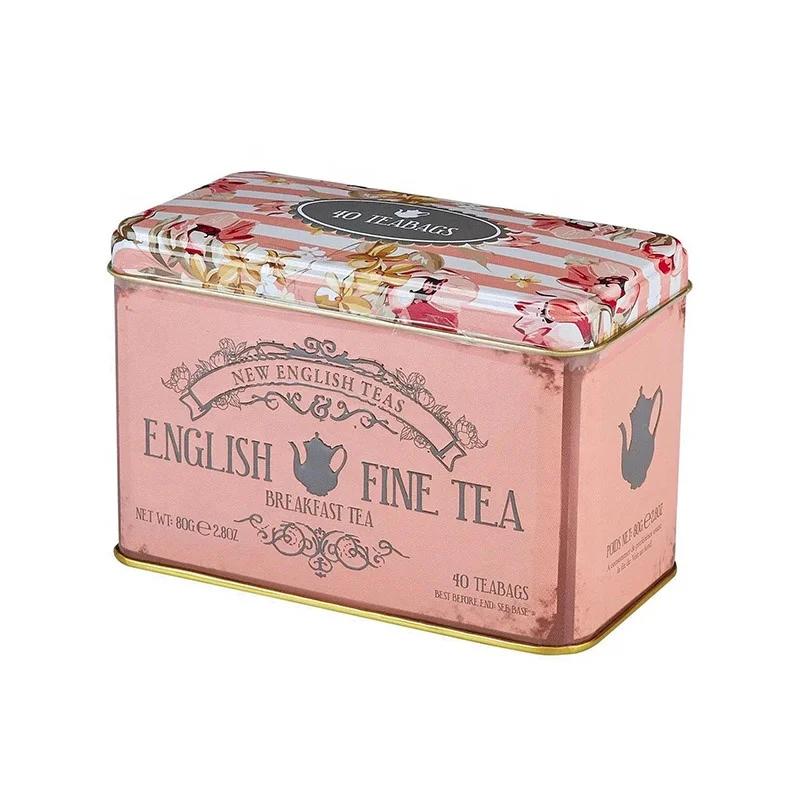
Robust und vielseitig für zahlreiche Anwendungen.Sorgt für einen luftdichten Verschluss und bewahrt den Geschmack und das Aroma des Tees.Bietet eine vielfältige Auswahl an Größen und Stilen, sodass Sie leicht das finden, was Ihren Anforderungen entspricht.Wird zur Aufbewahrung einer Vielzahl von Artikeln verwendet, darunter Gewürze, Kräuter und lose Teeblätter.Außergewöhnlich stark, sodass Ihr Tee vor Feuchtigkeit, Licht und Luft geschützt ist.
WEITERLESEN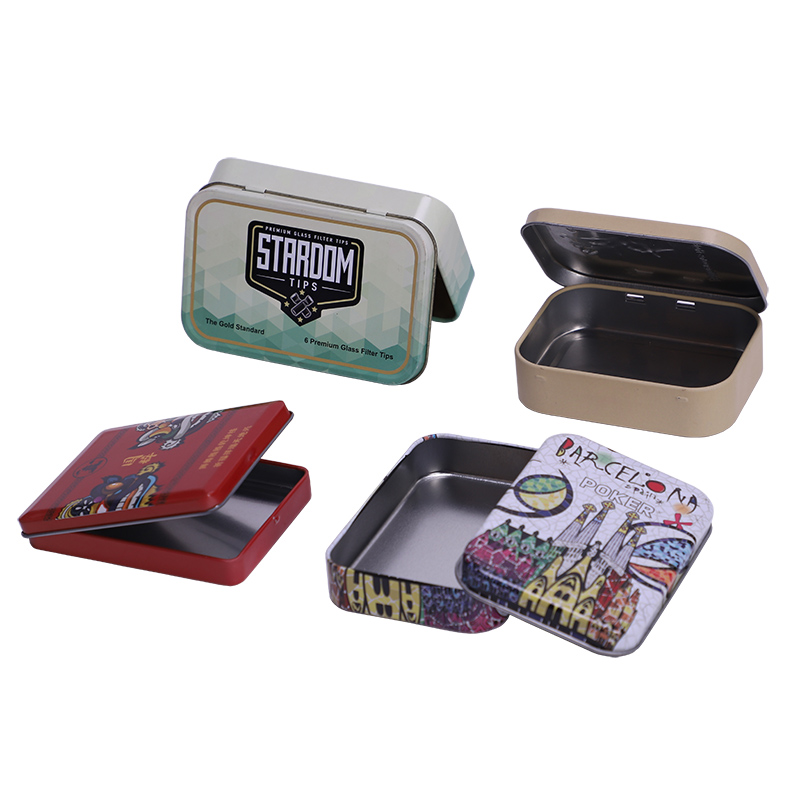
Große Auswahl an Blechverpackungslösungen, die die gesamte Produktpalette abdecken. Modernes Verfahren sorgt für eine gute Versiegelung und lange Lagerzeit. Zu den bekannten Partnern zählen führende Marken wie Mentos, Tic Tac, Altoids. Hochwertiges Weißblechmaterial sorgt dafür, dass die Dose perfekt versiegelt ist. Professionelles Designteam, fortschrittliche Druckausrüstung, perfekte Präsentation.
WEITERLESEN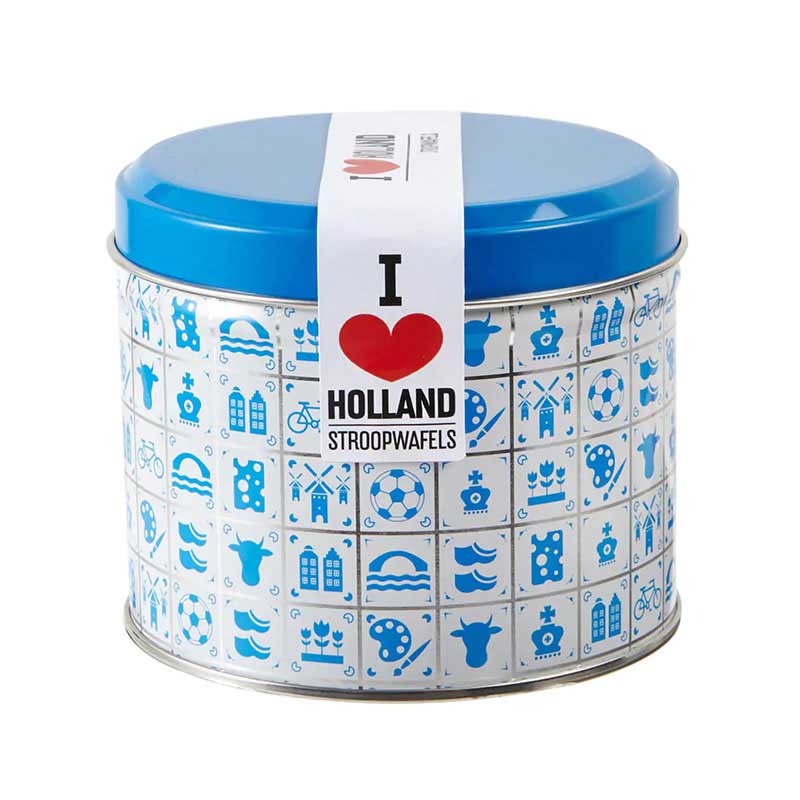
Wir bieten Verpackungsoptionen für Kekse an, die für verschiedene Verpackungsanforderungen geeignet sind.Nutzen Sie fortschrittliche Versiegelungstechniken, um eine längere Lagerung und Frische Ihrer Kekse zu gewährleisten.Keksdosen sind die ideale Wahl, um die Frische zu bewahren, indem sie Luft und Feuchtigkeit fernhalten.Die Wahl einer Keksdose gewährleistet eine langlebige und langlebige Verpackung und ist somit eine kostengünstige Option.Die Keksdosen sind in verschiedenen Formen und Größen erhältlich und können den individuellen Vorlieben gerecht werden.
WEITERLESEN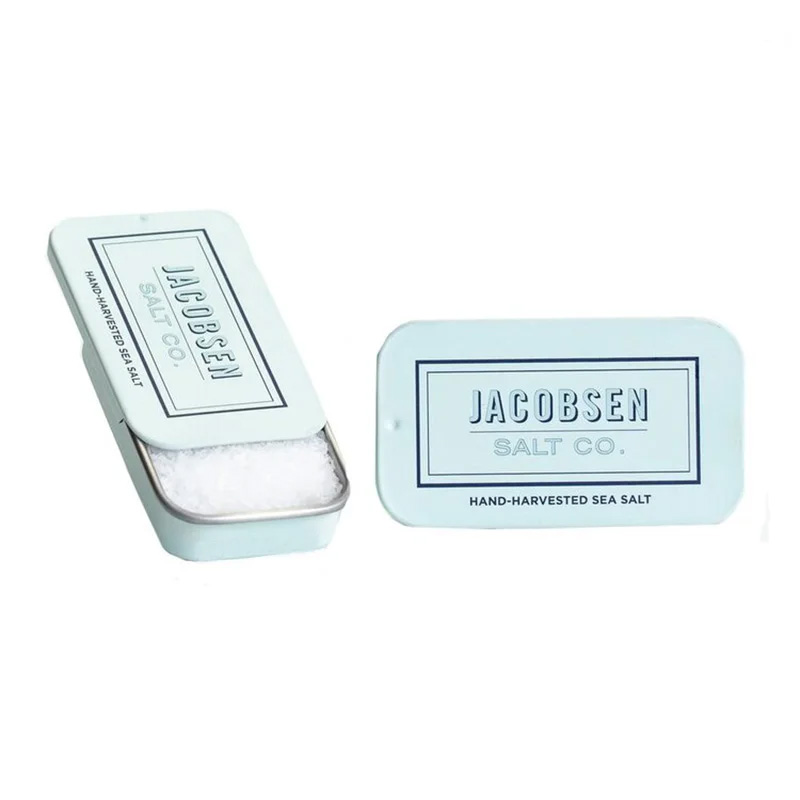
Ihre Produkte erhalten einen hervorragenden Schutz mit Festigkeit und Haltbarkeit.Diese sind ein ideales Werbemittel und können mit Ihrem Branding individuell gestaltet werden.Sie sind für Kunden attraktiv und verfügen über ein optisch ansprechendes Design.Sie eignen sich ideal zur Produktidentifizierung und sind leicht zu kennzeichnen.Sie sind eine umweltfreundliche Verpackungsmöglichkeit und recycelbar.
WEITERLESEN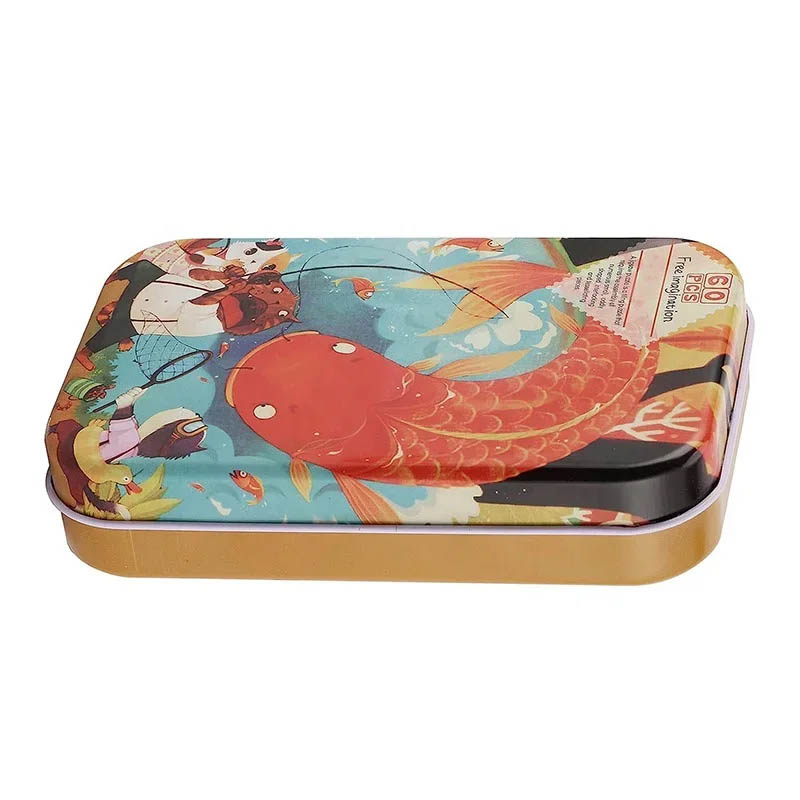
Entdecken Sie eine vielfältige Auswahl an Blechverpackungslösungen, die für eine breite Produktpalette geeignet sind. Unsere modernen Prozesse garantieren eine sichere Versiegelung und lange Lagerzeit. Arbeiten Sie mit bekannten Marken wie Mentos, Tic Tac und Altoids zusammen. Die Verwendung von hochwertigem Weißblechmaterial sorgt für eine einwandfreie Versiegelung Ihrer Weißblechverpackung. Profitieren Sie von einem professionellen Designteam, modernster Druckausrüstung und tadellosen Präsentationsstandards.
WEITERLESEN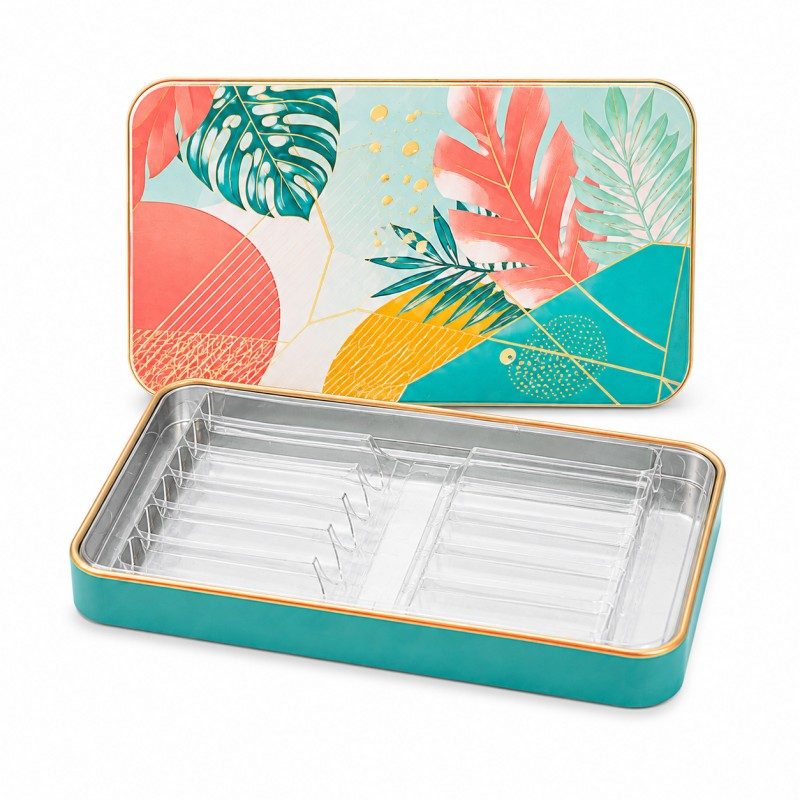
Diese Behälter lassen sich leicht stapeln und machen die Aufbewahrung und Organisation zum Kinderspiel. Diese Behälter sind nicht nur wiederverwendbar, sondern auch vielseitig einsetzbar und dienen sowohl als Aufbewahrung als auch als Dekoration. Mit einer Vielzahl von Größen, Farben und Designs finden Sie die perfekte Lösung für Ihre Bedürfnisse. Das einfache Flip-Deckel-Design ermöglicht ein einfaches Öffnen und Schließen. Diese aus robustem Weißblech gefertigten Behälter sind auf Langlebigkeit ausgelegt und halten dem täglichen Gebrauch stand.
WEITERLESEN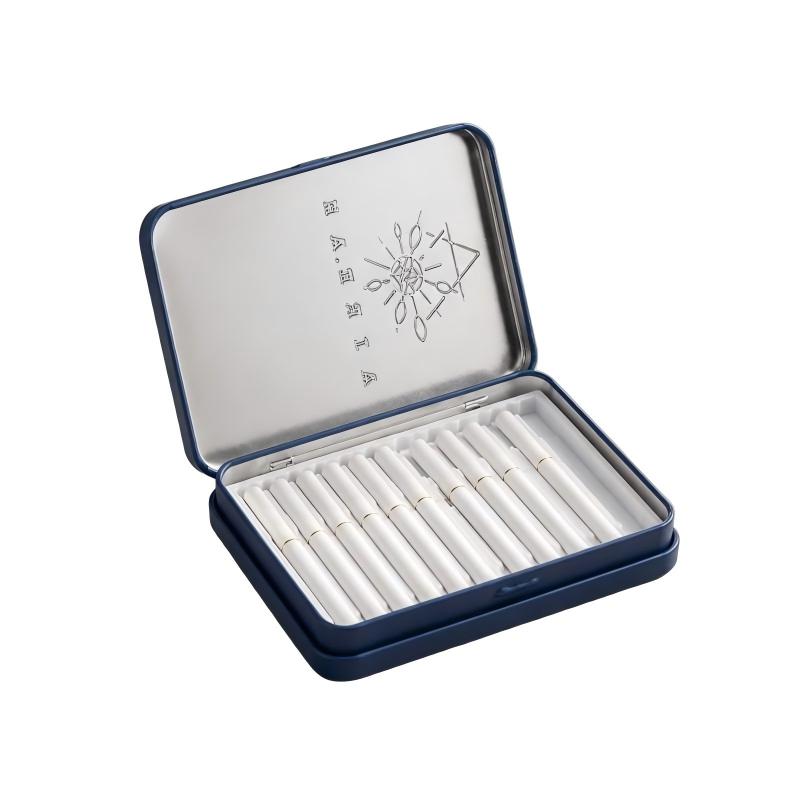
Diese Behälter sind für eine praktische Aufbewahrung und Organisation konzipiert und lassen sich ordentlich stapeln. Sie eignen sich für verschiedene Zwecke und können zur Aufbewahrung von Gegenständen wiederverwendet oder als Dekorationsstücke verwendet werden. Sie können aus einer Reihe von Größen, Farben und Designs wählen, die Ihren spezifischen Anforderungen nahtlos entsprechen. Die Behälter verfügen über eine unkomplizierte Klappdeckelstruktur mit Scharnier, die ein einfaches Öffnen und Schließen gewährleistet. Ihre langlebige Weißblechkonstruktion sorgt dafür, dass sie langlebig und verschleißfest sind.
WEITERLESENHolen Sie sich die neuesten Informationen und Sonderangebote


 IPv6-Netzwerk unterstützt
 Deutsch
 English
 Français
 Español
 Português