
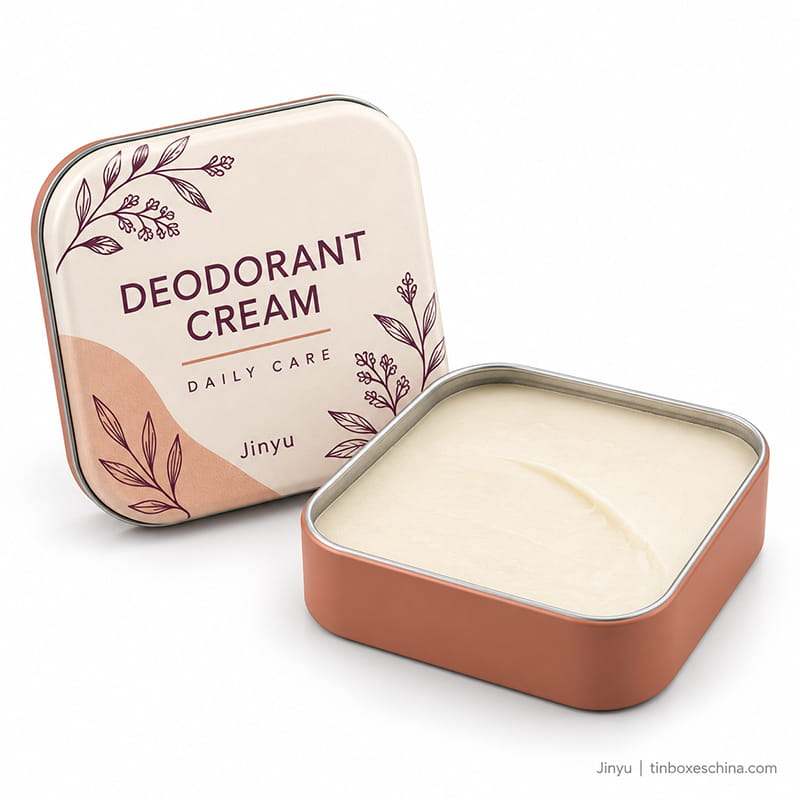
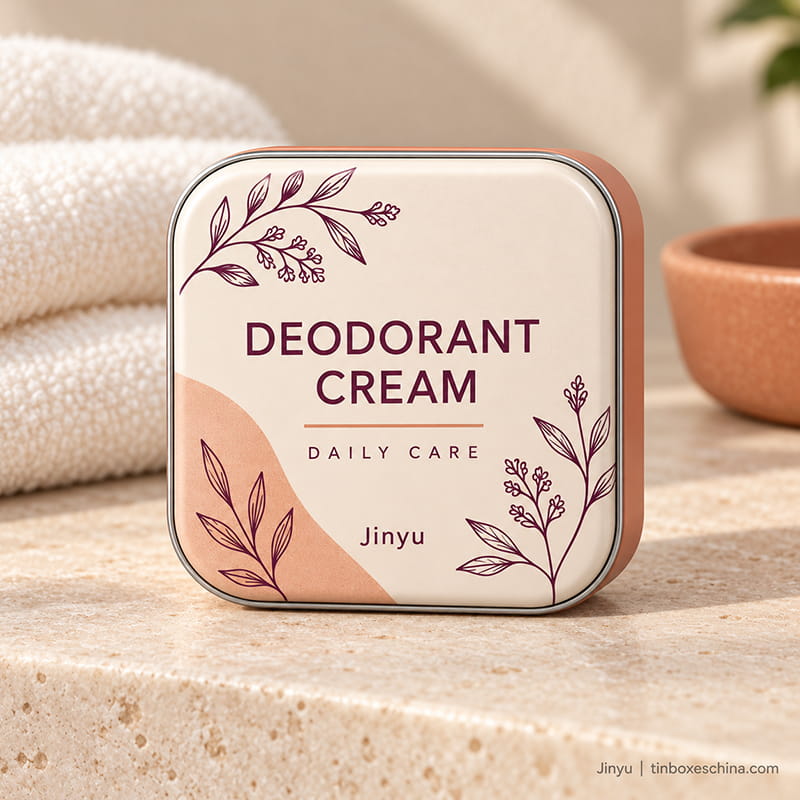
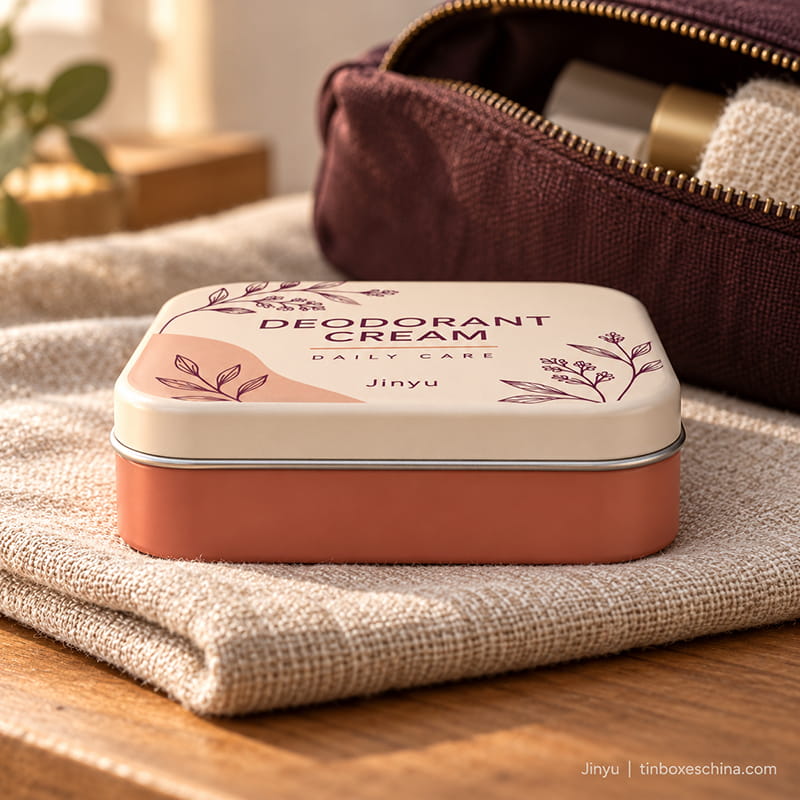
Product Name :
Deodorant Cream Tins with LidsDimensions :
L80*W70*H25 mmShape :
Square, CustomizableDesign :
Customizable, ODM / OEMPrinting :
Offset (CMYK) / UV / PantoneSurface Finish :
Matte / Glossy / EmbossingMaterial :
0.23 mm Food-Grade TinplateMOQ :
5,000 pcsLead Time :
35 DaysPackaging :
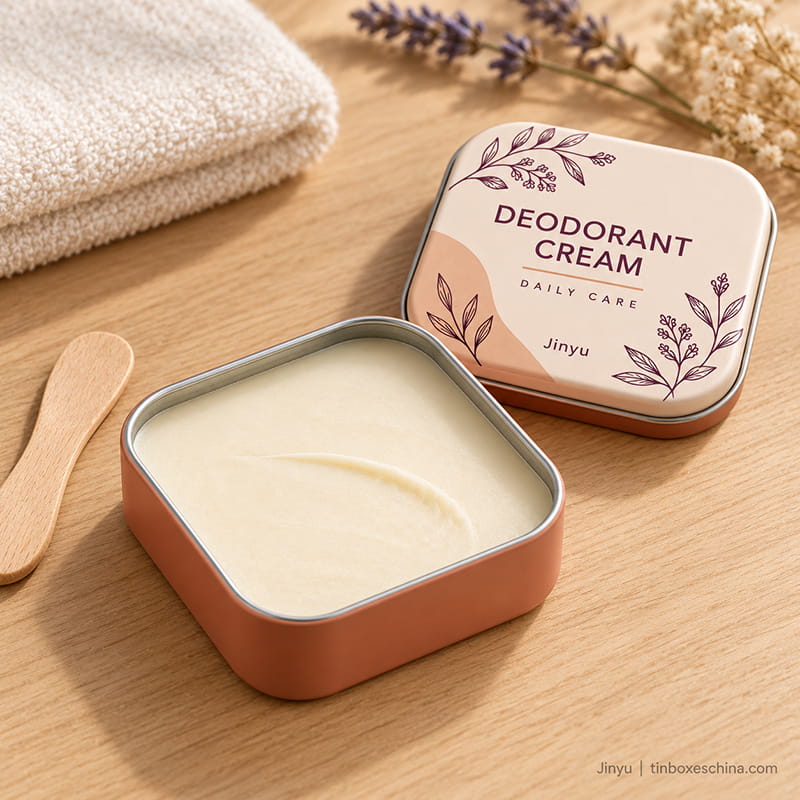
Opp Bag + Master CartonCustom deodorant cream tins with lids provide a wide opening for scoopable deodorant creams, pastes and balms. This range uses a conventional lift-off slip lid: the separate cover fits over the body and lifts off directly, without a threaded neck or screw closure.
Jinyu develops custom printed tinplate packaging for deodorant brands, personal care manufacturers and gift collections. Choose the size around your actual formulation, fill weight and application method, then coordinate the lid fit, internal coating and exterior artwork.
The lid has a smooth skirt that overlaps the upper part of the tin body. Customers lift the cover to access the cream and press it back into place after use.
During development, review both the ease of opening and the fit when closed. The lid needs an accessible gripping area, while its overlap and clearance must suit the selected tin diameter and finish.
Check the assembled pack after filling as well as when empty. Cream on the rim, residue around the overlap or changes in the packed product can affect normal use.
A standard slip lid does not establish an airtight, waterproof or leakproof seal. If the filled product will be carried in a bag or distributed through parcel delivery, assess lid retention and product containment with the actual formula and intended outer packaging.
The opening should make the deodorant practical to take out, including when the product is nearly finished.
A broad, shallow format can make the surface accessible. A deeper version offers a different footprint, but the remaining cream must still be reachable at the base and around the inner wall.
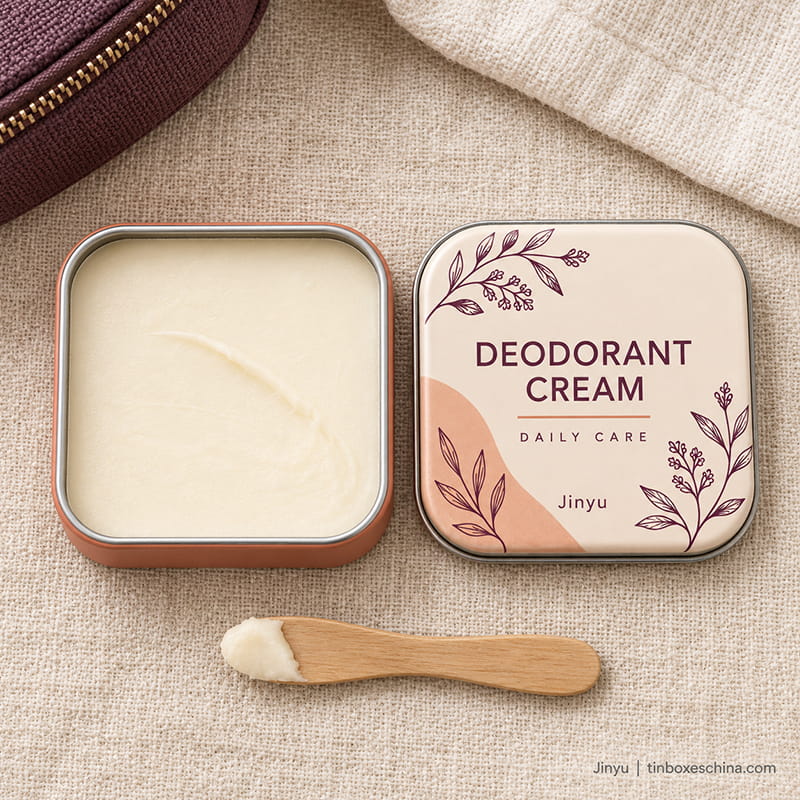
Consider the intended application method before selecting the diameter. Finger application and a separately supplied spatula may need different access space.
| Design detail | What to review with your cream |
| Opening diameter | Access for the intended finger or applicator |
| Internal depth | Reach to the remaining product near the base |
| Inner wall and base profile | Ease of collecting cream around the perimeter |
| Rim and lid overlap | Keeping the closure area clear during filling and use |
| Space above the fill | Clearance beneath the lid and any additional component |
A small spatula can be included as a separately specified accessory. If it will sit inside the closed tin, its position and clearance need to be included in the sample review.
Deodorant cream packaging needs a product-contact specification that matches the formulation.
Provide the relevant formulation information, including whether the cream is water-containing or anhydrous, its oils and waxes, fragrance system, mineral ingredients and filling conditions. The packaging review should use the finished formula, rather than a single ingredient in isolation.
Agree the coating system and review coverage across the base, sidewall, rim and lid underside where contact may occur. Identify any seams or formed areas that need attention in the selected construction.
The Cosmetics Europe stability-testing guidelines include product–container compatibility and recommend evaluating packaging representative of the pack intended for sale.
For this project, the formula manufacturer or its testing partner should assess the actual cream in production-intent tins. Review changes in the product and the packaging, such as discoloration, odor, coating condition or visible corrosion, using an agreed test programme.
A coating accepted for one fragrance or formulation should not automatically be treated as suitable for every variant.
A tin’s nominal volume does not determine its deodorant fill weight. Two formulas can occupy different volumes at the same mass, and the filling process can affect the finished surface and usable clearance.
Start with your target net weight. Fill representative samples using the intended process, then check the settled product level and the space beneath the closed lid.
| Filling detail | Information to agree |
| Target net weight | Declared quantity and the filler’s control requirements |
| Formulation density | Volume occupied by the target mass |
| Fill temperature | Compatibility with the specified coating and process |
| Finished fill level | Product surface after cooling or settling |
| Headspace | Clearance beneath the lid at the approved fill level |
| Rim condition | Closure area kept clear of cream and filling residue |
If the cream is filled warm, share the proposed temperature, cooling sequence and point at which the lid is fitted. Those conditions need review with the selected packaging; a general description such as “hot-fill suitable” is insufficient.
Jinyu can review 3,000+ existing molds against your required internal volume and access needs before assessing a new tin size.
Assess the formula in the tin under the storage and distribution conditions expected for your product.
For creams that soften, separate or release oil when warm, check whether the material reaches the lid overlap or escapes from the pack. Review upright, side and other relevant orientations through a test programme selected by the formula manufacturer.
Also inspect the lid fit, internal coating and exterior presentation after the agreed exposure. An opening seal label or retail carton may support presentation and first-opening identification, but it does not make the tin liquid-tight.
The finished product’s storage instructions and shelf life should come from the brand’s validated formulation and packaging assessment. Empty-tin approval alone does not establish either.
The round lid provides a clear display area for your logo, collection name and fragrance identity. Botanical illustrations, simple color fields or restrained typography can work across a coordinated body care range.
Keep a consistent layout when several scents share one tin size. A recognizable color system and readable variant name help distinguish products without changing the outer structure.
| Artwork area | Planning direction |
| Lid face | Brand, product name and fragrance or variant |
| Body | Coordinated color, short brand detail or supporting graphics |
| Base label | Brand-approved product information, quantity and batch area |
| Sleeve or carton | Additional instructions, ingredient information and retail presentation |
Keep essential wording away from the curved lid edge and overlap. Review small text at actual size, particularly on compact tins.
Embossing or debossing can be assessed for logos and selected graphics. Check the resulting underside profile against the fill level before approval.
The cosmetic brand should supply and approve formulation claims, ingredient information, directions and other market-specific label content.
Approve the complete pack using representative cream and the intended filling process.
Opening and closing: check gripping access, lid seating and repeated use.
Filling: confirm the target weight, finished level and clean closure area.
Compatibility: assess the cream against the agreed internal coating and tin construction.
Product access: remove cream from the center, perimeter and near the base.
Handling and delivery: review lid retention, product movement and containment with the retail and shipping protection.
Appearance: inspect printing, lid alignment, labels and the finished cream surface.
Separate packaging fit approval from formulation stability approval, and assign responsibility for each in the project brief.
| Stage | Planning information |
| Minimum order | 5,000 pieces |
| Sample preparation | Typically 7–10 days after requirements and artwork are confirmed; new tooling or coating development may require additional time |
| Bulk production | Typically 25–35 days after sample and artwork approval, subject to the agreed schedule |
| Product validation | Formula compatibility and stability timing agreed separately with the brand or testing partner |
| Packing | Surface protection, lid arrangement, carton quantities and delivery to the filling site specified with the order |
No. This product uses a conventional slip-on, lift-off lid. The cover fits over the tin body and opens without unscrewing.
Direct filling can be assessed after reviewing the formula, internal coating, body construction and filling conditions. Approve it with the actual cream in the intended tin.
Yes, 50 g can be used as a development brief. The required dimensions depend on your formula’s density, fill level and headspace, so the final capacity needs a filling trial.
A conventional slip lid should not be relied on to contain a liquefied formula. Assess softening, oil separation and containment under the conditions expected during storage, transport and use.
Yes. A shared tin structure can be developed with different artwork versions. Confirm quantities for each design and review formulation compatibility across the range.
The standard scope is empty tins and the listed packaging accessories. Formulation, filling and finished-product validation are handled separately.

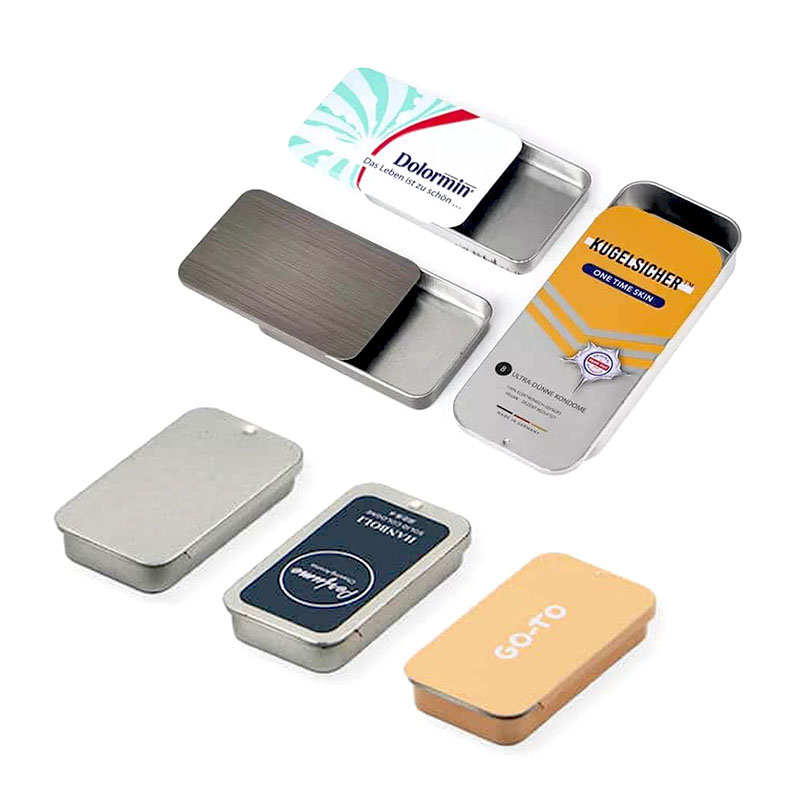
Runde kosmetische Blechdose, Größe: D75 * 25 mm, hergestellt aus 0,23 mm dickem Weißblech, CMYK-4-Farben- oder Panton-Druck, wir unterstützen jede Anpassung.
WEITERLESEN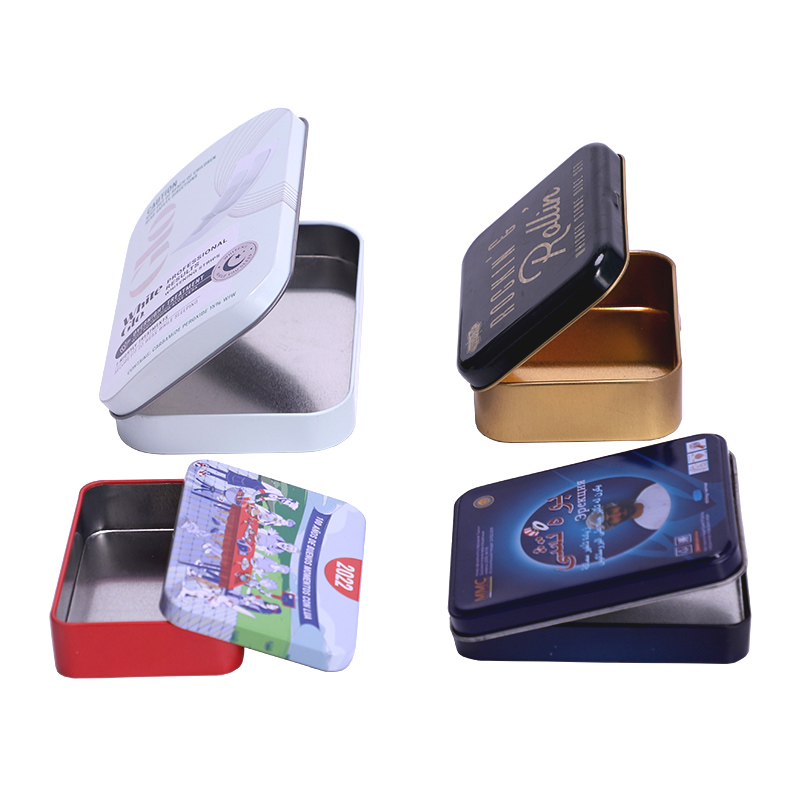
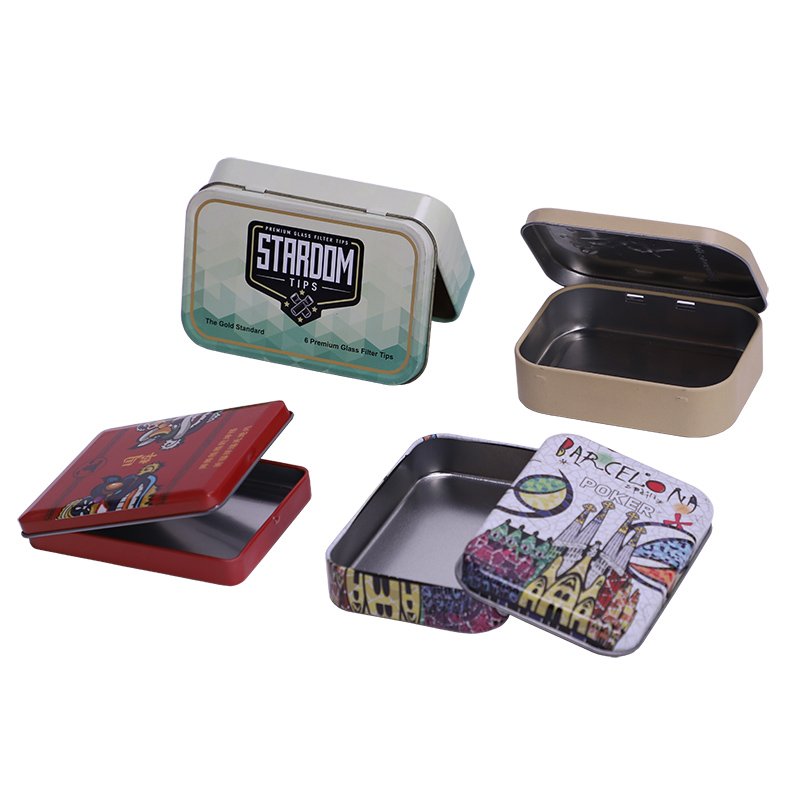
Sie sind stapelbar und somit leicht aufzubewahren und zu organisieren. Kann für eine Vielzahl von Zwecken wiederverwendet werden, von der Aufbewahrung von Gegenständen bis hin zur Verwendung als Dekorationsstücke. Verschiedene Größen, Farben und Designs, passend zu Ihren Bedürfnissen. Die einfache Klappdeckelkonstruktion mit Scharnier lässt sich leicht öffnen und schließen. Robustes Weißblech macht sie langlebig und verschleißfest.
WEITERLESEN
Langlebig und mehrfach wiederverwendbar.Luftdicht, wodurch der Geschmack und das Aroma des Tees erhalten bleiben.Eine Vielzahl von Größen und Stilen macht es einfach, das Modell zu finden, das Ihren Anforderungen entspricht.Wird zur Aufbewahrung anderer Gegenstände wie Gewürze, Kräuter und anderer loser Teeblätter verwendet.Äußerst langlebig und kann Ihren Tee vor Feuchtigkeit, Licht und Luft schützen.
WEITERLESEN
Candy Mint Tin Case, Größe: 60 * 50 * 15 mm, Es besteht aus Weißblechmaterial mit einer Dicke von 0,23 mm, CMYK-4-Farben- und Panton-Druck. Wir unterstützen jede Anpassung.
WEITERLESEN
Langlebig und mehrfach wiederverwendbar.Luftdicht, wodurch der Geschmack und das Aroma des Tees erhalten bleiben.Eine Vielzahl von Größen und Stilen macht es einfach, das Modell zu finden, das Ihren Anforderungen entspricht.Wird zur Aufbewahrung anderer Gegenstände wie Gewürze, Kräuter und anderer loser Teeblätter verwendet.Äußerst langlebig und kann Ihren Tee vor Feuchtigkeit, Licht und Luft schützen.
WEITERLESEN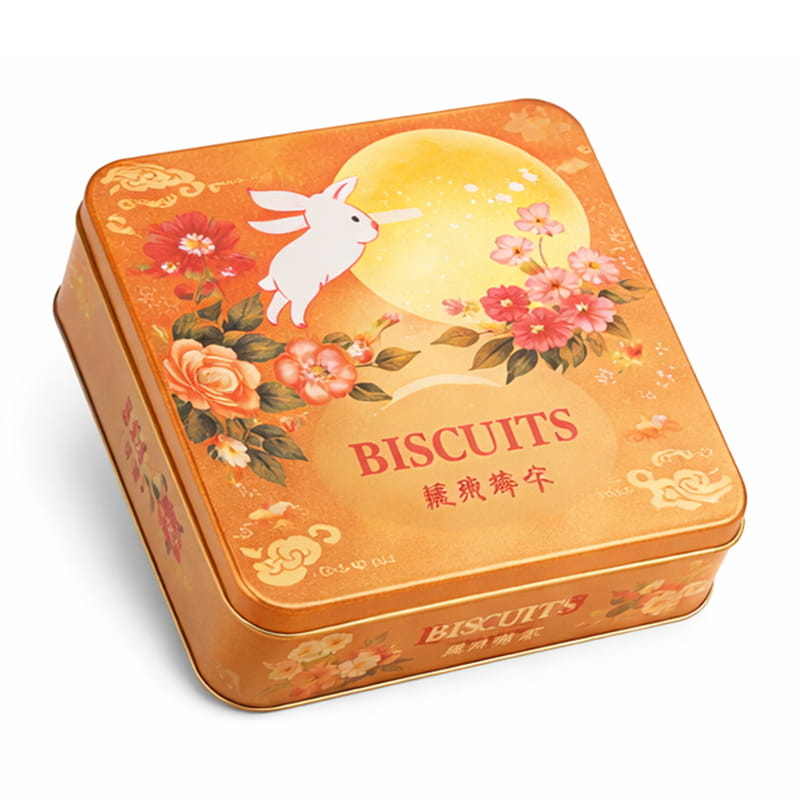
Das Blechdose aus Metall wird normalerweise für Süßigkeiten- und Schokoladenverpackungen verwendet, die Größe beträgt 220 * 220 * 68 mm, es besteht aus Weißblechmaterial mit einer Dicke von 0,23 mm, mit CMYK-4-Farben- oder Panton-Druck. Jetzt unterstützen wir Ihr individuelles Design und die Herstellung neuer Formen.
WEITERLESEN
Langlebig und mehrfach wiederverwendbar.Luftdicht, wodurch der Geschmack und das Aroma des Tees erhalten bleiben.Eine Vielzahl von Größen und Stilen macht es einfach, das Modell zu finden, das Ihren Anforderungen entspricht.Wird zur Aufbewahrung anderer Gegenstände wie Gewürze, Kräuter und anderer loser Teeblätter verwendet.Äußerst langlebig und kann Ihren Tee vor Feuchtigkeit, Licht und Luft schützen.
WEITERLESEN
Runder Haarpomadendosenbehälter, Größe: D82 * 32 mm, hergestellt aus 0,23 mm dickem Weißblech, CMYK-4-Farben- oder Panton-Druck, wir unterstützen jede Anpassung.
WEITERLESEN
Ideal zum Aufbewahren kleiner Gegenstände wie Münzen, Schmuck und anderer Schmuckstücke.Perfekt zum Verschenken von Kleinigkeiten wie Pralinen, Süßigkeiten und anderen Leckereien.Langlebig und verschleißfest.Zahlreiche Größen, Farben und Formen machen sie ideal für eine Vielzahl von Anwendungen.Eine gute Option zum Verschenken, da sie mit einer besonderen Botschaft oder einem besonderen Design personalisiert werden können.
WEITERLESEN
Entdecken Sie eine umfassende Auswahl an Blechverpackungslösungen, die eine vielfältige Produktpalette umfassen.Durch den Einsatz moderner Verfahren erreichen wir eine zuverlässige Versiegelung und verlängerte Lagerzeit.Zu unseren renommierten Partnern zählen Branchenführer wie Mentos, Tic Tac und Altoids.Die Verwendung von hochwertigem Weißblechmaterial garantiert eine einwandfreie Versiegelung unserer Dosen.Profitieren Sie von einem professionellen Designteam, modernster Druckausrüstung und einer makellosen Präsentation.
WEITERLESEN
Candy Mint Metalldose mit Klappdeckel, Größe: 100*80*22mm, Es besteht aus Weißblechmaterial mit einer Dicke von 0,23 mm, CMYK-4-Farben- oder Panton-Druck. Wir unterstützen jede Anpassung.
WEITERLESEN
Langlebig und mehrfach wiederverwendbar.Luftdicht, wodurch der Geschmack und das Aroma des Tees erhalten bleiben.Eine Vielzahl von Größen und Stilen macht es einfach, das Modell zu finden, das Ihren Anforderungen entspricht.Wird zur Aufbewahrung anderer Gegenstände wie Gewürze, Kräuter und anderer loser Teeblätter verwendet.Äußerst langlebig und kann Ihren Tee vor Feuchtigkeit, Licht und Luft schützen.
WEITERLESEN
Langlebig und mehrfach wiederverwendbar.Luftdicht, wodurch der Geschmack und das Aroma des Tees erhalten bleiben.Eine Vielzahl von Größen und Stilen macht es einfach, das Modell zu finden, das Ihren Anforderungen entspricht.Wird zur Aufbewahrung anderer Gegenstände wie Gewürze, Kräuter und anderer loser Teeblätter verwendet.Äußerst langlebig und kann Ihren Tee vor Feuchtigkeit, Licht und Luft schützen.
WEITERLESEN
Eine großartige Möglichkeit, Ihr Produkt zu präsentieren und es von der Konkurrenz abzuheben.Robust und langlebig, bietet hervorragenden Schutz für Ihre Produkte.Verschiedene Größen und Formen, wodurch sie für ein breites Produktspektrum geeignet sind.Kostengünstig, was sie zu einer erschwinglichen Verpackungslösung macht.Recycelbar, was sie zu einer umweltfreundlichen Verpackungsoption macht.
WEITERLESEN
Große Auswahl an Blechverpackungslösungen, die die gesamte Produktpalette abdecken.Modernes Verfahren sorgt für eine gute Versiegelung und lange Lagerzeit.Zu den bekannten Partnern zählen führende Marken wie Mentos, Tic Tac, Altoids.Hochwertiges Weißblechmaterial sorgt dafür, dass die Dose perfekt versiegelt ist.Professionelles Designteam, fortschrittliche Druckausrüstung, perfekte Präsentation.
WEITERLESEN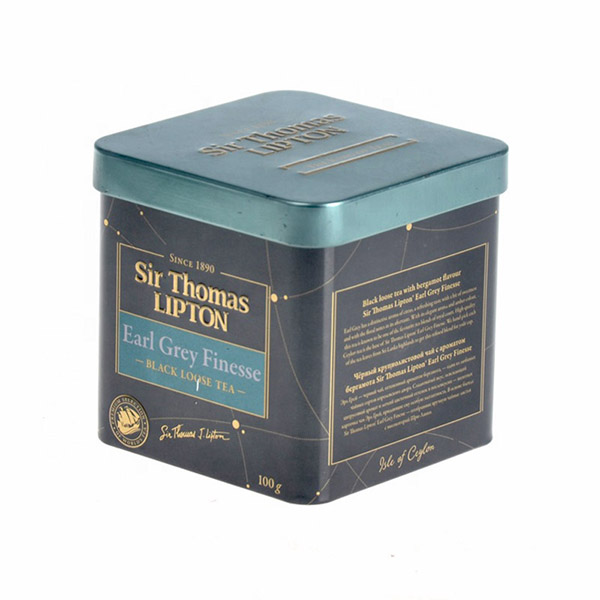
Geprägte Logo-Tee-Kaffee-Metalldose, Größe: 90 * 90 * 90 mm, Es besteht aus Weißblechmaterial mit einer Dicke von 0,23 mm, CMYK-4-Farben- oder Panton-Druck. Wir unterstützen jede Anpassung.
WEITERLESEN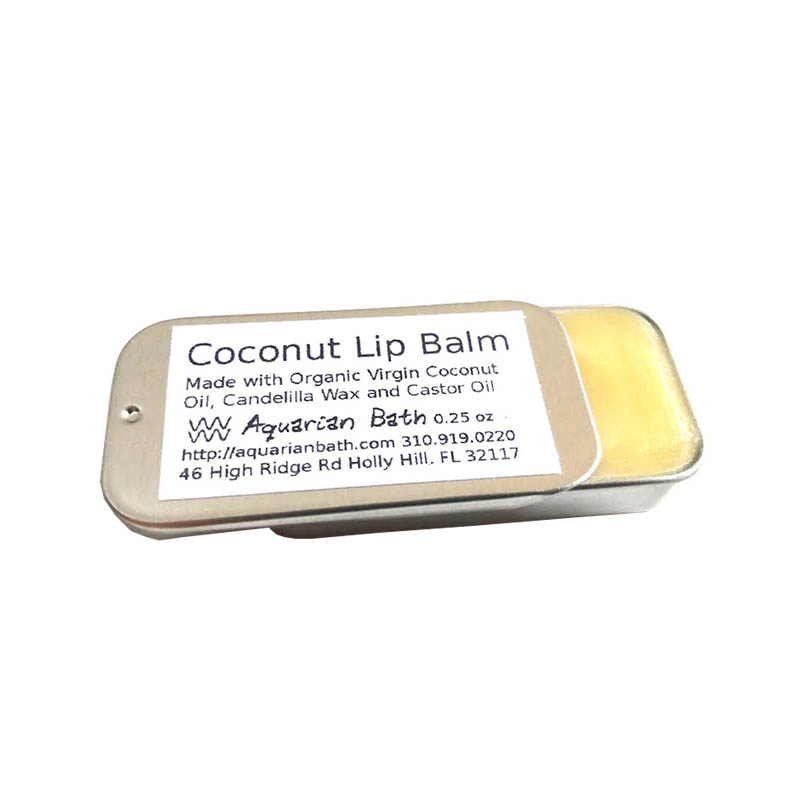
Umweltfreundlich, da sie aus recycelten Materialien hergestellt werden.Anpassbar, sodass Sie Ihrem Produkt ein einzigartiges Aussehen verleihen können.Vielseitig, da sie für verschiedene Zwecke eingesetzt werden können.Ideal für Werbezwecke, da sie mit Logos oder Slogans bedruckt werden können.Kostengünstige Verpackungslösung für Unternehmen.
WEITERLESEN
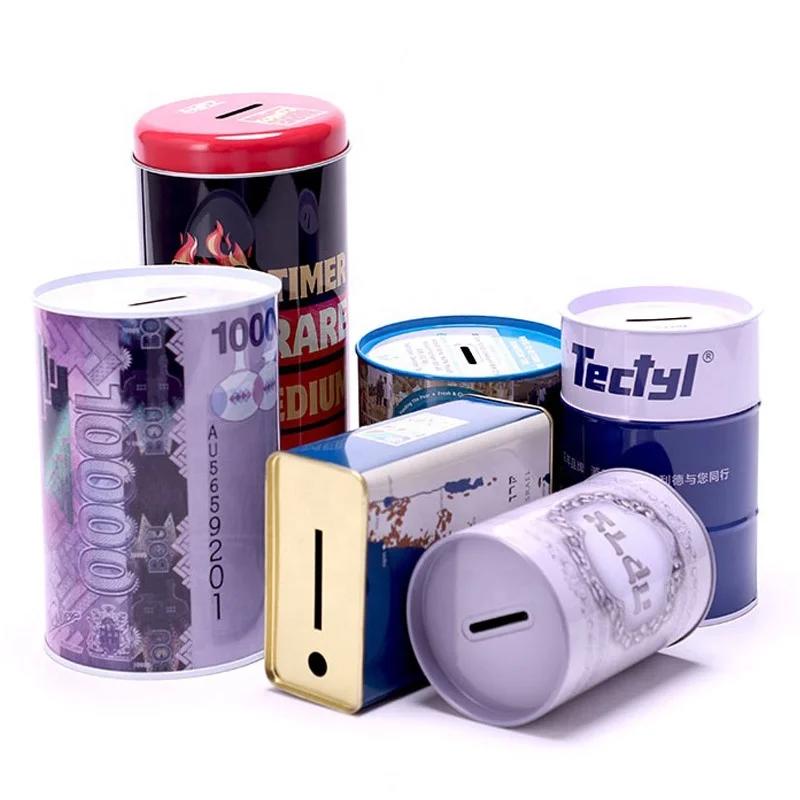
Langlebige Qualität und mehrfach verwendbar.Sichern Sie Ersparnisse und schützen Sie Ihr Geld vor Diebstahl.Dank der großen Auswahl an Größen und Stilen können Sie eines finden, das Ihren Anforderungen entspricht.Wird als Geschenk für Kinder und Freunde verwendet und eignet sich hervorragend zur kommerziellen Markenwerbung.Zuverlässiger Direktlieferant ab Werk, hohe Qualität zu wettbewerbsfähigen Preisen.
WEITERLESEN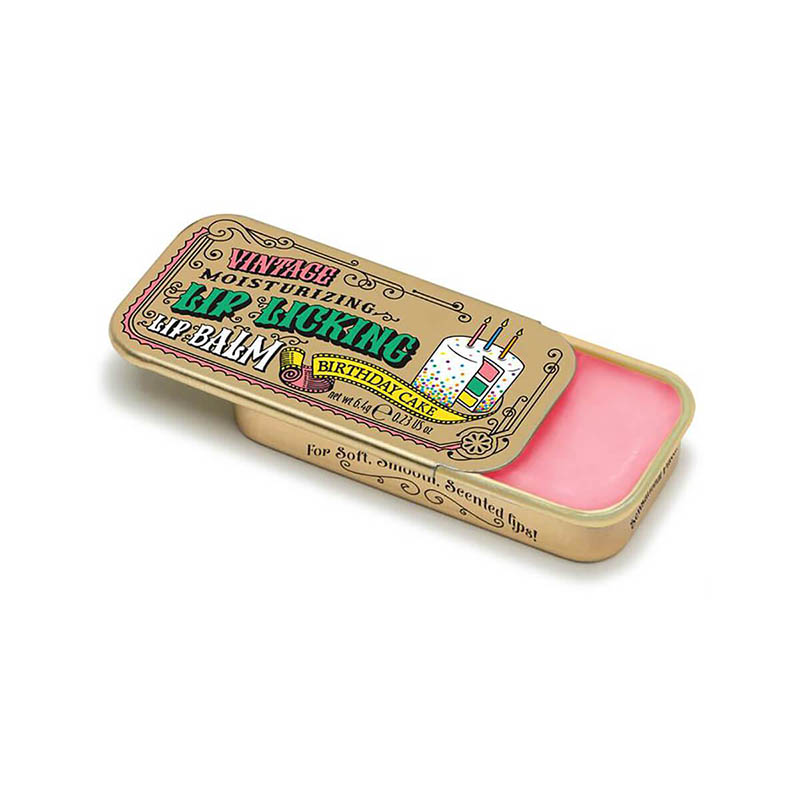
Kann mit Logos, Farben und anderen Branding-Elementen individuell angepasst werden.Kann zur Lagerung von Produkten über einen längeren Zeitraum verwendet werden.Relativ günstig im Vergleich zu anderen Verpackungsarten.Feuchtigkeitsbeständig und daher ideal für die Lagerung von Lebensmitteln.Tolle Möglichkeit, Produkten einen Mehrwert zu verleihen und ein einzigartiges Kundenerlebnis zu schaffen.
WEITERLESEN
Große Auswahl an Blechverpackungslösungen, die die gesamte Produktpalette abdecken.Modernes Verfahren sorgt für eine gute Versiegelung und lange Lagerzeit.Zu den bekannten Partnern zählen führende Marken wie Mentos, Tic Tac, Altoids.Hochwertiges Weißblechmaterial sorgt dafür, dass die Dose perfekt versiegelt ist.Professionelles Designteam, fortschrittliche Druckausrüstung, perfekte Präsentation.
WEITERLESEN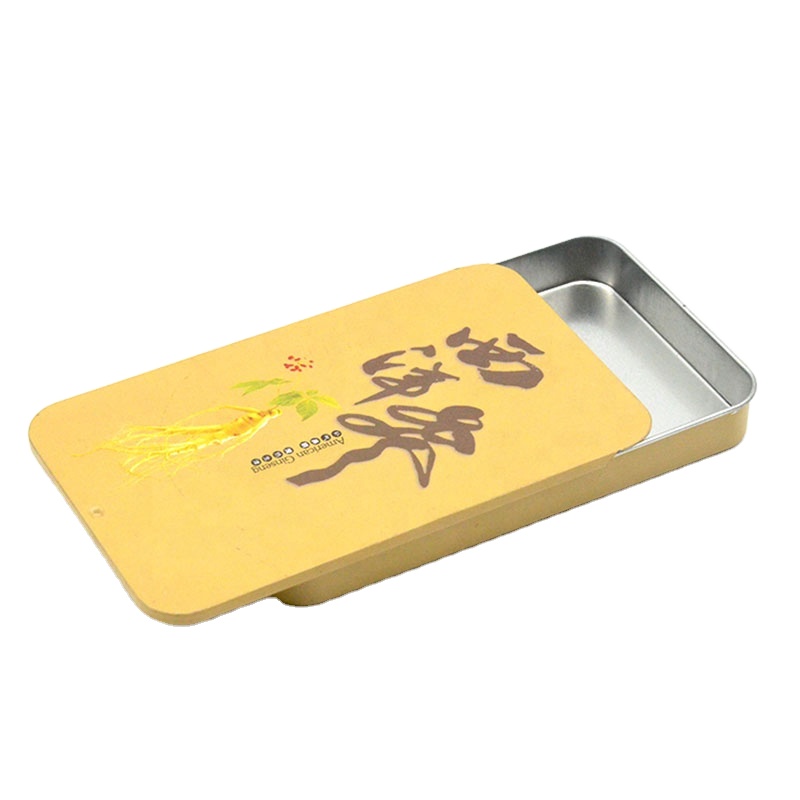
Hergestellt aus robusten, lebensmittelechten Materialien, die auf eine jahrelange Lebensdauer ausgelegt sind.Minzdosen verfügen über einen dicht schließenden Deckel, der dafür sorgt, dass Ihre Minze frisch und aromatisch bleibt.Eine Vielzahl von Stilareh-Designs, die mit Sicherheit beeindrucken werden.Machen Sie tolle Geschenke für jeden Anlass, vom Geburtstag bis zum Feiertag.Dank der großen Auswahl an Größen finden Sie ganz einfach die perfekte Größe für Ihre Bedürfnisse.
WEITERLESEN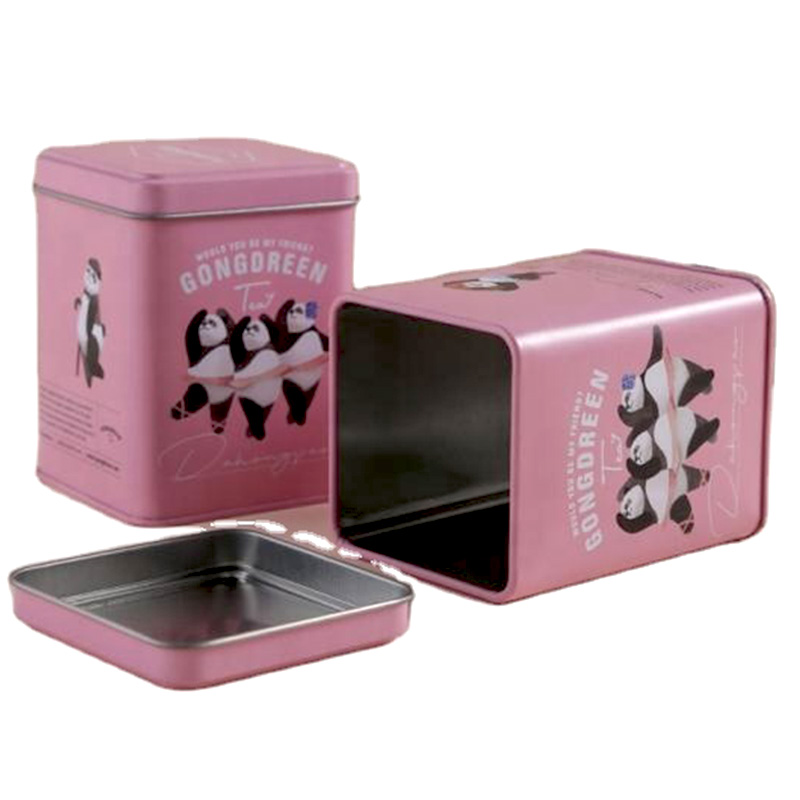
Luftdichter Verschluss, damit der Tee länger frisch bleibt. Bieten Sie umfassende Teeverpackungsdienstleistungen an, vom Design über die Produktion bis hin zur Verpackung und zum Vertrieb. Namhafte Marken, die weltweit Tee verkaufen, sind unsere langjährigen Kunden, wie Twinings, Tetley, Bigelow. Attraktive und auffällige Möglichkeit, Ihre Teeprodukte in Szene zu setzen. Professionelle Pantone- und 4-Farben-Druckgeräte, die satte, lebendige Druckfarben mit einzigartigen Designs erzeugen.
WEITERLESEN
Langlebige Qualität und mehrfach verwendbar.Sichern Sie Ersparnisse und schützen Sie Ihr Geld vor Diebstahl.Dank der großen Auswahl an Größen und Stilen können Sie eines finden, das Ihren Anforderungen entspricht.Wird als Geschenk für Kinder und Freunde verwendet und eignet sich hervorragend zur kommerziellen Markenwerbung.Zuverlässiger Direktlieferant ab Werk, hohe Qualität zu wettbewerbsfähigen Preisen.
WEITERLESEN
Diese Behälter sind für eine einfache Aufbewahrung und Organisation konzipiert und dank ihres Designs stapelbar.Diese Behälter sind vielseitig einsetzbar und können zur Aufbewahrung von Gegenständen oder als Dekorationsstücke wiederverwendet werden.Wählen Sie aus einer Vielzahl von Größen, Farben und Designs, die perfekt zu Ihren spezifischen Anforderungen passen.Die Behälter verfügen über eine einfache Klappdeckelkonstruktion mit Scharnier, die ein müheloses Öffnen und Schließen gewährleistet.Ihre robuste Weißblechkonstruktion sorgt für Langlebigkeit und Verschleißfestigkeit.
WEITERLESEN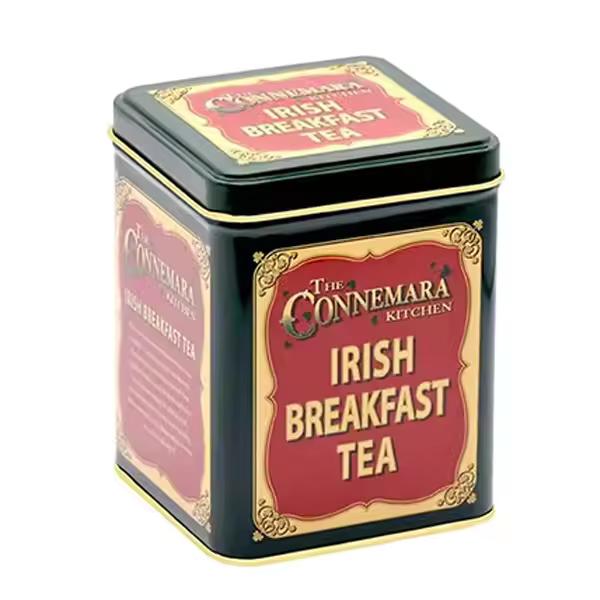
Luftdichter Verschluss, damit der Kaffee länger frisch bleibt.Bieten Sie umfassende Kaffeeverpackungsdienstleistungen an, vom Design über die Produktion bis hin zur Verpackung und zum Vertrieb.Namhafte Marken, die weltweit Kaffee verkaufen, sind unsere langjährigen Kunden, wie Twinings, Tetley, Bigelow.Attraktive und auffällige Möglichkeit, Ihre Kaffeeprodukte in Szene zu setzen.Professionelle Pantone- und 4-Farben-Druckgeräte, die satte, lebendige Druckfarben mit einzigartigen Designs erzeugen.
WEITERLESEN
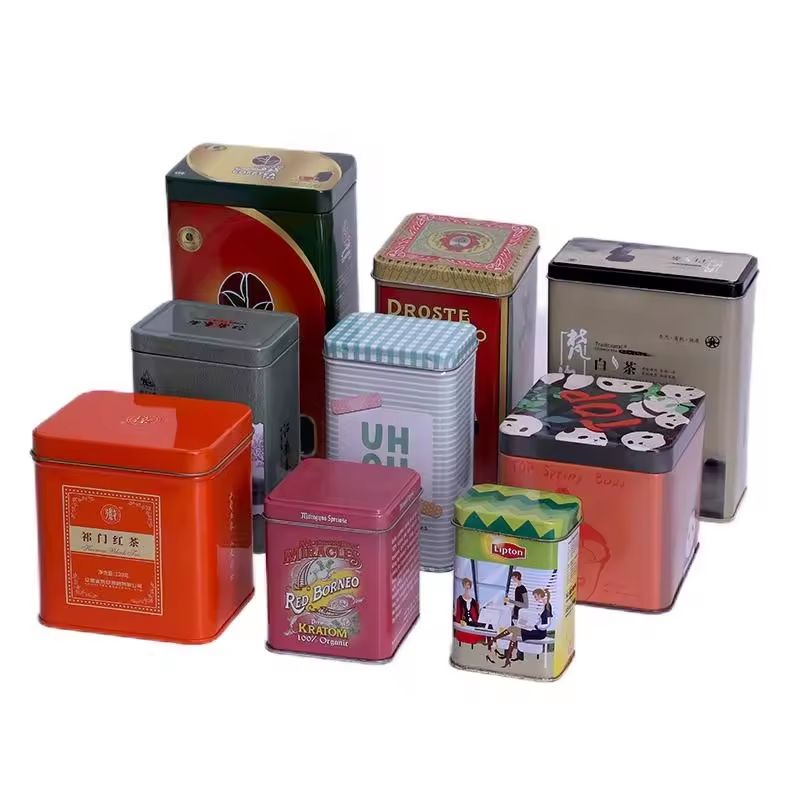
Das Unternehmen verfügt über mehr als 1.000 Sätze Teedosenformen in verschiedenen Größen und Formen und bietet eine Reihe von VerpackungslösungenHelfen Sie dabei, den Umsatz zu steigern und Ihren Teeprodukten ein professionelleres Aussehen zu verleihen.Lipton, Twinings und Tetley, bekannte Teemarken, bleiben unsere treuen Kunden.Teedosen bestehen aus von der FDA zugelassenem Weißblech in Lebensmittelqualität mit geriffelten Deckeln, um sicherzustellen, dass der Tee frisch bleibt.Mit professioneller Pantone- und 4-Farben-Druckausrüstung bleibt das Design der Teedose lange leuchtend und farbecht.
WEITERLESEN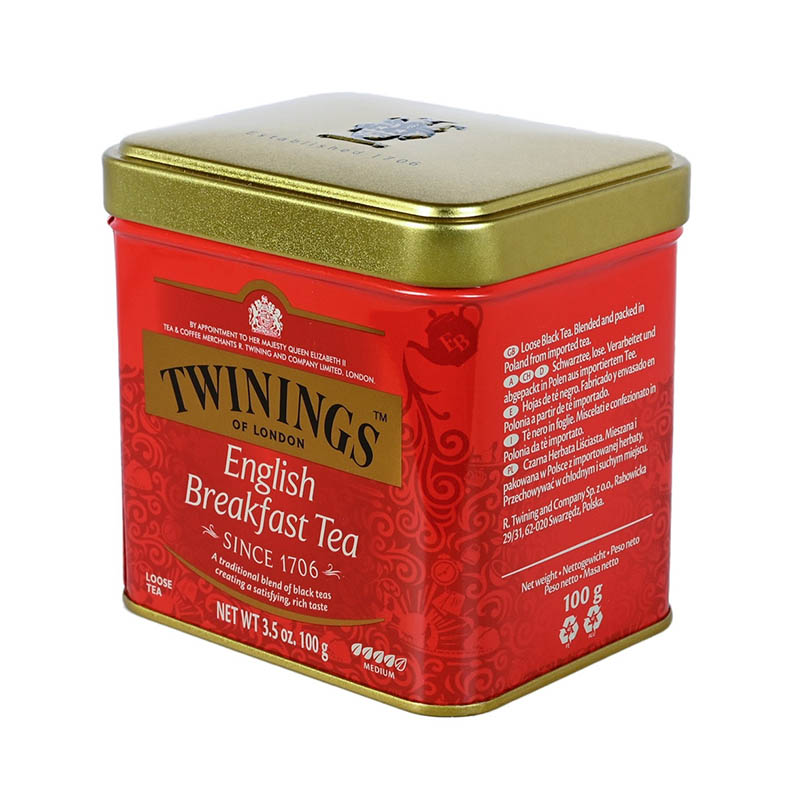
Luftdichter Verschluss, damit der Kaffee länger frisch bleibt.Bieten Sie umfassende Kaffeeverpackungsdienstleistungen an, vom Design über die Produktion bis hin zur Verpackung und zum Vertrieb.Namhafte Marken, die weltweit Kaffee verkaufen, sind unsere langjährigen Kunden, wie Twinings, Tetley, Bigelow.Attraktive und auffällige Möglichkeit, Ihre Kaffeeprodukte in Szene zu setzen.Professionelle Pantone- und 4-Farben-Druckgeräte, die satte, lebendige Druckfarben mit einzigartigen Designs erzeugen.
WEITERLESEN
Unabhängig von Ihren Verpackungsanforderungen haben wir die passenden Optionen für die Rezeptverpackung.Effektive Versiegelungstechniken verlängern die Haltbarkeit von Rezeptkarten.Eine physische Rezeptbox sorgt für schnellen Zugriff auf Favoriten.Passen Sie die Organisation Ihren Wünschen an.Für hochwertige Blechdosen-Präsentationen verwenden wir professionellen Pantone- und Vierfarbdruck.
WEITERLESEN
Diese Behälter sind für eine einfache Aufbewahrung und Organisation konzipiert und dank ihres Designs stapelbar.Diese Behälter sind vielseitig einsetzbar und können zur Aufbewahrung von Gegenständen oder als Dekorationsstücke wiederverwendet werden.Wählen Sie aus einer Vielzahl von Größen, Farben und Designs, die perfekt zu Ihren spezifischen Anforderungen passen.Die Behälter verfügen über eine einfache Klappdeckelkonstruktion mit Scharnier, die ein müheloses Öffnen und Schließen gewährleistet.Ihre robuste Weißblechkonstruktion sorgt für Langlebigkeit und Verschleißfestigkeit.
WEITERLESEN
Diese Behälter sind für eine einfache Aufbewahrung und Organisation konzipiert und dank ihres Designs stapelbar. Diese Behälter sind vielseitig einsetzbar und können zur Aufbewahrung von Gegenständen oder als Dekorationsstücke wiederverwendet werden. Wählen Sie aus einer Vielzahl von Größen, Farben und Designs, die perfekt zu Ihren spezifischen Anforderungen passen. Die Behälter verfügen über eine einfache Klappdeckelkonstruktion mit Scharnier, die ein müheloses Öffnen und Schließen gewährleistet. Ihre robuste Weißblechkonstruktion sorgt für Langlebigkeit und Verschleißfestigkeit.
WEITERLESEN
Diese Behälter sind für eine einfache Aufbewahrung und Organisation konzipiert und dank ihres Designs stapelbar.Diese Behälter sind vielseitig einsetzbar und können zur Aufbewahrung von Gegenständen oder als Dekorationsstücke wiederverwendet werden.Wählen Sie aus einer Vielzahl von Größen, Farben und Designs, die perfekt zu Ihren spezifischen Anforderungen passen.Die Behälter verfügen über eine einfache Klappdeckelkonstruktion mit Scharnier, die ein müheloses Öffnen und Schließen gewährleistet.Ihre robuste Weißblechkonstruktion sorgt für Langlebigkeit und Verschleißfestigkeit.
WEITERLESEN
Eine Seifendose ist eine langlebige und umweltfreundliche Verpackungslösung, die sich perfekt zum Aufbewahren und Schützen von Seife eignet. Seine robuste Metallkonstruktion hält die Seife trocken und intakt, während das kompakte Design ideal für unterwegs ist. Es ist in verschiedenen Stilen und anpassbaren Optionen erhältlich und verleiht Ihrer Körperpflegeroutine einen Hauch von Eleganz.
WEITERLESEN
Eine Seifendose bietet eine langlebige, umweltfreundliche Verpackungslösung, die Ihre Seife effektiv aufbewahrt und schützt. Die robuste Metallkonstruktion hält die Seife trocken und intakt und eignet sich daher perfekt für unterwegs. Mit anpassbaren Optionen und verschiedenen stilvollen Designs verleiht es Ihrer Körperpflegeroutine einen Hauch von Raffinesse.
WEITERLESEN
Eine Bonbondose ist eine stilvolle und praktische Verpackungslösung, ideal, um die Frische und den Geschmack Ihrer Süßigkeiten zu bewahren. Seine robuste Metallkonstruktion sorgt dafür, dass der Inhalt sicher bleibt, während die kompakte Größe ihn perfekt für Leckereien unterwegs macht. Es ist in verschiedenen Designs und individuell anpassbaren Optionen erhältlich, steigert die Attraktivität Ihrer Süßigkeiten und ist eine wunderbare Geschenkidee.
WEITERLESEN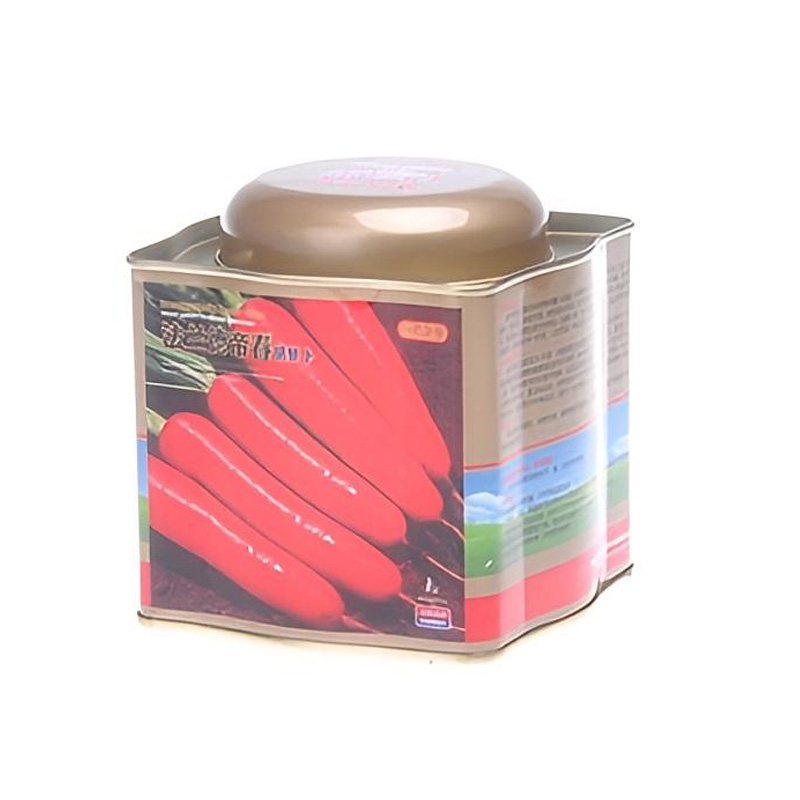
Entdecken Sie unsere Teedose mit Doppeldeckel, die für zusätzlichen Schutz und Frische sorgt. Das Doppeldeckelsystem sorgt für einen luftdichten Verschluss, sodass Ihre Teeblätter optimal aufbewahrt werden. Mit anpassbaren Designs bietet es sowohl erstklassige Qualität als auch einen einzigartigen, stilvollen Look für Teeliebhaber und Marken.
WEITERLESEN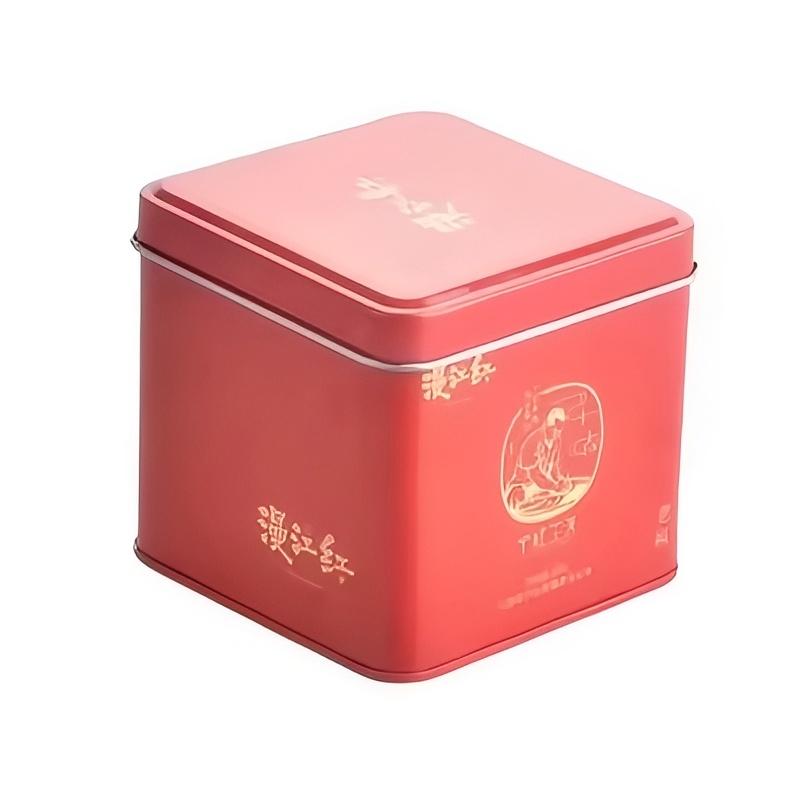
Entdecken Sie unsere Premium-Teedosen, die darauf ausgelegt sind, Frische und Geschmack zu bewahren. Mit anpassbaren Größen und Designs bieten unsere hochwertigen Dosen sowohl Funktionalität als auch Eleganz und sind somit perfekt für Teeliebhaber und Marken gleichermaßen.
WEITERLESEN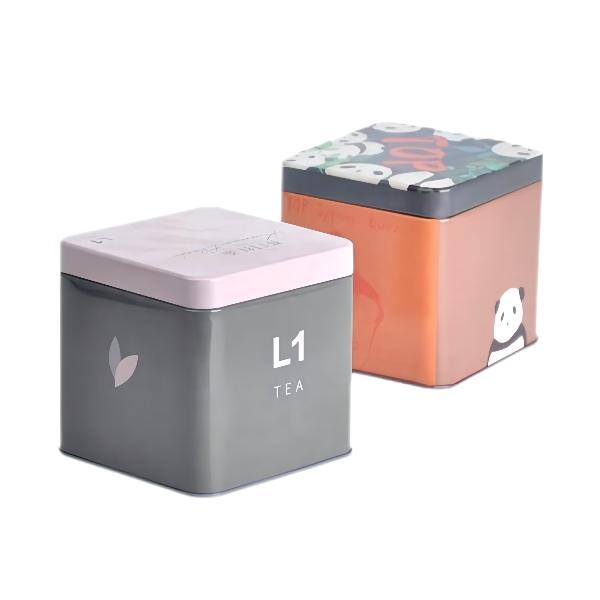
Attraktiv und kann jeder Küche eine dekorative Note verleihen.Eine große Auswahl an Farben und Designs ermöglicht es Ihnen, das Modell auszuwählen, das am besten zu Ihrem Stil passt.Leicht und einfach zu transportieren, daher ideal für Versand und Einzelhandel.Umweltfreundliche Option, da sie recycelt oder einer anderen Verwendung zugeführt werden können.Professionelle Druckgeräte unterstützen Sie individuell mit Ihrem Markenlogo oder Design.
WEITERLESEN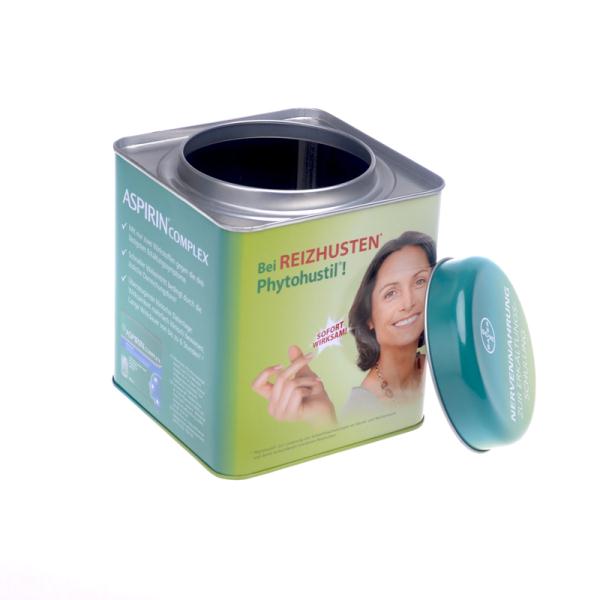
Luftdichter Verschluss, damit Ihr Tee frisch und aromatisch bleibt. Verschiedene Größen für jede Menge Tee. und Kaffee. Wiederverwendet, damit Sie Ihren Lieblingstee immer wieder genießen können. Ideal zum Verschenken, da sie mit Etiketten oder Aufklebern personalisiert werden können. Halten Sie Teebeutel organisiert und leicht zugänglich.
WEITERLESEN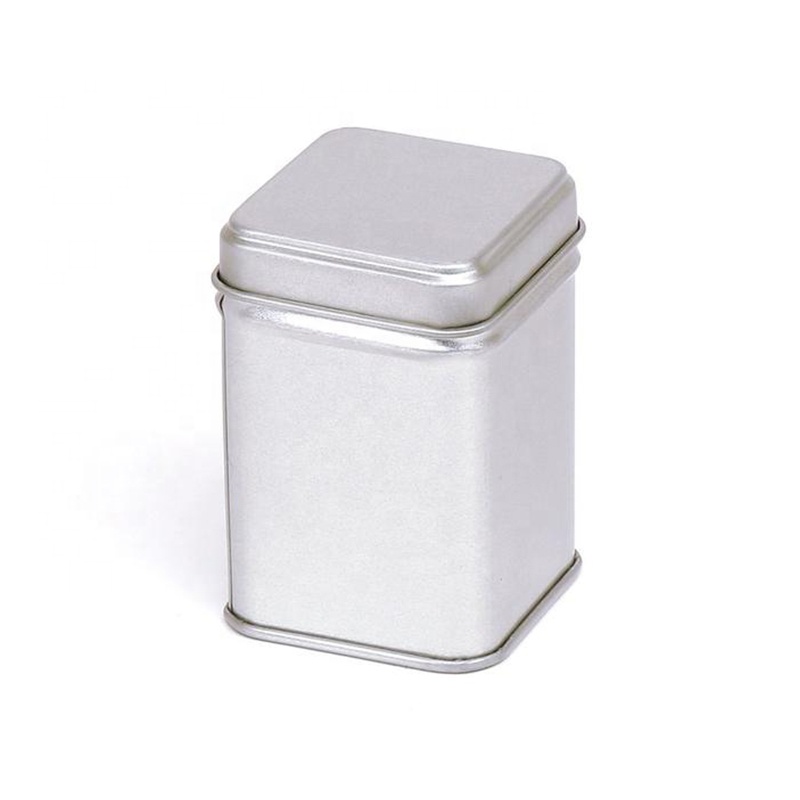
Das Unternehmen verfügt über mehr als 1.000 Sätze Teedosenformen in verschiedenen Größen und Formen und bietet eine Reihe von VerpackungslösungenHelfen Sie dabei, den Umsatz zu steigern und Ihren Teeprodukten ein professionelleres Aussehen zu verleihen.Lipton, Twinings und Tetley, bekannte Teemarken, bleiben unsere treuen Kunden.Teedosen bestehen aus von der FDA zugelassenem Weißblech in Lebensmittelqualität mit geriffelten Deckeln, um sicherzustellen, dass der Tee frisch bleibt.Mit professioneller Pantone- und 4-Farben-Druckausrüstung bleibt das Design der Teedose lange leuchtend und farbecht.
WEITERLESEN
Wir bieten verschiedene Verpackungsoptionen für Teedosen an, um die Qualität Ihres Tees zu verbessern.Verwenden Sie ein Doppelversiegelungsverfahren, um sicherzustellen, dass der Tee vollständig versiegelt ist.Wir arbeiten seit vielen Jahren mit namhaften Marken wie Lipton, Twinings und Tetley zusammen.Stellen Sie erstklassiges Weißblech mit hervorragender Duktilität bereit, sodass Sie jede erdenkliche Form von Teedosen herstellen können.Entworfen mit einem luftdichten Verschluss, um Ihren Tee frisch und aromatisch zu halten.
WEITERLESEN
Egal welche Art von Teeverpackungslösung Sie benötigen, wir bieten die perfekte Lösung für Sie.Teedosen aus Blech sind eine tolle Möglichkeit, Ihren Lieblingstee aufzubewahren und ihn länger frisch zu halten.Führende Marken wie Lipton, Twinings und Tetley sind unsere langfristigen Partner.Die innere Zinnschicht besteht aus hochwertigem, von der FDA zugelassenem Weißblech und trägt dazu bei, den Tee vor Verunreinigungen zu schützen.Mit unserer fortschrittlichen Pantone- und Vierfarben-Druckausrüstung wird Ihre Teedose die Aufmerksamkeit Ihrer Kunden auf sich ziehen.
WEITERLESEN
Wir führen eine Reihe von Verpackungslösungen für Teedosen, aus denen Sie wählen können.Ein verbesserter Prozess sorgt für eine wirksame Versiegelung und langfristige Lagerung Ihres Tees.Top-Teemarken wie Lipton, Twinings und Tetley sind unsere treuen Kunden.Die Teeverpackung besteht aus von der FDA zugelassenem Weißblech in Lebensmittelqualität, um maximale Sicherheit zu gewährleisten.Professionelle Druckausrüstung zur perfekten Präsentation Ihres Verpackungsdesigns für Teedosen.
WEITERLESEN
Wir führen eine ganze Reihe von Verpackungsoptionen für Teedosen, aus denen Sie auswählen können.Das fortschrittliche Verfahren sorgt für eine sichere Versiegelung und eine längere Haltbarkeit Ihres Tees.Zu unseren treuen Kunden zählen Lipton, Twinings und Tetley, renommierte Teemarken.Verwenden Sie für die Teeverpackung FDA-zugelassenes Weißblech in Lebensmittelqualität, um maximale Sicherheit zu gewährleisten.Entworfen mit einem dicht schließenden Deckel, der die Luft fernhält und Ihren Tee großartig schmeckt.
WEITERLESEN
Welche Art von Verpackungslösung für Minz-Kaugummidosen Sie auch benötigen, wir bieten die richtige Option für Sie.Ein fortschrittlicher Prozess verleiht Ihrer Minze eine gute Versiegelung und eine langfristige Lagerung.Zu unseren treuen Kunden zählen Mentos, Tic Tac, Altoids und renommierte Teemarken.Wählen Sie von der FDA zugelassenes Weißblech, das speziell für Lebensmittelverpackungen entwickelt wurde.Druckgeräte von höchster Qualität, um das Verpackungsdesign Ihrer Minzbonbondose perfekt zur Geltung zu bringen.
WEITERLESEN
Umweltfreundliche Option, da sie aus recycelten Materialien hergestellt werden. Ein verbesserter Prozess sorgt für eine wirksame Versiegelung und langfristige Lagerung Ihrer Zigarre. Top-Zigarrenmarken wie Marlboro, Camel, Winston sind unsere treuen Kunden. Hergestellt aus von der FDA zugelassenem Weißblech in Lebensmittelqualität, um maximale Sicherheit zu gewährleisten. Professionelle Druckausrüstung zur perfekten Präsentation Ihres Verpackungsdesigns für Zigarettendosen.
WEITERLESEN
Kann mit individuellen Designs und Logos personalisiert werden.Tolle Möglichkeit, für Ihr Unternehmen oder Ihre Marke zu werben.Organisieren und lagern Sie Gegenstände ordentlich und ordentlich.Hergestellt aus robustem Metall, wodurch sie langlebig und zuverlässig sind.Attraktive Art, Werbeartikel zu verpacken und zu präsentieren.
WEITERLESEN
Kann zur Aufbewahrung einer Vielzahl von Gegenständen verwendet werden, von Pfefferminzbonbons bis hin zu Schmuck.Personalisiert mit Ihrem eigenen Logo, Design oder Ihrer Botschaft.Robustes Metall und für eine jahrelange Lebensdauer ausgelegt.Tolle Möglichkeit, ein besonderes Geschenk oder Geschenk zu machen.Die luftdichte und versiegelte Struktur schützt die Gegenstände vor Staub und Schmutz.
WEITERLESEN
Leicht zu öffnen und zu schließen, sodass sie praktisch für den täglichen Gebrauch sind.Tolle Möglichkeit, jedem Geschenk eine persönliche Note zu verleihen.Hergestellt aus robustem Metall, wodurch sie langlebig sind.Verschiedene Formen und Größen, sodass sie für jeden Bedarf perfekt geeignet sind.Erschwingliche und attraktive Möglichkeit, kleine Gegenstände aufzubewahren und zu organisieren.
WEITERLESEN
Luftdichter Verschluss, damit der Kaffee länger frisch bleibt.Bieten Sie umfassende Kaffeeverpackungsdienstleistungen an, vom Design über die Produktion bis hin zur Verpackung und zum Vertrieb.Namhafte Marken, die weltweit Kaffee verkaufen, sind unsere langjährigen Kunden, wie Twinings, Tetley, Bigelow.Attraktive und auffällige Möglichkeit, Ihre Kaffeeprodukte in Szene zu setzen.Professionelle Pantone- und 4-Farben-Druckgeräte, die satte, lebendige Druckfarben mit einzigartigen Designs erzeugen.
WEITERLESEN
Wir können Ihnen Verpackungsoptionen für Kekse anbieten, die für jede Art von Verpackung geeignet sind.Um sicherzustellen, dass Ihre Kekse länger frisch bleiben, können ausgefeilte Versiegelungstechniken eingesetzt werden.Wir sind stolz darauf, treue Kunden wie Oreo, Keebler, Chips Ahoy und Pepperidge Farm zu haben.Für die Verpackung Ihrer Kekse wird erstklassiges Weißblech verwendet, das für den Kontakt mit Lebensmitteln unbedenklich ist, um deren Sicherheit zu gewährleisten.Die Qualität der Präsentation von Blechdosen wird durch professionelle Pantone- und 4-Farben-Druckmaschinen gewährleistet.
WEITERLESEN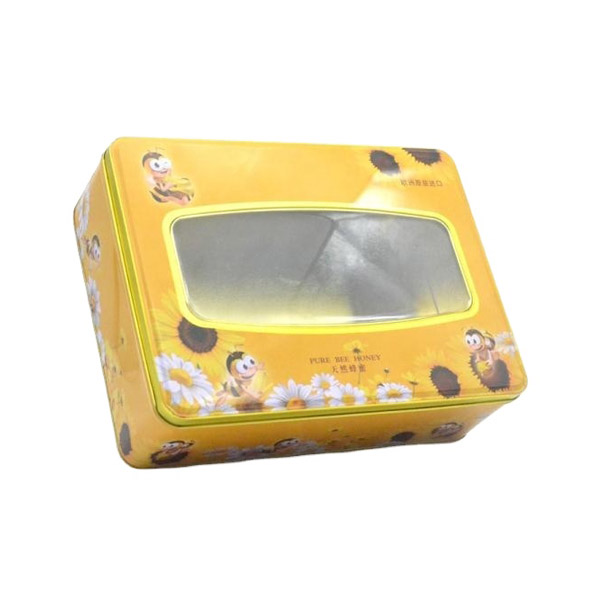
Wir verfügen über Verpackungsoptionen für Kekse, die für eine Vielzahl von Verpackungsarten geeignet sind.Um eine längere Speicherung Ihrer Cookies zu ermöglichen, können ausgefeilte Versiegelungstechniken eingesetzt werden.Zu unserer treuen Kundenliste gehören bekannte Keksmarken wie Oreo, Keebler, Chips Ahoy und Pepperidge Farm.Die Verwendung von erstklassigem Weißblech für den Lebensmittelkontakt gewährleistet die Sicherheit Ihrer Keksverpackung.Die Qualität der Präsentation von Blechdosen wird durch den Einsatz professioneller Pantone- und 4-Farben-Druckmaschinen sichergestellt.
WEITERLESEN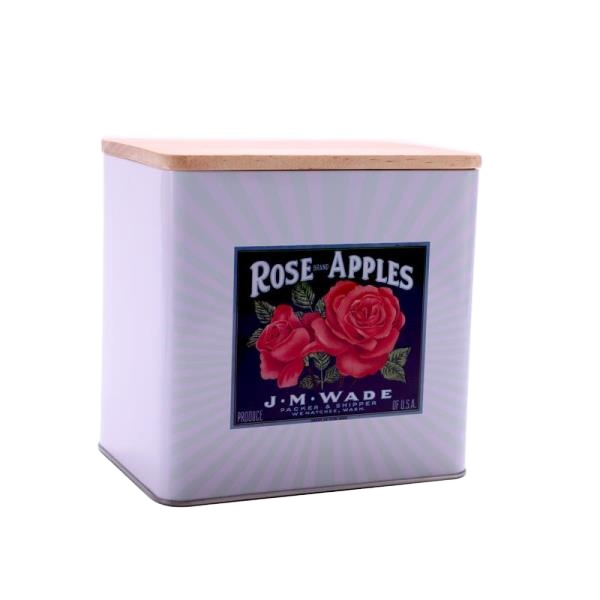
Wir verfügen über eine Vielzahl von Verpackungsoptionen für Süßigkeiten, um Ihren Verpackungsanforderungen gerecht zu werden.Durch die fortschrittlichen Techniken können eine effektive Versiegelung und längere Speicherung Ihrer Cookies erreicht werden.Kekse bleiben in Keksdosen länger frisch, da sie Luft und Feuchtigkeit abhalten.Die Verpackung von Keksdosen ist eine zuverlässige und hygienische Option für die Lebensmittelverpackung, da sie leicht gereinigt und desinfiziert werden kann.Keksdosen bieten eine vielfältige Auswahl an Formen und Größen, um Ihren spezifischen Vorlieben gerecht zu werden.
WEITERLESEN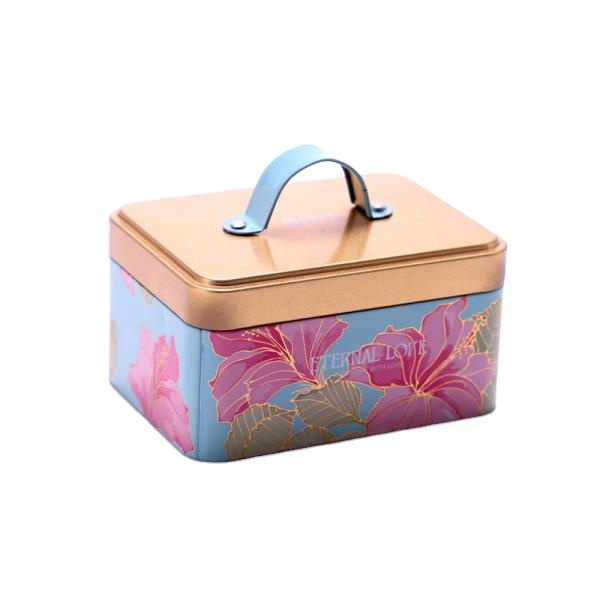
Unsere Keksverpackungsoptionen sind auf Ihre spezifischen Verpackungsanforderungen zugeschnitten.Fortschrittliche Versiegelungstechniken können eine längere Lagerung Ihrer Kekse gewährleisten und sie frisch halten.Keksdosen haben vielfältige Einsatzmöglichkeiten, die über die bloße Aufbewahrung von Keksen hinausgehen, z. B. zum Aufbewahren von Nüssen und Süßigkeiten.Die Möglichkeit, Keksdosenverpackungen einfach zu reinigen und zu desinfizieren, macht sie zu einer hygienischen Wahl für Lebensmittelverpackungen.Die Auswahl an Formen und Größen der Keksdosen sorgt dafür, dass für jeden Geschmack etwas dabei ist.
WEITERLESEN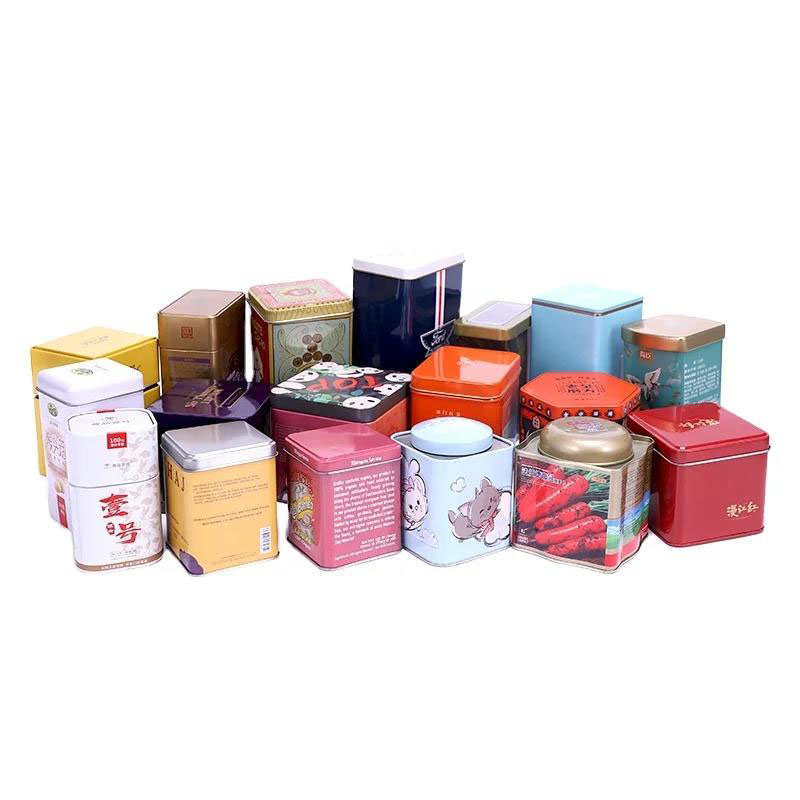
Helfen Sie dabei, die Frische Ihres Tees über einen längeren Zeitraum aufrechtzuerhalten.Steigern Sie den wahrgenommenen Wert Ihres Teeangebots.Ein sicherer und luftdichter Verschluss, der dazu beiträgt, die Frische und den Geschmack Ihres Tees zu bewahren.Unser lebensmittelechtes Weißblech ist langlebig und hält den Herausforderungen des Versands und der Handhabung stand und sorgt für Zuverlässigkeit.Es steht eine große Auswahl an Größen und Formen zur Verfügung, die es einfacher machen, die ideale Passform für Ihr Produkt zu finden.
WEITERLESEN
Unabhängig von Ihren Verpackungsanforderungen haben wir die passenden Optionen für die Rezeptverpackung.Effektive Versiegelungstechniken können die Haltbarkeit Ihrer Rezeptkarten verlängern.Mit einer physischen Rezeptbox können Sie schnell und einfach auf Ihre Lieblingsrezepte zugreifen.Ermöglicht Ihnen, die Organisation an Ihre Vorlieben anzupassen.Professionelle Pantone- und Vierfarbdruckmaschinen garantieren die außergewöhnliche Qualität unserer Blechdosenpräsentationen.
WEITERLESEN
Entwickelt für Stapelbarkeit, erleichtert die praktische Aufbewahrung und Organisation. Für verschiedene Zwecke wiederverwendbar, sowohl als Aufbewahrungsbehälter als auch als dekoratives Element. Erhältlich in verschiedenen Größen, Farben und Designs, passend zu Ihren spezifischen Anforderungen. Verfügt über eine unkomplizierte Klappdeckelstruktur mit Scharnier für müheloses Öffnen und Schließen. Hergestellt aus robustem Weißblech, das Langlebigkeit und Widerstandsfähigkeit gegen Abnutzung gewährleistet.
WEITERLESENHolen Sie sich die neuesten Informationen und Sonderangebote


 IPv6-Netzwerk unterstützt
 Deutsch
 English
 Français
 Español
 Português